
In the landscape of personal finance and corporate operations, the Employment Authorization Document (EAD) serves as a critical bridge between legal status and economic participation. For millions of individuals residing in the United States under specific visa categories or pending statuses, the EAD—often referred to as a “work permit”—is more than just an identification card; it is a foundational financial tool. It represents the legal right to generate income, pay taxes, and access the broader American financial system.
Understanding what an Employment Authorization Document is, how it functions, and its implications for both personal and business finance is essential for anyone looking to navigate the U.S. labor market. Whether you are an entrepreneur looking to hire diverse talent or an individual seeking to build a sustainable financial future, the EAD is the primary mechanism that unlocks professional liquidity.
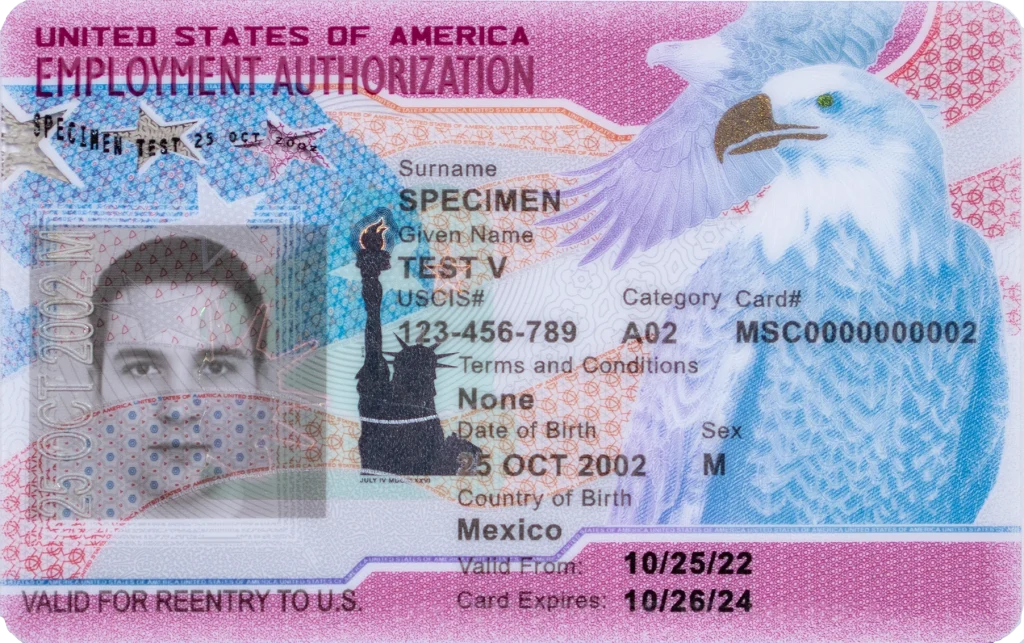
The Financial Significance of the Employment Authorization Document
At its core, the EAD (Form I-766) is a document issued by U.S. Citizenship and Immigration Services (USCIS) that provides temporary authorization to work in the United States. From a financial perspective, this document is the “green light” for legal revenue generation. Without it, individuals are often barred from participating in the formal economy, which severely limits their ability to manage personal wealth or contribute to household financial stability.
Unlocking Legal Income Streams
The primary financial benefit of an EAD is the transition from economic inactivity to legal earning power. For many, obtaining this document is the first step toward moving away from reliance on savings or external financial support. It allows an individual to enter into employment contracts, receive a standardized salary, and participate in employer-sponsored financial benefits such as 401(k) contributions and health savings accounts (HSAs).
In the context of personal finance, the EAD serves as the catalyst for cash flow. It enables individuals to diversify their income, moving from survival-based budgeting to long-term financial planning. By authorizing work, the document ensures that the wages earned are protected by federal and state labor laws, ensuring that the worker receives at least the minimum wage and is eligible for overtime—factors that are crucial for building a financial safety net.
The Economic Impact on Immigrant Households
On a microeconomic level, the EAD is a tool for upward mobility. It allows foreign nationals, such as students on OPT (Optional Practical Training), spouses of certain visa holders, or those with pending asylum applications, to contribute to the U.S. GDP. This influx of household income does not just benefit the individual; it circulates through the economy via rent payments, consumer spending, and the purchase of financial products.
Furthermore, the EAD allows for the legal pursuit of “side hustles” and gig economy participation. In an era where multiple income streams are a cornerstone of modern personal finance, the EAD provides the legal framework for individuals to participate in platforms like Uber, TaskRabbit, or Etsy, provided their specific EAD category allows for open-market employment.
Navigating the Costs and Logistics of Obtaining an EAD
While the EAD is a gateway to income, obtaining it requires its own financial strategy. The process involves significant “upfront capital” in the form of government fees and, in many cases, legal expenses. For those on a tight budget, planning for the acquisition and maintenance of an EAD is a vital component of business and personal financial management.
Application Fees and Financial Planning
As of recent fee schedule updates, the cost of filing Form I-765 (the application for employment authorization) can range significantly depending on the filing method and the applicant’s category. For many, this represents a major out-of-pocket expense that must be budgeted for months in advance.
When viewing the EAD through the lens of a “financial investment,” the ROI (Return on Investment) is typically high. A one-time filing fee of several hundred dollars can unlock tens of thousands of dollars in annual earnings. However, the “opportunity cost” of a delayed application is also high. Every month a worker waits for their EAD to be processed is a month of lost wages and potential investment growth. Therefore, proactive financial planning involves setting aside “permit funds” to ensure that applications and renewals are filed at the earliest possible window to avoid gaps in employment.
Renewal Cycles and Long-term Financial Strategy
An EAD is not a permanent document; it typically carries an expiration date ranging from one to five years depending on the underlying immigration status. This creates a “financial cycle” that individuals must manage. A lapse in authorization doesn’t just mean a temporary stop in work—it means a total cessation of legal income, which can lead to catastrophic financial consequences, including the inability to pay mortgages or maintain insurance.
Savvy financial managers track their EAD expiration dates as strictly as they track their tax deadlines. They account for “processing times” as a form of financial risk management. Because USCIS processing times can fluctuate wildly, individuals must often plan for 6 to 10 months of potential uncertainty. This necessitates a robust emergency fund specifically designed to cover expenses should the renewal process take longer than expected, ensuring that their financial life remains solvent during bureaucratic transitions.
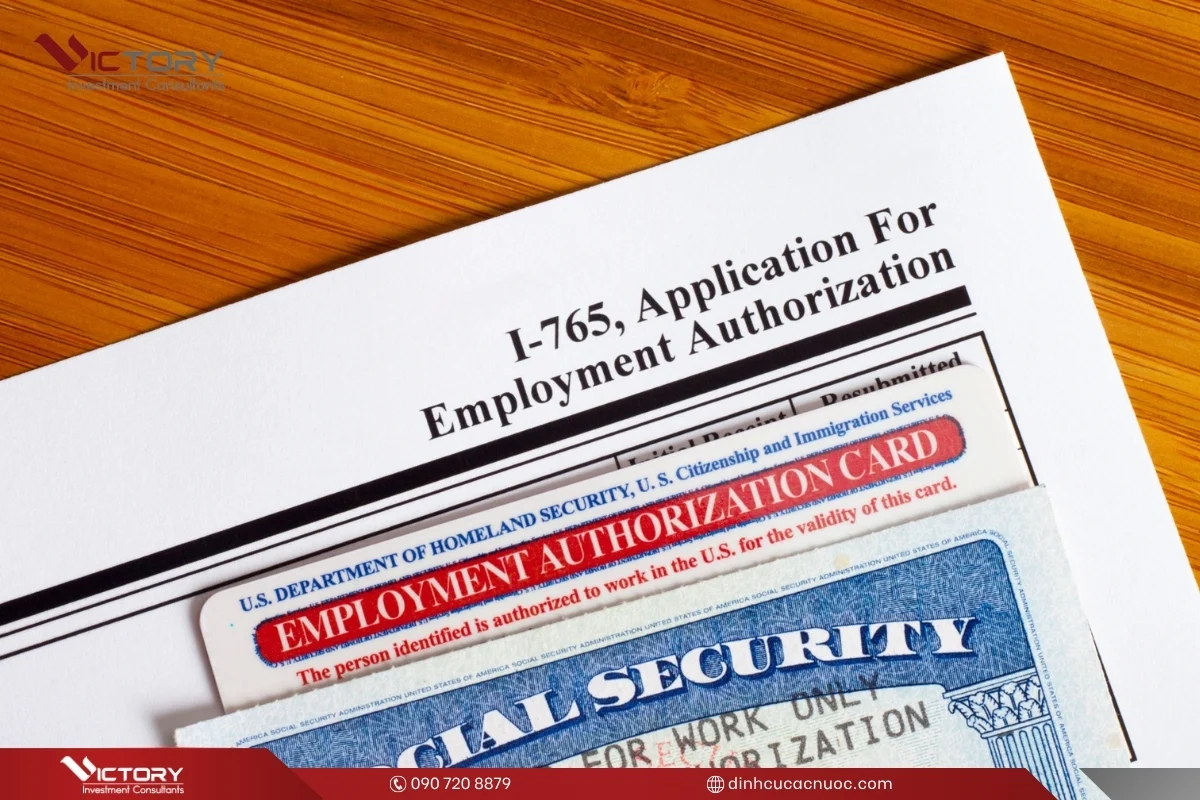
Employer Perspectives: Payroll, Compliance, and Business Finance
From the standpoint of a business owner or a corporate finance department, the EAD is a critical component of regulatory compliance and risk management. Hiring individuals with valid work authorization is not just a legal requirement; it is a safeguard against massive financial penalties that can cripple a company’s bottom line.
Tax Implications and SSN Correlation
The EAD is often the prerequisite for obtaining a Social Security Number (SSN). For a corporate payroll department, the SSN is the primary identifier used for tax withholding and reporting to the IRS. Without a valid EAD and a subsequent SSN, a business cannot properly process a worker’s financial contributions to Social Security and Medicare.
From a business finance perspective, ensuring that all employees have valid EADs ensures that the company remains eligible for certain tax credits and avoids the “backup withholding” requirements that can complicate cash flow. Moreover, it allows the company to maintain a clean audit trail, which is essential during financial due diligence or when seeking corporate investment and loans.
Risk Management and Financial Penalties
The Department of Homeland Security (DHS) and Immigration and Customs Enforcement (ICE) conduct regular audits of I-9 forms—the documents used to verify employment eligibility. For a business, a failure to properly verify an EAD can result in fines ranging from hundreds to thousands of dollars per employee.
For a small to medium-sized enterprise (SME), these fines are not merely “the cost of doing business”; they are significant financial liabilities that can impact the company’s valuation and creditworthiness. Therefore, investing in HR software or digital tools that track EAD expiration dates is a prudent financial move. By automating the tracking of work permit validity, businesses mitigate the risk of “constructive knowledge” of unauthorized employment, protecting the company’s capital from avoidable legal drains.
Maximizing Financial Opportunities with a Work Permit
Once an EAD is secured, it serves as more than just a license to work; it is an entry ticket to the American banking and credit system. The ability to show a valid EAD, combined with a Social Security Number, fundamentally changes an individual’s financial profile in the eyes of lenders and financial institutions.
Eligibility for Side Hustles and Freelancing
For those with an “unrestricted” EAD (meaning they are not tied to a specific employer), the document opens the door to independent contracting and entrepreneurship. In the modern financial landscape, being an “independent contractor” allows for unique tax advantages, such as the ability to deduct business expenses (home office, equipment, travel) from gross income.
An EAD allows a foreign national to register a business, apply for an Employer Identification Number (EIN), and open a business bank account. This fosters a transition from being a simple wage earner to being a business owner, which is a significant leap in wealth-building potential. It allows the individual to leverage their skills in the freelance market, setting their own rates and maximizing their hourly financial value.
Building Credit History and Financial Stability
Perhaps the most underrated financial benefit of the EAD is its role in credit building. Most major credit card issuers and mortgage lenders require an SSN or an ITIN (Individual Taxpayer Identification Number). Since an EAD usually leads to an SSN, it allows the holder to begin building a FICO score.
In the United States, a credit score is the most important financial metric for long-term stability. A high score leads to lower interest rates on car loans, lower insurance premiums, and the ability to secure a mortgage. For an immigrant or a temporary resident, the EAD is the catalyst for this process. By securing a work permit, earning a steady income, and reporting that income through an SSN, an individual can transform their financial status from a “thin file” to a creditworthy borrower, eventually allowing them to invest in real estate or other high-yield assets.

Conclusion: The EAD as a Cornerstone of Financial Health
The Employment Authorization Document is far more than a piece of plastic issued by the government; it is the cornerstone of financial health for a significant portion of the American workforce. It facilitates the flow of capital from employers to employees, ensures the collection of tax revenue for the state, and provides individuals with the legal standing necessary to build wealth, credit, and security.
For the individual, the EAD represents the power to earn and the freedom to plan for the future. For the business, it represents compliance, stability, and access to a diverse pool of talent. By understanding the EAD as a financial instrument, both workers and employers can better navigate the complexities of the U.S. economy, ensuring that legal status and financial prosperity go hand in hand. In the end, the EAD is the vital link that allows the “American Dream” to be calculated, budgeted, and realized in dollars and cents.
aViewFromTheCave is a participant in the Amazon Services LLC Associates Program, an affiliate advertising program designed to provide a means for sites to earn advertising fees by advertising and linking to Amazon.com. Amazon, the Amazon logo, AmazonSupply, and the AmazonSupply logo are trademarks of Amazon.com, Inc. or its affiliates. As an Amazon Associate we earn affiliate commissions from qualifying purchases.