
Navigating the landscape of immunization can be complex, especially when medical terminology feels nearly identical. For parents, healthcare workers, and adults prioritizing preventative health, understanding the nuances between DTaP and Tdap is essential. While both vaccines serve as critical defenses against three severe bacterial diseases—diphtheria, tetanus, and pertussis (whooping cough)—they are formulated for different stages of life and specific biological requirements. Distinguishing between these two is not merely a matter of semantics; it is a fundamental aspect of maintaining individual and community immunity.
The Shared Foundation: Diphtheria, Tetanus, and Pertussis
Before dissecting the differences, it is necessary to understand what these vaccines aim to prevent. Each letter in the acronyms represents a disease that, while once common, has been significantly curtailed by modern immunization efforts.

Diphtheria is a serious bacterial infection that affects the mucous membranes of the throat and nose. It can lead to breathing problems, heart failure, and paralysis. Tetanus, often referred to as “lockjaw,” is caused by bacteria that enter the body through cuts or wounds. It causes painful muscle stiffening and can be fatal if the spasms affect the muscles required for breathing. Pertussis, known as whooping cough, is a highly contagious respiratory disease characterized by uncontrollable, violent coughing fits. It is particularly dangerous for infants, who may struggle to breathe or feed during these episodes.
The DTaP and Tdap vaccines are designed to provide immunity against these specific threats. However, the efficacy and safety profiles of these vaccines have evolved, leading to the creation of two distinct formulations tailored to the developing immune systems of children and the maintenance needs of adolescents and adults.
DTaP: The Foundational Series for Early Childhood
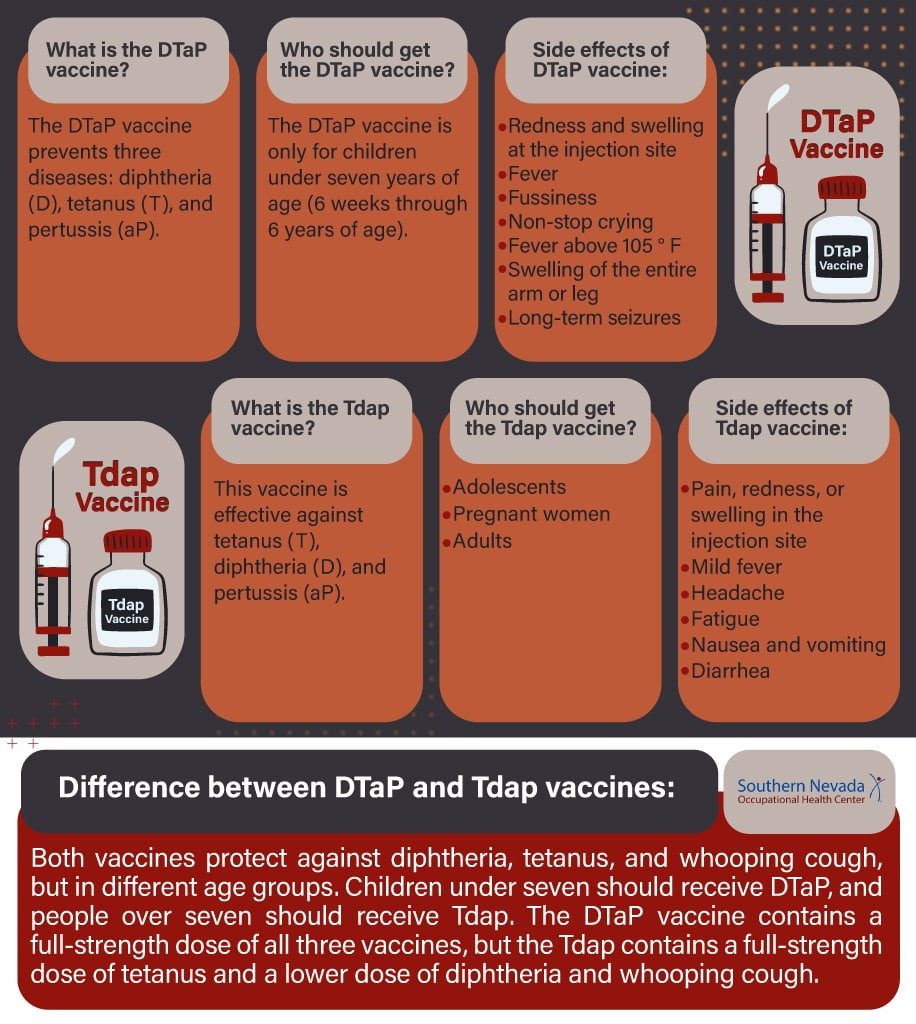
The DTaP vaccine is specifically formulated for infants and children under the age of seven. The “a” in the acronym stands for “acellular,” a crucial technological advancement in vaccine development. Older versions of the vaccine (the whole-cell DTP) contained the entire pertussis bacterium, which often triggered more significant side effects like high fevers or excessive irritability. By using an acellular format, researchers identified the specific antigens of the pertussis bacteria that trigger an immune response without including the components that cause adverse reactions.
The Vaccination Schedule
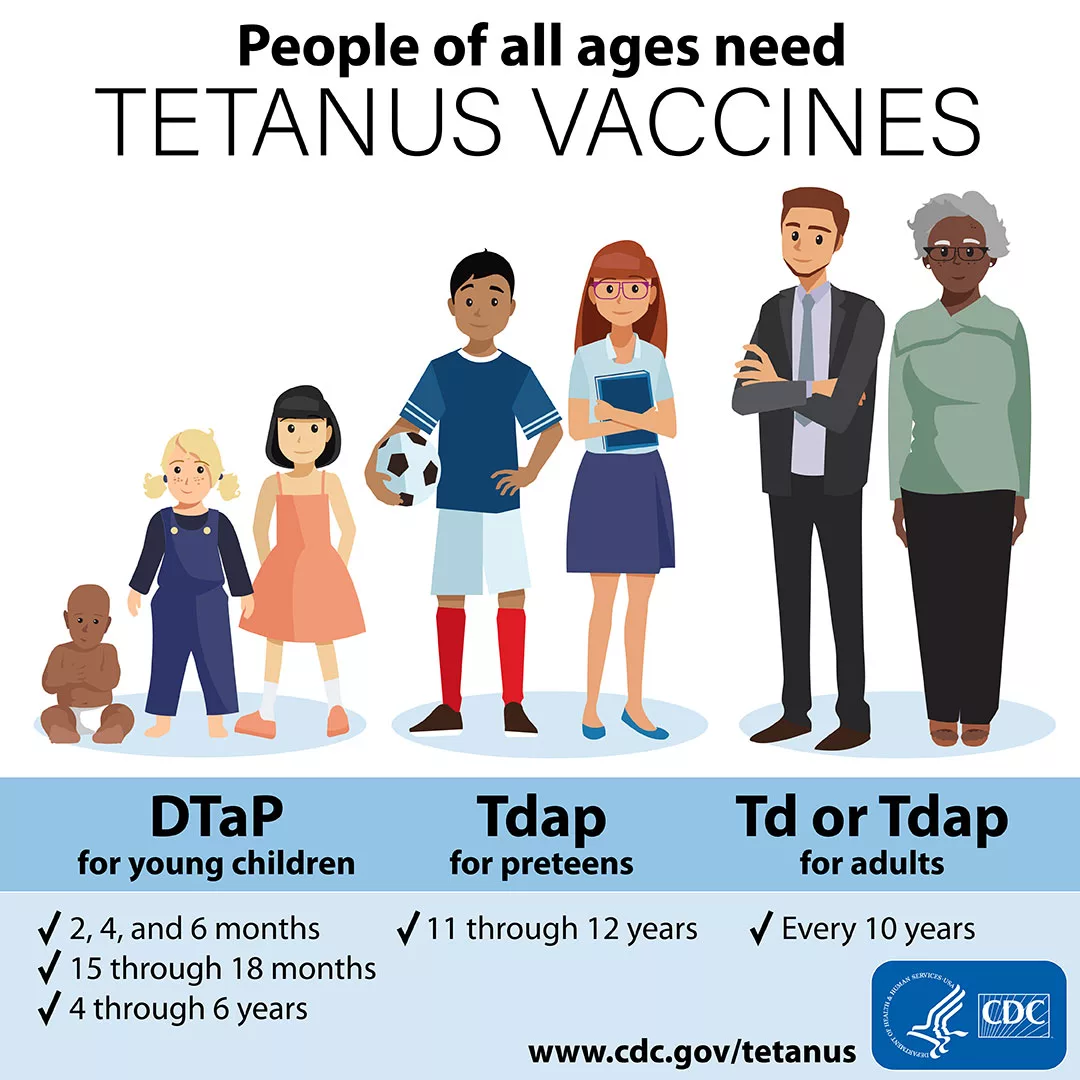
The DTaP vaccine is administered in a five-dose series. Pediatric guidelines recommend that children receive injections at two months, four months, six months, 15 to 18 months, and a final booster between the ages of four and six. This rigorous schedule is designed to build a robust primary immunity. By the time a child reaches school age, their immune system has been primed to recognize and fight these bacteria effectively.
Why DTaP is Specialized for Children
The “D” in DTaP stands for diphtheria, and the “T” stands for tetanus. In the pediatric formulation, the concentration of the diphtheria and tetanus toxoids is higher than in the adult version. This higher dosage is necessary because children require a stronger initial stimulus to create long-term immunological memory. Because infants and young children have immature immune systems, this concentrated exposure is vital for ensuring they achieve full protective coverage against these life-threatening pathogens.
Tdap: The Maintenance Booster for Adolescents and Adults
As individuals transition into adolescence, the immunity generated by the childhood DTaP series begins to wane. This is where the Tdap vaccine enters the picture. Unlike the childhood version, Tdap is formulated as a booster shot, designed to “remind” the immune system of the threat and reinvigorate its defenses.
The Shift in Formulation
The primary distinction between DTaP and Tdap is the dosage of the antigens. While Tdap protects against the same three diseases, it contains a lower concentration of diphtheria and pertussis antigens compared to DTaP. This is a strategic choice; for adolescents and adults, a smaller dose is sufficient to elicit a protective response. Administering the higher-dose DTaP to adults would likely lead to increased localized reactions—such as severe swelling, pain, or redness at the injection site—without offering additional clinical benefit.
The Tdap Schedule and “Cocooning”
Health organizations recommend that adolescents receive a single dose of Tdap around the age of 11 or 12. Following this, adults are advised to receive a Td-only or Tdap booster every ten years to maintain immunity against tetanus and diphtheria.
One of the most critical aspects of Tdap administration is its role in protecting the most vulnerable: newborns. Because infants cannot receive their first DTaP dose until two months of age, they are susceptible to whooping cough in their earliest weeks. Public health experts recommend that pregnant individuals receive a Tdap vaccine during every pregnancy, ideally between 27 and 36 weeks gestation. This allows the mother to pass antibodies to the fetus, providing the newborn with immediate, passive protection during the critical first months of life. This strategy is often referred to as “cocooning,” ensuring that those closest to the infant are protected from transmitting the bacteria.
Safety Profiles and Clinical Considerations
Understanding the differences between these vaccines also involves acknowledging their safety profiles. Because DTaP is a high-dose pediatric vaccine, it is strictly indicated for children under seven. Using it in an older population is not standard practice and is generally contraindicated. Conversely, Tdap is specifically licensed for use in adolescents and adults.
Managing Side Effects
Both vaccines undergo rigorous clinical testing. Most side effects for both DTaP and Tdap are mild and transient. Common reactions include soreness at the site of the injection, low-grade fever, or mild fatigue. Serious adverse reactions are exceedingly rare. The use of acellular pertussis components has drastically reduced the frequency of the high-fever reactions associated with older vaccines from decades past.
It is also worth noting that the “T” in both acronyms refers to tetanus toxoid. This is the component that requires consistent updating every decade for adults. While the risk of diphtheria and pertussis is managed through broader community immunity, the risk of tetanus is linked to environmental exposure. Therefore, the ten-year booster schedule is a non-negotiable standard in preventative medicine.
Bridging the Gap in Public Health
The distinction between these two vaccines is a testament to the precision of modern medicine. By tailoring the antigen concentration to the biological maturity of the recipient, medical professionals have created a seamless bridge of protection that spans from infancy through old age.
When a healthcare provider asks about your vaccination history, they are looking to see if you have completed the childhood DTaP series and when your last Tdap booster occurred. For those who may have missed doses, catch-up schedules are available. The goal remains the same: to prevent the re-emergence of diseases that caused immense suffering before the advent of these specific, targeted immunizations.
Conclusion
The difference between DTaP and Tdap ultimately boils down to age-appropriateness and dosage. DTaP is the powerful, high-dose foundational series that builds initial immunity in early childhood, while Tdap is the refined, lower-dose booster that sustains that protection throughout the rest of one’s life. By adhering to the recommended schedules for both, individuals not only safeguard their own health but also contribute to the vital herd immunity that protects infants, the elderly, and those with compromised immune systems. Maintaining an awareness of these two distinct formulations ensures that the protection against diphtheria, tetanus, and pertussis remains a constant and effective component of our preventative health strategy.
aViewFromTheCave is a participant in the Amazon Services LLC Associates Program, an affiliate advertising program designed to provide a means for sites to earn advertising fees by advertising and linking to Amazon.com. Amazon, the Amazon logo, AmazonSupply, and the AmazonSupply logo are trademarks of Amazon.com, Inc. or its affiliates. As an Amazon Associate we earn affiliate commissions from qualifying purchases.