
Navigating the real estate market can be complex, especially when encountering different forms of property ownership. Among the most common multi-unit residential structures, cooperatives (co-ops) and condominiums (condos) often present a puzzle for prospective buyers. While both offer apartment-style living and shared amenities, their fundamental differences lie in legal ownership, financial structures, and governance, profoundly impacting a buyer’s personal finances and investment strategy. Understanding these distinctions is crucial for making an informed decision that aligns with your financial goals and lifestyle.
Understanding the Core Distinction: Ownership
The most significant divergence between a co-op and a condo lies in what you actually own when you purchase a unit. This fundamental difference shapes everything from financing to rights and responsibilities.
Condominium: Direct Real Property Ownership
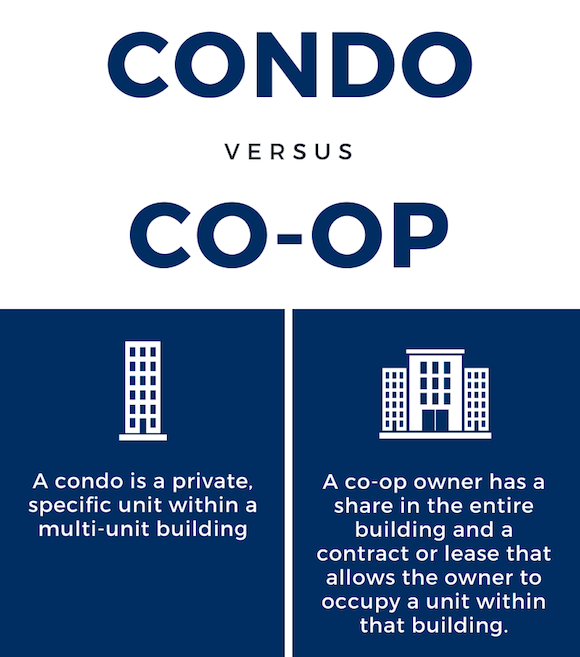
When you buy a condominium, you are purchasing a specific unit within a larger building or complex, along with a fractional, undivided interest in the common areas of the property. This means you own “real property” – the physical space of your apartment, including the walls, floor, and ceiling, from the paint inward. The common areas, such as hallways, lobbies, gyms, and land, are jointly owned by all unit owners as tenants in common. This direct ownership allows for a clear title deed to your unit, much like owning a single-family home. From a financial perspective, this makes a condo an asset that can be mortgaged and sold relatively straightforwardly, subject to market conditions and association rules.
Cooperative: Shareholder in a Corporation
In contrast, when you buy a co-op, you are not directly purchasing real estate. Instead, you are buying shares in a corporation that owns the entire building, land, and all its units. These shares come with a proprietary lease, which grants you the exclusive right to occupy a specific unit. Essentially, you become a shareholder and a tenant of the corporation, rather than an owner of real property. The corporation itself holds the title to the entire property, including all individual units and common spaces. This corporate structure has profound financial implications, particularly regarding financing, transfer of ownership, and the level of scrutiny applied to prospective buyers. Your financial stake is in the corporation, not the individual unit itself, meaning your “ownership” is tied to the performance and stability of the co-op corporation.
Financial Implications and Mortgage Considerations
The ownership structure dictates significant financial differences in how these properties are acquired, maintained, and taxed. These variations are critical for personal finance planning and investment analysis.
Financing a Condo: Traditional Mortgages
Purchasing a condo typically involves securing a conventional mortgage, similar to buying a detached house. Lenders treat the condo unit as real property, making it collateral for the loan. The mortgage process is often more streamlined, as it primarily involves evaluating the buyer’s creditworthiness and the unit’s appraisal value. Most traditional banks and financial institutions offer condo mortgages, and government-backed loans (FHA, VA) are often available for approved condo projects. This broader availability can translate to more competitive interest rates and flexible terms for buyers.
Financing a Coop: Co-op Loans and Approval Processes
Financing a co-op is a distinct process. Since you are buying shares in a corporation, not real property, you cannot get a traditional mortgage. Instead, you secure a “share loan” or a “co-op loan.” Fewer lenders specialize in co-op loans compared to conventional mortgages, potentially leading to fewer options, stricter lending criteria, and sometimes slightly higher interest rates. The co-op corporation itself often has specific requirements regarding the loan-to-value ratio, typically requiring a higher down payment (e.g., 20-50% cash) than a condo. Furthermore, the co-op board must approve the loan and the buyer, adding an additional layer of financial scrutiny beyond the lender’s evaluation.
Common Charges vs. Maintenance Fees
Both co-ops and condos have recurring monthly fees, but what they cover and how they are structured differ.
- Condo Common Charges: These fees cover the cost of maintaining common areas, shared utilities, amenities, building insurance, and contributions to a reserve fund for future repairs. Unit owners are responsible for their individual property taxes, which are assessed separately.
- Co-op Maintenance Fees: These fees are generally higher than condo common charges because they encompass not only the building’s operating expenses, amenities, and reserve fund but also a portion of the building’s underlying mortgage (if applicable) and the property taxes for the entire building. For shareholders, a portion of these maintenance fees may be tax-deductible, as it represents their share of the corporation’s mortgage interest and property taxes. This can be a significant financial advantage.
Property Taxes and Deductibility

The treatment of property taxes also varies considerably:
- Condos: Each condo unit is individually assessed and taxed. The owner receives a separate property tax bill and is directly responsible for paying it. These taxes are typically deductible on personal income taxes.
- Co-ops: The co-op corporation receives a single property tax bill for the entire building. Each shareholder pays their proportional share of this tax as part of their monthly maintenance fee. While the individual shareholder doesn’t directly pay the tax to the municipality, a portion of their maintenance fee often qualifies as a tax deduction on their personal income taxes, similar to how mortgage interest is deductible. The co-op’s accountant provides an annual statement detailing these deductible amounts.
Governance, Rules, and Restrictions
Beyond financial structures, the daily living experience and long-term investment flexibility are heavily influenced by the governing bodies and their rules.
Condo Associations and Bylaws
Condominiums are governed by a homeowners’ association (HOA) or condo board, elected by unit owners. The HOA creates and enforces bylaws and declarations, which outline rules for common area usage, architectural guidelines, pet policies, and maintenance responsibilities. While these rules can impact lifestyle, they generally focus on maintaining property values and communal harmony. Significant decisions often require a majority vote of the unit owners. While condo boards can approve or reject potential buyers based on financial viability, their power to reject is generally less extensive than a co-op board’s, often limited to specific financial metrics or previous defaults.
Coop Boards and Strict Screening
Co-ops are managed by a board of directors, elected by the shareholders. This board wields considerably more power than a typical condo association. Because the board is responsible for maintaining the financial health and character of the entire corporation, they meticulously screen all prospective buyers. This rigorous approval process involves a comprehensive application, financial disclosures (tax returns, bank statements, investment portfolios), interviews, and sometimes even character references. A co-op board has the right to deny an applicant without stating a reason, provided their decision isn’t based on discriminatory grounds. This high level of scrutiny aims to ensure that all shareholders are financially stable and will be good neighbors, protecting the collective investment.
Subletting, Renovations, and Resale Control
The degree of control over your unit and its transfer also differs:
- Condos: Owners generally have more freedom to sublet their units, though the HOA may impose some restrictions, such as minimum lease terms or caps on the percentage of units that can be rented out. Renovations typically require approval for changes affecting the building’s structure or exterior, but interior cosmetic changes are often permitted without extensive review. Selling a condo is usually a straightforward real estate transaction, similar to selling a house.
- Co-ops: Subletting rules are notoriously stricter in co-ops. Many boards limit subletting periods, charge fees, or prohibit it entirely, aiming to maintain an owner-occupied building. Renovations usually require detailed board approval, often with specific contractors and plans, as the corporation owns the entire building structure. When selling co-op shares, the seller still needs board approval for the new buyer, meaning the board effectively has veto power over who can purchase the shares and move into the building. This can sometimes prolong the sales process and limit the pool of potential buyers.
Making the Right Financial Decision
Choosing between a co-op and a condo is a significant financial decision that depends on individual circumstances, local market conditions, and investment philosophies.
Geographic Nuances
The prevalence and perceived value of co-ops versus condos can vary significantly by geography. In some major urban markets, particularly New York City, co-ops are historically dominant and often represent a more affordable entry point into ownership due to the more complex financing and board approval. In many other U.S. markets, condos are far more common and represent the primary multi-unit ownership structure. Understanding the local market dynamics is paramount.

Lifestyle and Investment Goals
If you prioritize direct real property ownership, greater autonomy, and a potentially simpler transaction process, a condo might be a better fit. Condos can also be more attractive to investors looking for income properties through renting, given their typically more lenient subletting rules.
Conversely, if you value a strong sense of community, stricter financial vetting of neighbors, potentially lower purchase prices (though higher monthly fees that include taxes), and the potential tax deductions associated with co-op ownership, a co-op could be a compelling option. While co-ops can offer a stable investment, their unique restrictions and approval processes often mean they appeal to a specific buyer profile.
Ultimately, both co-ops and condos represent substantial investments. A thorough understanding of their financial implications, governance structures, and the local real estate market is essential for any discerning buyer. Consulting with a real estate attorney and a financial advisor specializing in these property types can provide invaluable guidance in navigating these complex choices.
aViewFromTheCave is a participant in the Amazon Services LLC Associates Program, an affiliate advertising program designed to provide a means for sites to earn advertising fees by advertising and linking to Amazon.com. Amazon, the Amazon logo, AmazonSupply, and the AmazonSupply logo are trademarks of Amazon.com, Inc. or its affiliates. As an Amazon Associate we earn affiliate commissions from qualifying purchases.