
The simple, seemingly innocuous moniker “Bubba” carries a surprising weight of cultural meaning, far exceeding its origins as an informal Southern term of endearment. For brands and marketers, understanding “Bubba” is not merely an exercise in linguistics but a deep dive into an archetype that has evolved into a potent, albeit complex, brand in itself. This exploration moves beyond personal nicknames to dissect how “Bubba” functions as a personal brand, a corporate identity, and a lens through which specific demographics are understood and targeted. By examining its pervasive presence in pop culture, its adoption by public figures, and its strategic deployment in corporate branding, we uncover the multifaceted implications of this distinctly American phenomenon.
The Etymology and Evolution of “Bubba” as a Brand Archetype
The journey of “Bubba” from a familial term to a recognized cultural brand is a testament to the power of repeated association and media representation. It’s an archetype imbued with specific traits, values, and perceptions that marketers can either leverage or contend with.
From Affectionate Nickname to Cultural Identifier
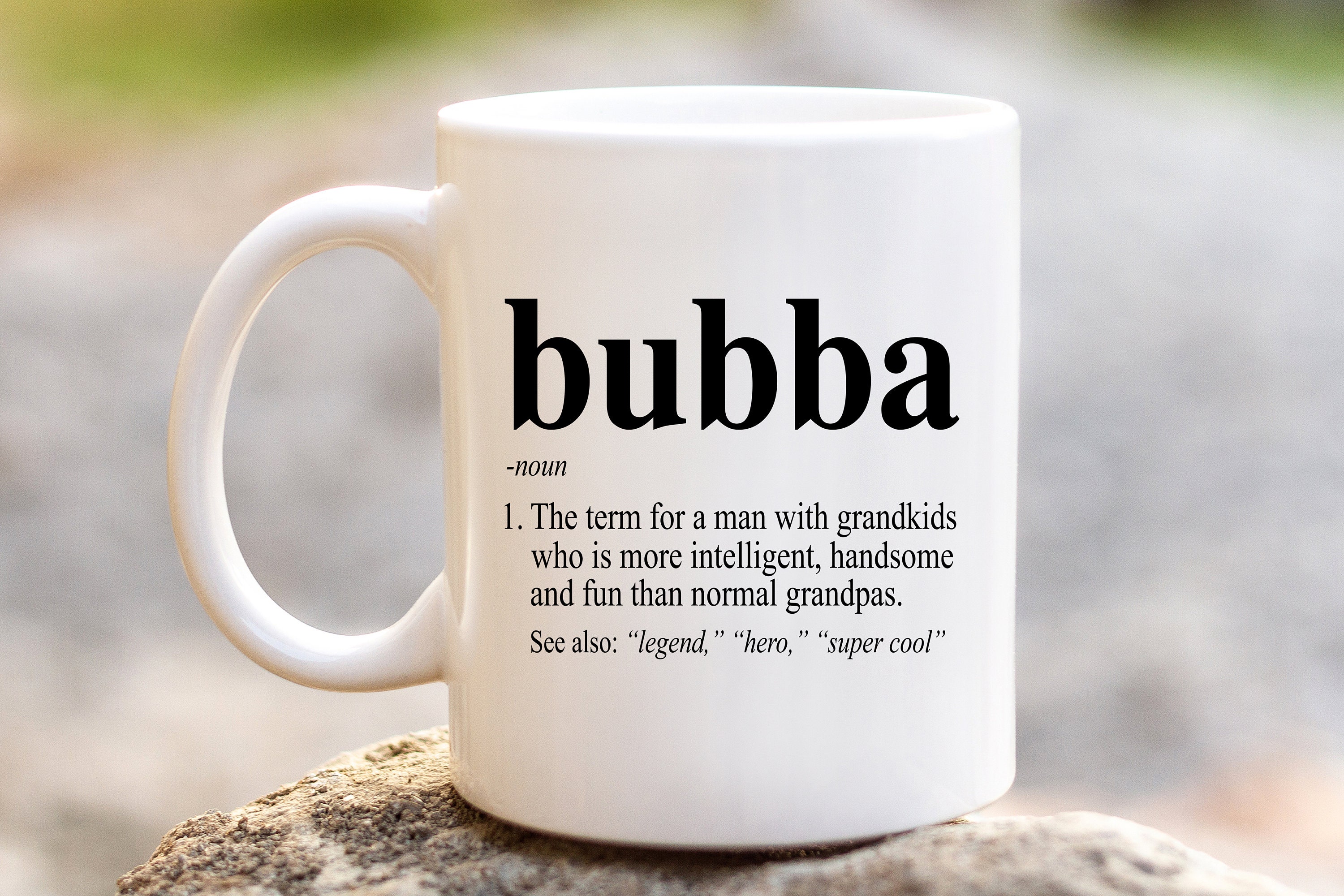
At its core, “Bubba” is a colloquial term of endearment, predominantly originating from the Southern United States. Historically, it served as a familiar term for a brother, a close friend, or simply a man, often conveying a sense of warmth, camaraderie, and down-to-earth simplicity. This initial branding was organic, rooted in community and personal connection. However, as the term spread beyond its regional confines, it began to acquire broader cultural connotations. It started to signify a particular type of individual: often perceived as blue-collar, pragmatic, unpretentious, and deeply rooted in traditional values. This transformation marked its transition from a personal address to a broader cultural identifier—a brand archetype that people could instantly recognize and associate with a cluster of attributes. Understanding this foundational layer is crucial, as it underpins all subsequent adaptations and interpretations of “Bubba” in branding. Its brand equity initially stemmed from authenticity, community ties, and an implied straightforwardness, laying the groundwork for more complex cultural imprints.
The “Bubba” Persona in Media and Pop Culture
The enduring power of the “Bubba” brand archetype has been significantly amplified and solidified through its pervasive presence in media and popular culture. From literature to film, television, and music, the “Bubba” persona has been both celebrated and satirized, shaping public perception and lending the term a distinct brand identity. Characters like Bubba Blue in “Forrest Gump” cemented an image of loyalty, simplicity, and a strong work ethic, albeit sometimes with tragic undertones. Simultaneously, other portrayals might lean into stereotypes of boisterousness, anti-intellectualism, or a certain rustic charm. This constant portrayal in various media has created a rich, often contradictory, brand narrative for “Bubba.” It’s a brand that evokes immediate imagery and a set of expectations, regardless of the individual wearing the name. For marketers, this means that the “Bubba” brand comes pre-loaded with a complex emotional and cognitive framework, requiring careful navigation to either align with, subvert, or redefine these established perceptions when incorporating the term into any branding strategy. The consistent storytelling across platforms has solidified “Bubba” as a cultural shortcut, a brand that signifies more than just a name.
Personal Branding: Iconic “Bubbas” and Their Market Impact
Beyond the generic archetype, specific individuals have adopted or been identified by the “Bubba” moniker, transforming it into a distinctive personal brand with significant market resonance. These figures illustrate the dynamic interplay between an individual’s identity and a culturally loaded name.
Athletes and Entertainers: Leveraging the “Bubba” Name
Many prominent figures in sports and entertainment have embraced or become known by “Bubba,” turning it into a core component of their personal brand. For instance, professional golfer Bubba Watson has built a highly successful brand around his unique style, powerful left-handed swing, and a down-to-earth, relatable persona that aligns well with some of the positive connotations of the “Bubba” archetype. He represents a “Bubba” who has achieved world-class success without shedding his authentic, somewhat unconventional roots. Similarly, musicians like Bubba Sparxxx have used the name to signify a connection to Southern culture and a particular musical genre, creating an authentic brand identity that resonates with their target audience. Even characters in professional wrestling, like Bubba Ray Dudley, leveraged the name to project a tough, no-nonsense, yet often fan-favorite persona. In each case, these individuals haven’t just carried the name; they’ve actively crafted a personal brand around it, either by embracing the traditional “Bubba” attributes of authenticity and relatability or by playfully subverting them to create a unique market niche. Their success demonstrates that the “Bubba” brand, when strategically managed, can be a powerful asset for personal differentiation and audience connection.

Authenticity vs. Caricature: Navigating the Brand Perception
The “Bubba” name, when applied to a personal brand, presents a unique challenge and opportunity: the delicate balance between authenticity and falling into caricature. For individuals like Bubba Watson, the name reinforces an authentic, relatable image that resonates with fans. His brand successfully leverages the positive associations of being genuine, hardworking, and humble, without succumbing to negative stereotypes. However, the risk for any “Bubba” in the public eye is the potential for the name to trigger pre-conceived notions or even pejorative stereotypes. A “Bubba” brand must actively manage how it is perceived, ensuring that the personal narrative transcends any simplistic or negative caricatures. This often involves a conscious effort to demonstrate nuance, skill, and complexity that might not immediately be associated with the archetype. Marketers advising personal brands with culturally potent names must guide their clients to highlight their unique qualities, use the name as a foundation for relatability, and consistently communicate a message that reinforces desired brand attributes while subtly challenging outdated or restrictive perceptions. It’s about owning the name, not being defined by its broadest, potentially limiting, interpretation.
Corporate Branding: “Bubba” in Business and Marketing
Beyond individuals, the “Bubba” brand has found its way into corporate identities, where businesses strategically deploy the name to evoke specific feelings, target particular demographics, and cultivate a unique market position.
“Bubba” as a Brand Name: Trust, Nostalgia, or Niche Appeal?
Businesses that adopt “Bubba” as part of their brand name often do so with clear strategic intent, leveraging the cultural connotations to their advantage. For example, “Bubba Gump Shrimp Co.,” a highly successful restaurant chain inspired by the film “Forrest Gump,” skillfully uses “Bubba” to evoke a sense of nostalgia, comfort, and approachable, unpretentious dining. The name immediately communicates a brand ethos rooted in warmth, simplicity, and a certain American, coastal charm. Other businesses might use “Bubba” to signal a dedication to local, handcrafted products, suggesting a brand that is authentic, made with care, and connected to community roots—think of small-batch BBQ sauces, craft beers, or artisanal goods branded with a “Bubba” variant. This strategy taps into the desire for genuine experiences and products that feel less corporate and more personal. The choice of “Bubba” can also be a deliberate play for niche appeal, targeting consumers who identify with the values and lifestyle often associated with the archetype. It’s a branding decision that aims to build trust through perceived familiarity and a shared cultural understanding, creating an immediate emotional connection with a specific segment of the market.
Targeting the “Bubba” Demographic: Marketing to Specific Cultural Segments
Understanding the “Bubba” archetype is not just about naming a business; it’s also crucial for developing effective marketing strategies aimed at specific cultural segments. The “Bubba” demographic, broadly defined, often encompasses consumers who value authenticity, practicality, tradition, and a straightforward approach. Marketing to this segment requires an understanding of their preferences, communication styles, and media consumption habits. Advertising campaigns might emphasize value, durability, ease of use, and local relevance rather than high-tech features or abstract prestige. The messaging would likely be direct, honest, and relatable, often using humor or storytelling that reflects a down-to-earth sensibility. Products and services ranging from outdoor gear and tools to comfort food, vehicles, and even financial services can benefit from a marketing approach that understands and respects the “Bubba” archetype. This doesn’t mean resorting to stereotypes, but rather crafting campaigns that resonate with the core values and aspirations of this demographic, demonstrating genuine understanding and appreciation for their lifestyle and priorities. It’s about building a brand relationship based on shared values and perceived authenticity.
The Strategic Implications: Crafting and Controlling the “Bubba” Narrative
The “Bubba” phenomenon offers valuable insights into the broader challenges and opportunities of brand management, particularly concerning archetypal resonance and the navigation of cultural stereotypes.
Brand Storytelling and Archetypal Resonance
The enduring power of “Bubba” as a brand archetype underscores the critical role of storytelling in modern marketing. Brands, whether personal or corporate, that successfully leverage the “Bubba” narrative often do so by tapping into its archetypal resonance—the “everyman,” the “loyal friend,” the “simple sage.” These archetypes provide a ready-made framework for connection, allowing consumers to project familiar qualities onto the brand. A brand story that embodies the spirit of “Bubba”—whether it’s through a commitment to craftsmanship, a focus on community, or a dedication to straightforward service—can create a powerful, relatable narrative. This form of storytelling helps humanize the brand, making it more accessible and memorable. By aligning with positive archetypal traits, brands can build a strong emotional rapport with their audience, fostering loyalty and advocacy. The “Bubba” brand, in this context, becomes a shorthand for a set of values and an experience that consumers can easily understand and connect with, enriching the brand’s overall narrative and market positioning.

The Double-Edged Sword: Managing Stereotypes and Modern Relevancy
While the “Bubba” brand offers significant advantages in terms of recognition and resonance, it also presents a double-edged sword: the potential to reinforce or inadvertently fall prey to stereotypes. In an increasingly diverse and globally connected market, a brand that leans too heavily on potentially outdated or exclusionary archetypes risks alienating broader audiences. The challenge lies in leveraging the positive, authentic aspects of “Bubba”—such as humility, community, and straightforwardness—while consciously avoiding the negative or limiting caricatures that might also be associated with the term. This requires sophisticated brand management and a commitment to modern relevancy. Brands must evolve their messaging to ensure inclusivity and avoid perpetuating stereotypes, even as they draw upon established cultural touchstones. It’s about celebrating the genuine spirit of an archetype without box-ticking or oversimplification. Ultimately, the successful long-term branding of any “Bubba”-esque entity involves a delicate balance: honoring its authentic roots while demonstrating an awareness of, and adaptation to, contemporary societal values and expectations.
In conclusion, “Bubba” is far more than a simple name; it’s a potent cultural touchstone that has evolved into a complex brand archetype with significant implications for personal and corporate branding alike. From its origins as an affectionate nickname to its solidification through media portrayals and its strategic deployment in market segments, “Bubba” offers a rich case study in how cultural nuances shape perception, influence consumer behavior, and drive brand appeal. For marketers, understanding the intricate layers of the “Bubba” brand — its positive connotations of authenticity, community, and practicality, alongside the potential pitfalls of stereotype — is essential for crafting compelling narratives, targeting demographics effectively, and ultimately, building brands that resonate deeply and genuinely with their intended audiences in an ever-evolving cultural landscape.
aViewFromTheCave is a participant in the Amazon Services LLC Associates Program, an affiliate advertising program designed to provide a means for sites to earn advertising fees by advertising and linking to Amazon.com. Amazon, the Amazon logo, AmazonSupply, and the AmazonSupply logo are trademarks of Amazon.com, Inc. or its affiliates. As an Amazon Associate we earn affiliate commissions from qualifying purchases.