
As the global population ages—a phenomenon often referred to by economists as the “Silver Tsunami”—the financial implications of senior housing have moved from the periphery of family discussions to the center of comprehensive wealth management. For families and investors alike, understanding the distinction between assisted living and memory care is not merely a matter of clinical definitions; it is a critical exercise in financial planning, asset allocation, and long-term liability management.
While both models fall under the umbrella of senior housing, their cost structures, staffing requirements, and capital intensity differ significantly. This article examines the financial nuances between these two care levels, providing a roadmap for navigating the economic complexities of the senior living industry.

Understanding the Economic Value Proposition of Senior Living
Before diving into the specific line items of a balance sheet, it is essential to understand the underlying economic models of these two services. Both represent a shift from private residential living to a managed care environment, but they serve different risk profiles and financial capacities.
Defining Assisted Living as a Lifestyle Investment
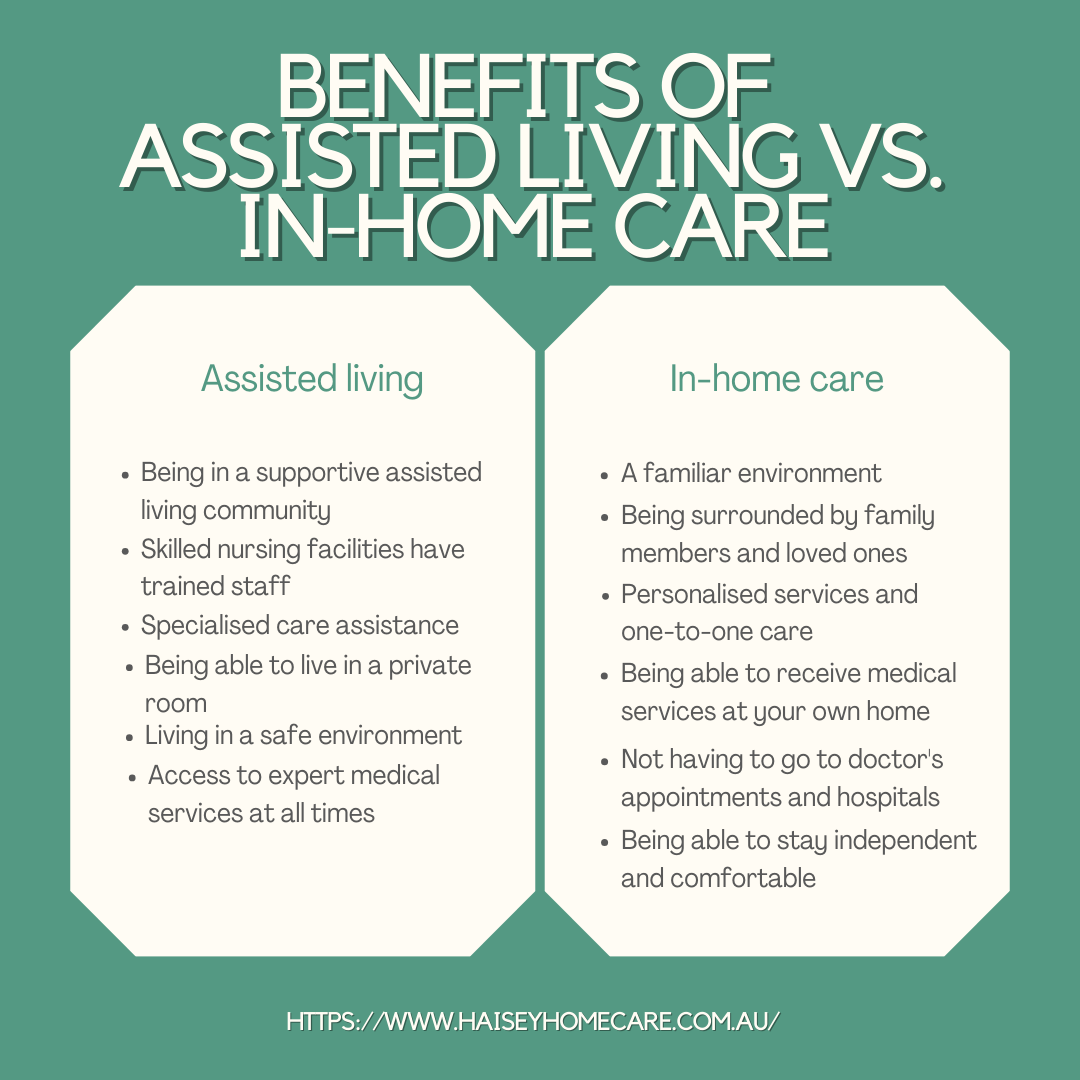
Assisted living is essentially a hybrid of real estate and hospitality with a layer of healthcare support. From a financial perspective, it is often marketed as a way to “outsource” the liabilities of homeownership—such as maintenance, property taxes, and food services—while securing a safety net for activities of daily living (ADLs).
The value proposition here is one of preservation: preserving the individual’s independence for as long as possible while mitigating the financial risks of a sudden health crisis. In an assisted living model, residents typically pay a monthly rental fee that covers housing, utilities, and basic services. Because the level of medical intervention is relatively low, the overhead costs for the provider are manageable, which is reflected in the more accessible price point for the consumer.
Defining Memory Care as a Specialized Healthcare Asset
In contrast, memory care is a high-acuity, specialized service specifically designed for individuals with Alzheimer’s, dementia, or other cognitive impairments. From a business and personal finance standpoint, memory care is a “needs-based” purchase rather than a “lifestyle” choice.
The capital expenditures required to build and maintain a memory care unit are significantly higher. These facilities require specialized architectural designs—such as circular hallways to prevent “sundowning” confusion and high-tech security systems to prevent wandering. Consequently, the entry price for memory care is higher because the consumer is paying for a sophisticated infrastructure and a much higher ratio of staff to residents.
Pricing Structures and Monthly Expense Analysis
The primary difference most families encounter when comparing these options is the bottom line. On average, memory care can cost anywhere from $1,000 to $4,000 more per month than standard assisted living. Understanding the components of this price gap is essential for accurate budgeting.
The Base Rate vs. Tiered Care Models
In assisted living, pricing is often structured as a “Base Rate” plus a “Care Level” fee. The base rate covers the apartment and basic amenities, while the care level is determined by a functional assessment of the resident’s needs (e.g., help with dressing or medication management). This allows for a degree of financial flexibility; if a resident is relatively independent, their monthly spend remains lower.
Memory care, however, frequently utilizes an “All-Inclusive” or “Fixed-Tier” pricing model. Because cognitive decline requires a baseline of 24-hour supervision regardless of physical health, the price floor is much higher. For a family’s financial plan, this means memory care offers less “price elasticity”—the costs are high from day one and are unlikely to decrease.
Why Memory Care Commands a Premium
The “Money” story of memory care is a story of labor. In any service-based business, labor is the largest expense, but in memory care, it is magnified. These facilities must employ staff with specialized training in behavioral management and cognitive therapy. Furthermore, state regulations often mandate higher staffing ratios in memory care units compared to assisted living.
When you pay for memory care, you are essentially paying for a specialized labor force that cannot be scaled down. From an investment perspective, this makes memory care a higher-margin but higher-risk asset class, as any spike in labor costs (as seen in recent inflationary cycles) can significantly impact the facility’s operational viability and the resident’s monthly bill.
Funding Strategies for Long-Term Care Transitions
Transitioning a loved one into a care facility is one of the largest financial transactions a family will ever undertake, often rivaling the cost of a university education or the purchase of a second home. Developing a diversified funding strategy is paramount.
Leveraging Personal Assets and Home Equity
For most Americans, the primary source of funding for assisted living is the sale of the family home. In a “Money” context, this is a liquidation of a primary illiquid asset to fund a high-burn-rate service. Many families utilize “Bridge Loans” to cover the first few months of care while the home is on the market.
Additionally, for those in assisted living, “Retirement Real Estate” strategies are becoming popular—using the proceeds from a downsized home to invest in a diversified portfolio that generates the monthly cash flow needed to cover the facility’s rent. However, because memory care costs are higher, the “burn rate” of these assets is faster, requiring a more aggressive drawdown strategy or a larger initial capital base.
The Role of Long-Term Care Insurance and Veterans Benefits
Long-term care insurance (LTCI) is a critical tool for mitigating the catastrophic costs of memory care. However, many policyholders fail to realize that their policies may have different daily benefit caps for assisted living versus “skilled nursing” or “home care.” It is vital to audit these policies early to ensure the “trigger” for benefits—usually the inability to perform two or more ADLs or a cognitive diagnosis—is met.
For veterans, the “Aid and Attendance” benefit provides a tax-free monthly pension that can significantly offset the costs of both assisted living and memory care. From a financial planning perspective, this is one of the most underutilized “Money” tools available to seniors, often providing upwards of $2,000 per month in additional liquidity.
Tax Implications and Financial Incentives
The high cost of care can be partially mitigated through savvy tax planning. The IRS provides several avenues for families to recoup a portion of their spending through deductions, provided the care meets specific criteria.
Deductibility of Medical Expenses
Under Section 213(d) of the Internal Revenue Code, expenses for “qualified long-term care services” are deductible as medical expenses. In many cases, the entirety of the memory care monthly fee may be deductible if the resident is there primarily for medical care and supervision.
In assisted living, however, the deduction is usually limited only to the “care portion” of the bill, while the “room and board” portion remains a non-deductible personal expense. For a high-net-worth individual or a family supporting a senior, this distinction can result in tens of thousands of dollars in tax savings annually, effectively lowering the “net cost” of memory care relative to assisted living.
State-Specific Financial Assistance and Medicaid
While assisted living is predominantly “private pay,” memory care occupies a unique space in the public finance landscape. Many states offer “Medicaid Waivers” that can help pay for the care portion of a memory care stay once the individual’s assets have been spent down to a certain threshold. Understanding the “look-back” period—the 60-month window during which the IRS and Medicaid track asset transfers—is a crucial part of estate planning for those anticipating a move to memory care.
The Investment Landscape: Senior Housing as a Growth Asset
Beyond the personal finance aspect, the difference between assisted living and memory care is a major topic in the world of institutional investing and Real Estate Investment Trusts (REITs).
Market Demand Drivers in the “Silver Tsunami”
Investors view assisted living as a “consumer choice” asset. In a strong economy, occupancy rises as families feel confident in their home equity. Memory care, however, is viewed as “needs-based” and “recession-resistant.” Regardless of what the S&P 500 is doing, an individual with advanced Alzheimer’s requires professional care. This makes memory care assets highly attractive for institutional portfolios looking for stable, long-term yields.
Risk vs. Reward in Specialized Care Facilities
While memory care offers higher potential returns due to its premium pricing, the operational risks are greater. The regulatory environment is stricter, and the litigation risk associated with falls or wandering is higher than in assisted living. For an investor, choosing between a facility that offers standard assisted living versus one that specializes in memory care involves balancing the desire for high-yield, “recession-proof” income against the increased insurance and labor costs inherent in high-acuity care.

Conclusion: A Strategic Financial Choice
The difference between assisted living and memory care is ultimately a matter of economic scale. Assisted living represents a manageable, lifestyle-oriented expenditure designed to extend independence. Memory care represents a high-intensity healthcare investment designed to manage significant cognitive risk.
For families, the key to a successful transition lies in early financial intervention: auditing insurance policies, understanding tax deductibility, and accurately forecasting the “burn rate” of personal assets. For the business-minded, it is about recognizing the robust demand for specialized care in an aging society. By treating senior care as a strategic financial pillar rather than a last-minute crisis, stakeholders can ensure that the “Golden Years” are supported by a solid financial foundation.
aViewFromTheCave is a participant in the Amazon Services LLC Associates Program, an affiliate advertising program designed to provide a means for sites to earn advertising fees by advertising and linking to Amazon.com. Amazon, the Amazon logo, AmazonSupply, and the AmazonSupply logo are trademarks of Amazon.com, Inc. or its affiliates. As an Amazon Associate we earn affiliate commissions from qualifying purchases.