
In the evolving landscape of digital personal finance, the distinction between various fintech tools can often become blurred, especially when they reside within the same ecosystem. For users of the Apple ecosystem, two terms—Apple Pay and Apple Cash—are frequently used interchangeably, yet they represent fundamentally different components of a modern financial strategy. Understanding the nuance between these two services is not just a matter of technical literacy; it is essential for managing liquidity, optimizing credit card rewards, and ensuring the security of your capital in an increasingly cashless society.
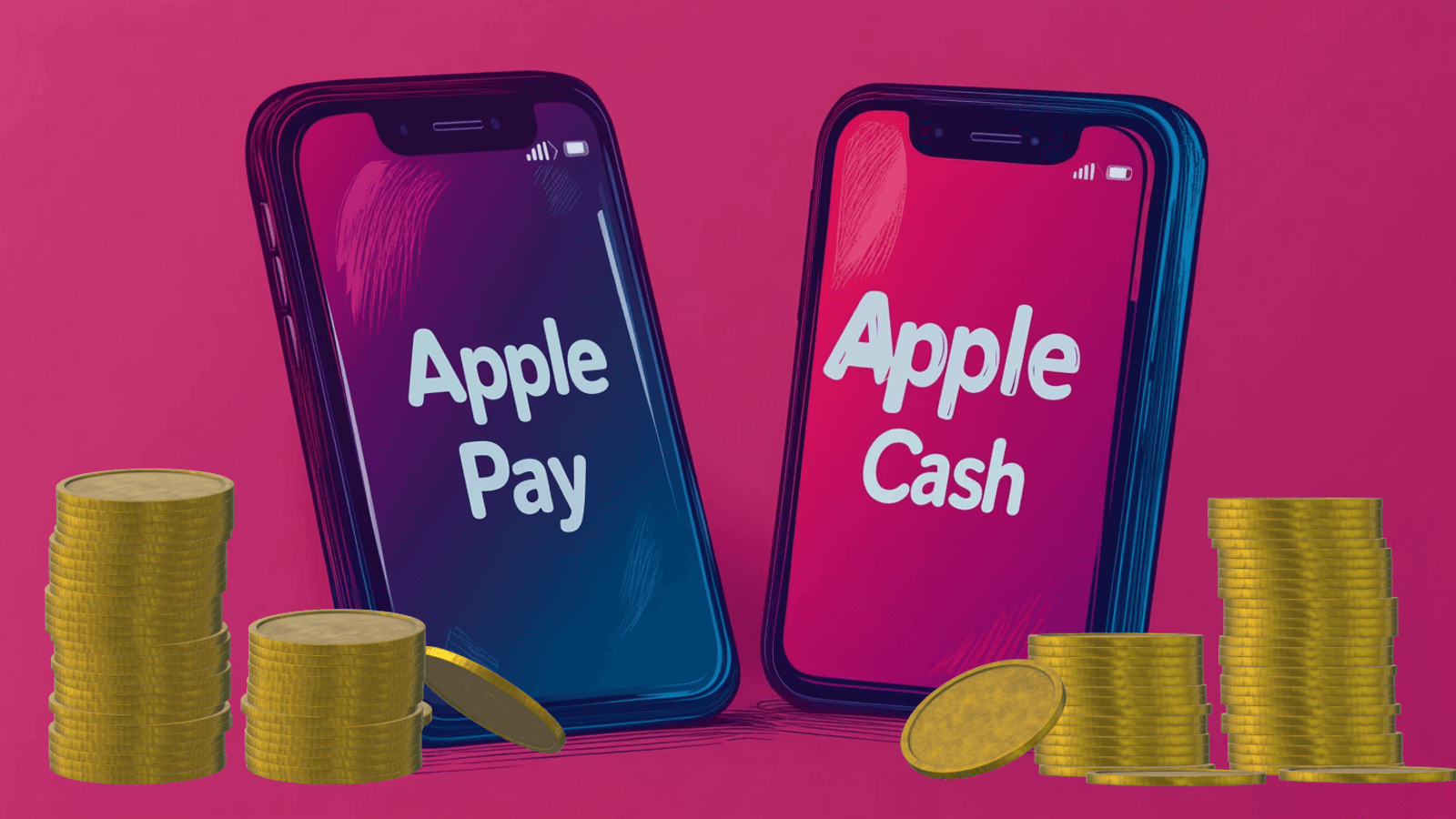
At its core, the difference lies in the distinction between a transaction medium and a stored-value account. Apple Pay is the overarching technology that facilitates secure payments using digitized versions of your existing credit and debit cards. In contrast, Apple Cash is a specific digital card that lives within that framework, functioning much like a prepaid debit card or a peer-to-peer (P2P) payment service. By dissecting these tools through the lens of personal finance, consumers can better navigate their daily spending and long-term financial health.
Apple Pay: The Digital Conduit for Modern Banking
Apple Pay is not a bank account, nor is it a credit card. From a financial perspective, it is a mobile payment and digital wallet service that replaces the physical act of “swiping” or “inserting” a card. It serves as a secure interface between your traditional banking institutions and the merchants you frequent.
The Security of Capital Transmission
One of the most significant financial advantages of Apple Pay is the layer of security it adds to your transactions. When you use a traditional plastic card, your sensitive account numbers are exposed to the merchant’s terminal. Apple Pay utilizes tokenization—a process where a unique Device Account Number is assigned, encrypted, and stored in a dedicated chip. When a transaction occurs, the merchant never receives your actual credit or debit card numbers. In the context of financial risk management, this significantly reduces the likelihood of card skimming and identity theft, protecting your primary lines of credit and liquid cash.
Streamlining Expense Management
For those who track every penny, Apple Pay offers a streamlined way to consolidate spending records. By digitizing multiple cards—from high-yield cashback credit cards to standard checking account debit cards—users can switch between payment methods with a simple double-click. This allows for tactical spending: using a specific card for groceries to maximize rewards points while using another for travel, all without carrying a bulky physical wallet. The integration with banking apps also ensures that real-time notifications are sent for every transaction, a vital habit for maintaining a disciplined budget.
Accessibility and Merchant Adoption
Apple Pay has moved beyond a luxury feature to become a standard in retail finance. It is accepted by millions of merchants globally, including grocery stores, pharmacies, vending machines, and transit systems. For the modern professional, this ubiquity means that liquid capital is always accessible, even in the absence of a physical wallet. Furthermore, its integration into e-commerce sites and apps removes the friction of manual data entry, reducing the “cart abandonment” experience and allowing for more controlled, intentional online purchasing.
Apple Cash: Your Digital Wallet’s Liquid Balance
If Apple Pay is the engine that moves money, Apple Cash is one of the specific “fuel tanks” it can draw from. Apple Cash is a digital card that exists within the Wallet app, developed through a partnership with Green Dot Bank. It serves as a repository for funds that you receive from others or rewards you earn through the Apple ecosystem.
Peer-to-Peer Financial Transfers
The primary utility of Apple Cash for most users is its peer-to-peer (P2P) functionality. Much like Venmo, Zelle, or Cash App, Apple Cash allows users to send and receive money directly through the Messages app. From a personal finance standpoint, this is an efficient way to settle debts, split restaurant bills, or send gifts without the delays associated with traditional wire transfers or the inconvenience of physical cash. Because the money is sent through the secure iMessage framework, it integrates seamlessly into daily communication, making “social finance” nearly effortless.
The Ecosystem of Rewards: Daily Cash
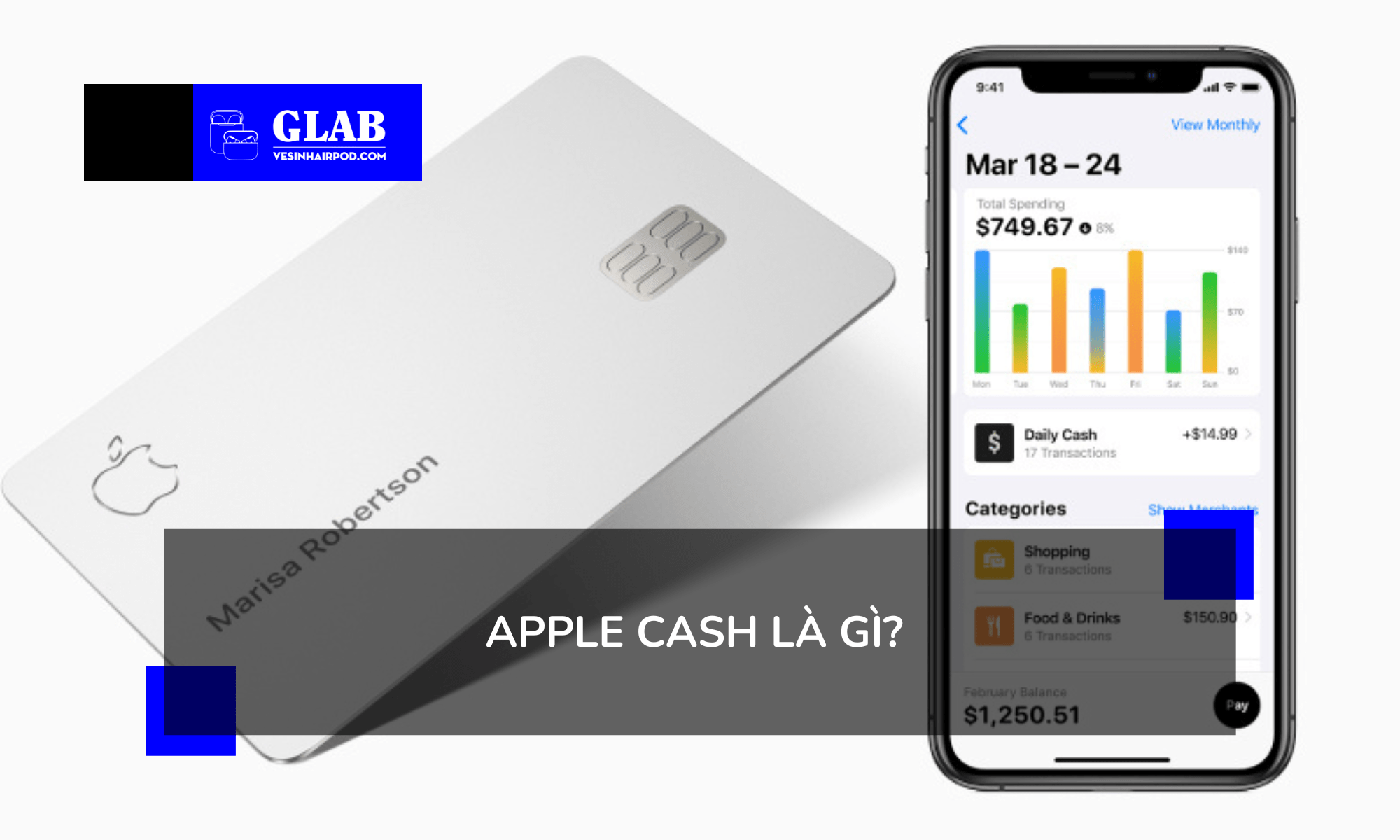
For users of the Apple Card (the brand’s dedicated credit card), Apple Cash serves a strategic financial purpose. Unlike many credit cards that force users to wait for a monthly statement or reach a specific point threshold before redeeming rewards, the Apple Card offers “Daily Cash.” These rewards—ranging from 1% to 3% of the purchase price—are deposited directly into the user’s Apple Cash account every day. This creates an immediate feedback loop of liquidity. This Daily Cash can be used to pay off the Apple Card balance, sent to a friend, or spent at any merchant that accepts Apple Pay, effectively turning your rewards into a liquid asset in real-time.
Managing a Stored-Value Balance
Apple Cash functions similarly to a debit card. You can load funds onto your Apple Cash card from a linked debit card in your Wallet. This can be an effective budgeting tool for those who wish to “envelope” their spending. By transferring a set amount of “fun money” or “discretionary spending” to Apple Cash at the start of the month, a user can ensure they do not overspend, as the card will only allow transactions up to the available balance. It provides a hard ceiling on spending that credit cards often lack.
Strategic Financial Integration: Leveraging Both Tools
The true power of the Apple financial ecosystem is realized when Apple Pay and Apple Cash are used in tandem as part of a broader wealth management strategy. They are not competing services; they are complementary tools designed to handle different aspects of a user’s financial life.
Moving Money: Instant Transfers vs. ACH
A critical consideration for any financial tool is the cost and speed of moving money back into a traditional banking environment. If you receive $500 on Apple Cash, you have two choices for moving it to your bank account. The first is a standard ACH transfer, which is free but typically takes one to three business days. The second is an Instant Transfer to an eligible debit card, which incurs a small percentage fee (currently 1.5% with a minimum and maximum cap). For those focused on maximizing their net worth, planning ahead to use the free ACH transfer is the smarter financial move, whereas the Instant Transfer provides a safety net for urgent liquidity needs.
Integration with High-Yield Savings
In recent years, Apple expanded its financial footprint by offering a High-Yield Savings Account (HYSA) through Goldman Sachs. This added a third layer to the ecosystem. Users can now set their Daily Cash rewards to be deposited directly into the Savings account rather than the Apple Cash card. This transition moves the money from a “spending” vehicle (Apple Cash) to a “wealth-building” vehicle (HYSA). By automating this process, users can engage in “passive saving,” allowing their credit card rewards to earn interest at a competitive rate without any manual intervention.
Privacy as a Financial Asset
In the digital age, data is a form of currency. Traditional credit card companies and third-party P2P apps often monetize user transaction data. Apple’s financial model leans heavily on privacy; they do not sell your transaction history to marketers or data brokers. While this might seem like a technical detail, it is a long-term financial safeguard. Protecting your spending habits and financial behaviors from the “surveillance economy” can prevent targeted advertising that encourages impulsive spending and protects your financial profile from being scrutinized by non-banking entities.
Navigating the Practical Differences
To summarize the distinction for practical daily use, one must look at where the money originates and how it is protected.
Funding Sources and Liability
Apple Pay uses the funds and the credit limits of your linked third-party cards. If you use a Chase Sapphire card via Apple Pay, you are still protected by Chase’s fraud departments and terms of service. Apple Cash, however, uses a balance held by Green Dot Bank. While it is FDIC-insured, the dispute process for P2P transfers is notoriously more complex than a credit card chargeback. Therefore, a sound financial rule of thumb is to use Apple Pay with a credit card for large purchases to ensure maximum consumer protection, while reserving Apple Cash for small P2P transfers and spending rewards.
Global vs. Domestic Use
Another financial nuance is the geographic limitation. Apple Pay is a global standard; you can use your digitized Visa or Mastercard in London, Tokyo, or New York. However, Apple Cash is currently limited to the United States. For international travelers, relying on Apple Cash is not a viable strategy. Instead, one should ensure that the cards loaded into Apple Pay are those with no foreign transaction fees, allowing for seamless global spending without the “hidden tax” of currency conversion surcharges.

Conclusion: The Future of Personal Finance is Integrated
The distinction between Apple Pay and Apple Cash represents the broader shift in personal finance toward integrated, frictionless ecosystems. Apple Pay provides the secure, high-speed infrastructure for spending, while Apple Cash provides the flexible, liquid balance for receiving and distributing funds.
By understanding that Apple Pay is the “how” and Apple Cash is the “what,” consumers can better navigate their digital wallets. Whether you are maximizing your “Daily Cash” rewards to fund a high-yield savings account or using the security features of Apple Pay to protect your primary checking account from fraud, these tools offer a sophisticated level of control over your financial life. As digital currencies and mobile banking continue to converge, the ability to distinguish between a payment gateway and a digital balance will remain a cornerstone of modern financial literacy.
aViewFromTheCave is a participant in the Amazon Services LLC Associates Program, an affiliate advertising program designed to provide a means for sites to earn advertising fees by advertising and linking to Amazon.com. Amazon, the Amazon logo, AmazonSupply, and the AmazonSupply logo are trademarks of Amazon.com, Inc. or its affiliates. As an Amazon Associate we earn affiliate commissions from qualifying purchases.