
In the rapidly evolving landscape of medical technology, the process of drug screening has transitioned from simple chemical reactions to sophisticated digital analysis. When addressing the question of how Suboxone—a combination of buprenorphine and naloxone—appears on a drug screen, it is essential to look through the lens of modern laboratory technology. Toxicology today is as much about data science and high-precision hardware as it is about biochemistry.
For individuals, employers, and healthcare providers, understanding the digital “fingerprint” of Suboxone requires an exploration of the software and hardware platforms that define contemporary forensic and clinical testing. From Immunoassay screening to Liquid Chromatography-Mass Spectrometry (LC-MS), the technology determines not only what is found but how that data is interpreted and secured.

The Science of Detection: Immunoassay vs. LC-MS Technology
To understand how Suboxone is identified, one must first differentiate between the two primary tiers of testing technology used in modern laboratories: the initial screen and the confirmatory test.
Immunoassay: The Rapid Screening Front-End
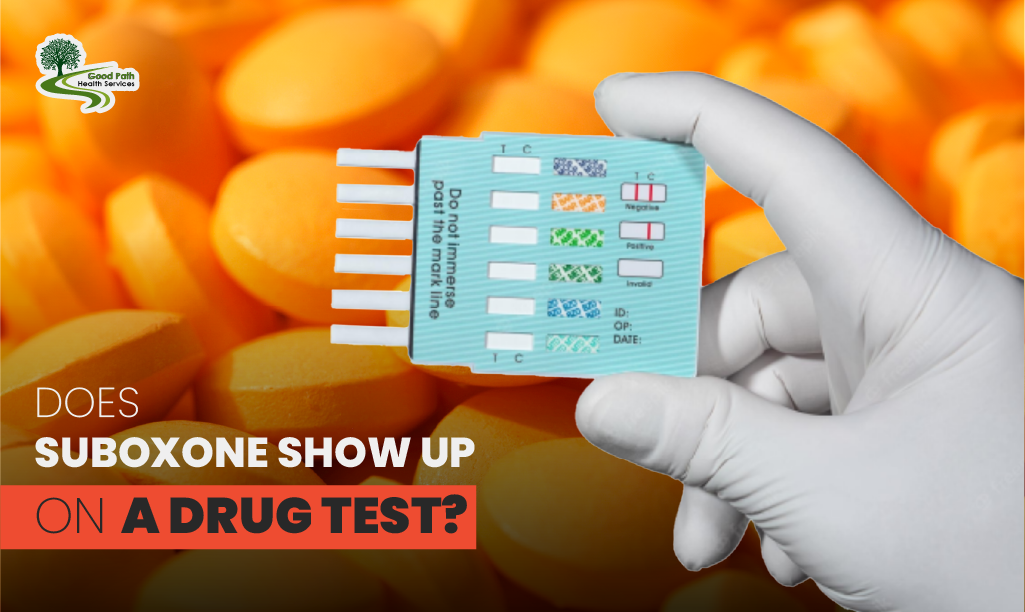
The initial tier of testing usually involves an immunoassay, a biochemical test that measures the presence of a macromolecule through the use of an antibody. In a technical sense, this is a “competitive” binding assay. The testing hardware is designed to look for specific molecular structures.
However, a critical technological nuance exists here: Suboxone (specifically its primary component, buprenorphine) does not typically show up on a standard “5-panel” or “10-panel” drug screen. These older screening protocols were programmed to detect natural opiates derived from morphine or codeine. Because buprenorphine is a semi-synthetic opioid with a distinct molecular geometry, it requires a specific, dedicated reagent to be detected. If the screening software is not calibrated for buprenorphine, the test will return a negative result for opioids, even if the substance is present in the system.
Liquid Chromatography-Mass Spectrometry (LC-MS): The High-Precision Digital Standard
When a sample requires a deeper dive, laboratories utilize Liquid Chromatography-Mass Spectrometry (LC-MS). This represents the pinnacle of current toxicology technology. The process begins by separating the chemical components of a sample using a liquid chromatograph. Once separated, the mass spectrometer ionizes the compounds and measures their mass-to-charge ratio.
The “output” of this process is a digital chromatogram—a series of peaks that represent different molecules. Laboratory software compares these peaks against a digital library of known substances. For Suboxone, the software looks for the specific mass signatures of buprenorphine and its primary metabolite, norbuprenorphine. This technology is so precise that it can differentiate between substances that are chemically similar, virtually eliminating the “false positives” that plague lower-tech screening methods.
The Digital Signature of Buprenorphine and Naloxone
Every substance introduced into the human body is processed into metabolites, which serve as the “digital exhaust” of biological activity. In the context of Suboxone, the technology focuses on detecting these specific markers to verify not just presence, but compliance and timing.
Metabolite Tracking and Data Points
Modern toxicology software does not just look for “Suboxone.” Instead, it tracks the ratio of buprenorphine to norbuprenorphine. Norbuprenorphine is the metabolite produced after the liver processes the drug.
By analyzing the digital ratio of these two data points, forensic software can help clinicians determine if the drug was recently ingested or if a patient is maintaining a steady-state therapeutic level. If the hardware detects high levels of buprenorphine but zero norbuprenorphine, the “logic” of the system may flag the sample as “spiked”—meaning the medication was added directly to the urine sample to feign compliance. This level of algorithmic scrutiny is a hallmark of modern laboratory information systems.
Why Standard Panels Miss the Target
From a technical architecture standpoint, many workplace drug screens are “legacy systems.” They are cost-optimized to detect the most common illicit substances (THC, Cocaine, Amphetamines, PCP, and Opiates). Because buprenorphine requires a specialized enzyme-linked immunosorbent assay (ELISA) or a specific LC-MS channel, it remains “invisible” to these legacy architectures. For Suboxone to show up, the requester must specifically toggle the “Buprenorphine” module within the laboratory’s ordering software.

Laboratory Information Management Systems (LIMS) and Result Interpretation
Once the hardware has analyzed the sample, the data is moved into a Laboratory Information Management System (LIMS). This software suite is the brain of the modern lab, responsible for managing the “Chain of Custody” and integrating results into a readable format.
Automated Reporting and False Positives
One of the most significant advancements in LIMS technology is the automation of result interpretation. In the past, a toxicologist would manually review every graph. Today, sophisticated algorithms handle the heavy lifting. The software is programmed with “cutoff levels”—specific concentrations below which a result is considered negative.
For Suboxone, the cutoff level is a critical configuration. If the software is set to a high sensitivity, it might detect trace amounts of buprenorphine days after the last dose. Conversely, if the cutoff is set higher (to avoid legal complications), the “digital window” for detection narrows. The interplay between software sensitivity and legal policy is a major area of focus for digital security and compliance officers in the healthcare sector.
Integration with Electronic Health Records (EHR)
The final stage of the digital journey is the transmission of data to an Electronic Health Record (EHR). Through standardized protocols like HL7 (Health Level Seven), lab results are instantly uploaded to a patient’s digital profile. This connectivity allows for real-time monitoring. For instance, if a patient is prescribed Suboxone as part of a Medication-Assisted Treatment (MAT) program, the EHR can use automated triggers to alert a physician if a drug screen returns a result that is inconsistent with the prescribed dosage.
The Future of Digital Screening: AI and Predictive Toxicology
As we look toward the future, the integration of Artificial Intelligence (AI) and Machine Learning (ML) is set to revolutionize how Suboxone and other substances are monitored.
AI in Pattern Recognition
Artificial Intelligence is currently being trained to identify patterns in toxicology data that are invisible to the human eye. By analyzing thousands of LC-MS data sets, AI can identify “emerging analogues”—newly synthesized drugs that attempt to bypass standard detection. In the case of Suboxone, AI-driven tools can help distinguish between legitimate therapeutic use and potential misuse by analyzing the “metabolic noise” of a patient’s entire chemical profile.
Cloud-Based Toxicology Databases
The transition to cloud-based data storage allows for the creation of massive, anonymized datasets. These databases enable researchers to see trends in drug metabolism across diverse populations. For tech-forward labs, this means their software is constantly being updated with “definitions” of new chemical markers, much like an antivirus program updates its virus definitions to protect against new threats.
Data Privacy and the Digital Chain of Custody
With the rise of digital drug screening comes an increased need for robust digital security. A drug screen result is a highly sensitive piece of data, and its journey from the lab to the employer or physician must be protected by state-of-the-art encryption.
Cybersecurity in Medical Testing
The “Digital Chain of Custody” ensures that the data associated with a sample has not been tampered with from the moment of collection to the final report. This involves encrypted barcodes, secure data tunnels, and multi-factor authentication for lab personnel. In the event of a legal challenge regarding a Suboxone result, the forensic integrity of the digital trail is often as important as the chemical analysis itself.
The Role of Blockchain
Some innovative tech firms are exploring the use of blockchain technology to create an immutable record of drug test results. This would provide an unalterable history of compliance, which could be particularly useful in high-stakes industries like aviation or heavy machinery operation. By decentralizing the data, the risk of a centralized hack or data manipulation is significantly reduced.
In conclusion, when considering what Suboxone shows up as in a drug screen, it is clear that the answer lies in the intersection of advanced hardware and sophisticated software. It does not “show up” by accident; it is detected through deliberate technological configurations, specialized reagents, and precise mass spectrometry. As technology continues to advance, the “digital visibility” of medications like Suboxone will only become more detailed, providing a clearer, more secure, and more accurate picture of human health and compliance.
aViewFromTheCave is a participant in the Amazon Services LLC Associates Program, an affiliate advertising program designed to provide a means for sites to earn advertising fees by advertising and linking to Amazon.com. Amazon, the Amazon logo, AmazonSupply, and the AmazonSupply logo are trademarks of Amazon.com, Inc. or its affiliates. As an Amazon Associate we earn affiliate commissions from qualifying purchases.