
Understanding the distinctions between angina, heart attack, and stroke is crucial for recognizing potential health emergencies and seeking timely medical attention. While all three conditions involve the cardiovascular system and can have severe consequences, they differ in their underlying causes, symptoms, and immediate management. This article aims to clarify these differences, providing a foundational understanding of each condition.
Understanding Angina: A Warning Sign
Angina, often referred to as angina pectoris, is a type of chest pain or discomfort that occurs when the heart muscle doesn’t get enough oxygen-rich blood. It is not a disease itself, but rather a symptom of an underlying condition, most commonly coronary artery disease (CAD). In CAD, the arteries that supply blood to the heart muscle become narrowed or blocked, usually by plaque buildup (atherosclerosis).
The Mechanism of Angina
When the heart muscle works harder, such as during physical exertion or emotional stress, its demand for oxygen increases. If the coronary arteries are narrowed, they cannot deliver enough oxygen to meet this increased demand. This mismatch between oxygen supply and demand leads to the characteristic chest discomfort of angina.
Types of Angina
Angina is broadly categorized into two main types: stable angina and unstable angina.
Stable Angina
Stable angina is the most common type. It typically occurs predictably during physical activity or emotional stress and is relieved by rest or medication, such as nitroglycerin. The pain is often described as a pressure, squeezing, tightness, or aching in the chest. It may also radiate to the arms, neck, jaw, or back. Stable angina is a warning sign that the heart is not receiving adequate blood flow under stress and indicates a higher risk of a heart attack.
Unstable Angina
Unstable angina is more serious and can occur at rest, is more severe, lasts longer, or is not relieved by rest or medication. It can be a sign of a heart attack that is imminent or has begun. Unstable angina is a medical emergency requiring immediate evaluation and treatment. It often occurs when a plaque in a coronary artery ruptures, leading to the formation of a blood clot that partially or completely blocks blood flow.
Symptoms of Angina
While chest pain is the hallmark symptom, angina can manifest in other ways. These include:
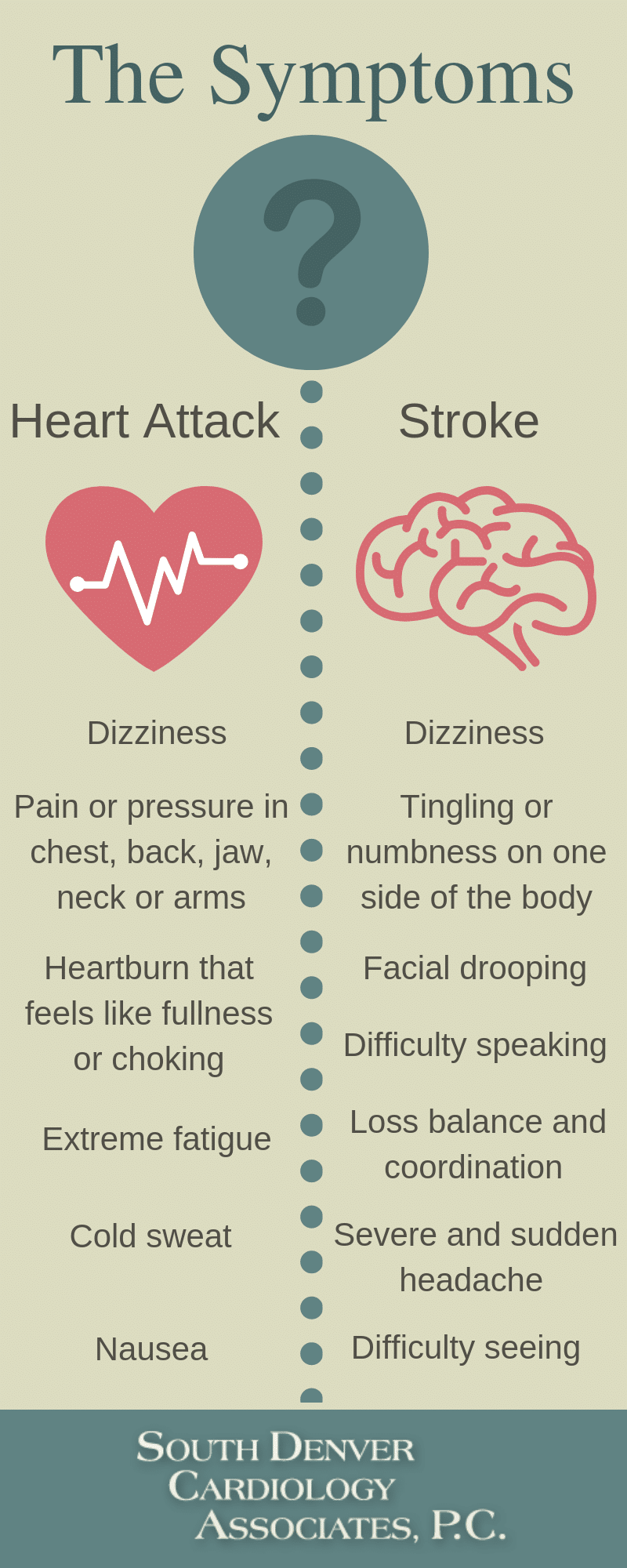
- Chest Discomfort: Described as pressure, squeezing, tightness, heaviness, or burning.
- Radiating Pain: Pain that spreads to the shoulders, arms (often the left), neck, jaw, back, or upper abdomen.
- Shortness of Breath: Difficulty breathing, especially during exertion.
- Nausea or Vomiting: Feeling sick to the stomach.
- Sweating: Breaking out in a cold sweat.
- Fatigue: Unusual tiredness or exhaustion.
- Dizziness: Feeling lightheaded or faint.
It is important to note that women, older adults, and people with diabetes may experience less typical symptoms, such as indigestion, fatigue, or shortness of breath, without prominent chest pain.
The Heart Attack: A Critical Event
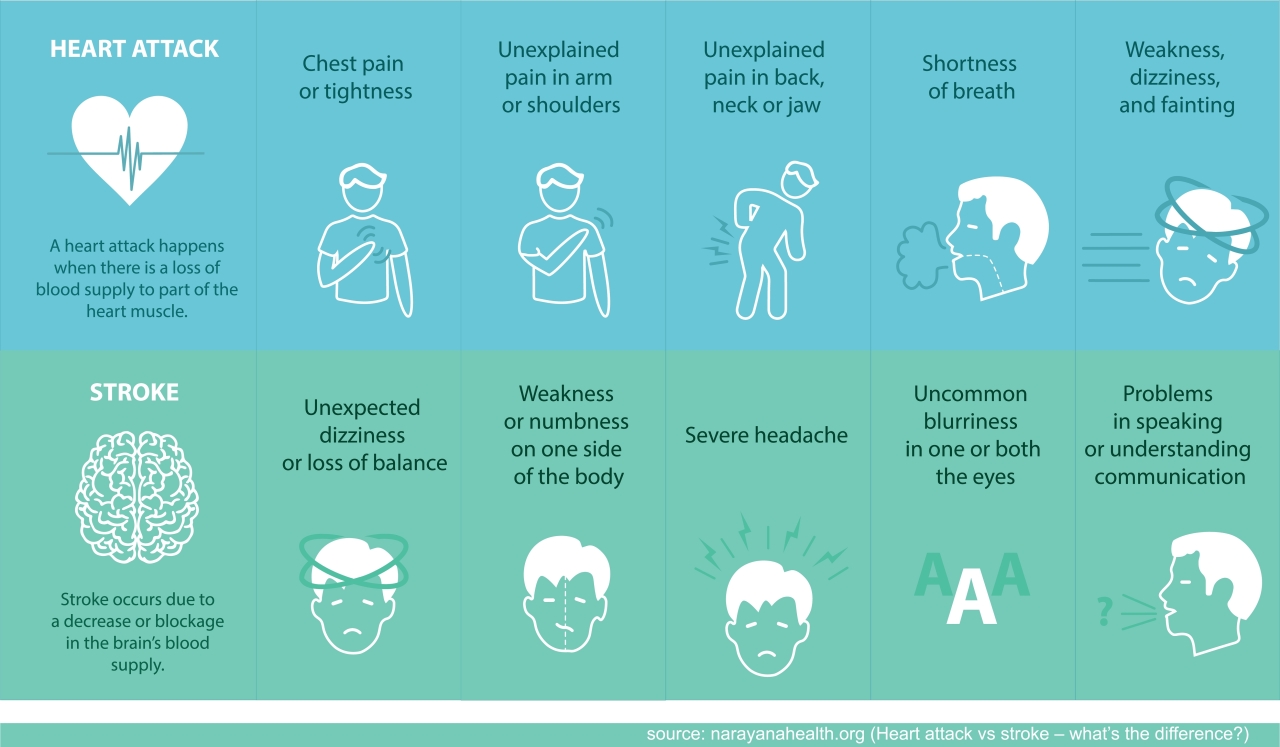
A heart attack, medically known as a myocardial infarction, occurs when blood flow to a part of the heart muscle is severely reduced or completely blocked, causing that section of the heart muscle to die. This blockage is most often caused by a blood clot forming in a coronary artery that has been narrowed by atherosclerosis.
The Pathophysiology of a Heart Attack
The process leading to a heart attack usually begins with the buildup of plaque in the coronary arteries. When a plaque ruptures, the body’s clotting mechanism is triggered, forming a blood clot at the site of the rupture. This clot can grow large enough to completely obstruct blood flow, or it can break off and travel to a narrower part of the artery, causing a blockage there. If blood flow is interrupted for an extended period, the heart muscle cells in the affected area become starved of oxygen and begin to die. The extent of damage depends on the duration and severity of the blockage, as well as the development of collateral circulation (alternative blood pathways).
Recognizing the Symptoms of a Heart Attack
Heart attack symptoms can vary greatly in intensity and presentation. While some individuals experience sudden, severe chest pain, others may have milder symptoms or even no symptoms at all (a silent heart attack). However, common signs include:
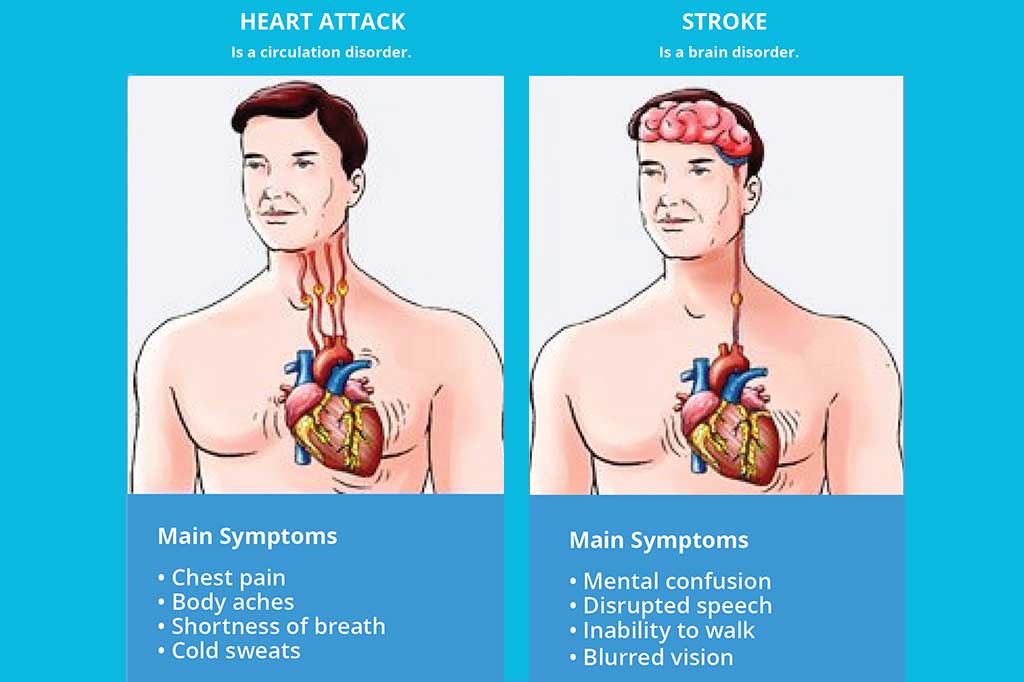
- Intense Chest Pain or Discomfort: Often described as crushing, squeezing, or a feeling of fullness or pressure in the center of the chest. This pain may last for more than a few minutes, or it may go away and come back.
- Pain Radiating to Other Areas: Similar to angina, this pain can spread to the jaw, neck, back, or arms (often both arms).
- Shortness of Breath: This can occur with or without chest discomfort.
- Cold Sweat: Profuse sweating, often accompanied by clammy skin.
- Nausea and Vomiting: Feeling sick to the stomach.
- Lightheadedness or Dizziness: Feeling faint or unsteady.
- Unusual Fatigue: Extreme tiredness that may come on suddenly.
Crucially, if you experience symptoms suggestive of a heart attack, it is vital to call emergency medical services immediately. Prompt medical treatment can significantly limit heart muscle damage and improve the chances of survival and recovery.
Understanding Stroke: A Brain Emergency
A stroke, often called a “brain attack,” occurs when the blood supply to a part of the brain is interrupted or reduced, depriving brain tissue of oxygen and nutrients. Without oxygen, brain cells begin to die within minutes.
Types of Stroke
There are two primary types of stroke:
Ischemic Stroke
This is the most common type of stroke, accounting for about 87% of all cases. Ischemic strokes occur when a blood vessel supplying the brain becomes blocked. This blockage is typically caused by:
- Thrombotic Stroke: A blood clot forms in one of the arteries that supply blood to the brain. This often happens in arteries already narrowed by atherosclerosis.
- Embolic Stroke: A blood clot or other debris forms elsewhere in the body (often in the heart or the large arteries in the chest or neck) and travels through the bloodstream to the brain, where it lodges in a smaller artery and blocks blood flow.
Hemorrhagic Stroke
Hemorrhagic strokes occur when a blood vessel in the brain ruptures, causing bleeding into the brain tissue or the spaces around the brain. This bleeding puts pressure on brain cells and can damage them. The main causes include:
- Intracerebral Hemorrhage: A blood vessel within the brain bursts. High blood pressure is the most common cause.
- Subarachnoid Hemorrhage: A blood vessel on the surface of the brain bursts, spilling blood into the space between the brain and the skull. Aneurysms (weakened, bulging spots on artery walls) or arteriovenous malformations (AVMs – abnormal tangles of blood vessels) are common causes.
Recognizing the Symptoms of Stroke
Stroke symptoms typically appear suddenly and are crucial to identify quickly to ensure prompt medical intervention. The acronym FAST is a helpful tool for remembering the signs of stroke:
- F – Face Drooping: Ask the person to smile. Does one side of their face droop or is it numb?
- A – Arm Weakness: Ask the person to raise both arms. Does one arm drift downward or is it numb?
- S – Speech Difficulty: Ask the person to repeat a simple sentence. Is their speech slurred or strange?
- T – Time to Call 911: If you observe any of these signs, even if they seem to go away, call emergency services immediately.
Other common stroke symptoms include:
- Sudden Numbness or Weakness: In the leg, arm, or face, especially on one side of the body.
- Sudden Confusion: Trouble speaking or understanding speech.
- Sudden Trouble Seeing: In one or both eyes.
- Sudden Trouble Walking: Dizziness, loss of balance, or lack of coordination.
- Sudden Severe Headache: With no known cause.
Like heart attacks, strokes are medical emergencies. The faster a person receives treatment, the better their chances of minimizing brain damage and recovering.
Key Differences and When to Seek Help
While angina, heart attack, and stroke are all serious conditions, their distinctions lie in the affected organ and the immediate consequences.
Angina vs. Heart Attack: A Spectrum of Coronary Artery Disease
The fundamental difference between angina and a heart attack lies in the severity and duration of the blockage in the coronary arteries. Angina is a symptom of reduced blood flow, indicating that the heart muscle is not getting enough oxygen, typically during times of increased demand. The blood flow is reduced, but not completely cut off for a prolonged period. In contrast, a heart attack occurs when there is a complete or near-complete blockage of a coronary artery, leading to irreversible damage to the heart muscle. Angina can be a precursor to a heart attack, highlighting the need for medical evaluation and management to prevent a more severe event.
Heart Attack vs. Stroke: Different Organs, Similar Urgency
The primary distinction between a heart attack and a stroke is the organ affected. A heart attack involves damage to the heart muscle due to a blockage in the coronary arteries. A stroke involves damage to the brain due to a blockage or rupture of blood vessels supplying the brain. While the affected organs differ, the urgency of seeking medical attention is equally paramount for both. Both conditions can lead to permanent disability and death if not treated promptly.
When to Seek Immediate Medical Attention
- Angina: If you experience chest pain or discomfort that is new, worsening, occurring at rest, or not relieved by usual measures, seek immediate medical attention. This is especially true for unstable angina.
- Heart Attack: If you suspect you or someone else is having a heart attack, call emergency services (e.g., 911 or your local equivalent) immediately. Do not drive yourself to the hospital.
- Stroke: If you or someone else experiences any of the FAST symptoms or other sudden neurological changes, call emergency services immediately. Time is critical in stroke treatment.
Understanding these differences empowers individuals to recognize potential emergencies and act swiftly, which can be life-saving. Regular medical check-ups, maintaining a healthy lifestyle, and managing risk factors for cardiovascular disease are essential in preventing these critical conditions.
aViewFromTheCave is a participant in the Amazon Services LLC Associates Program, an affiliate advertising program designed to provide a means for sites to earn advertising fees by advertising and linking to Amazon.com. Amazon, the Amazon logo, AmazonSupply, and the AmazonSupply logo are trademarks of Amazon.com, Inc. or its affiliates. As an Amazon Associate we earn affiliate commissions from qualifying purchases.