
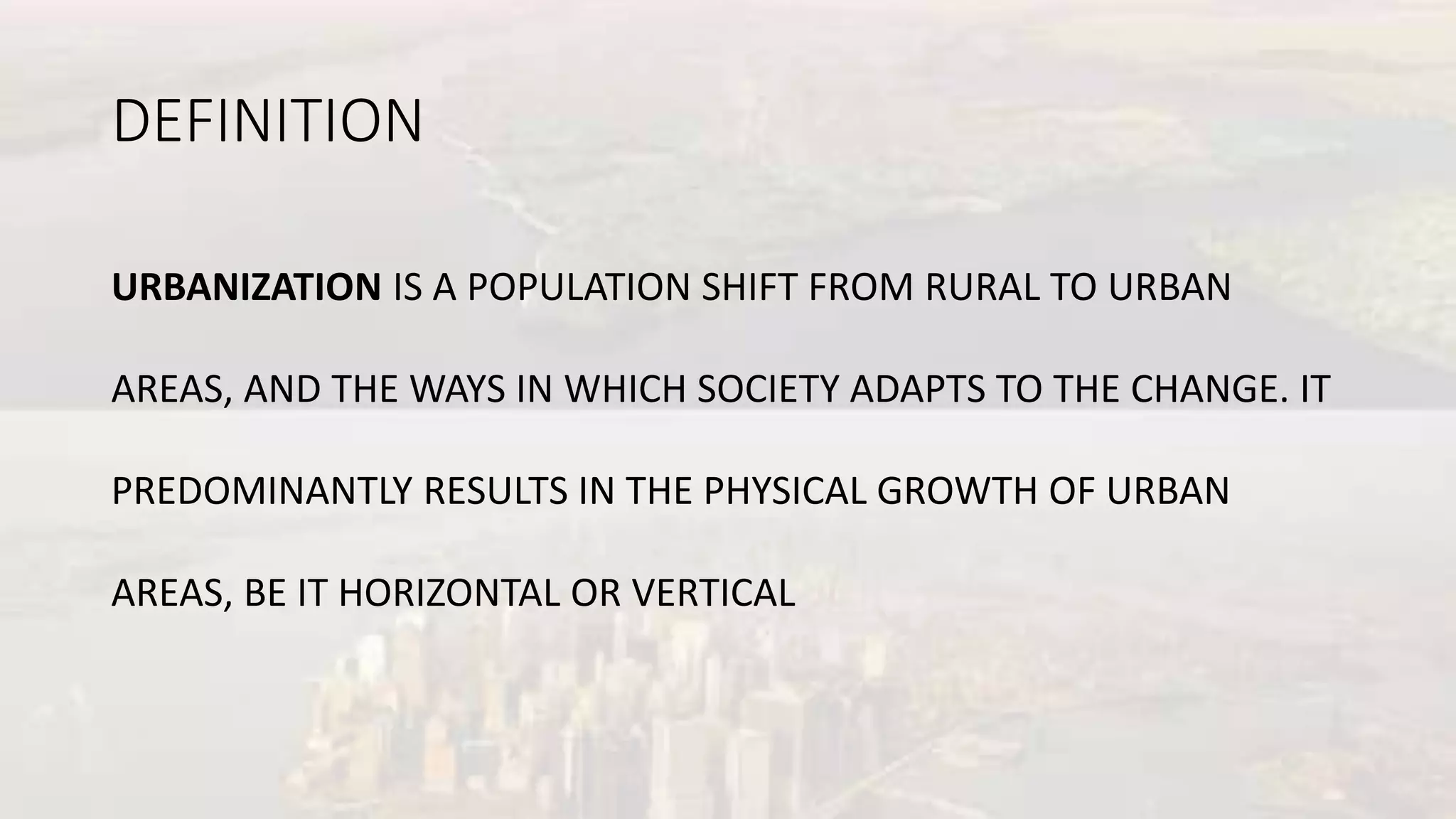
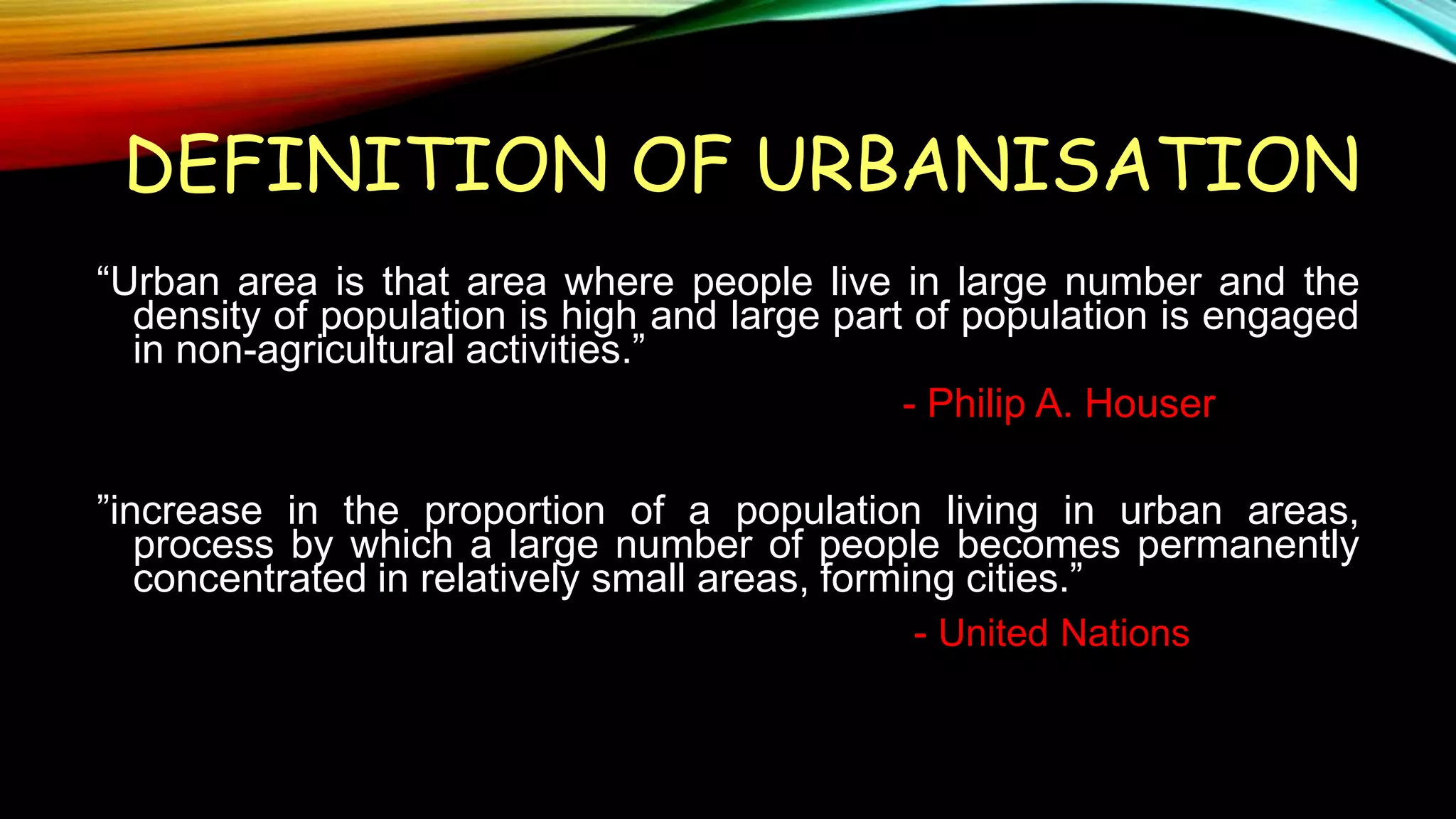
Urbanisation, at its core, refers to the increasing proportion of a population living in urban areas, or cities and towns, as opposed to rural areas. This demographic shift is not merely a geographic relocation; it represents a fundamental transformation in societal structures, economic activities, and financial landscapes. From a financial perspective, understanding urbanisation is crucial because it acts as a powerful engine for economic growth, shapes investment opportunities, dictates business strategies, and significantly impacts personal finance decisions. It’s a multi-faceted phenomenon driven by socio-economic factors and, in turn, drives profound financial consequences across global, national, and individual scales.
The Economic Catalysts and Consequences of Urbanisation
The process of urbanisation is intimately linked with economic development, often serving as both a cause and effect. It is a transition from an agrarian economy to one dominated by industry, manufacturing, and services, creating a dense network of financial flows and opportunities.
Drivers of Urban Migration and Economic Restructuring
The primary impetus for urbanisation is frequently economic opportunity. Rural populations are drawn to cities by the prospect of better employment, higher wages, and a wider array of services. This migration fuels an expanding urban workforce, providing the human capital necessary for industrial expansion and the growth of service sectors. As cities grow, they become centers of innovation, production, and consumption. This shift fundamentally restructures national economies, moving away from primary sector dominance towards secondary and tertiary sectors that offer greater value addition and economic complexity. For investors, this implies a focus shift from land-based assets to industrial facilities, commercial real estate, and service-oriented businesses. Business finance adapts to support new ventures, larger scales of operation, and sophisticated supply chains that are characteristic of urban economies.
The Agglomeration Effect and Productivity Gains
Urban areas benefit from the “agglomeration effect,” where the concentration of people, businesses, and infrastructure leads to increased productivity and efficiency. Proximity to markets, labor pools, and specialized services reduces transaction costs and fosters knowledge spillovers. This creates a fertile ground for businesses, enabling them to achieve economies of scale and scope that are difficult to replicate in dispersed rural settings. From a financial standpoint, this translates into higher corporate profits, increased tax revenues for local governments, and a more robust financial ecosystem with greater access to capital markets, banking services, and financial expertise. The concentration of wealth and financial activity within urban centers often leads to a deeper and more sophisticated financial sector, offering diverse investment vehicles and more competitive lending rates for businesses.
Financial Imperatives: Investing in Urban Infrastructure and Real Estate
The sheer growth of urban populations necessitates massive investments in infrastructure and real estate, presenting both significant financial challenges and lucrative opportunities.
Financing Urban Infrastructure Development
As cities expand, they require colossal investments in public infrastructure: transportation networks (roads, public transit), utilities (water, sanitation, electricity), communication systems, and social amenities (schools, hospitals). These projects are typically long-term, capital-intensive, and often funded through a mix of public finance (taxes, municipal bonds), private sector involvement (Public-Private Partnerships or PPPs), and international development funding. For investors, infrastructure funds and bonds offer stable, long-term returns, often inflation-hedged. Construction companies, engineering firms, and material suppliers see sustained demand, translating into robust business growth and investment opportunities. However, the financial planning for such projects is complex, requiring careful cost-benefit analysis, risk assessment, and efficient capital allocation to ensure sustainability and avoid municipal debt crises.
Real Estate as the Cornerstone of Urban Investment
Urbanisation invariably drives significant demand for real estate, encompassing residential, commercial, and industrial properties. This demand, coupled with often limited land availability, fuels property value appreciation, making real estate a central pillar of wealth creation and investment in urbanized regions. Developers invest heavily in new construction, renovating existing properties, and land acquisition. Real Estate Investment Trusts (REITs) provide a liquid avenue for investors to participate in urban property markets, offering diversification and dividend income. The financial implications extend to mortgage lending, property insurance, and asset management, creating a vibrant ecosystem for financial services providers. However, rapid urbanisation can also lead to speculative bubbles, affordability crises, and the need for robust regulatory frameworks to manage land use, zoning, and housing policy to prevent market distortions and ensure equitable access. Understanding market cycles, demographic trends, and local economic policies is paramount for successful real estate investment in urban environments.
Urbanisation’s Impact on Personal and Business Finance
The process of urbanisation profoundly reshapes both individual financial realities and the operational dynamics of businesses.
Personal Finance in the Urban Landscape
For individuals, migrating to urban areas often means accessing a broader range of employment opportunities and potentially higher wages compared to rural settings. However, this often comes with a significantly higher cost of living, particularly concerning housing, transportation, and services. Urban residents typically allocate a larger portion of their income to rent or mortgage payments, necessitating meticulous personal financial planning, budgeting, and saving strategies. Access to financial services—banks, credit unions, investment advisors—is generally more robust in urban centers, offering greater convenience and a wider array of products. The gig economy and diverse side hustle opportunities are also more prevalent in cities, allowing individuals to supplement their income and diversify revenue streams. Understanding the trade-offs between higher income potential and elevated expenses is critical for individuals navigating urban financial realities.
Business Finance and Market Evolution
For businesses, urbanisation creates dense consumer markets with diverse preferences and purchasing power. This concentration simplifies logistics, reduces marketing costs per customer, and fosters a competitive environment that drives innovation. Business finance in urban settings often involves larger capital expenditures for expansion, more sophisticated inventory management, and greater access to venture capital and private equity for startups. Urban centers are often incubators for new industries and technologies, attracting skilled labor and fostering entrepreneurial ecosystems. Companies must adapt their strategies to cater to urban consumer trends, investing in retail presence, e-commerce infrastructure, and service delivery mechanisms tailored to the urban demographic. The competitive intensity also demands efficient capital allocation, robust financial forecasting, and strategic investment in technology to maintain an edge. Furthermore, the availability of specialized financial services, from corporate lending to complex derivatives, supports the sophisticated needs of urban businesses.
Investing in the Urbanisation Trend: Opportunities and Challenges
As a macro-economic mega-trend, urbanisation presents distinct investment themes that can generate significant long-term returns for astute investors.
Sector-Specific Investment Avenues
Investors seeking to capitalize on urbanisation can focus on specific sectors that are direct beneficiaries of urban growth. These include:
- Real Estate: Residential, commercial, industrial REITs, property development companies, and land banks.
- Infrastructure: Companies involved in construction, engineering, public transit, utilities (water, energy, waste management), and smart city technologies.
- Consumer Staples & Discretionary: Retailers, food and beverage companies, entertainment providers, and e-commerce platforms catering to dense urban populations.
- Financial Services: Banks, insurance companies, fintech startups, and asset management firms that thrive on increased economic activity and demand for financial products.
- Technology: Companies developing solutions for urban challenges, such as smart grid technology, urban mobility solutions, digital payment systems, and data analytics for urban planning.
Investing across these sectors allows for diversification and exposure to various facets of the urban growth narrative.
Emerging Markets and Sustainable Urban Development
The most rapid rates of urbanisation are currently occurring in emerging and frontier markets across Asia and Africa. These regions offer potentially higher growth rates but also come with elevated risks, including political instability, regulatory uncertainty, and currency fluctuations. Investors in these markets must conduct thorough due diligence and consider country-specific financial risks. Moreover, as cities grow, the imperative for sustainable development becomes paramount. This has led to the rise of “green finance” and impact investing, where capital is directed towards projects that promote environmental sustainability, social equity, and economic viability within urban settings. Examples include investments in renewable energy infrastructure, green buildings, efficient public transport, and waste recycling technologies. Such investments not only align with global sustainability goals but can also offer attractive financial returns as governments and urban planners prioritize resilient and eco-friendly urban expansion, further shaping the landscape of financial opportunity.
aViewFromTheCave is a participant in the Amazon Services LLC Associates Program, an affiliate advertising program designed to provide a means for sites to earn advertising fees by advertising and linking to Amazon.com. Amazon, the Amazon logo, AmazonSupply, and the AmazonSupply logo are trademarks of Amazon.com, Inc. or its affiliates. As an Amazon Associate we earn affiliate commissions from qualifying purchases.