
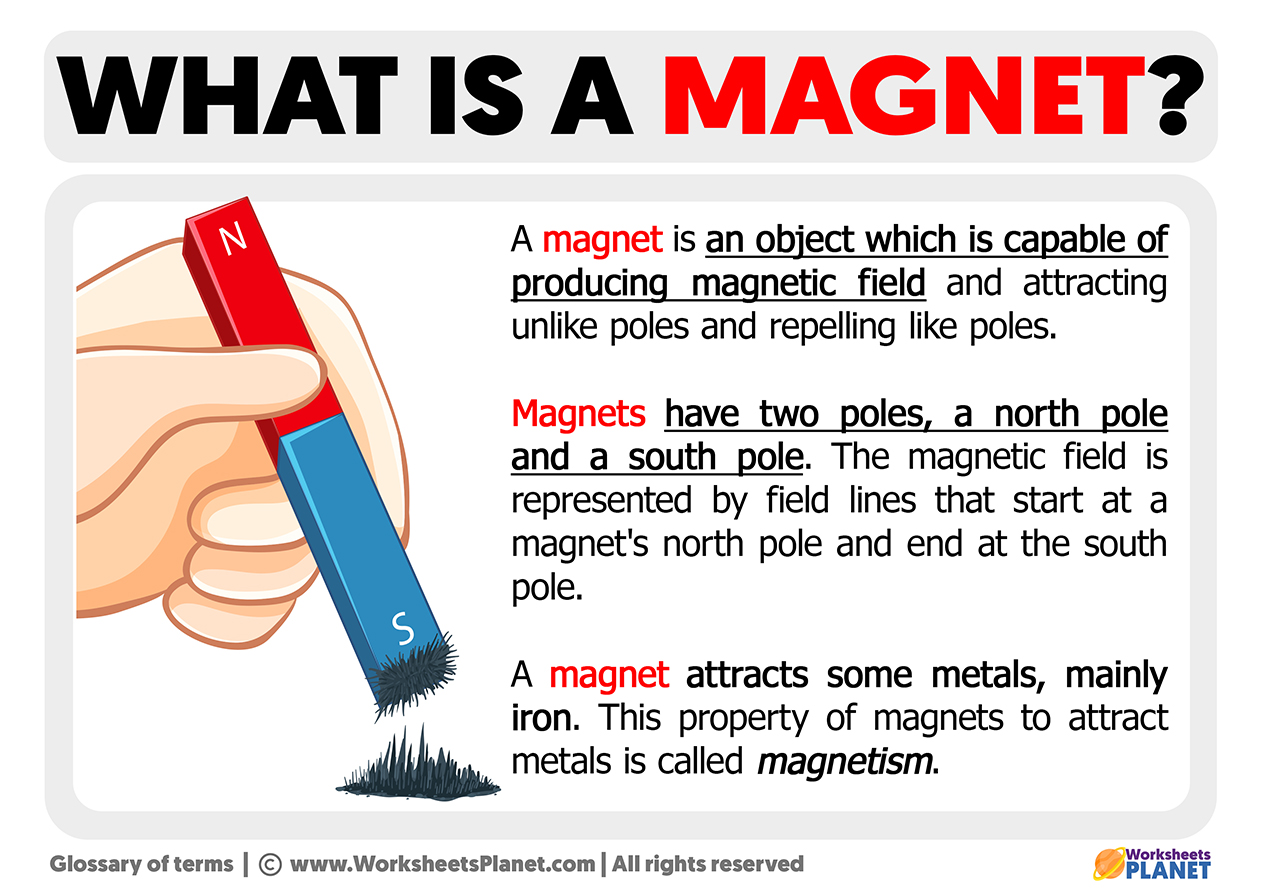
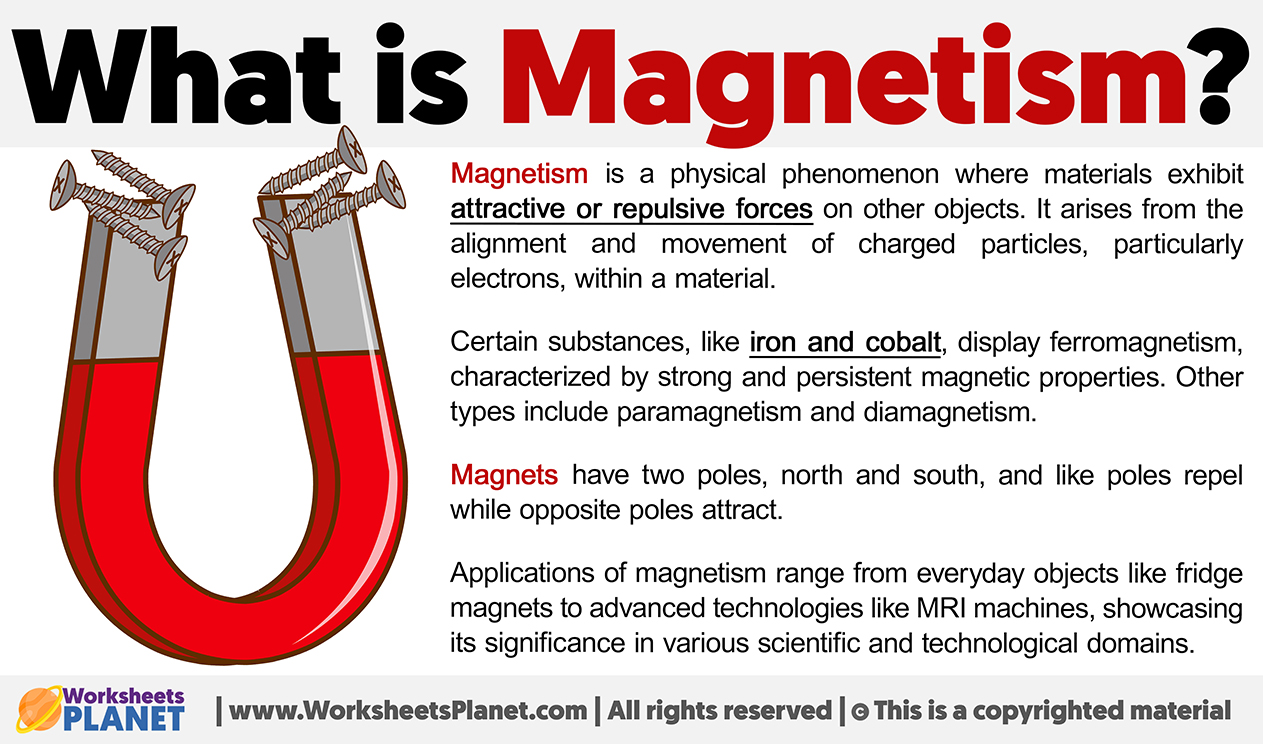
In an era defined by silicon and software, the humble magnet often operates behind the scenes, yet it is an indispensable pillar of modern technology. To truly grasp the workings of everything from the smartphone in your pocket to the servers that power the internet, understanding the fundamental definition of magnets is crucial. A magnet is, at its core, any material or object that produces a magnetic field. This invisible force field exerts a force on other ferromagnetic materials, such as iron, and can attract or repel other magnets. This intrinsic property, magnetism, arises from the fundamental behavior of electrons at the atomic level, creating dipoles that align to generate a cumulative magnetic effect.
The Invisible Engine: Magnetism’s Atomic Foundations
The definition of a magnet begins deep within its atomic structure. Every electron in an atom possesses an intrinsic property called spin, which generates a tiny magnetic moment, effectively making each electron a minuscule magnet. In most materials, these electron spins are randomly oriented, canceling each other out and resulting in no net magnetism. However, in certain materials, notably ferromagnetic ones like iron, nickel, and cobalt, the electron spins within domains (small regions within the material) align spontaneously. When these domains themselves align, often induced by an external magnetic field, the material becomes a magnet, exhibiting a macroscopic magnetic field. This field originates from the flow of electric charge, whether from spinning electrons in permanent magnets or from electric current in electromagnets.
Permanent Magnets vs. Electromagnets: Two Sides of the Tech Coin
Understanding the definition of magnets also necessitates distinguishing between their two primary types, each with distinct applications across technology.
- Permanent Magnets: These materials retain their magnetic properties even after the removal of an external magnetic field. Their domains remain aligned, continuously generating a magnetic field. Examples include the neodymium magnets found in headphones, hard drives, and hybrid car motors. Their reliability and consistent field make them ideal for applications requiring a constant magnetic force without external power.
- Electromagnets: Unlike permanent magnets, electromagnets only produce a magnetic field when an electric current flows through a coil of wire. The strength of this field can be controlled by varying the current, and it ceases entirely when the current is switched off. This on-demand magnetic property is invaluable in technology, from relays and circuit breakers in digital security systems to powerful lifting magnets in industrial settings, and even in the precise control mechanisms of particle accelerators. The ability to switch magnetism on and off, and to precisely control its strength, gives electromagnets immense versatility in complex technological systems.
Magnets as Foundational Components in Modern Tech Gadgets
The definition of a magnet becomes truly relevant when we consider its pervasive role in the gadgets and infrastructure that define our digital lives. Far from being a mere curiosity, magnetism is an active, essential principle underpinning a vast array of technological advancements.
Data Storage: The Magnetic Memory of Our Digital World
Perhaps one of the most significant contributions of magnetism to technology lies in data storage. For decades, hard disk drives (HDDs) have relied on magnetic principles to store vast amounts of digital information. Tiny magnetic domains on a spinning platter are polarized (oriented) to represent binary 0s and 1s. Read/write heads, equipped with minuscule electromagnets, precisely alter these polarities to write data and detect them to read data. While solid-state drives (SSDs) are gaining prominence, magnetic storage continues to evolve. Emerging technologies like Magnetoresistive Random-Access Memory (MRAM) harness magnetic tunnel junctions to offer non-volatile memory with high speed and low power consumption, promising to bridge the gap between RAM and permanent storage in future computing architectures.
Energy Conversion: Powering and Propelling Our Devices
Magnets are fundamental to the conversion of electrical energy into mechanical energy, and vice-versa, making them critical to virtually every motor and generator. Electric motors, from those spinning the cooling fans in your computer to the powerful traction motors in electric vehicles, operate on the principle of electromagnetic induction. Current flowing through coils creates magnetic fields that interact with permanent magnets, producing rotational force. Conversely, generators use mechanical motion to rotate conductors within a magnetic field, inducing an electric current and producing electricity. Beyond traditional motors, wireless charging technology, increasingly common in smartphones and wearables, leverages electromagnetic induction to transfer energy without physical contact, offering unparalleled convenience in device powering.
Sensing and Security: Interacting with the Physical and Digital Worlds
Magnets also serve as crucial components in various sensors that allow devices to perceive and interact with their environment. Hall effect sensors, for instance, detect the presence and strength of magnetic fields, finding applications in everything from detecting wheel speed in anti-lock braking systems to opening and closing laptop lids. In digital security, magnetic reed switches are commonly used in door and window alarms, triggering an alert when a magnet moves away from the sensor. Beyond simple sensing, advanced applications like Magnetic Resonance Imaging (MRI) in medical diagnostics use powerful superconducting electromagnets to generate detailed images of the body’s internal structures, showcasing magnetism’s profound impact on human health and scientific exploration.
Advancing Technology: The Future of Magnetic Applications
The ongoing research and development in magnetism promise even more transformative technologies, pushing the boundaries of what’s possible in computing, transportation, and beyond.
Beyond the Wheel: Magnetic Levitation and Smart Infrastructure
Magnetic levitation (Maglev) trains represent a futuristic application of powerful electromagnets, allowing trains to float above the tracks, eliminating friction and enabling incredible speeds. As infrastructure evolves, understanding the definition of magnets becomes essential for engineers designing these highly efficient, high-speed transport systems. Future smart cities might also incorporate magnetic principles for waste management, automated delivery systems, or even self-repairing materials.
Quantum Computing and Spintronics: The Next Frontier in Processing
At the cutting edge of computing, magnetism plays a pivotal role in the development of quantum computers and spintronics. Quantum computing explores using the quantum-mechanical phenomena of superposition and entanglement, where the spin of electrons (a magnetic property) can represent quantum bits or “qubits.” Spintronics, a field focused on using the intrinsic spin of electrons in addition to their charge, aims to create faster, more energy-efficient electronic devices. This could lead to a revolution in data processing, storage, and communication, pushing the limits far beyond current silicon-based technologies.
Enhancing Digital Security with Magnetic Fields
While often associated with physical security, magnetic fields also have implications for digital security. Researchers are exploring methods to use unique magnetic signatures of devices or materials for authentication. Furthermore, the principles of magnetism are sometimes employed in secure data erasure techniques, where powerful degaussers generate intense magnetic fields to scramble data on magnetic storage media, rendering it unrecoverable and ensuring data privacy and compliance.
Challenges and Innovations in Magnetic Materials
The continued evolution of magnets is driven by the demand for smaller, more powerful, and more efficient technological solutions. Innovations in magnetic materials are critical to achieving these goals.
Miniaturization and Efficiency for Next-Gen Gadgets
The trend towards smaller and more powerful gadgets necessitates the development of magnets that retain high magnetic strength within increasingly compact forms. This drives research into advanced alloys and nanostructured magnetic materials. High-performance permanent magnets, such as those made from rare-earth elements like Neodymium, are crucial for the miniaturization of motors, sensors, and actuators in everything from drones to micro-robotics. Improving the energy efficiency of electromagnets, particularly through superconducting materials, is also a key area of innovation for high-power applications.
Sustainable Magnet Production and Lifecycle
As technology proliferates, the environmental impact of material sourcing, particularly for rare-earth magnets, becomes a growing concern. Innovations in magnet technology also encompass developing more sustainable and environmentally friendly methods for magnet production, recycling, and the exploration of new, abundant materials with comparable magnetic properties. This holistic approach ensures that the definition of magnets in the future includes not just their physical properties, but also their ecological footprint within the broader technological ecosystem.
In conclusion, the definition of magnets transcends a simple scientific principle; it embodies a fundamental force meticulously harnessed to power, process, and protect our technological world. From the intricate circuits of a microchip to the grand scale of global transportation, magnets are not just components but the very engines of innovation, continually shaping the landscape of modern and future technology.
aViewFromTheCave is a participant in the Amazon Services LLC Associates Program, an affiliate advertising program designed to provide a means for sites to earn advertising fees by advertising and linking to Amazon.com. Amazon, the Amazon logo, AmazonSupply, and the AmazonSupply logo are trademarks of Amazon.com, Inc. or its affiliates. As an Amazon Associate we earn affiliate commissions from qualifying purchases.