
Glazing, at its fundamental level, refers to the process of installing glass into frames, openings, or structures. More broadly, it also encompasses the transparent or translucent materials themselves that are used to admit light, provide views, and create an environmental barrier. While historically a simple act of fitting panes of glass, modern glazing has evolved into a highly complex, technologically advanced field, integral to the performance, aesthetics, and sustainability of contemporary architecture and various specialized applications. It’s a discipline now deeply entwined with material science, digital engineering, and smart building technologies, pushing the boundaries of what transparent surfaces can achieve.
The Core Concept of Glazing in Modern Applications
Beyond its basic definition, glazing in the 21st century signifies an intricate system rather than a mere component. It’s a critical interface between interior and exterior environments, mediating light, temperature, sound, and security. The choice and implementation of glazing solutions profoundly impact a structure’s operational efficiency, occupant comfort, and overall architectural expression.
Beyond Basic Panes: Materials and Construction
The “glass” in glazing is no longer monolithic. It encompasses a vast array of materials and compositions:
- Float Glass: The most common type, known for its clarity and flatness.
- Laminated Glass: Layers of glass bonded together with an interlayer (often PVB or SGP), enhancing safety by preventing shattering and providing acoustic benefits.
- Tempered Glass: Heat-treated for increased strength (typically 4-5 times stronger than annealed glass) and safety, as it breaks into small, blunt fragments.
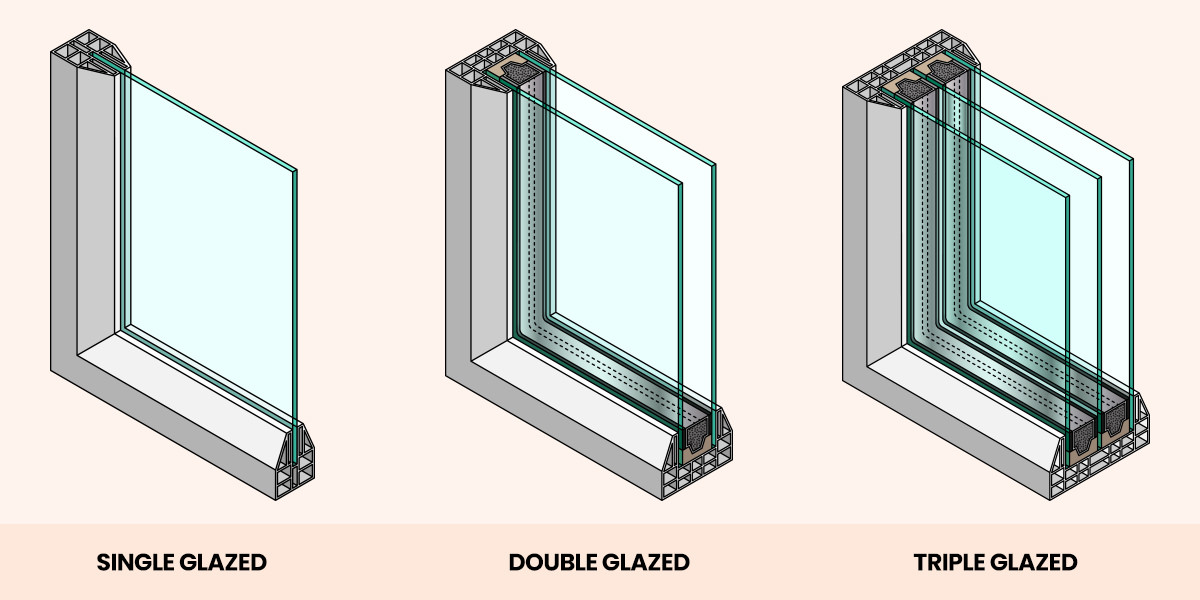
- Insulated Glazing Units (IGUs): Two or more panes of glass separated by a sealed air or gas-filled space, dramatically improving thermal performance. These often feature low-emissivity (low-e) coatings.
- Coated Glass: Applied with thin metallic or metallic oxide layers to modify solar heat gain, light transmission, and glare. These coatings are key to energy efficiency.
- Specialty Glasses: Include fire-rated glass, self-cleaning glass (hydrophilic or photocatalytic), structural glass, and highly specialized composite materials.
The frames and sealants are equally critical. Modern frames utilize materials like aluminum (often thermally broken), uPVC, timber, and composites, each engineered for durability, insulation, and structural integrity. High-performance sealants ensure airtightness and watertightness, vital for energy efficiency and longevity. Structural glazing systems, for example, eliminate visible exterior frames, relying on advanced adhesives and discrete fixings to create seamless glass facades.
The Role of Glazing in Building Performance
Modern glazing systems are engineered to achieve a delicate balance across multiple performance metrics:
- Thermal Performance: Minimizing heat transfer (U-value) and controlling solar heat gain (SHGC) are paramount for energy efficiency, reducing the need for heating and cooling.
- Light Transmission: Optimizing the amount of natural daylight (Visible Light Transmittance – VLT) while mitigating glare to enhance occupant well-being and reduce artificial lighting needs.
- Acoustic Insulation: Reducing noise transmission (Sound Transmission Class – STC) is crucial in urban environments or buildings requiring quiet spaces.
- Security and Safety: Enhancing resistance to forced entry, impact, and blast events, as well as preventing injuries from broken glass.
- UV Protection: Filtering harmful ultraviolet rays to protect interior furnishings and occupants.
- Weather Resistance: Withstanding wind loads, rain, and other environmental stressors over extended periods.
Technological Evolution in Glazing Systems
The true transformation of glazing lies in its continuous technological advancements. From passive energy control to dynamic, intelligent interfaces, technology has redefined what transparent surfaces can do.
Energy Efficiency and Thermal Performance
The drive for sustainable building practices has catalyzed significant innovations in glazing for thermal management:
- Low-Emissivity (Low-E) Coatings: Microscopic metallic layers applied to glass surfaces that reflect infrared radiation (heat) while allowing visible light to pass through. Different low-e coatings are designed for specific climates, either reflecting heat out in warm climates or reflecting heat in during cold ones.
- Argon and Krypton Gas Fills: Replacing the air between panes in IGUs with inert gases like argon or krypton significantly improves thermal insulation due to their lower thermal conductivity.
- Vacuum Insulated Glazing (VIG): An advanced form of IGU where the space between two glass panes is evacuated to a vacuum, offering exceptional thermal performance in a slim profile.
- Dynamic Shading Solutions: Integrated blinds or electrochromic films that adapt to solar conditions, reducing glare and heat gain.
Smart Glass and Dynamic Solutions
One of the most exciting frontiers in glazing technology is “smart glass,” which can alter its properties in response to environmental stimuli or user commands.
- Electrochromic Glass: Changes opacity or tint when an electrical current is applied, allowing for dynamic control over light, glare, and solar heat gain without the need for mechanical shades.
- Photochromic Glass: Reacts to UV light, darkening when exposed to sunlight and returning to clear when light levels drop, similar to transition eyeglasses.
- Thermographic Glass: Changes color or tint based on temperature, primarily used for aesthetic or indicator purposes.
- Suspended Particle Device (SPD) Glass: Uses a film of rod-like particles suspended in a liquid that align when voltage is applied, turning the glass from opaque to clear almost instantly.
- Polymer Dispersed Liquid Crystal (PDLC) Glass (Privacy Glass): Can switch from opaque to transparent with the flick of a switch, ideal for privacy in partitions and meeting rooms.
These dynamic systems are increasingly integrated with building management systems (BMS) for automated control, optimizing comfort and energy use in real-time.

Structural and Aesthetic Innovations
Technological advancements have also pushed the boundaries of structural integrity and aesthetic design.
- Structural Glazing: Uses high-strength silicone sealants or mechanical fasteners (e.g., spider fittings) to support glass panels, creating sleek, frameless appearances.
- Large Format and Curved Glass: Manufacturing techniques now allow for the production of incredibly large and complexly curved glass panels, enabling ambitious architectural forms.
- Integrated Photovoltaic (BIPV) Glazing: Solar cells are embedded within glass panels, allowing facades, skylights, and windows to generate electricity, turning buildings into active power sources.
- Light-Emitting Diode (LED) Glazing: Transparent LED arrays embedded in glass, creating dynamic displays on building facades or interactive internal partitions.
Glazing as an Integral Component of Digital Building Management
In the era of smart buildings and the Internet of Things (IoT), glazing is no longer a static element but an active, intelligent participant in a building’s ecosystem. Its integration with digital control systems is transforming how buildings operate.
Integration with IoT and AI in Smart Buildings
Advanced glazing systems are increasingly connected to a building’s central nervous system, leveraging IoT sensors and artificial intelligence for optimized performance:
- Sensor Integration: Glazing can incorporate sensors that monitor ambient light levels, temperature, occupancy, and even air quality, providing real-time data to the BMS.
- Automated Response: AI algorithms analyze this data to predict environmental conditions and automatically adjust smart glass tint, open/close automated vents, or coordinate with HVAC systems to maintain optimal interior conditions.
- Predictive Optimization: Machine learning can analyze historical data from glazing systems to predict energy demand, identify potential inefficiencies, and fine-tune controls for maximum savings and comfort over time. For example, knowing typical sun paths and occupancy patterns, the system can pre-tint windows before peak solar gain.
- User Personalization: Occupants can often override automated settings via mobile apps or control panels, allowing for personalized comfort zones within a larger automated system.
Predictive Maintenance and Durability
Digital technologies also enhance the longevity and reliability of glazing systems:
- Real-time Monitoring: Sensors can detect subtle changes in sealant integrity, frame movement, or coating degradation, alerting facility managers to potential issues before they become critical.
- Diagnostic Tools: Advanced software can analyze performance data to diagnose problems, identify root causes, and recommend maintenance actions, extending the lifespan of glazing components.
- Drone Inspections: Drones equipped with high-resolution cameras and thermal imaging can rapidly inspect large glazed facades, identifying defects, thermal bridges, or water ingress that would be difficult or dangerous to spot manually. This data is then fed into digital models for analysis and maintenance planning.
Future Trends and the Glazing Horizon
The evolution of glazing is far from complete, with ongoing research and development promising even more revolutionary capabilities. The future points towards increasingly integrated, adaptive, and sustainable solutions.
Sustainable Glazing Technologies
The imperative for environmental stewardship is driving innovation towards truly sustainable glazing:
- Self-Healing Glass: Materials capable of repairing minor cracks and scratches autonomously, extending product life and reducing waste.
- Aerogel Glazing: Incorporating aerogels (highly porous, ultralight materials with exceptional insulating properties) into IGUs for unprecedented thermal performance in slim profiles.
- Biomimicry: Designing glass surfaces that mimic natural structures (e.g., lotus effect for self-cleaning, moth-eye structures for anti-reflection) to improve performance passively.
- Recycled and Bio-Based Materials: Increased use of recycled glass content and development of bio-based polymers for interlayers and sealants to reduce environmental impact.
- Thermochromic Materials: Glazing that dynamically responds to temperature changes, modulating solar heat gain without active power input.
Augmented Reality and Interactive Glazing
The convergence of glazing with digital displays and augmented reality (AR) is creating entirely new possibilities:
- Transparent Displays: Glazing that can act as a fully functional display screen, projecting information, advertisements, or interactive content directly onto a window or facade.
- Augmented Views: Overlaying digital information (e.g., weather data, navigation, building information, tourist guides) onto real-world views through smart glass, offering interactive experiences.
- Privacy-on-Demand with Content: Beyond simple opacity, future glazing might selectively block views from certain angles while displaying information or art to occupants, or even projecting dynamic architectural patterns.

Advanced Manufacturing and Robotic Installation
The fabrication and installation of glazing systems are also undergoing a technological revolution:
- Automated Fabrication: Robotic systems and advanced CNC machinery ensure precision manufacturing of complex glass shapes and frame components, reducing errors and waste.
- Robotic Installation: Large-format glass panels are increasingly installed using specialized robotic cranes and manipulators, improving safety, speed, and accuracy on construction sites.
- Digital Twins: Creating virtual replicas of glazing systems that can be used for simulation, performance analysis, and predictive maintenance throughout the building’s lifecycle, from design to demolition.
In summary, while the basic definition of glazing remains the act of fitting glass, its modern interpretation is a testament to technological advancement. It represents an intricate ecosystem of materials, coatings, smart technologies, and digital integrations that are crucial for creating high-performance, sustainable, and intelligent built environments. The journey from simple windowpanes to dynamic, responsive architectural skins underscores glazing’s critical role in shaping our technological future.
aViewFromTheCave is a participant in the Amazon Services LLC Associates Program, an affiliate advertising program designed to provide a means for sites to earn advertising fees by advertising and linking to Amazon.com. Amazon, the Amazon logo, AmazonSupply, and the AmazonSupply logo are trademarks of Amazon.com, Inc. or its affiliates. As an Amazon Associate we earn affiliate commissions from qualifying purchases.