
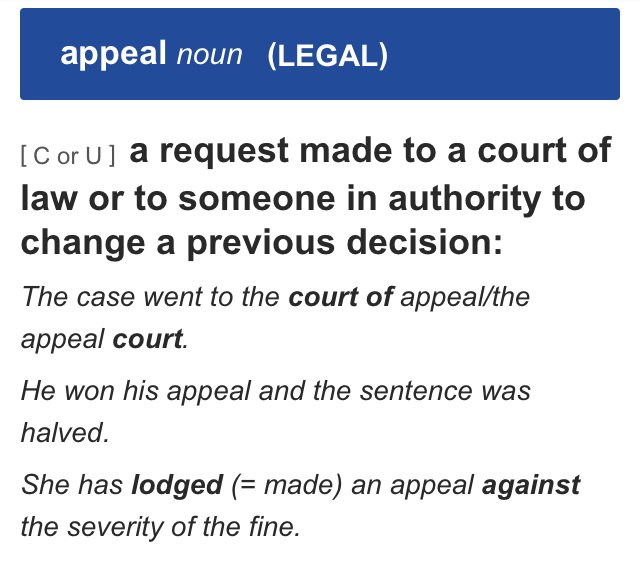
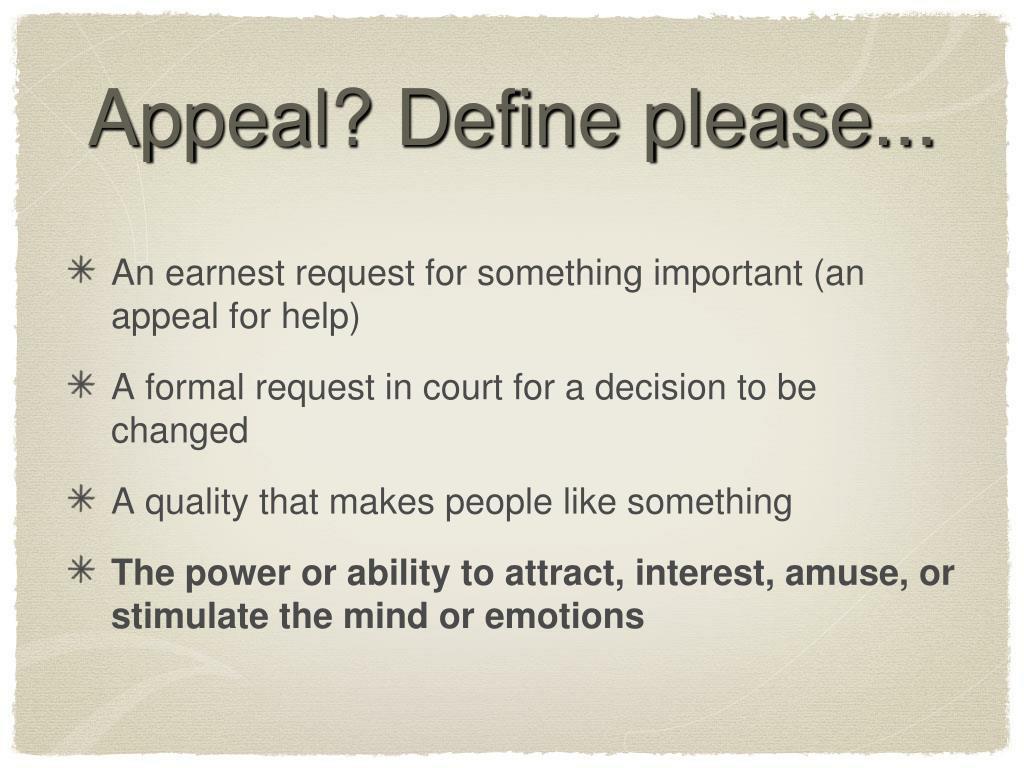
In the dynamic world of brand strategy, marketing, and corporate identity, the concept of “appeal” stands as a foundational pillar. It is not merely a buzzword but the very essence of how a brand connects, resonates, and ultimately thrives within its target market. At its core, appeal is the quality or characteristic that evokes interest, attraction, or approval from an audience. It’s the magnetic force that draws consumers towards one product over another, fosters loyalty to a particular service, or creates an indelible impression of a corporate entity or personal brand. Understanding and deliberately cultivating appeal is not just advantageous; it is an indispensable strategic imperative for any entity seeking to establish a meaningful and lasting presence.
The Core of Connection: Understanding Appeal in Branding
Appeal, in the branding context, extends far beyond superficial attractiveness. It encompasses a complex interplay of perceptions, emotions, and rational evaluations that collectively determine how a brand is received and valued by its audience. It’s about creating a compelling reason for someone to choose, trust, and advocate for what you offer.
Beyond Aesthetics: The Multi-Layered Nature of Appeal
While visual elements like logos, color schemes, and packaging certainly play a significant role in initial attraction, true brand appeal delves much deeper. It’s a multi-layered construct that incorporates:
- Emotional Appeal: This is perhaps the most potent form of appeal, tapping into human feelings, desires, and aspirations. A brand appeals emotionally when it evokes joy, security, belonging, empowerment, or even nostalgia. It’s about how a brand makes its audience feel.
- Functional Appeal: This refers to the practical benefits and problem-solving capabilities of a product or service. A brand with strong functional appeal clearly communicates how it meets a specific need, offers superior performance, or provides tangible value. It’s about what a brand does.
- Social Appeal: Brands can appeal by aligning with social values, trends, or community identities. This can manifest through a brand’s commitment to sustainability, ethical practices, or its association with a desired lifestyle or social group. It’s about what a brand represents to others.
- Rational Appeal: While often overshadowed by emotion, rational appeal is crucial, especially for considered purchases. It involves presenting logical arguments, data, testimonials, or features that demonstrate a brand’s superiority, reliability, or cost-effectiveness. It’s about what a brand proves.
A truly appealing brand often masters a blend of these elements, creating a holistic experience that resonates on multiple levels.
The Psychology Behind Brand Attraction
The human brain is wired to make rapid judgments and seek out connections. Brands that understand fundamental psychological principles can harness them to build stronger appeal:
- Cognitive Fluency: Brands that are easy to understand, process, and remember tend to be more appealing. Simplicity in messaging, clear design, and consistent communication reduce cognitive load, making the brand more approachable and trustworthy.
- Social Proof: People are influenced by the actions and opinions of others. Brands that showcase positive reviews, celebrity endorsements, or a large, engaged community leverage social proof to enhance their appeal and credibility.
- Scarcity and Exclusivity: The perception that something is rare or difficult to obtain can significantly increase its desirability. Limited editions, invitation-only access, or premium services tap into this psychological trigger to boost appeal.
- Anchoring and Framing: How information is presented (framed) and what initial reference points (anchors) are set can profoundly impact perception. A brand might frame its product as a solution to a widespread problem or anchor its value against a higher-priced competitor.
- Narrative Transportation: Humans are storytellers and story-listeners. Brands that weave compelling narratives around their origin, mission, or customer impact create a more immersive and appealing experience than those merely listing features.
By understanding these psychological underpinnings, brand strategists can move beyond guesswork and craft deliberate, impactful approaches to cultivate appeal.
Crafting Irresistible Brands: Elements of Effective Appeal
Creating appeal is an art informed by science. It requires a strategic approach that touches every aspect of a brand’s interaction with its audience.
Emotional Resonance and Storytelling
Emotions are the bedrock of human decision-making, and truly appealing brands excel at tapping into this fundamental truth. Crafting emotional resonance means understanding the deepest desires, fears, and aspirations of your target audience and positioning your brand as a pathway to fulfilling those. This is where storytelling becomes paramount. A brand story isn’t just about its history; it’s about its purpose, its values, its impact, and the journey it invites customers to join. Whether through advertising campaigns that evoke warmth and connection, product designs that inspire joy, or customer service interactions that build trust, the goal is to forge an emotional bond. Brands like Dove, which champions real beauty, or Nike, which inspires athletic achievement, effectively use storytelling to create powerful emotional appeal that transcends their products.
Functional Excellence and Value Proposition
While emotions draw people in, sustained appeal often hinges on delivering tangible value and functional excellence. A brand must not only promise a desirable outcome but consistently deliver on it. This involves:
- Problem Solving: Clearly identifying a customer pain point and offering an effective solution.
- Quality and Reliability: Ensuring products or services consistently meet or exceed expectations for performance and durability.
- Innovation: Continuously evolving to offer improved features, efficiency, or novel solutions that keep the brand relevant and exciting.
- Clear Value Proposition: Articulating precisely what benefits a customer gains and why the brand is the best choice to provide them. This moves beyond mere features to highlight the ultimate advantage or transformation the customer experiences.
Even the most emotionally charged brand will struggle if its core offering falls short functionally. The interplay between emotional connection and reliable performance is critical for enduring appeal.
Visual Identity and Sensory Experience
The initial gateway to appeal is often sensory. Visual identity—logos, typography, color palettes, imagery, and overall aesthetic—creates immediate impressions and communicates brand personality. A well-designed visual identity should be:
- Distinctive: Setting the brand apart from competitors.
- Memorable: Easy to recall and recognize.
- Cohesive: Maintaining a consistent look and feel across all touchpoints.
- Relevant: Aligning with the brand’s industry, values, and target audience.
Beyond visuals, other sensory elements can contribute significantly to appeal. Olfactory branding (signature scents in retail spaces), auditory branding (jingles, sound logos), and tactile experiences (the feel of packaging, the texture of a product) all play a role in creating a rich, multi-sensory brand experience that deepens appeal and memorability.
Measuring and Cultivating Brand Appeal
Appeal is not static; it must be continually monitored, cultivated, and adapted. Brands operate in dynamic environments, and what appeals today may not appeal tomorrow.
Audience Research and Feedback Loops
Understanding what makes a brand appealing begins and ends with its audience. Robust audience research is essential to gauge current appeal and identify areas for improvement. This includes:
- Surveys and Interviews: Directly asking customers about their perceptions, preferences, and what they value in a brand.
- Focus Groups: Facilitating discussions to uncover deeper insights into emotional responses and subconscious motivations.
- Social Listening: Monitoring online conversations, sentiment, and trends related to the brand and its competitors.
- Analytics: Tracking website traffic, engagement rates, conversion data, and customer retention metrics to understand behavioral appeal.
Establishing continuous feedback loops ensures that a brand remains attuned to its audience’s evolving needs and desires, allowing for agile adjustments to its appeal strategy.
Consistency, Authenticity, and Evolution
Sustained appeal is built on a foundation of consistency and authenticity. A brand that consistently delivers on its promises, maintains a coherent voice, and stays true to its core values builds trust and reliability, which are powerful components of appeal. Inconsistency, on the other hand, can erode trust and diminish appeal rapidly.
However, authenticity does not mean stagnation. Brands must also be willing to evolve, adapt to cultural shifts, technological advancements, and changing consumer expectations. This means finding the delicate balance between staying true to the brand’s essence while innovating and refreshing its offerings and messaging to maintain relevance and continue to captivate its audience. A brand that evolves thoughtfully demonstrates foresight and a commitment to meeting future needs, further enhancing its appeal.
The Strategic Imperative of Appeal
Ultimately, understanding and mastering the definition of appeal is not merely an academic exercise; it is a strategic imperative with tangible business outcomes.
Differentiation in a Crowded Market
In today’s hyper-competitive marketplace, product features or price advantages can be fleeting. True differentiation often lies in a brand’s unique appeal. A brand that can articulate and consistently deliver a distinct emotional, functional, or social appeal carves out its own niche, making it harder for competitors to replicate. This differentiation allows brands to command premium pricing, attract a dedicated customer base, and stand out amidst the noise. It transforms a product from a commodity into a preferred choice.
Building Loyalty and Advocacy
Appeal is the precursor to loyalty. When a brand successfully appeals to its audience, it fosters more than just transactions; it builds relationships. Customers who feel a genuine connection and find enduring value in a brand are more likely to return, make repeat purchases, and forgive occasional missteps. Beyond loyalty, strong appeal cultivates brand advocacy. Satisfied and engaged customers become powerful evangelists, sharing their positive experiences and recommending the brand to others. This organic word-of-mouth marketing, driven by genuine appeal, is invaluable and often more effective than any paid advertising.
In conclusion, “appeal” is the lifeblood of any successful brand. It is the sophisticated blend of emotional resonance, functional excellence, compelling narrative, and strategic presentation that captures attention, fosters connection, and drives sustained engagement. By understanding its multi-faceted nature and diligently cultivating its elements, brands can move beyond mere existence to achieve genuine resonance and lasting impact in the hearts and minds of their audience.
aViewFromTheCave is a participant in the Amazon Services LLC Associates Program, an affiliate advertising program designed to provide a means for sites to earn advertising fees by advertising and linking to Amazon.com. Amazon, the Amazon logo, AmazonSupply, and the AmazonSupply logo are trademarks of Amazon.com, Inc. or its affiliates. As an Amazon Associate we earn affiliate commissions from qualifying purchases.