
In the digital era, email remains the backbone of professional and personal communication. Despite the rise of instant messaging platforms and project management tools, the act of “composing an email” serves as the primary gateway for formal correspondence, business negotiation, and collaborative discourse. Understanding what it truly means to compose an email goes beyond simply typing words into a text box; it involves a sophisticated blend of technical proficiency, clarity, professional etiquette, and intentional structure.
The Anatomy of a Well-Composed Email
Composing an email is the process of synthesizing thoughts into a structured format designed for digital transmission. To master this, one must understand the functional architecture of an email client and how each element serves a specific purpose in ensuring the message reaches its destination—and is understood—effectively.

The Recipient Field: To, Cc, and Bcc
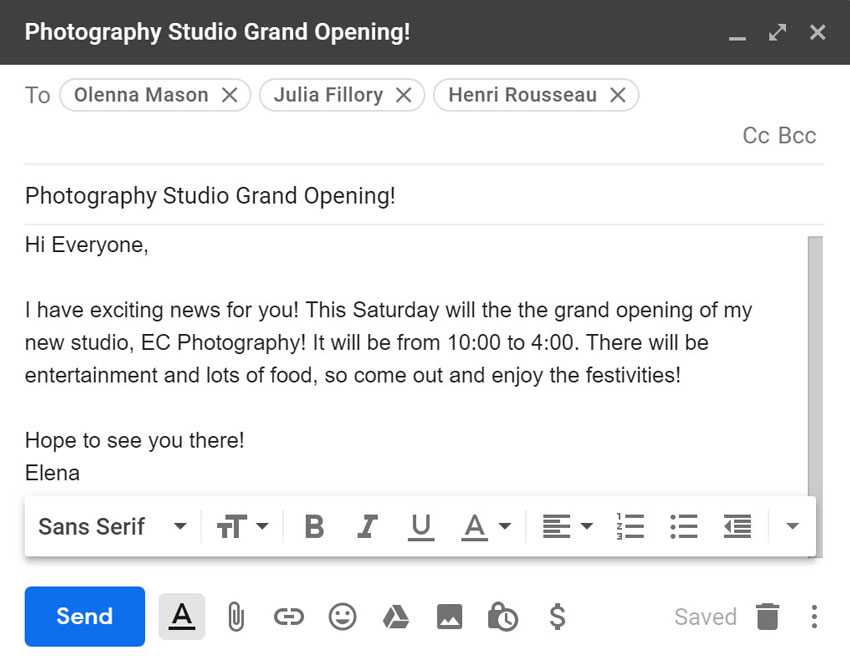
Composing begins with defining the audience. The “To” field is reserved for primary stakeholders who are expected to act or respond. The “Cc” (Carbon Copy) field acts as a transparent notification channel, keeping relevant parties informed without requiring their direct input. The “Bcc” (Blind Carbon Copy) is a tactical tool; it allows for the inclusion of recipients without revealing their identities to others in the thread. Mastery of these fields prevents the common pitfalls of over-communication and privacy breaches.
The Subject Line: The Gateway to Engagement
The subject line is the most critical element of the composition process. It serves as a distillation of the email’s purpose, determining whether the recipient opens the message immediately, schedules it for later, or archives it unread. A well-composed subject line must be concise, descriptive, and actionable. It functions like a newspaper headline; it must provide enough context so the reader understands the urgency or the intent before they even open the email.
The Body and Formatting
The body of the email is where the core message resides. A well-composed email avoids the “wall of text” phenomenon by utilizing paragraph breaks, bullet points, and numbered lists. Digital readability is significantly lower than print readability, meaning that visual white space is a necessity. By breaking complex ideas into manageable segments, the sender respects the reader’s time and cognitive load.
The Technical Pillars of Effective Composition
Beyond structure, composing an email requires a technical understanding of the tools involved. Modern email clients are sophisticated software platforms that offer features designed to optimize communication workflows.
Integrating Attachments and Hyperlinks
Modern composition involves more than plain text. It requires the seamless integration of digital assets. Whether it is a PDF proposal, a cloud-based link to a shared document, or an embedded image, the way these elements are introduced matters. A common mistake is assuming the recipient can access a file without permission settings; a professional compose process always includes verifying link permissions before the “Send” button is clicked.
Leveraging Automation and Templates
For those who compose emails frequently, templates and snippets are vital tools. Composing is often repetitive—answering the same questions or sending the same meeting requests. Utilizing canned responses allows for the standardization of high-quality communication. When you compose using a template, you aren’t just saving time; you are ensuring that your brand voice remains consistent across every interaction.
Digital Security and Privacy
Composing an email carries inherent security responsibilities. Users must be mindful of sensitive information, such as passwords or banking details, which should never be sent via standard email. Furthermore, understanding the difference between “Reply” and “Reply All” is a fundamental technical skill that prevents inadvertent leaks of private information to unintended recipients.
The Art of Professional Tone and Netiquette
While the technical side of email provides the structure, the “tone” is what gives the composition its character. Email lacks the nuances of face-to-face communication—body language, vocal inflection, and facial expressions—making the choice of words paramount to avoiding misunderstandings.
Clarity Over Complexity
The most effective emails are those that can be understood in under thirty seconds. Composing with clarity means identifying the “ask” early in the text. Whether you are requesting feedback, scheduling a meeting, or providing a status update, the objective should be stated in the first two sentences. This technique, often called “bottom-line-up-front” (BLUF), honors the reader’s schedule and ensures that the email’s purpose is never lost in translation.
Maintaining Professionalism in a Digital Space
Professionalism is a spectrum. In a tech-forward startup, a casual, emoji-laden email might be appropriate; in a legal or financial setting, a formal structure is required. However, regardless of the industry, certain rules apply universally. Correct spelling, proper grammar, and appropriate salutations and sign-offs are non-negotiable. These elements indicate respect for the recipient and demonstrate attention to detail, which reflects directly on the sender’s personal brand.
Navigating Conflict and Constructive Criticism
One of the most challenging aspects of composing an email is delivering negative feedback or managing a conflict. Because email is cold and permanent, it is easy to sound harsher than intended. A professional approach to composing in these instances involves cooling-off periods, drafting the email in a separate document to avoid accidental early sending, and focusing on objective facts rather than subjective frustrations. Using “I” statements instead of accusatory “you” statements can drastically change the reception of a difficult message.
Optimizing Email Workflow for Maximum Productivity
The act of composing email is a task that can easily dominate one’s day. To maintain efficiency, one must adopt strategies that turn email into a tool for productivity rather than a barrier to it.
Batching and Time-Boxing
Instead of composing emails intermittently throughout the day, which interrupts deep work, highly effective professionals practice “batching.” This involves setting aside specific blocks of time dedicated solely to clearing the inbox and composing responses. This allows for a singular focus, resulting in higher-quality output and a significant reduction in the time spent switching between tasks.
The “Send Later” Strategy
The “Send Later” or “Schedule Send” feature is an underutilized gem in email composition. It allows users to compose responses at their convenience while ensuring the email arrives in the recipient’s inbox at the optimal time for their engagement. This is particularly useful when working across different time zones or when managing expectations regarding response times.
Inbox Zero and Archiving
Composing is only one half of the lifecycle; the other is management. A well-composed email is one that eventually reaches a resolution, allowing the thread to be archived. Organizing emails into folders or utilizing labels is part of the broader ecosystem of composing. If you can’t find a previous email, you cannot compose a meaningful follow-up. Maintaining a clean digital workspace is the final step in mastering the art of the email.
Conclusion: The Impact of Intentional Composition
Composing an email is a silent performance. Every time you open a compose window, you are choosing how to present yourself and your objectives to the world. It is a fundamental skill that links technology with human psychology. By mastering the structure, the technical tools, the tone, and the management workflows, you transform email from a burdensome chore into a powerful instrument of influence and professional success. Whether you are sending a quick check-in or a complex contract proposal, the care you put into your composition serves as a direct reflection of your professional standards and your capacity to communicate effectively in a digital-first world.
aViewFromTheCave is a participant in the Amazon Services LLC Associates Program, an affiliate advertising program designed to provide a means for sites to earn advertising fees by advertising and linking to Amazon.com. Amazon, the Amazon logo, AmazonSupply, and the AmazonSupply logo are trademarks of Amazon.com, Inc. or its affiliates. As an Amazon Associate we earn affiliate commissions from qualifying purchases.