
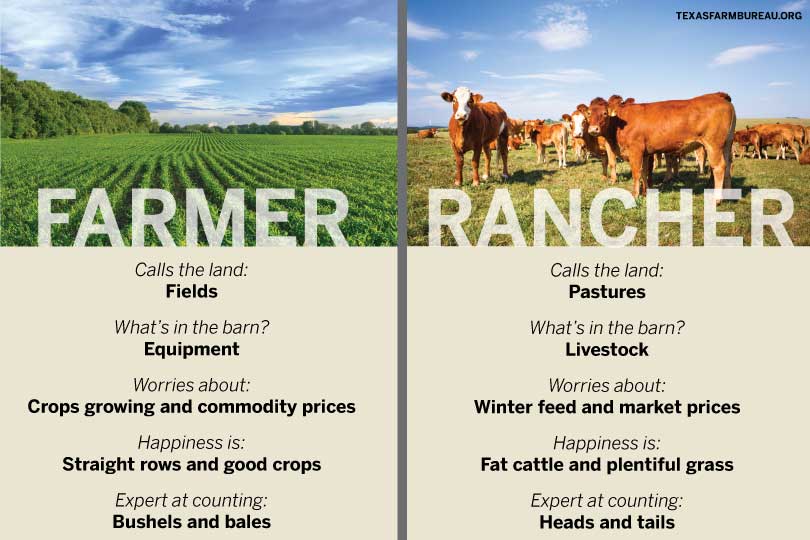
In the lexicon of real estate and land management, the term “ranch” often conjures images of vast open spaces, livestock, and a certain rugged independence. However, from a financial and business perspective, understanding the precise definition of a ranch goes far beyond its romanticized facade. A ranch, fundamentally, is a business enterprise centered on the management of land and natural resources, primarily for agricultural production, livestock raising, or related commercial activities. Its definition is inextricably linked to its economic function, asset valuation, operational costs, and potential for generating revenue or capital appreciation. For investors, entrepreneurs, and financial planners, dissecting the true nature of a ranch means evaluating it as a complex financial instrument and a dynamic business entity.
The Core Financial Identity of a Ranch
At its heart, a ranch represents a significant capital investment, primarily in land and its associated infrastructure. Unlike a typical residential property, a ranch’s value and operational viability are dictated by its capacity for productive output and its inherent resource base. This makes its financial identity distinct and multifaceted, appealing to those seeking tangible assets, agricultural income, or long-term capital growth.
Land as the Primary Capital
The most substantial component of any ranch’s financial valuation is the land itself. This isn’t merely acreage but a productive asset endowed with specific characteristics that dictate its economic potential. Factors such as soil quality, access to water rights, grazing capacity, timber resources, mineral rights, and topographical features directly influence its utility and, consequently, its market value. Investors often scrutinize these elements to assess the land’s intrinsic productive capital and its resilience against environmental and market fluctuations. The acquisition of ranch land is therefore not just a purchase of property, but an investment in a natural capital base with specific income-generating potential, subject to market demand for its outputs and the broader real estate cycle.
Operational Costs and Revenue Streams
A ranch functions as an ongoing business, entailing a unique array of operational costs and potential revenue streams. On the expenditure side, costs typically include livestock feed, veterinary care, pasture management (e.g., fencing, irrigation, pest control), equipment maintenance, labor wages, property taxes, insurance, and utilities. These ongoing expenses are critical for maintaining productivity and must be meticulously managed to ensure profitability. Revenue, conversely, can derive from various sources: direct sales of livestock (cattle, sheep, horses), agricultural crops, timber harvesting, hunting leases, eco-tourism, or even the sale of water rights. The balance between these costs and revenues determines the ranch’s cash flow, an essential metric for financial analysis and business sustainability.
Risk and Return Profile
Investing in a ranch carries a distinct risk and return profile compared to other asset classes. Returns can come from annual operational profits (income generation) and long-term capital appreciation of the land. However, these returns are subject to a unique set of risks, including commodity price volatility (e.g., livestock or crop prices), adverse weather events, disease outbreaks, regulatory changes (e.g., land use or environmental policies), and shifts in regional economic conditions. Savvy investors analyze these risks against potential returns, often seeking diversification within their portfolio or implementing robust risk management strategies like hedging, drought insurance, or sustainable land management practices that enhance ecological resilience.
Diverse Operational Models and Their Economic Impact
The term “ranch” encompasses a broad spectrum of operational models, each with distinct financial characteristics and economic impacts. Understanding these variations is crucial for an accurate financial assessment and strategic investment planning.
Livestock Ranches: Cattle, Sheep, Horses
Historically, livestock ranches, particularly cattle ranches, form the archetypal image. These operations focus on breeding, raising, and selling animals for meat, wool, dairy, or equestrian purposes. Their economic impact is tied directly to commodity markets for livestock, feed costs, and global demand. Financial success hinges on efficient herd management, optimizing grazing land, and navigating market cycles. For example, a cow-calf operation generates income from selling calves, while a stocker operation buys young cattle to fatten and sell at a heavier weight. Each model presents different capital requirements, risk exposures, and profitability timelines.
Crop-Based Ranches and Specialty Agriculture
While often associated with livestock, many ranches also incorporate significant crop production, or specialize entirely in it. This can range from traditional hay and feed crops supporting livestock operations to large-scale cultivation of grains, vegetables, fruits, or even vineyards. Specialty agriculture, such as organic farming or heirloom varieties, can command premium prices, offering higher margins but often requiring more intensive labor or specialized knowledge. The financial viability of these operations is heavily influenced by crop yields, weather patterns, input costs (seeds, fertilizers, pesticides), and access to markets.
Recreational and Dude Ranches: Tourism Income
A growing segment, recreational and dude ranches, leverages the inherent appeal of ranch life for tourism. These enterprises generate revenue through lodging, guided activities (horseback riding, hunting, fishing), dining, and event hosting. The economic model shifts from agricultural production to hospitality and entertainment, requiring different capital expenditures (e.g., guest accommodations, recreational facilities) and a distinct marketing strategy. Profitability here depends on guest occupancy rates, service quality, and effective brand management within the tourism sector.
Conservation Ranches: Ecological Value and Easements
A newer, yet increasingly relevant, operational model focuses on conservation. These ranches prioritize ecological restoration, wildlife habitat preservation, and sustainable land stewardship. While direct agricultural income might be secondary or non-existent, financial value can be derived from conservation easements, carbon credits, government subsidies for environmental programs, or premium pricing for “eco-friendly” products. This model aligns with the growing trend of green finance and impact investing, where environmental returns are as important as financial returns. Understanding the legal and financial instruments of conservation easements is critical for evaluating such a property’s long-term financial structure.
Valuation and Investment: A Ranch as a Tangible Asset
Valuing a ranch is a complex process that goes beyond simple price-per-acre calculations. It requires a holistic assessment of its productive capacity, resource endowments, market conditions, and future potential, positioning it as a distinct and often stable investment class.
Factors Influencing Ranch Value
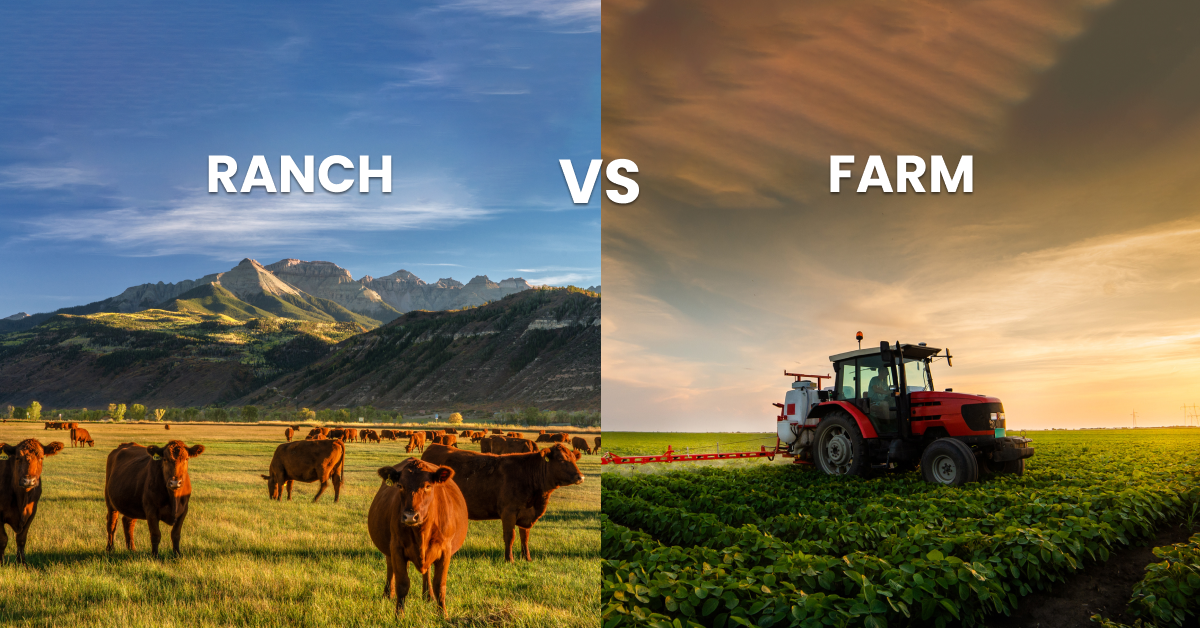
Multiple factors converge to determine a ranch’s market value. Location is paramount, impacting access to markets, infrastructure, and desirability for recreational use. Water rights are often the most critical asset, guaranteeing productivity and holding significant intrinsic value. Existing improvements, such as housing, barns, fences, and irrigation systems, add to the value, provided they are functional and well-maintained. The productive capacity of the land itself – measured in animal units per acre or crop yields – directly translates into income-generating potential. Furthermore, intangible attributes like scenic beauty, wildlife populations, and historical significance can also command a premium, especially in the recreational market.
Investment Horizons and Capital Appreciation
Ranch investments typically cater to a longer investment horizon. While operational income provides annual returns, a significant portion of the total return often comes from long-term capital appreciation of the land itself. As populations grow and developable land becomes scarcer, well-located ranches can see substantial increases in value over decades. This makes them attractive to investors seeking inflation hedges and tangible assets that historically maintain or increase value during economic uncertainty. The ability to subdivide or change land use in the future can also add a speculative element to capital appreciation, though this often entails significant regulatory hurdles and costs.
Income Generation vs. Capital Preservation
Investors often approach ranch acquisition with varying objectives. Some prioritize consistent income generation through agricultural operations, treating the ranch as a business that must generate positive cash flow annually. Others may prioritize capital preservation and long-term appreciation, viewing the land as a safe store of wealth that can be passed down through generations. A balanced approach often involves optimizing operational income while strategically enhancing the land’s value through improvements, conservation efforts, or diversification, aiming for both annual returns and robust capital growth.
Navigating the Financial Landscape of Ranch Ownership
Owning and operating a ranch requires a sophisticated understanding of financial management, from securing capital to mitigating risks and planning for the future.
Financing Options and Debt Management
Acquiring a ranch often necessitates substantial financing. Traditional lenders, such as commercial banks and agricultural credit institutions, offer specialized loans tailored to agricultural properties. These may include land loans, operating lines of credit, and equipment financing. Understanding loan-to-value ratios, interest rates, repayment schedules, and collateral requirements is crucial. Effective debt management involves balancing leverage to maximize returns without overextending financial capacity, ensuring that cash flow from operations can comfortably service debt obligations even during lean years.
Taxation and Estate Planning Considerations
Ranch ownership brings unique tax implications. These can include property taxes, income taxes on agricultural profits, and potential capital gains taxes upon sale. Understanding agricultural exemptions, depreciation schedules for improvements and equipment, and strategies for managing taxable income is vital. For long-term asset holders, robust estate planning is critical to ensure a smooth transition of ownership, minimize inheritance taxes, and preserve the ranch’s financial viability across generations. This often involves trusts, wills, and careful business succession planning.
Insurance and Risk Mitigation Strategies
Given the inherent risks associated with agriculture and large landholdings, comprehensive insurance coverage is non-negotiable. This includes liability insurance, property insurance for buildings and equipment, livestock insurance, and crop insurance. Beyond traditional insurance, risk mitigation extends to operational practices: maintaining healthy herds, diversifying crops, implementing water conservation techniques, and having contingency plans for extreme weather or market downturns. Financial reserves and access to emergency credit lines also form part of a robust risk management framework.
Modern Ranching: Blending Tradition with Economic Innovation
The definition of a ranch continues to evolve, embracing technological advancements and sustainable practices to enhance economic output and long-term viability. Modern ranching integrates traditional land stewardship with innovative financial and operational strategies.
Technology Integration for Efficiency
Contemporary ranches are increasingly adopting technology to boost efficiency and profitability. GPS-guided machinery optimizes planting and harvesting. Drones monitor livestock and pasture health, reducing labor costs and improving resource management. Data analytics helps predict market trends, optimize feed formulations, and improve breeding programs. Remote sensors monitor soil moisture and weather patterns, enabling more precise irrigation and resource allocation. These technological investments, while initially costly, yield significant returns through reduced waste, increased productivity, and informed decision-making, directly impacting the ranch’s bottom line.
Diversification and Value-Added Products
To de-risk and enhance revenue, many ranches are diversifying their operations and developing value-added products. Instead of just selling raw commodities, ranches might process their own meat, cheese, or produce, selling directly to consumers or specialty markets. This direct-to-consumer model allows for higher profit margins by cutting out intermediaries. Agritourism, educational programs, and renewable energy production (e.g., solar or wind farms on ranch land) are other avenues for diversifying income streams, leveraging existing assets in new and profitable ways.
Sustainable Practices and Green Finance
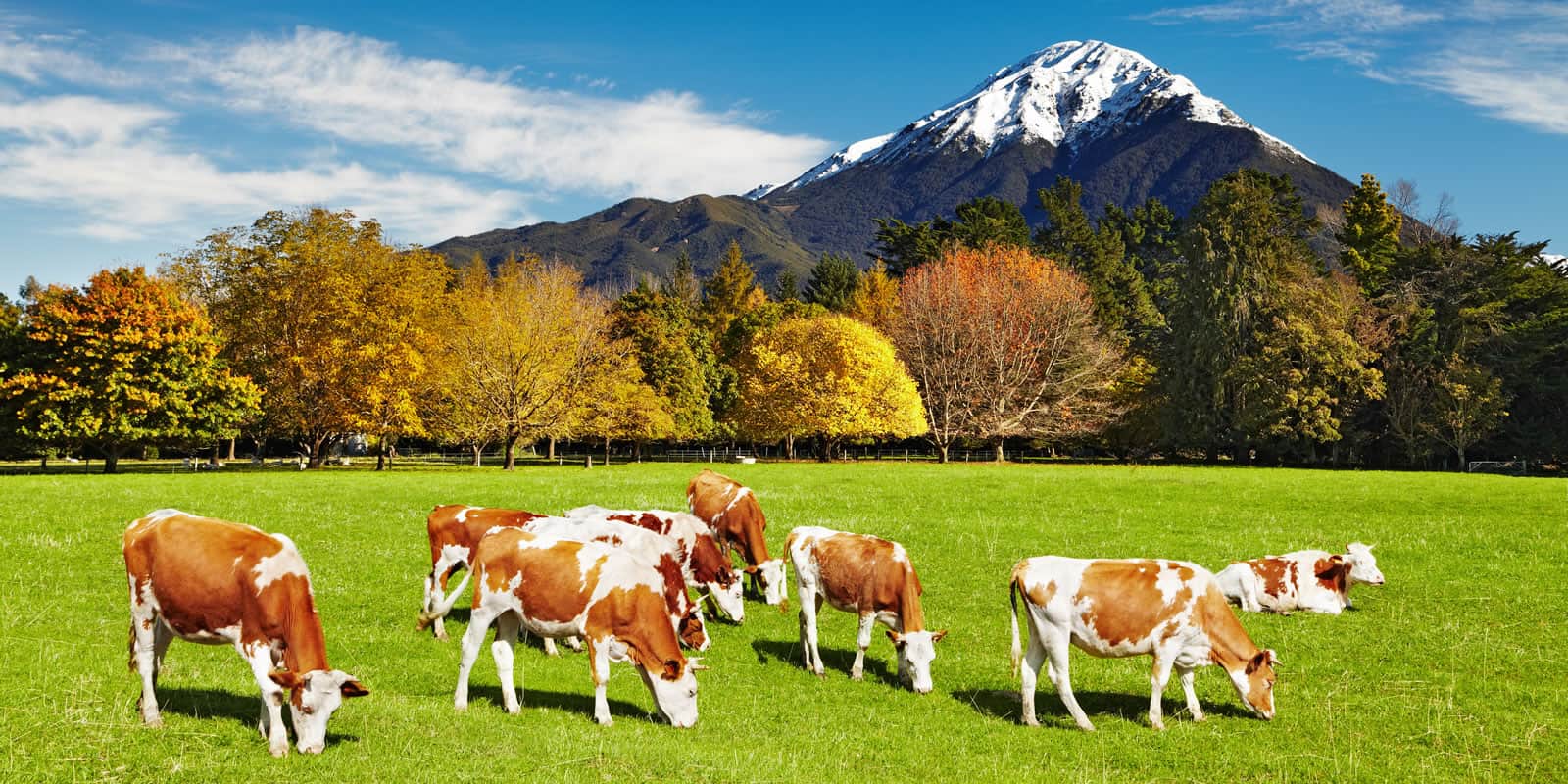
The financial definition of a ranch is increasingly intertwined with sustainability. Practices like rotational grazing, water conservation, soil health management, and reforestation not only preserve the land’s productive capacity but can also attract green finance and impact investments. Investors are increasingly looking for operations that demonstrate environmental stewardship, offering access to specialized loans, grants, and premium markets for sustainably produced goods. Ranchers adopting these practices can enhance their long-term asset value, improve ecological resilience, and access new capital streams, redefining the economic and ethical footprint of ranching.
aViewFromTheCave is a participant in the Amazon Services LLC Associates Program, an affiliate advertising program designed to provide a means for sites to earn advertising fees by advertising and linking to Amazon.com. Amazon, the Amazon logo, AmazonSupply, and the AmazonSupply logo are trademarks of Amazon.com, Inc. or its affiliates. As an Amazon Associate we earn affiliate commissions from qualifying purchases.