
Amazon stands as an undisputed titan of global e-commerce, a sprawling digital marketplace that has redefined how consumers shop and how entrepreneurs do business. Far beyond its origins as an online bookstore, Amazon has evolved into a comprehensive ecosystem where virtually anything can be bought and sold. For aspiring entrepreneurs, small business owners, or individuals looking to generate online income, understanding the vast array of products and services that can be successfully monetized on this platform is the first crucial step towards unlocking significant financial potential. This guide delves into the diverse avenues available for selling on Amazon, strictly within the context of online income generation, business finance, and side hustles.
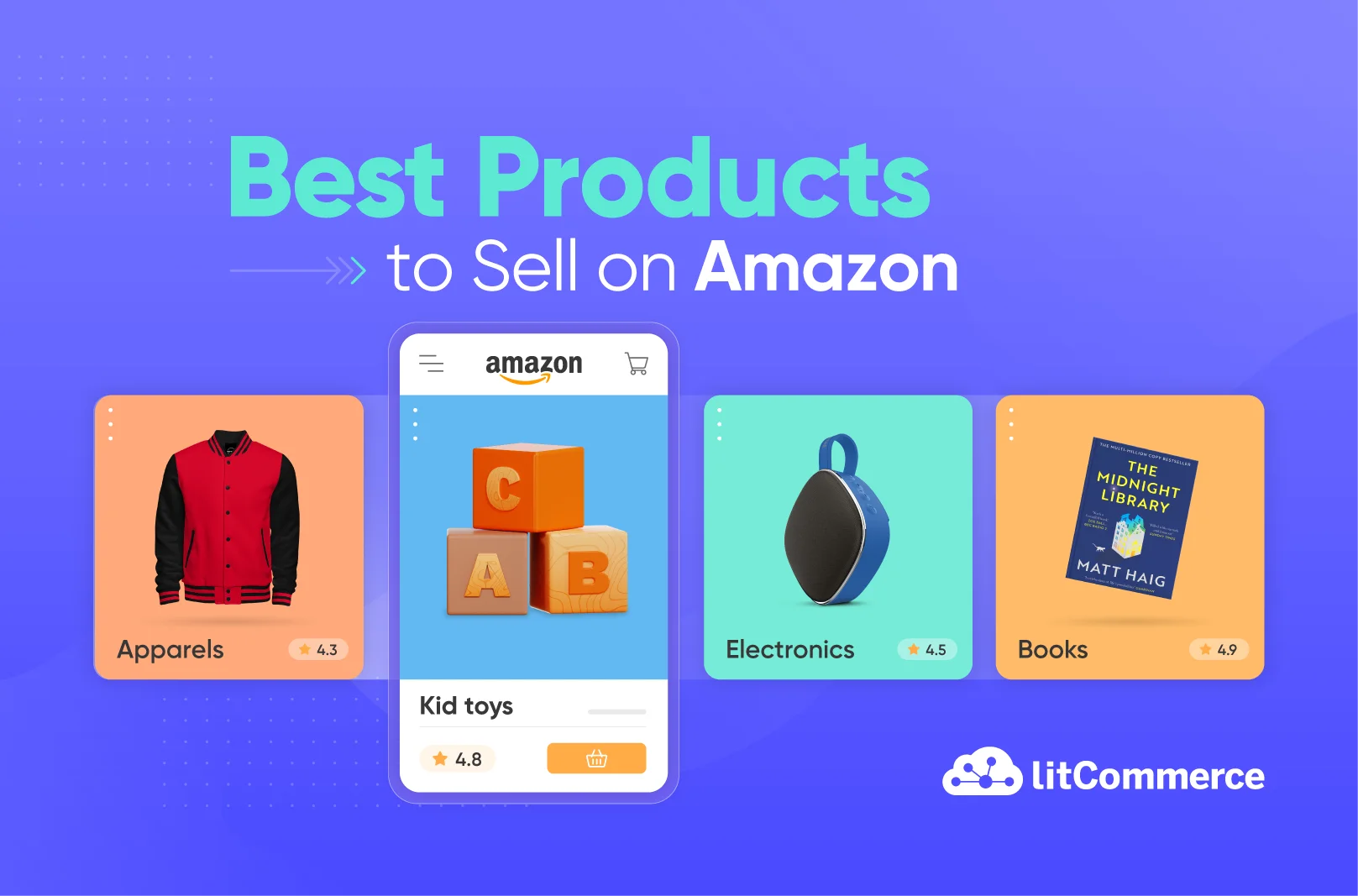
The E-commerce Giant: A Gateway to Diverse Entrepreneurship
Amazon is not merely a shopping website; it is a sophisticated logistical and retail infrastructure that supports millions of third-party sellers worldwide. For anyone looking to tap into the digital economy, leveraging Amazon’s established customer base, fulfillment network, and technological tools offers an unparalleled advantage.
Understanding Amazon’s Market Reach
With hundreds of millions of active customer accounts globally, Amazon provides instant access to a massive and diverse consumer market that would be unattainable for most independent online stores. This immense reach translates directly into higher visibility for products and a greater potential for sales volumes, making it an attractive proposition for income generation. The sheer scale allows sellers to specialize in niche markets while still reaching a substantial audience, or to compete in broader categories with high demand. Understanding this reach is fundamental to grasping the financial opportunity Amazon presents; it’s about connecting your product with a global buyer base, virtually overnight.
Why Amazon for Your Selling Venture?
The reasons why Amazon is a preferred platform for generating online income are multifaceted. Firstly, it offers a high level of trust and familiarity among consumers, meaning buyers are generally more comfortable making purchases through Amazon than through an unknown independent website. This built-in trust reduces conversion barriers. Secondly, Amazon provides powerful selling tools, including listing optimization features, advertising options, and detailed analytics, all designed to help sellers manage their business effectively and maximize profits. Thirdly, and critically for many, Amazon’s Fulfillment by Amazon (FBA) service handles storage, packaging, shipping, and customer service, significantly simplifying the logistical challenges of e-commerce and allowing sellers to focus on product sourcing and marketing. These operational advantages directly contribute to a more efficient and potentially more profitable business model, making Amazon a potent force in the realm of online income and business finance.
Exploring Product Categories: A Universe of Opportunities
The breadth of items you can sell on Amazon is astonishing, ranging from everyday consumables to highly specialized goods. Successfully navigating this landscape requires an understanding of both physical and digital product opportunities, each with its own financial implications and operational demands.
Physical Products: From Handmade to Mass-Produced
The most common and visible category on Amazon is physical goods. This encompasses an incredibly diverse range of items, and the financial models for selling them vary significantly.
Private Labeling and Brand Building
Private labeling involves sourcing generic products from manufacturers (often overseas), branding them with your own label and logo, and selling them as your unique product. This strategy allows for significant control over branding, pricing, and profit margins. It’s a powerful way to build a recognizable brand within a niche, potentially leading to a scalable online income stream. While requiring an initial investment in inventory and branding, the long-term financial rewards can be substantial, akin to building a proprietary asset.
Wholesale and Retail Arbitrage
Wholesale involves buying products in bulk directly from brands or authorized distributors at a discounted rate and reselling them individually at a higher price on Amazon. This model relies on securing good deals and efficiently managing inventory. Retail arbitrage, on the other hand, involves purchasing discounted items from brick-and-mortar retail stores (or online retailers) and reselling them on Amazon at a higher price. Both strategies require keen market awareness, strong negotiation skills for wholesale, and an eye for profitable deals for arbitrage. They represent quicker routes to generating income, often requiring less upfront branding effort than private labeling but relying heavily on consistent product sourcing.
Dropshipping
Dropshipping is a fulfillment method where a seller doesn’t keep products in stock. Instead, when a customer places an order, the seller purchases the item from a third-party supplier, who then ships it directly to the customer. This model minimizes inventory risk and startup costs, as you don’t pay for goods until they are sold. While offering a low barrier to entry for generating online income, profit margins can be tighter, and customer service is heavily reliant on the supplier’s performance, which can impact your Amazon seller metrics. Amazon has specific policies regarding dropshipping that must be adhered to, primarily ensuring you are the seller of record.
Handmade Products
For artisans and craftspeople, Amazon Handmade provides a dedicated storefront to sell unique, handcrafted goods. This category allows sellers to bypass direct competition with mass-produced items and tap into a market segment that values authenticity and craftsmanship. While typically involving lower volume sales compared to mass-market items, the higher perceived value and customization options often translate into excellent profit margins, offering a sustainable side hustle or even a full-time income for skilled creators.
Digital Products and Services: The Less Explored Path
Beyond physical goods, Amazon also offers avenues for selling digital content, providing diverse income streams for creators and service providers.
Kindle Direct Publishing (KDP) for eBooks and Print-on-Demand Books
Amazon’s Kindle Direct Publishing platform allows authors and content creators to self-publish eBooks and paperback books directly to Amazon’s global audience. This is a powerful tool for generating passive income, as once a book is published, it can continue to sell for years. The financial model is royalty-based, and authors retain significant control over their content and pricing. KDP has democratized publishing, making it an accessible side hustle for writers and experts in various fields.
Merch by Amazon (Print-on-Demand Apparel)
Merch by Amazon is a print-on-demand service that allows designers and artists to upload their artwork to Amazon. Customers can then purchase T-shirts, hoodies, pop sockets, and other products featuring these designs. Amazon handles the printing, shipping, and customer service, while the designer earns a royalty on each sale. This model requires no upfront investment in inventory and minimizes logistical headaches, making it an attractive passive income stream for creatives. Success hinges on creating compelling designs that appeal to specific niches and effectively marketing them.
Amazon Influencer Program and Associates Program (Affiliate Marketing)
While not directly “selling” products in the traditional sense, Amazon also offers significant income opportunities through its affiliate programs. The Amazon Associates Program allows individuals and businesses to earn commissions by recommending Amazon products on their own websites, blogs, or social media channels. Similarly, the Amazon Influencer Program caters to social media personalities, providing them with a personalized Amazon storefront to showcase and earn commissions from products they endorse. These programs are fantastic side hustles that leverage existing audiences and content creation skills, converting recommendations into tangible financial returns.

Navigating Amazon’s Selling Models and Requirements
Embarking on an Amazon selling journey requires understanding the operational framework and financial commitments involved. Successfully setting up and managing your seller account is crucial for sustainable income generation.
Seller Account Types: Individual vs. Professional
Amazon offers two primary seller account types: Individual and Professional. The Individual plan is ideal for those who expect to sell fewer than 40 items per month, incurring a per-item fee plus closing fees. This option is suitable for hobbyists or those testing the waters of online selling as a side hustle, with minimal upfront costs. The Professional plan, on the other hand, comes with a monthly subscription fee but waives the per-item fee, making it more cost-effective for higher-volume sellers. It also unlocks advanced selling tools, reporting features, and eligibility for winning the Buy Box, which is critical for maximizing sales. Choosing the right plan is a key financial decision that impacts profitability and scalability.
Essential Considerations: Fees, Logistics, and Customer Service
Selling on Amazon involves various fees beyond the subscription or per-item charges. These include referral fees (a percentage of the selling price, varying by category), fulfillment fees (for FBA), storage fees, and potentially advertising costs. Understanding this fee structure is vital for accurate financial planning and pricing strategies. Logistics, particularly whether to use FBA (Fulfillment by Amazon) or FBM (Fulfillment by Merchant), is another critical choice. FBA offers convenience but comes with fees, while FBM provides more control but demands significant operational effort. Excellent customer service, whether handled by Amazon (FBA) or by the seller (FBM), is paramount for maintaining good seller metrics and customer satisfaction, directly impacting long-term sales and reputation.
Compliance and Best Practices for Success
Amazon maintains stringent policies and performance standards that sellers must adhere to. This includes product authenticity, intellectual property rights, safety standards, and timely order fulfillment. Non-compliance can lead to account suspension and significant financial losses. Best practices include meticulous inventory management, optimizing product listings with high-quality images and compelling descriptions, competitive pricing, and proactive customer communication. Staying informed about Amazon’s evolving policies and continuously optimizing your selling strategy are not just operational necessities but direct contributors to financial sustainability and growth on the platform.
Strategies for Success: Maximizing Your Amazon Income Potential
To truly excel and build a robust income stream on Amazon, a strategic approach is indispensable. It involves continuous research, optimization, and adaptation to the dynamic e-commerce landscape.
Product Research and Niche Identification
The foundation of any successful Amazon venture lies in thorough product research. Identifying high-demand products with low competition, or underserved niches, is crucial. Tools like Jungle Scout, Helium 10, or Keepa provide invaluable data on sales velocity, competition levels, and historical pricing, enabling sellers to make data-driven decisions. Focusing on a specific niche initially allows for better market penetration and helps establish authority, which can be expanded later. This strategic market analysis directly informs your inventory investment and marketing efforts, maximizing the return on your financial outlay.
Optimizing Listings for Visibility and Conversion
Once a product is chosen, optimizing its Amazon listing is paramount. This includes crafting compelling product titles rich with relevant keywords, writing detailed and persuasive bullet points and product descriptions that highlight benefits, and including high-quality, professional images and videos. The goal is not just to attract clicks but to convert those clicks into sales. Effective SEO (Search Engine Optimization) within Amazon’s algorithm and persuasive copywriting directly impact visibility and conversion rates, which are fundamental drivers of online income.
Marketing and Promotion on and off Amazon
While Amazon provides access to millions of customers, actively promoting your products significantly boosts sales. On-Amazon advertising options, such as Sponsored Products, Sponsored Brands, and Sponsored Display, allow sellers to target specific keywords and audiences directly within the Amazon ecosystem. Off-Amazon promotion through social media marketing, email campaigns, content marketing (blog posts, YouTube reviews), and even Google Ads can drive external traffic to your listings. A diversified marketing strategy increases brand awareness, drives traffic, and ultimately contributes to higher sales volume and increased income.
Managing Inventory and Scaling Your Business
Efficient inventory management is critical to avoid stockouts (missing sales opportunities) or overstocking (tying up capital). Utilizing Amazon’s inventory planning tools and third-party software can help forecast demand and manage stock levels effectively. As your business grows, scaling operations—whether through increasing product lines, expanding into new markets, or optimizing supply chains—becomes essential. Scaling requires careful financial planning, reinvestment of profits, and a strategic vision for long-term growth.
The Financial Upsides and Downsides
Engaging with Amazon as a seller offers undeniable financial benefits but also presents inherent risks and challenges that astute entrepreneurs must acknowledge and manage.
Potential for Significant Passive and Active Income
The primary allure of selling on Amazon is its potential to generate substantial income. For many, it starts as a side hustle, gradually evolving into a significant supplemental income or even a full-time business. Models like KDP and Merch by Amazon can provide relatively passive income streams once the initial content or design work is done. Private labeling and wholesale, while more active, offer opportunities for significant profit margins and scalability. The ability to reach a global market and leverage Amazon’s infrastructure dramatically lowers the barrier to entry for establishing a financially viable online venture.
Initial Investment and Ongoing Costs
While some models like dropshipping or affiliate marketing require minimal upfront capital, most Amazon selling strategies necessitate an initial investment. This can include product sourcing, branding, photography, advertising, and professional seller fees. For FBA, storage and fulfillment costs are ongoing. Underestimating these initial and recurring financial outlays can quickly erode profits or lead to cash flow issues. Careful budgeting and understanding the true cost of goods sold (COGS) are crucial for financial health.

Risk Management and Market Volatility
The Amazon marketplace is dynamic and competitive. Product trends can shift rapidly, competitor pricing can fluctuate, and Amazon’s policies can change, impacting seller profitability. There’s also the risk of intellectual property infringement, counterfeit products, or negative reviews impacting sales. Effective risk management involves diversifying product offerings, continuously monitoring market trends, maintaining strong supplier relationships, and building robust customer service. While the rewards can be substantial, a clear-eyed understanding of the financial risks and a proactive approach to mitigating them are essential for long-term success in the Amazon ecosystem.
In conclusion, the question “what can you sell on Amazon?” opens a Pandora’s box of entrepreneurial possibilities. From tangible goods across every conceivable category to digital content and even indirect income through affiliate marketing, Amazon provides an expansive platform for generating income. Success hinges on strategic product selection, meticulous operational management, and a keen understanding of the financial landscape—balancing investment with potential returns, and diligently navigating the platform’s complexities to cultivate a thriving online business.
aViewFromTheCave is a participant in the Amazon Services LLC Associates Program, an affiliate advertising program designed to provide a means for sites to earn advertising fees by advertising and linking to Amazon.com. Amazon, the Amazon logo, AmazonSupply, and the AmazonSupply logo are trademarks of Amazon.com, Inc. or its affiliates. As an Amazon Associate we earn affiliate commissions from qualifying purchases.