
For those who have served in the United States Armed Forces, the VA home loan program remains one of the most significant financial benefits available. Unlike conventional mortgages that often require substantial down payments and high credit scores, the VA loan provides a pathway to homeownership with favorable terms. However, as the global economy faces shifts in inflation and monetary policy, many prospective buyers are asking: “What is the current VA loan rate?”
While a simple Google search might yield a daily percentage, understanding the mechanics behind that number is crucial for making a sound financial decision. VA loan rates are not set by the Department of Veterans Affairs itself; rather, they are influenced by a complex interplay of secondary market forces, lender policies, and individual borrower profiles. This guide explores the nuances of current VA loan rates, how they are calculated, and how you can position yourself to secure the most competitive terms in today’s market.
The Mechanics of VA Loan Rates: How They Are Determined
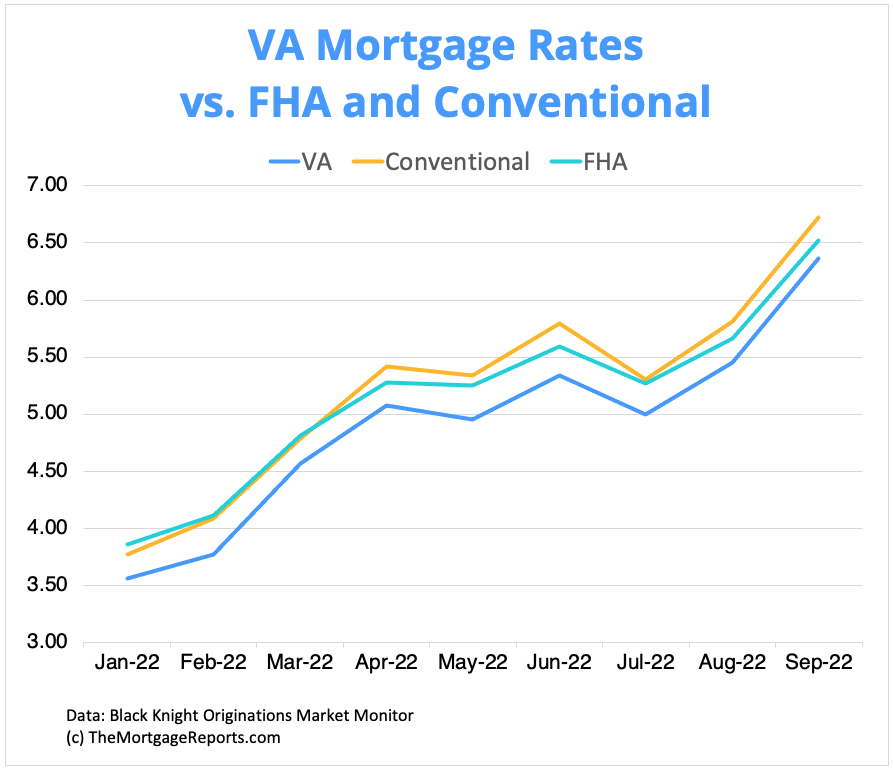
To understand where VA loan rates stand today, one must first understand that these rates are dynamic. They change daily—and sometimes hourly—based on the movement of the financial markets. Because the VA guarantees a portion of the loan, lenders are able to offer lower interest rates than they would for a standard conventional loan, but they still must align their pricing with broader economic indicators.
The Role of the Federal Reserve and the Secondary Market
A common misconception is that the Federal Reserve sets mortgage rates directly. In reality, the Fed sets the “federal funds rate,” which is the interest rate banks charge each other for overnight loans. While VA loan rates often track with the Fed’s movements, they are more closely tied to the yield on 10-year Treasury notes and the performance of Mortgage-Backed Securities (MBS). When investors feel the economy is risky, they flock to the safety of government-backed bonds, which can drive rates down. Conversely, in a high-inflation environment, investors demand higher yields, causing mortgage rates to climb.
Lender Overlays and Competitive Pricing
While the VA establishes the guidelines for who qualifies for a loan, private lenders (banks, credit unions, and mortgage companies) actually provide the capital. Each lender has its own “overlays”—internal rules and risk assessments that can influence the rate they offer you. This is why you might see a 0.5% difference between two different banks on the same day. Lenders compete for veteran business, so the “current rate” is often a reflection of how aggressively a specific institution wants to grow its VA loan portfolio.
Factors That Influence Your Personalized VA Loan Rate
While the national average for VA loans might be a certain percentage, your specific rate will be tailored to your unique financial situation. Understanding these variables allows you to take proactive steps to improve your standing before you apply for pre-approval.
Credit Score and Financial History
Although VA loans are famous for having more lenient credit requirements than conventional loans, your credit score is still the primary driver of your interest rate. Lenders categorize borrowers into “tiers.” A veteran with a 740 score will almost always receive a lower interest rate than one with a 620 score. Even a small improvement in your credit score can save you tens of thousands of dollars over the 30-year life of the mortgage.
Loan-to-Value Ratio and Down Payment Options
One of the hallmark features of the VA loan is the 0% down payment requirement. However, the Loan-to-Value (LTV) ratio still plays a role in risk assessment. If a veteran chooses to make a down payment—even a small one of 5% or 10%—it reduces the lender’s risk. In some market conditions, this can result in a slightly lower interest rate or a reduction in the VA funding fee, which we will discuss later.
Debt-to-Income (DTI) Ratio
Lenders look at your Debt-to-Income ratio to ensure you can comfortably manage your monthly mortgage payments alongside existing obligations like car loans, student debt, or credit card balances. While the VA is flexible and often allows for a DTI as high as 41% (and sometimes higher with compensating factors), a lower DTI signals to the lender that you are a lower-risk borrower, which can help in negotiating the best possible rate.
Comparing VA Loans to Conventional and FHA Mortgages
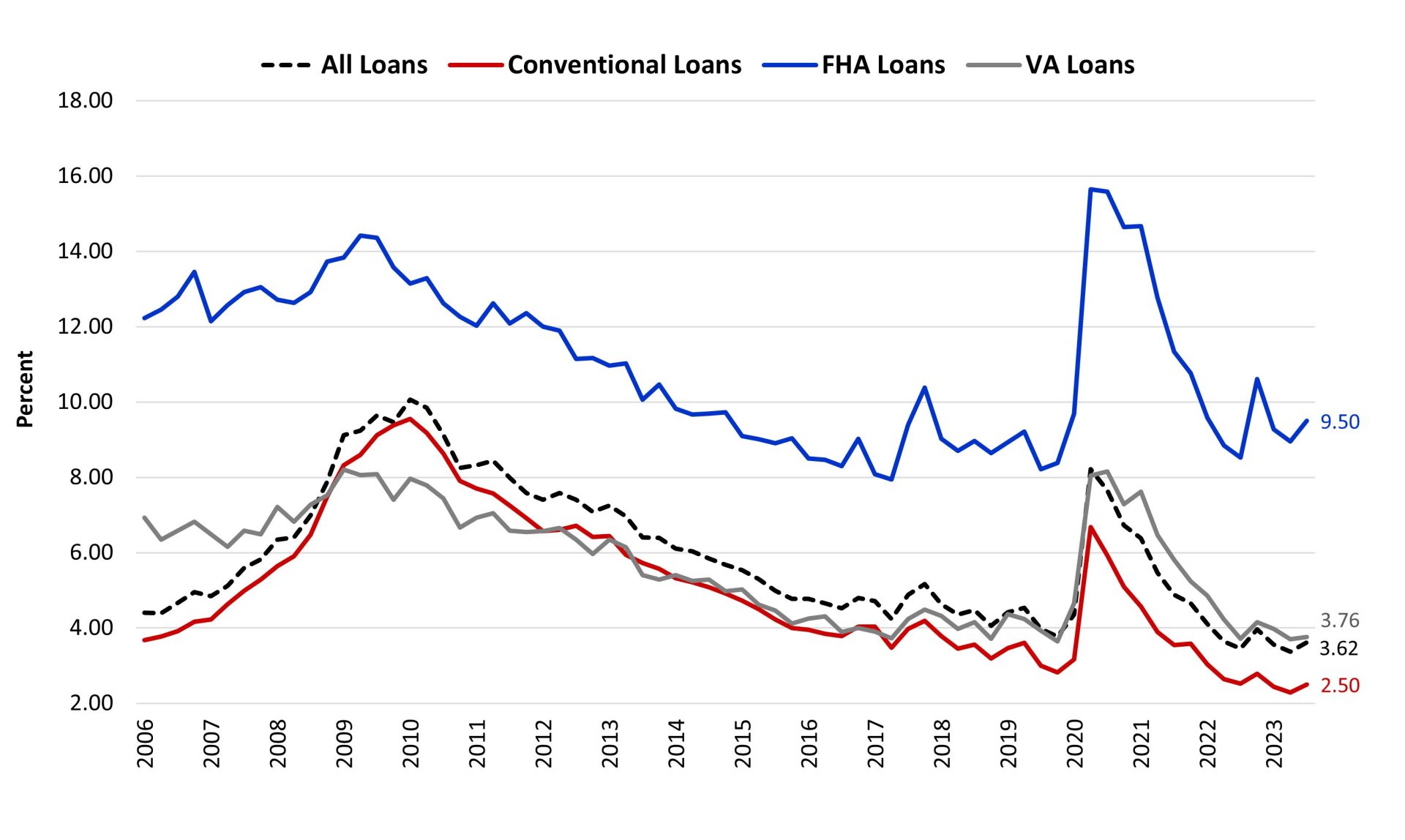
In a volatile interest rate environment, it is helpful to look at VA loans in the context of other financial products. Generally, VA loan rates are among the lowest on the market, often beating conventional 30-year fixed rates by 0.25% to 0.50%.
Interest Rate Differentials
Because the federal government guarantees a portion of the loan, lenders have a “safety net.” This allows them to offer lower interest rates to veterans than they do to the general public. In a market where conventional rates might be hovering around 7%, it is common to find VA rates in the mid-to-high 6% range. This difference significantly impacts monthly purchasing power, allowing veterans to afford more home for the same monthly payment.
The Benefit of No Private Mortgage Insurance (PMI)
When comparing rates, it is vital to look at the “effective” cost of the loan. Conventional borrowers who put down less than 20% must pay Private Mortgage Insurance (PMI) every month. This can add hundreds of dollars to a mortgage payment. VA loans do not require PMI, regardless of the down payment amount. Even if a VA loan rate were identical to a conventional rate, the VA loan would still be the superior financial choice for most veterans because of the lack of monthly insurance premiums.
Funding Fees vs. Upfront Costs
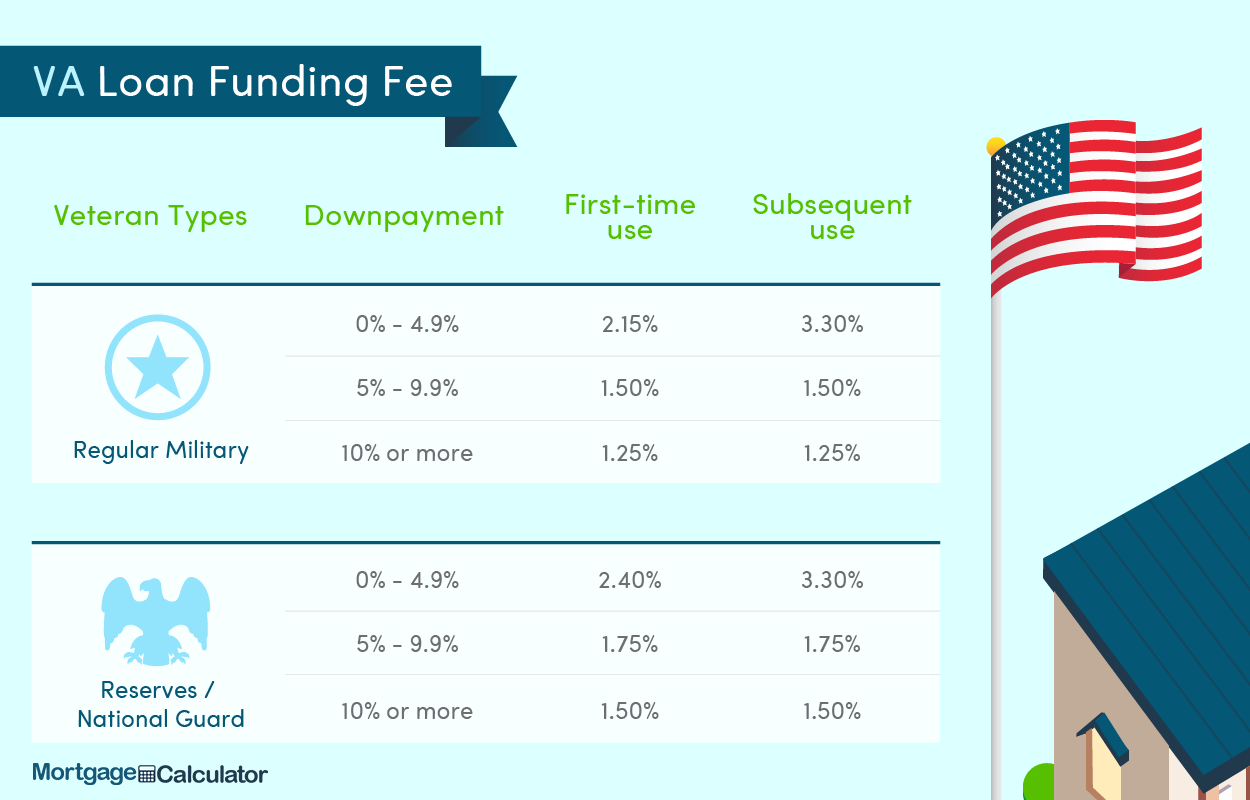
While there is no PMI, most VA borrowers pay a “VA Funding Fee.” This is a one-time fee paid to the Department of Veterans Affairs to keep the program running for future generations. The fee varies based on your down payment and whether it is your first time using the benefit. It is important to factor this into your overall “Money” strategy. Many veterans choose to roll this fee into the loan amount, which slightly increases the total balance but preserves cash on hand. Notably, veterans with service-connected disabilities are often exempt from this fee entirely.
Strategic Ways to Secure the Best VA Loan Rate Today
Securing a mortgage is a major financial transaction, and you should approach it with the same rigor you would an investment portfolio. You are not at the mercy of the first rate a lender quotes you; you have several levers to pull to optimize your financial outcome.
The Power of Rate Locks
Because rates fluctuate daily, a quote you receive on Monday might be gone by Thursday. Once you find a house and enter into a contract, you should discuss a “rate lock” with your lender. A rate lock guarantees your interest rate for a specific period (usually 30, 45, or 60 days) while your loan is processed. In a rising rate environment, locking in early can protect you from market spikes that could otherwise price you out of your chosen home.
Buying Down the Rate with Discount Points
If you have extra cash at closing, you may consider “buying points.” One point typically costs 1% of the loan amount and lowers your interest rate by a predetermined increment (usually 0.25%). This is essentially prepaying interest to secure a lower monthly payment. From a personal finance perspective, you should calculate the “break-even point”—how many months of lower payments it will take to recoup the upfront cost of the points. If you plan to stay in the home for a long time, buying points is often a brilliant financial move.
Shopping Multiple VA-Approved Lenders
Not all lenders are created equal. Some specialize specifically in VA loans and have streamlined processes that reduce overhead, allowing them to pass savings on to the borrower. It is highly recommended to get at least three Loan Estimates. When lenders know they are competing for your business, they may be more willing to waive certain origination fees or match a competitor’s lower rate.
Future Outlook: Navigating Market Volatility in 2024 and Beyond
As we look toward the future of the housing market, the “current” rate is only one piece of the puzzle. The broader economic climate will continue to dictate the trajectory of mortgage costs, making it essential for veterans to stay informed on macroeconomic trends.
Inflationary Pressures and Housing Inventory
The primary enemy of low mortgage rates is inflation. As long as the Consumer Price Index (CPI) remains elevated, the Federal Reserve is likely to keep interest rates higher to cool the economy. For the veteran homebuyer, this means that waiting for rates to “drop back to 3%” might be a losing strategy. Instead, many financial experts suggest focusing on the “buy now, refinance later” approach. If you find a home that fits your budget and lifestyle, securing it now prevents you from being sidelined by further increases in home prices.
Timing Your Purchase or Refinance (IRRRL)
The VA program offers a unique tool for when rates eventually do drop: the Interest Rate Reduction Refinance Loan (IRRRL), often called a “VA Streamline.” This allows veterans with an existing VA loan to refinance into a lower rate with minimal paperwork, no new appraisal, and no out-of-pocket costs. By keeping an eye on the current VA loan rate even after you’ve bought your home, you can jump on an IRRRL the moment the market shifts in your favor, instantly lowering your monthly overhead and increasing your disposable income.
In conclusion, the current VA loan rate is a moving target, influenced by global economics and individual financial health. By understanding the mechanics of how these rates are set and utilizing the strategic tools available—such as rate locks, points, and lender comparisons—veterans can maximize their military benefits. Homeownership remains a cornerstone of personal wealth building, and the VA loan is the most powerful tool in the veteran’s financial arsenal to achieve that goal.
aViewFromTheCave is a participant in the Amazon Services LLC Associates Program, an affiliate advertising program designed to provide a means for sites to earn advertising fees by advertising and linking to Amazon.com. Amazon, the Amazon logo, AmazonSupply, and the AmazonSupply logo are trademarks of Amazon.com, Inc. or its affiliates. As an Amazon Associate we earn affiliate commissions from qualifying purchases.