
In the rapidly evolving landscape of healthcare, the intersection of traditional practices and cutting-edge technology is continuously redefining what’s possible. Among the foundational pillars of patient care, Osteopathic Manipulative Treatment (OMT) stands out as a distinctive, hands-on approach. But what does OMT mean when viewed through the lens of modern medical technology? It’s no longer just about the osteopathic physician’s skilled hands; it’s about how digital innovation, advanced diagnostics, and interconnected systems are shaping its understanding, application, and future. This exploration delves into OMT not merely as a clinical procedure, but as a practice increasingly integrated into and influenced by the technological advancements of the 21st century medical ecosystem.
The Traditional Essence, Digitally Understood
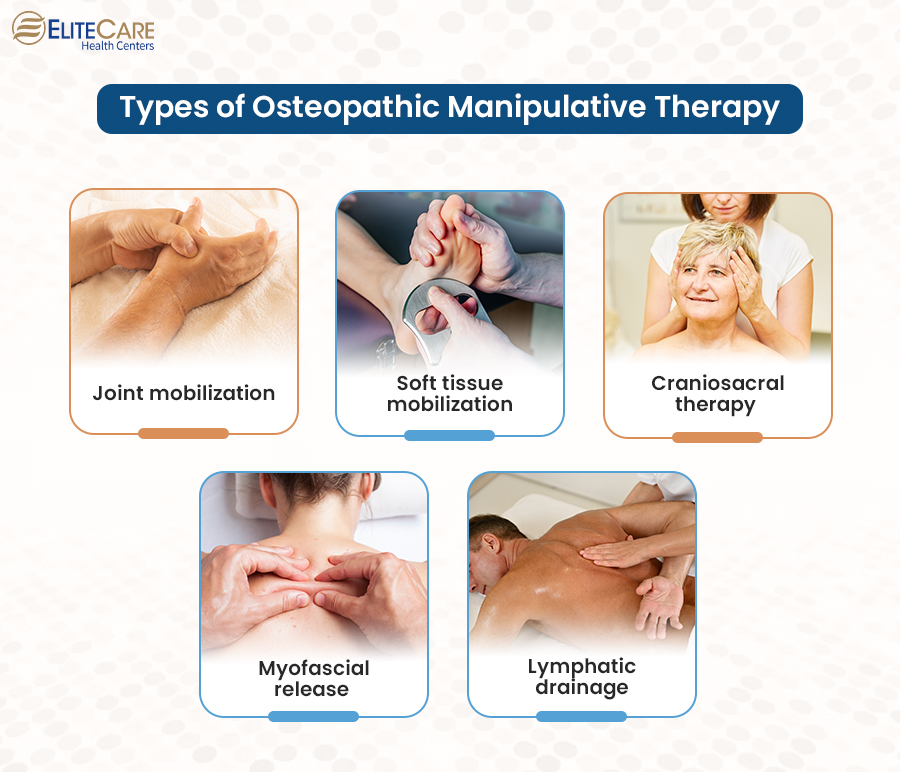
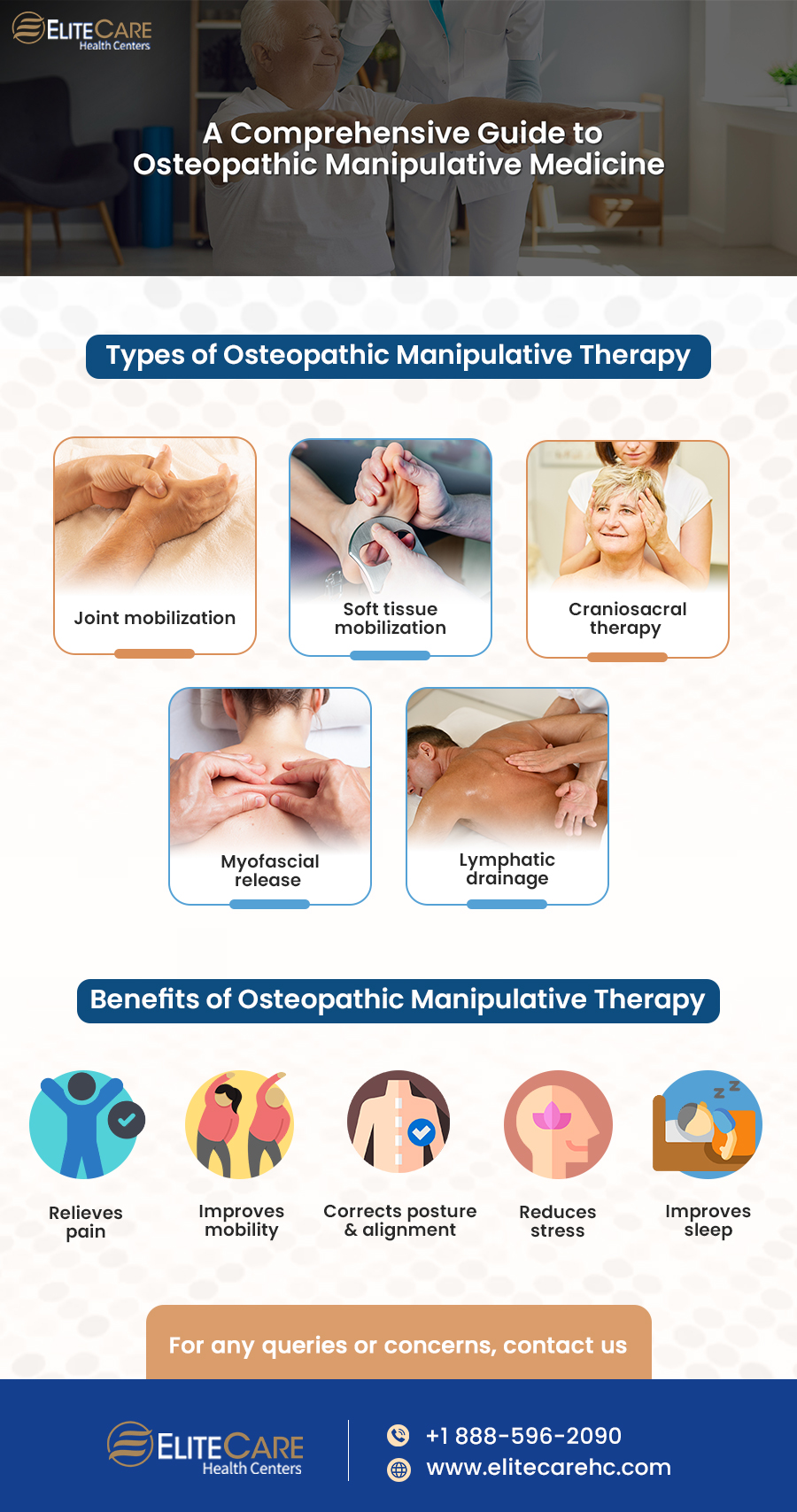
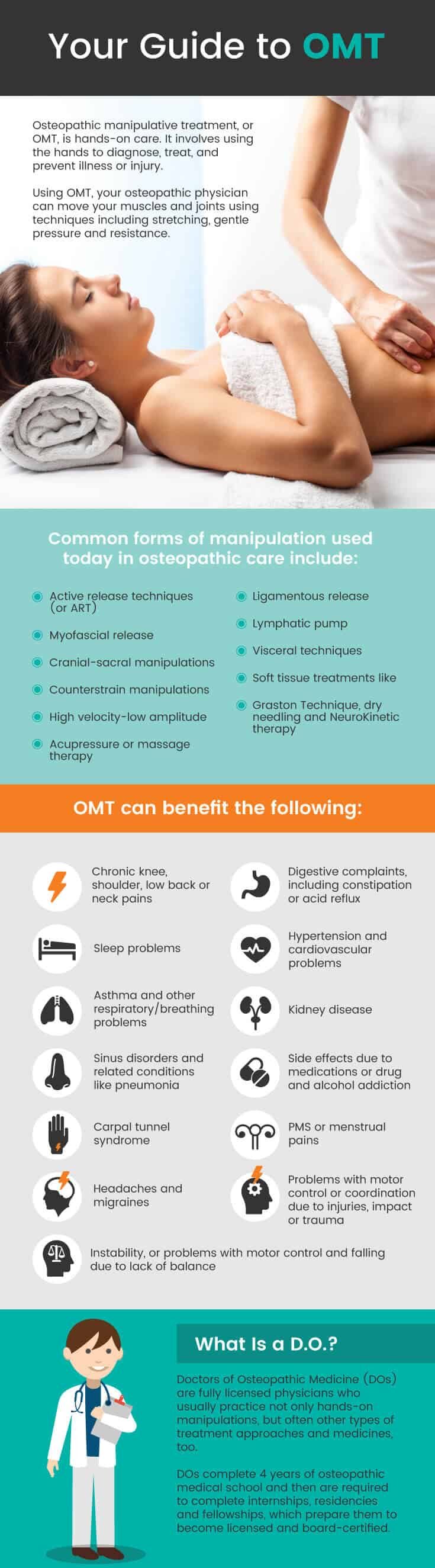
At its core, OMT is a therapeutic application of manual techniques to diagnose and treat somatic dysfunction (impaired or altered function of the body framework). Osteopathic physicians (DOs) use their hands to feel for restrictions, asymmetry, tissue texture changes, and tenderness, then apply a range of techniques—including soft tissue massage, articulation, muscle energy, counterstrain, and high-velocity low-amplitude thrusts—to restore proper body mechanics, reduce pain, and enhance the body’s natural healing capabilities. Rooted in the philosophy that the body is a unit and possesses self-regulatory mechanisms, OMT emphasizes the interconnectedness of all body systems.
While the fundamental principles remain steadfast, the “medical terms” surrounding OMT are increasingly incorporating technological vocabulary. From digital patient records that track the efficacy of treatments over time to sophisticated imaging that precisely identifies somatic dysfunctions invisible to the unaided eye, technology is providing a deeper, more granular understanding of OMT’s impact. The traditional art of palpation, for instance, is now complemented by objective data collected through various tech tools, offering a more robust, evidence-based framework for its application and study. Understanding OMT in contemporary medical terms, therefore, requires acknowledging this synergy between skilled touch and smart technology.
Technological Augmentation in OMT Diagnostics
The diagnostic process in OMT is traditionally heavily reliant on palpation and the physician’s experience. However, modern medical technology is significantly augmenting these capabilities, providing osteopathic physicians with unprecedented insights into a patient’s musculoskeletal and neurological status. This integration enhances diagnostic precision and allows for more targeted, evidence-based treatment plans.
Advanced Imaging and Musculoskeletal Assessment
Gone are the days when osteopathic diagnosis was solely an art form based on touch. Today, osteopathic physicians leverage a suite of advanced imaging technologies to pinpoint the exact nature and location of somatic dysfunctions. High-resolution MRI (Magnetic Resonance Imaging), CT (Computed Tomography) scans, and musculoskeletal ultrasound provide detailed anatomical views of soft tissues, bones, joints, and nerves. For example, an ultrasound can visualize fascial restrictions or subtle joint misalignments in real-time during dynamic movements, which might be challenging to assess through palpation alone.
Furthermore, advanced biomechanical analysis tools are becoming invaluable. Gait analysis systems, utilizing pressure plates and motion capture technology, can identify abnormal movement patterns that contribute to musculoskeletal pain or dysfunction. Posturography systems assess balance and postural stability, offering objective data to correlate with clinical findings from OMT. These technologies don’t replace the osteopathic physician’s hands but rather empower them with objective data, leading to more precise diagnoses and quantifiable measures of treatment effectiveness.
AI-Powered Predictive Analytics
The advent of Artificial Intelligence (AI) and Machine Learning (ML) is poised to revolutionize OMT diagnostics even further. AI algorithms can process vast amounts of patient data—including medical history, imaging results, biomechanical assessments, and treatment outcomes—to identify complex patterns and correlations that might escape human observation. This capability can assist in predicting patient responses to specific OMT techniques, flagging potential contraindications, or even suggesting personalized treatment pathways based on similar patient profiles.
For instance, an AI tool could analyze a patient’s posture data, MRI scans, and previous OMT treatment history to predict which manipulative techniques are most likely to yield the best outcomes for a specific lower back pain presentation. Predictive analytics can also help in stratifying patients based on their risk of chronic pain or recurrence, allowing for proactive, preventative OMT interventions. While still an emerging field in osteopathic medicine, AI’s potential to enhance diagnostic accuracy, personalize care, and optimize treatment strategies represents a significant technological leap for OMT.
Innovating OMT Treatment Delivery and Modalities
While OMT remains fundamentally hands-on, technology is also influencing how treatments are delivered and how patients engage with their therapy. This doesn’t replace the human element but rather provides new avenues for precision, consistency, and patient empowerment.
Wearable Tech and Biofeedback
Wearable technology is extending the reach of OMT beyond the clinic. Devices like smart sensors embedded in clothing or small, adhesive patches can monitor posture, movement patterns, muscle activity (EMG), and even subtle physiological changes (e.g., heart rate variability) in real-time. This allows osteopathic physicians to gather objective data on patient progress between sessions and assess the functional impact of OMT in daily life. Patients can receive immediate feedback on their posture or movement, reinforcing therapeutic exercises prescribed during OMT.
Biofeedback devices, which provide patients with real-time data about their physiological processes (e.g., muscle tension, skin temperature), can be integrated into OMT to help patients gain greater conscious control over their body. For example, during a soft tissue technique, a patient might use an EMG biofeedback device to learn how to relax a specific muscle group, thereby enhancing the effectiveness of the manipulation. This empowers patients to become more active participants in their healing process, translating OMT benefits into sustained functional improvements.
Robotic Assistance and Precision Tools
The concept of robotic assistance in OMT might seem counterintuitive for a hands-on therapy, but its application is emerging in specific, highly controlled scenarios. For instance, robotic systems can be programmed to deliver consistent, precise, and repeatable forces for certain manipulative techniques, particularly for research and training purposes. This allows for standardization in studies evaluating the efficacy of specific OMT maneuvers, leading to stronger evidence bases.
Beyond full robotics, precision tools like instrument-assisted soft tissue mobilization (IASTM) tools, vibratory devices, and specialized traction systems are examples of how technology augments the osteopathic physician’s capabilities. These tools allow for targeted interventions, reaching deeper tissues or applying specific types of force that might be difficult to achieve with hands alone. They serve as extensions of the physician’s expertise, enabling greater precision and reducing physical strain on the practitioner during intensive treatment sessions.
Digital Platforms for OMT Education and Telemedicine
Technology is also transforming how osteopathic medicine is taught and how OMT services are accessed, democratizing knowledge and extending care to wider populations.
Virtual Reality and Simulation Training
The intricate art of palpation and the precise application of manipulative techniques are traditionally taught through extensive hands-on practice. Virtual Reality (VR) and Augmented Reality (AR) are now offering innovative supplemental training modalities. VR simulations can provide osteopathic students with immersive environments to practice palpation, identify somatic dysfunctions on virtual anatomical models, and even simulate OMT techniques with haptic feedback. This allows for repeated practice in a safe, controlled environment, refining skills before working with live patients.
AR applications can overlay anatomical information onto real patients or anatomical models, helping students visualize underlying structures during palpation or manipulation. These technologies don’t replace direct patient interaction but enhance the learning curve, providing a deeper understanding of anatomy and biomechanics relevant to OMT, and ultimately producing more skilled and confident practitioners.
Expanding Access through Tele-Osteopathy
Telemedicine has surged in prominence, and osteopathic medicine is no exception. While hands-on OMT cannot be fully replicated remotely, tele-osteopathy platforms allow DOs to conduct virtual consultations, perform comprehensive patient histories, visually assess posture and movement, provide guidance on therapeutic exercises, and offer ergonomic advice. For patients in rural areas, those with mobility challenges, or those seeking follow-up care, tele-osteopathy significantly expands access to osteopathic expertise.
These platforms often integrate secure video conferencing, digital intake forms, and patient education resources. While the direct manipulative component is absent, virtual consultations can be highly effective in managing chronic pain conditions, guiding rehabilitation, and preparing patients for in-person OMT sessions. It represents a crucial technological bridge, ensuring continuity of care and leveraging digital tools to maintain the osteopathic patient-physician relationship even when physical proximity is not possible.
The Future Landscape: OMT in an Evolving Tech Ecosystem
The trajectory of OMT in medical terms points towards an increasingly integrated and technologically sophisticated future. This evolution promises more personalized, efficient, and accessible care, while also raising new considerations.
Data-Driven Personalized OMT
The future of OMT will likely be characterized by an unprecedented level of personalization, driven by big data and advanced analytics. Imagine a scenario where a patient’s genomic profile, microbiome data, lifestyle factors, and real-time biometric feedback are all integrated into a comprehensive digital health record. AI algorithms could then synthesize this vast dataset to predict individual responses to OMT, recommend specific manipulative techniques tailored to the patient’s unique biological makeup, and even suggest optimal treatment frequencies.
This data-driven approach would allow osteopathic physicians to move beyond generalized protocols, delivering truly personalized OMT that optimizes outcomes and minimizes trial-and-error. It signifies a shift towards precision osteopathic medicine, where technology facilitates an even deeper understanding of the individual patient, aligning perfectly with the holistic philosophy of osteopathy.
Ethical Considerations and the Human Touch
As technology becomes more deeply embedded in OMT, important ethical considerations come to the fore. Issues of data privacy and security, algorithmic bias in AI diagnostics, and the potential for over-reliance on technology must be carefully navigated. The unique human connection, the empathetic touch, and the skilled intuition that define the osteopathic physician’s role must be preserved and enhanced, not diminished, by technological integration.
The future of OMT is not about replacing the osteopathic physician with machines, but about augmenting their capabilities, providing them with more powerful tools for diagnosis, treatment planning, education, and patient engagement. The “medical terms” of OMT in the coming decades will likely emphasize smart health systems, connected devices, and intelligent algorithms that work in concert with the healing hands and insightful minds of osteopathic practitioners, ensuring that OMT continues to stand as a vital, evolving, and technologically empowered component of comprehensive healthcare.
aViewFromTheCave is a participant in the Amazon Services LLC Associates Program, an affiliate advertising program designed to provide a means for sites to earn advertising fees by advertising and linking to Amazon.com. Amazon, the Amazon logo, AmazonSupply, and the AmazonSupply logo are trademarks of Amazon.com, Inc. or its affiliates. As an Amazon Associate we earn affiliate commissions from qualifying purchases.