
Navigating the used car market has become increasingly complex over the last few years. While the frantic price surges of the early 2020s have begun to stabilize, the financial side of the equation—specifically interest rates—remains a significant hurdle for many buyers. Understanding the current used car interest rate is no longer a matter of looking at a single number; it is an exploration of personal credit health, macroeconomic shifts, and strategic negotiation. In the current economic climate, used car rates typically range anywhere from 7% for those with exceptional credit to over 21% for those in the deep subprime category.
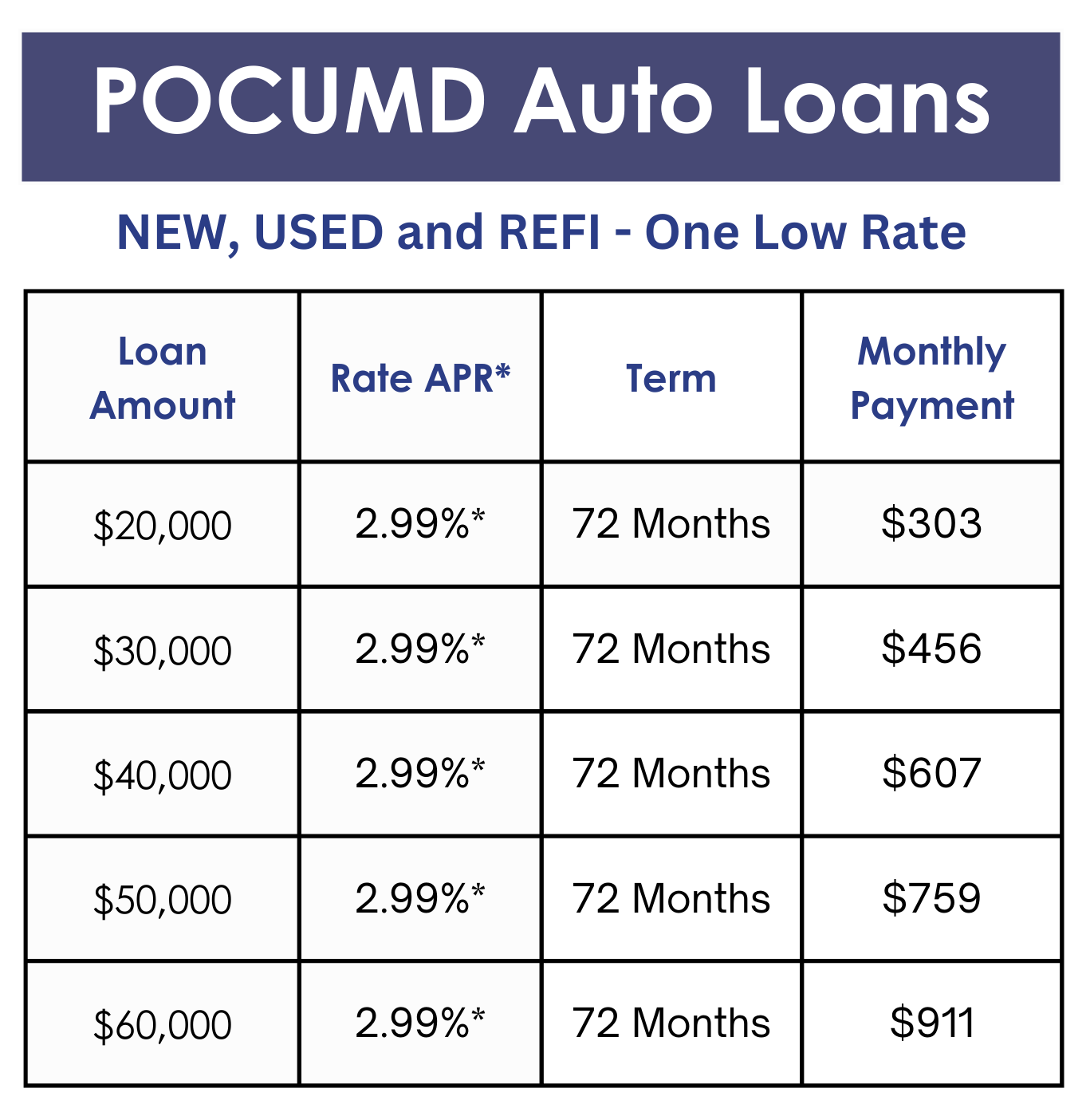
To make an informed financial decision, one must look beyond the sticker price of the vehicle and focus on the cost of capital. Because used cars represent a higher risk to lenders than new vehicles, interest rates are inherently higher. This guide explores the current state of used car financing, the variables that dictate your specific rate, and the strategies you can employ to minimize the total interest paid over the life of your loan.
Understanding the Landscape of Used Car Interest Rates
The interest rate environment for used vehicles is currently defined by a “higher-for-longer” sentiment driven by central bank policies. When the Federal Reserve adjusts the federal funds rate to combat inflation, the ripple effects are felt immediately in the automotive sector. Lenders increase their Prime rates, which in turn raises the floor for what even the most qualified borrowers will pay.
The Structural Gap Between New and Used Rates
It is a common point of confusion for buyers why a three-year-old car often carries a higher interest rate than a brand-new one. The reason lies in “collateral risk.” A new car has a predictable depreciation curve and is backed by manufacturer incentives. Used cars, however, are harder to value accurately. They carry the risk of mechanical failure and unpredictable resale value should the lender need to repossess the asset. Consequently, lenders charge a premium—often 2% to 5% higher than new car rates—to offset this uncertainty.
How the Federal Reserve Influences Your Monthly Payment
While the Federal Reserve does not set auto loan rates directly, their influence on the cost of borrowing for banks is absolute. As the benchmark interest rate rises, banks find it more expensive to source the money they lend to you. In the current cycle, we have seen used car rates climb from historic lows of 3% or 4% to a baseline where 7% is considered excellent. For the consumer, this shift means that the same $25,000 loan that cost $450 a month a few years ago might now cost $520 or more, solely due to the interest rate hike.
Key Factors That Determine Your Specific Rate
No two borrowers are offered the exact same rate. While the national average provides a benchmark, your personal financial profile is the primary driver of the offer you receive. Lenders use complex algorithms to determine the likelihood of default, and each variable in your application shifts the “risk premium” they charge.
Credit Scores: The Biggest Lever
Your credit score is the most influential factor in determining your used car interest rate. Lenders generally categorize borrowers into five tiers:
-
Super Prime (781–850): These borrowers see the lowest rates, currently averaging between 7% and 7.5%.
-
Prime (661–780): A very common tier where rates typically sit between 9% and 10%.
-
Nonprime (601–660): Rates begin to climb significantly here, often reaching 13% to 15%.
-
Subprime (501–600): Borrowers in this range face steep costs, with rates frequently hitting 18% to 19%.
-
Deep Subprime (300–500): Rates can exceed 21%, often making the loan’s total interest cost nearly equal to the car’s value.
Vehicle Age and Mileage
Lenders prefer “near-new” used cars. A vehicle that is two years old with 20,000 miles will almost always qualify for a better rate than a ten-year-old vehicle with 100,000 miles. Some lenders will not even finance vehicles older than seven years or those with high mileage because the risk of the car breaking down before the loan is paid off is too high. If the car dies, the borrower is less likely to keep making payments, which represents a total loss for the bank.
Loan Term Length and Down Payments
The length of your loan—the “term”—directly impacts your rate. While a 72-month or 84-month loan results in a lower monthly payment, it almost always carries a higher interest rate. Lenders prefer 36-month or 48-month terms because they recover their principal faster. Additionally, your “Loan-to-Value” (LTV) ratio matters. If you put 20% down, you are borrowing less against the car’s value, which reduces the lender’s risk and can lead to a half-point or full-point reduction in your rate.
Current Market Trends and Average Benchmarks
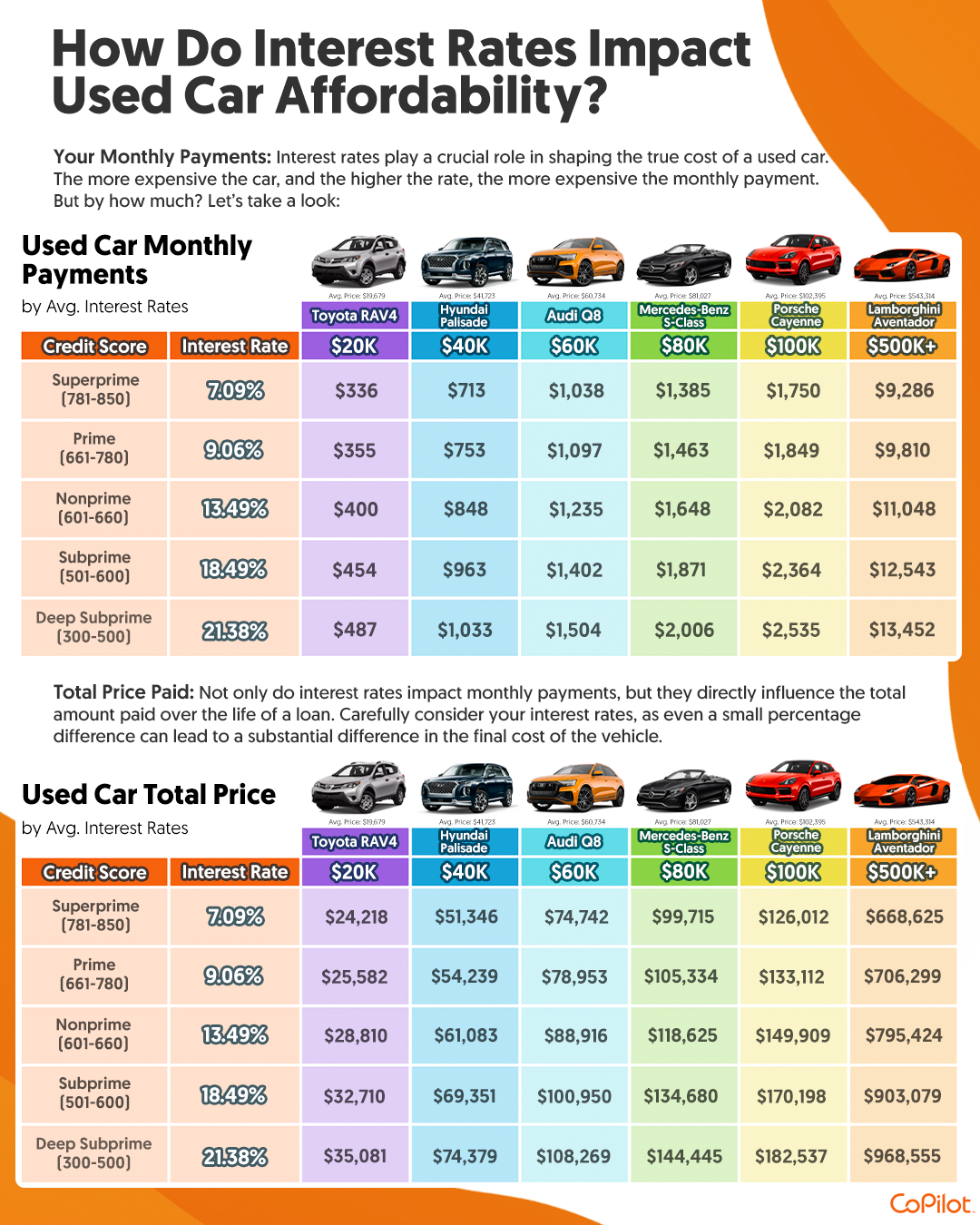
In the current market, the “average” used car interest rate is a moving target, but as of mid-2024, the broad average sits near 11.5%. However, averages can be misleading because they aggregate the 7% rates of the wealthy with the 22% rates of the credit-challenged.
Regional Variations and Lender Types
Where you live and where you shop matters. Large national banks often have rigid structures, while local credit unions are frequently more aggressive with their rates to support their members. It is not uncommon to find a credit union offering a 6.5% rate on a used car when a “big box” bank is quoting 8.5%. Furthermore, some regions with higher competition among dealerships may see slightly lower “buy rate” markups, though this is less common in the used market than the new market.
The Role of “Buy Rate” vs. “Contract Rate”
When you finance through a dealership, they act as an intermediary. The bank may offer the dealer a “buy rate” of 8%. The dealer then presents you with a “contract rate” of 10%. That 2% difference is known as “dealer reserve” or “spread,” and it is a significant profit center for the dealership. Understanding that the rate offered at the dealership is often negotiable is key to saving money.
Strategies to Secure the Best Possible Rate
Securing a competitive rate requires a proactive approach. You should never walk into a dealership without a baseline understanding of what you qualify for.
The Power of Pre-approval
The single most effective tool for a car buyer is a pre-approval letter from an external lender, such as a credit union or an online bank. This sets a “ceiling” on your interest rate. If you walk into a dealership with a pre-approval for 7.5%, the dealer is forced to beat that rate if they want your financing business. Without it, they have no incentive to offer you anything other than their highest marked-up rate.
Rate Shopping and Credit Inquiries
Many buyers fear that checking their rate at multiple places will ruin their credit score. However, credit scoring models (like FICO) recognize “rate shopping.” If you apply for multiple auto loans within a 14-day window, they are typically treated as a single hard inquiry. This allows you to compare offers from a bank, a credit union, and an online lender without compounding damage to your score.
Improving Your Financial Profile Before Applying
If you aren’t in a rush, taking three to six months to clean up your credit can save you thousands of dollars. Paying down credit card balances to lower your utilization ratio can jump your score by 20 or 30 points, potentially moving you from a “Nonprime” tier to a “Prime” tier. The difference between a 14% rate and a 9% rate on a $30,000 loan is roughly $4,500 in interest over five years.
Calculating the Total Cost of Borrowing
A common mistake in used car financing is focusing exclusively on the monthly payment. This “payment-buyer” mentality allows lenders to hide high interest rates by extending the loan term.
Why the APR Matters More Than the Monthly Payment
The Annual Percentage Rate (APR) is the true cost of your loan. It includes the interest rate plus any prepaid fees. When comparing two loans, always look at the total interest paid over the life of the loan. A $500 monthly payment for 60 months ($30,000 total) is far superior to a $450 monthly payment for 84 months ($37,800 total), even though the latter feels “cheaper” on a month-to-month basis.
The Impact of Amortization
Auto loans typically use simple interest amortization, meaning interest is calculated based on the remaining principal balance. By making even small extra payments toward the principal each month, or by choosing a shorter term, you drastically reduce the amount of interest the bank can collect. In a high-rate environment, the speed at which you pay down the principal is your best defense against high borrowing costs.

Avoiding Predatory Lending Practices
In the used car world, “Buy Here, Pay Here” lots often cater to those with no other options. These lenders often charge the maximum interest rate allowed by state law (sometimes 25% to 30%) and may include hidden fees or mandatory “add-ons” like GPS trackers or insurance products. While these may be a last resort, the financial toll is immense. Always exhaust traditional banking, credit union, and specialized online subprime lenders before turning to in-house dealership financing.
In conclusion, while the current used car interest rates are higher than they have been in a decade, they are manageable for those who do their homework. By understanding your credit tier, shopping for pre-approvals, and focusing on the total cost of the loan rather than just the monthly payment, you can navigate this high-rate environment and secure a vehicle without overpaying for the privilege of borrowing. Finance is the engine that drives your car purchase; ensure it is tuned as finely as the vehicle itself.
aViewFromTheCave is a participant in the Amazon Services LLC Associates Program, an affiliate advertising program designed to provide a means for sites to earn advertising fees by advertising and linking to Amazon.com. Amazon, the Amazon logo, AmazonSupply, and the AmazonSupply logo are trademarks of Amazon.com, Inc. or its affiliates. As an Amazon Associate we earn affiliate commissions from qualifying purchases.