
Navigating the used car market has become increasingly complex over the last few years. While the frantic price surges of the post-pandemic era have begun to stabilize, the cost of financing those vehicles remains a significant hurdle for many consumers. For anyone asking “what are used car loan rates right now,” the answer is a moving target influenced by the Federal Reserve, individual credit health, and the evolving strategies of financial institutions.
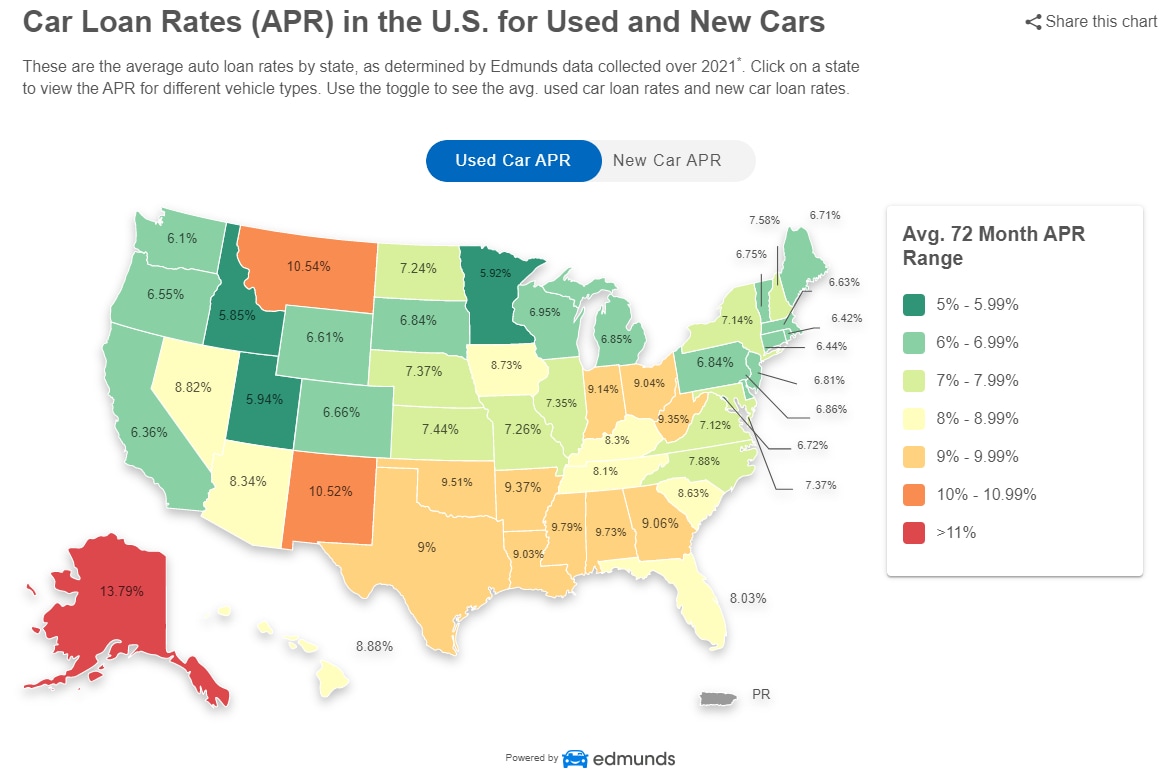
As of the current quarter, used car loan rates are significantly higher than the historic lows of the previous decade. For consumers with excellent credit, rates typically hover between 7% and 9%. However, for those with lower credit scores, rates can soar well into the double digits, sometimes exceeding 20%. Understanding these fluctuations is essential for making a sound financial decision that protects your long-term cash flow and net worth.
The Current Landscape of Used Car Interest Rates
The interest rate environment for used vehicles is currently dictated by a “higher for longer” sentiment from central banks. Because used cars represent a higher risk to lenders than new cars—primarily due to unpredictable depreciation and the lack of manufacturer-backed incentives—the rates are almost always higher than those for new vehicles.
Average Rates by Credit Tier
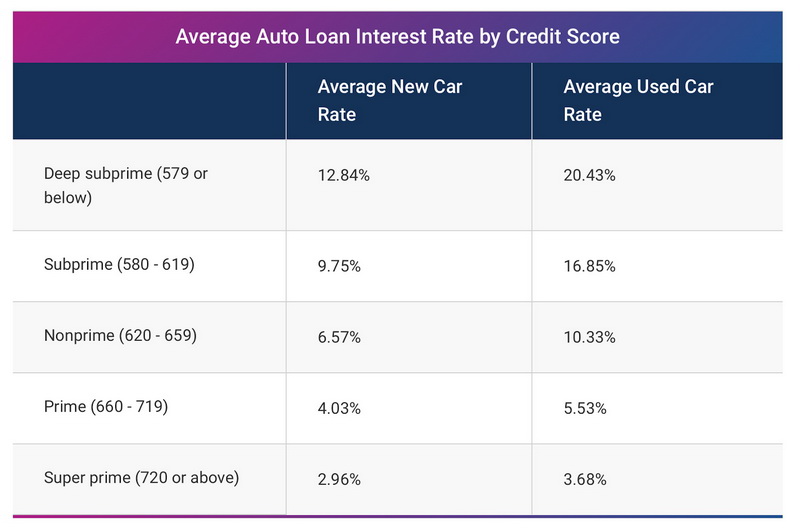
To understand where you fit in the current market, it is helpful to look at the averages categorized by credit score tiers. These benchmarks provide a baseline for what you should expect when walking into a dealership or applying for a loan online:
-
Superprime (781–850): Borrowers in this category are seeing average rates between 7.1% and 7.5%. These individuals have the most leverage and can often negotiate better terms with credit unions.
-
Prime (661–780): This tier typically sees rates ranging from 8.5% to 10.2%. This is the most common bracket for the average American consumer.
-
Nonprime (601–660): Rates begin to climb steeply here, often landing between 13% and 15%.
-
Subprime (501–600): Borrowers in this range can expect rates near 18% to 19%.
-
Deep Subprime (300–500): Rates for the lowest credit tier frequently exceed 21%, making the total cost of the vehicle significantly higher than its sticker price.
Why Used Car Rates Outpace New Car Rates
A common question in personal finance is why a three-year-old car costs more to finance than a brand-new one. The answer lies in collateral value. Lenders view a new car as a more stable asset; it has a known history, a manufacturer’s warranty, and a more predictable resale value.
Used cars, conversely, carry the risk of mechanical failure and faster depreciation relative to the loan balance. If a borrower defaults on a used car loan, the lender is less likely to recoup the full loan amount through repossession and auction. To mitigate this risk, lenders charge a premium on the interest rate.
Primary Factors Influencing Your Personal Rate
While market averages provide a snapshot, your personal interest rate is the result of an algorithmic assessment of risk. Knowing which levers you can pull can help you secure a rate on the lower end of the spectrum.
The Power of the Credit Score
Your credit score remains the single most influential factor in determining your used car loan rate. Lenders use your FICO or VantageScore to predict the likelihood of default. Beyond just the “number,” lenders look at your credit depth—how long you have been managing debt—and your payment history. A single 30-day late payment within the last year can bump you into a higher interest bracket, costing you thousands of dollars over the life of a five-year loan.
Loan Duration and Vehicle Maturity
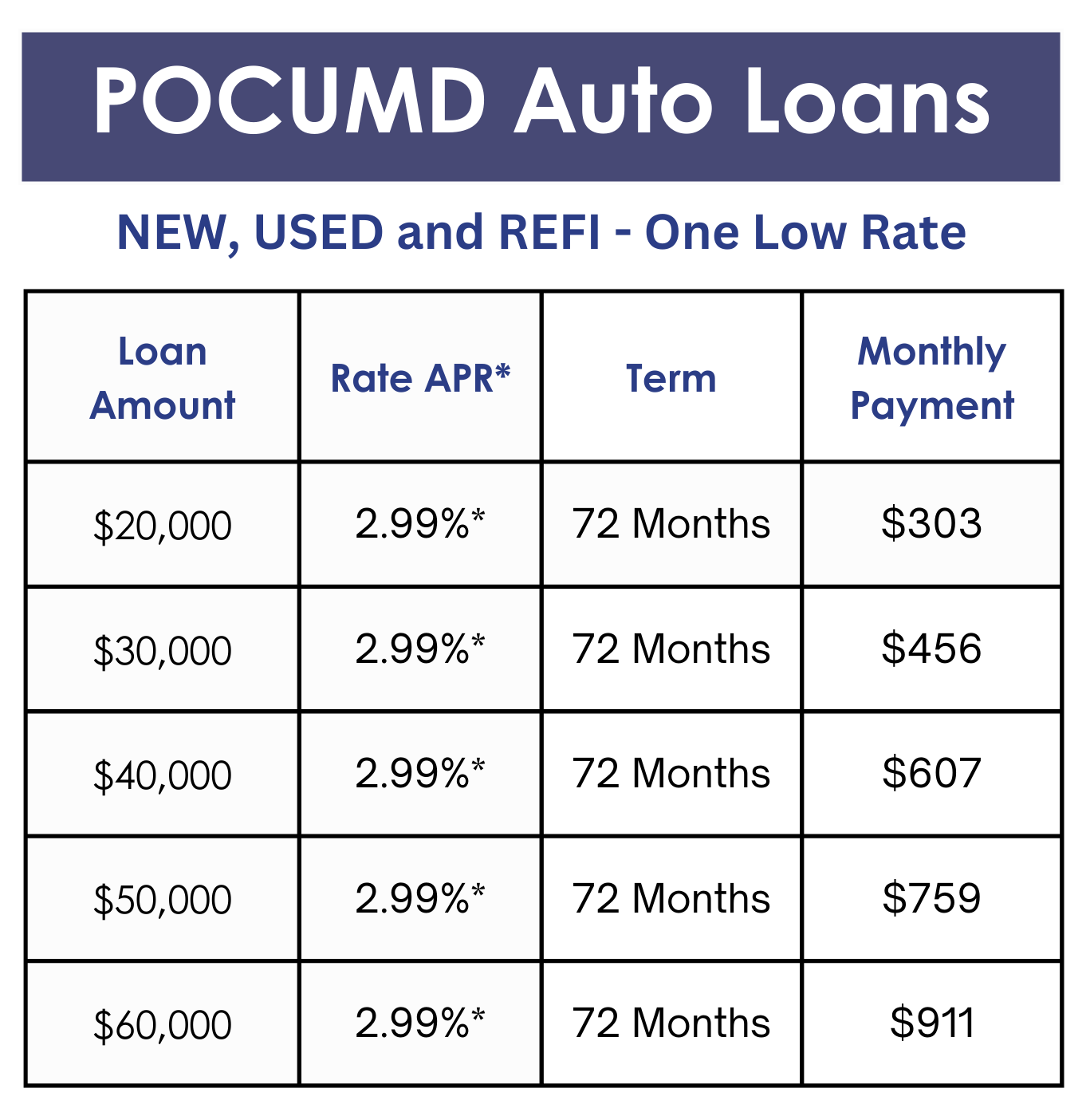
The “term” of your loan—the number of months you have to pay it back—is directly correlated with your interest rate. In today’s market, shorter terms (36 to 48 months) usually come with lower interest rates. While a 72-month or 84-month loan results in a lower monthly payment, it almost always carries a higher interest rate and results in paying significantly more in total interest.
Furthermore, the age of the vehicle matters. Many lenders have “age caps.” For example, a bank might offer a competitive rate for a car that is less than five years old but will increase the rate by 2% or 3% for a car that is seven to ten years old. Some lenders refuse to finance vehicles over a certain mileage or age altogether, as the risk of the car’s value dropping below the loan balance (being “underwater”) is too high.
The Debt-to-Income (DTI) Ratio
Lenders don’t just look at whether you will pay; they look at whether you can pay. Your DTI ratio—the percentage of your gross monthly income that goes toward debt payments—is a key metric. If your DTI is already high due to student loans, mortgages, or credit card debt, a lender may see you as a higher risk and offer a higher interest rate to compensate, or they may require a larger down payment to lower the loan-to-value ratio.
Where to Find the Most Competitive Rates
Not all lenders are created equal. The source of your loan can be just as important as your credit score in determining the final APR.
The Credit Union Advantage
For used car loans, credit unions are frequently the gold standard. Because they are member-owned, non-profit entities, they often return their “profits” to members in the form of lower interest rates and lower fees. It is not uncommon for a credit union to offer a rate that is 1% to 2% lower than a major national bank. Many credit unions have relaxed membership requirements, allowing anyone in a certain geographic area or profession to join.
Digital Lenders and the Fintech Evolution
The rise of online-only lenders has introduced a new level of competition to the auto-financing world. These companies often have lower overhead than traditional brick-and-mortar banks, allowing them to pass savings onto the consumer. Digital lenders are also known for “soft pull” pre-approvals, which allow you to see your potential rate without impacting your credit score. This is an excellent way to shop around and compare offers before stepping foot on a dealership lot.
Captive Finance and Dealership Lending
Dealerships often work with “captive” finance companies (the financial arms of manufacturers like Ford Credit or Toyota Financial Services) or a network of local banks. While dealerships can sometimes offer competitive rates on “Certified Pre-Owned” (CPO) vehicles, they also frequently add a “markup” to the interest rate. If a bank approves you for 8%, the dealer might present it to you as 9% and pocket the difference as a referral fee. This is why having an outside pre-approval is a vital defensive strategy.
Strategies to Secure a Lower Rate in a High-Interest Market
In an environment where rates are high, you must be proactive to minimize the cost of borrowing.
The Importance of Pre-Approval
Walking into a dealership with a pre-approval letter in hand is one of the strongest moves you can make. It sets a “ceiling” on your interest rate. If the dealer wants you to use their financing, they must beat the rate you already have. Without a pre-approval, you are at the mercy of the dealer’s finance office, which may not always prioritize your best financial interests.
Optimizing the Down Payment: The 20/4/10 Rule
A substantial down payment reduces the lender’s risk and lowers the amount you need to finance. A common recommendation in personal finance is the 20/4/10 rule:
-
Put down at least 20% of the purchase price.
-
Limit the loan term to no more than 4 years (48 months).
-
Ensure that the total cost of the car (including insurance and fuel) does not exceed 10% of your monthly take-home pay.
By putting 20% down, you immediately create equity in the vehicle. This protects you from being “upside down” on the loan and may even qualify you for a slightly better interest rate tier.
Monitoring Market Trends and Refinancing
If you are forced to take a high-rate loan today because of a poor credit score or immediate need, remember that you are not necessarily “stuck” with that rate for the duration of the loan. As your credit score improves or if market rates drop in the future, you can look into refinancing your auto loan. Refinancing can lower your monthly payment or, more importantly, reduce the total interest you will pay over the remaining life of the loan.
Long-Term Financial Considerations
Buying a used car is more than just a monthly payment calculation; it is an investment in your ability to generate income and maintain your lifestyle. When used car loan rates are high, the “total cost of ownership” becomes the most important metric.
Every percentage point on an interest rate adds up. On a $25,000 used car loan over 60 months, the difference between a 7% rate and a 12% rate is approximately $3,500 in additional interest. That is money that could otherwise be diverted into an emergency fund, a retirement account, or other wealth-building vehicles.
In conclusion, while used car loan rates are currently elevated compared to historical norms, they are still manageable for those who approach the process with a clear strategy. By focusing on credit health, shopping across different types of lenders, and sticking to shorter loan terms, you can navigate the current market without compromising your financial future. Knowledge of the current rates is your best tool for negotiation, ensuring that you drive away with both a reliable vehicle and a loan that fits your economic reality.
aViewFromTheCave is a participant in the Amazon Services LLC Associates Program, an affiliate advertising program designed to provide a means for sites to earn advertising fees by advertising and linking to Amazon.com. Amazon, the Amazon logo, AmazonSupply, and the AmazonSupply logo are trademarks of Amazon.com, Inc. or its affiliates. As an Amazon Associate we earn affiliate commissions from qualifying purchases.