
In the dynamic world of personal finance, understanding mortgage rates is crucial for anyone looking to buy a home or refinance an existing one. Among the various mortgage products available, the 15-year fixed-rate mortgage stands out for its unique blend of stability, significant interest savings, and accelerated path to homeownership. While the allure of lower monthly payments often draws prospective buyers to 30-year mortgages, the 15-year option, despite its higher monthly commitment, frequently offers a lower interest rate and a more efficient way to build equity.
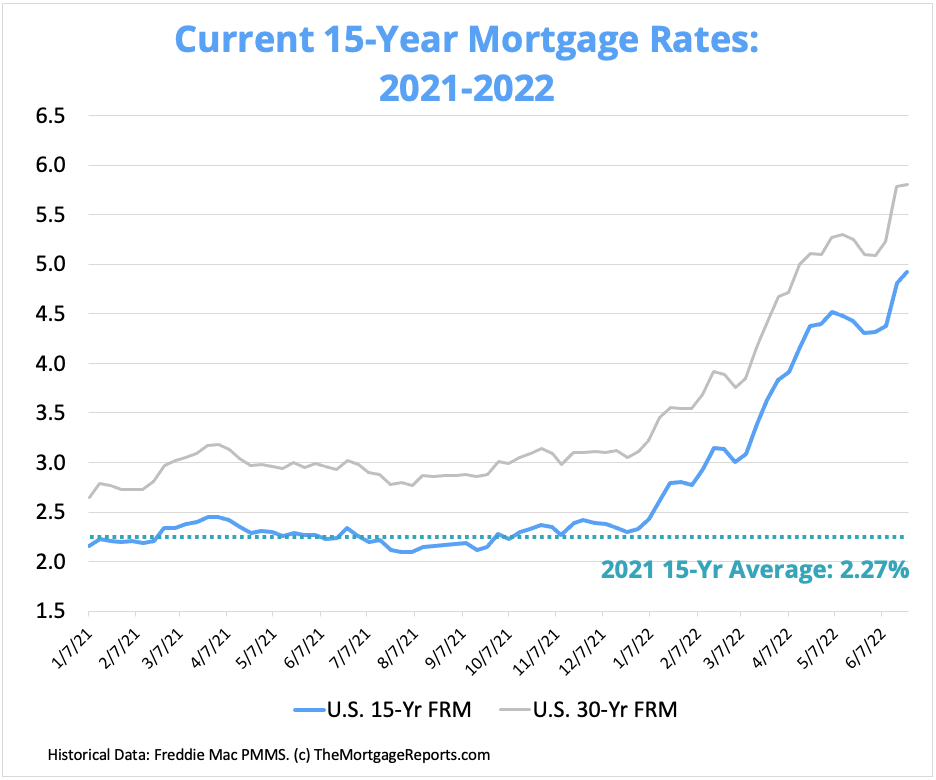
Determining the “current rate” on a 15-year mortgage is not a straightforward task, as rates fluctuate daily, sometimes even hourly, based on a myriad of economic factors, market conditions, and individual borrower profiles. However, understanding the underlying mechanisms that drive these rates, how to effectively shop for them, and the distinct advantages a 15-year term offers can empower homeowners to make informed financial decisions. This article will delve into the intricacies of 15-year mortgage rates, exploring their benefits, the factors that influence them, and strategies for securing the most favorable terms for your financial situation.
The Distinct Appeal and Benefits of a 15-Year Mortgage
A 15-year fixed-rate mortgage, by its very nature, is designed for those who prioritize paying off their home faster and minimizing the total interest paid over the life of the loan. While the monthly payments are undeniably higher compared to a 30-year counterpart for the same loan amount, the long-term financial advantages are often substantial and compelling for many homeowners.
Faster Path to Homeownership and Financial Freedom
The most immediate and obvious benefit of a 15-year mortgage is the reduced loan term. Instead of spending three decades making mortgage payments, you could be debt-free in half the time. This accelerated timeline to full homeownership translates into a quicker achievement of financial freedom, freeing up a significant portion of your monthly budget for other investments, retirement savings, or discretionary spending much earlier in life. Imagine being mortgage-free in your 40s or 50s, a goal that feels much more attainable with a 15-year plan. This significantly reduces financial stress and provides greater flexibility for future life events, such as career changes, starting a business, or early retirement.
Significant Interest Savings Over the Life of the Loan
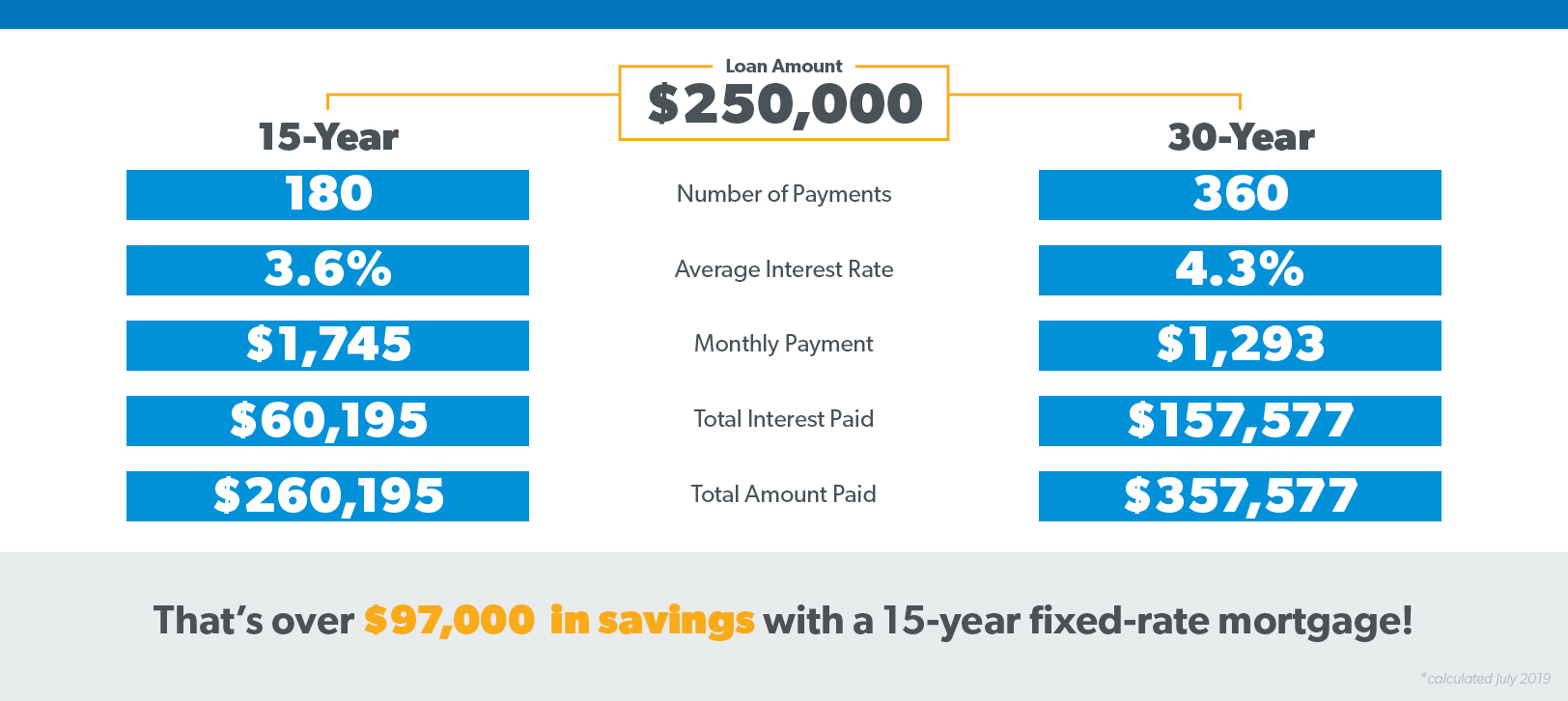
Perhaps the most powerful financial incentive for choosing a 15-year mortgage is the potential for substantial interest savings. Because the loan term is shorter, the total amount of interest accrued over the life of the loan is significantly less, even if the interest rate difference between a 15-year and 30-year mortgage seems marginal. Lenders typically offer a slightly lower interest rate for 15-year fixed mortgages because they perceive less risk over a shorter period. This seemingly small rate advantage, combined with the compressed repayment schedule, compounds to monumental savings. For example, a difference of just 0.25% to 0.50% in the interest rate can translate to tens, if not hundreds, of thousands of dollars saved over the life of the loan, funds that remain in your pocket rather than going to the lender. This interest saving is arguably the strongest argument in favor of the 15-year option for those who can comfortably manage the higher monthly payment.
Building Equity Quicker and Enhanced Financial Security
With a 15-year mortgage, a larger portion of each monthly payment goes towards the principal balance of your loan from the outset. This rapid principal reduction means you build equity in your home at a much faster pace. Rapid equity accumulation is not just a theoretical benefit; it offers tangible financial security. Higher equity provides a larger financial buffer against potential market downturns, reduces the risk of being underwater on your mortgage, and can be a valuable asset for future financial needs, such as home equity lines of credit (HELOCs) or cash-out refinances, should they become necessary. Furthermore, having substantial equity quickly can be a powerful psychological boost, knowing that your home is rapidly becoming a significant, unencumbered asset in your personal balance sheet.
Key Factors Influencing 15-Year Mortgage Rates
Mortgage rates are a complex interplay of various economic forces and individual borrower characteristics. Understanding these influences is vital for anyone trying to predict or secure the best possible rate on a 15-year mortgage.
Broader Economic Indicators and Federal Reserve Policy
The overarching economic environment plays a dominant role in shaping mortgage rates. Inflation, for instance, is a critical driver. Lenders typically demand higher rates when inflation is expected to rise, to ensure the real value of their returns isn’t eroded. Conversely, a stable or declining inflationary environment can lead to lower rates.
The Federal Reserve’s monetary policy, particularly its decisions on the federal funds rate, indirectly impacts mortgage rates. While the federal funds rate directly influences short-term lending, its adjustments signal the Fed’s stance on the economy, which in turn affects the bond market, where mortgages are priced. When the Fed hikes rates to cool inflation, mortgage rates tend to rise. Conversely, rate cuts often lead to lower mortgage rates. Global economic events, geopolitical stability, and even consumer confidence reports can all send ripples through financial markets, ultimately affecting what lenders are willing to charge. The yield on the 10-year Treasury bond is often cited as a benchmark, as it tends to move in tandem with 15-year and 30-year fixed mortgage rates, offering a useful, though imperfect, indicator.
Lender-Specific Considerations and Borrower Profile
Beyond the macroeconomic landscape, your personal financial profile significantly influences the rate you’re offered. Lenders assess risk, and a stronger borrower profile equates to lower perceived risk and, consequently, a better interest rate.
-
Credit Score: Your FICO score is paramount. A higher credit score (generally 740+) signals a history of responsible borrowing and timely payments, making you a more attractive borrower. Lenders reserve their best rates for those with excellent credit.
-
Down Payment: A larger down payment reduces the loan-to-value (LTV) ratio, meaning you’re borrowing a smaller percentage of the home’s value. This reduces the lender’s risk and can lead to a lower interest rate. A down payment of 20% or more also typically allows you to avoid private mortgage insurance (PMI).
-
Debt-to-Income (DTI) Ratio: This ratio compares your total monthly debt payments to your gross monthly income. A lower DTI ratio indicates you have sufficient income to manage your mortgage payments comfortably, again signaling lower risk to the lender. Most lenders prefer a DTI below 43%.
-
Loan Type and Property Type: While we are focused on 15-year fixed-rate mortgages, the specific loan program (e.g., conventional, FHA, VA) and the type of property (e.g., single-family home, condo, multi-unit) can also influence rates, as different programs and properties carry varying levels of risk or specific funding requirements.
Market Competition and Demand for Mortgages
The competitive landscape among lenders also plays a role. In a highly competitive market, lenders may be more willing to offer slightly lower rates to attract borrowers. Conversely, if demand for mortgages is high and lending capacity is constrained, rates might inch upwards. The volume of mortgage applications, both for purchases and refinances, can be an indicator of market demand. Furthermore, lenders’ individual profit margins and operational costs will factor into the rates they set. Some lenders might specialize in specific loan types or borrower profiles, offering more competitive rates within those niches.
Strategies for Securing the Best 15-Year Mortgage Rate
Given the daily fluctuations and personalized nature of mortgage rates, a proactive and informed approach is essential to secure the most favorable terms for your 15-year mortgage.
Monitoring Market Trends and Rate Expectations
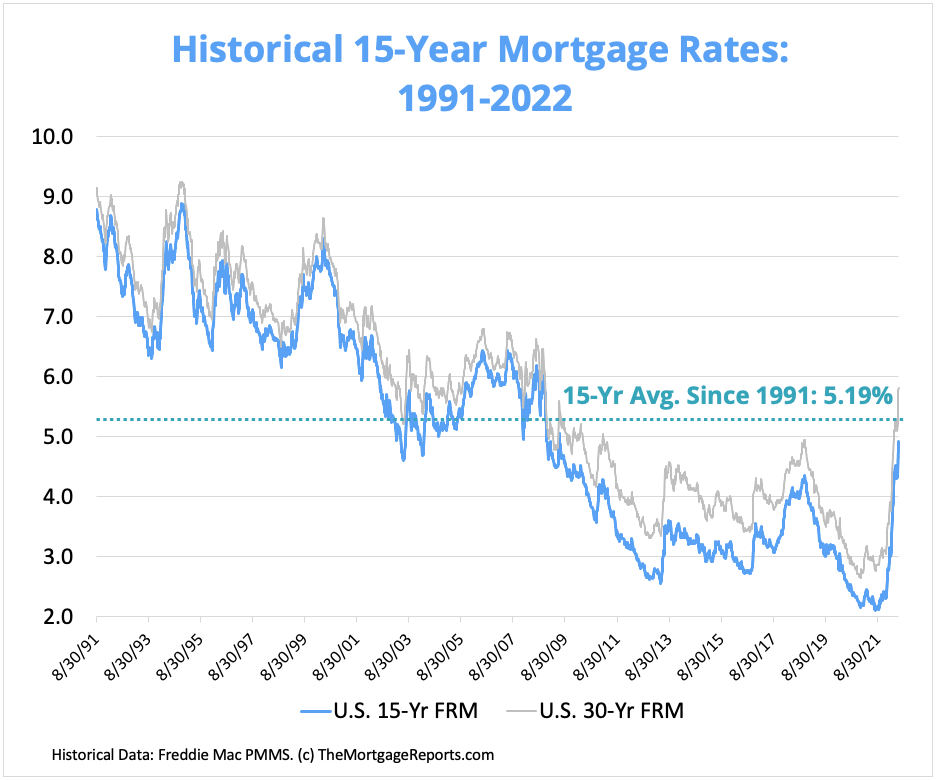
Staying informed about broader economic trends can give you an edge. Follow financial news, particularly reports on inflation, unemployment, and Federal Reserve announcements. Many financial websites provide daily updates on average mortgage rates, which can serve as a benchmark. While it’s impossible to perfectly time the market, understanding the general direction rates are headed can help you decide when to lock in a rate. If rates are trending downwards, you might wait a bit; if they seem poised to rise, locking in sooner might be prudent. Don’t chase the lowest possible rate obsessively, but be aware of the market context.
Shopping Around and Obtaining Multiple Quotes
This is arguably the single most important step in securing a competitive rate. Never settle for the first quote you receive. Different lenders (banks, credit unions, online lenders, mortgage brokers) have different pricing structures, overheads, and risk appetites, meaning the rates they offer can vary significantly for the same borrower.
-
Contact a variety of lenders: Reach out to at least three to five different lenders. Provide them with the same consistent information about your financial situation and the type of loan you’re seeking (a 15-year fixed-rate mortgage for X amount).
-
Use a mortgage broker: A mortgage broker works with multiple lenders and can often find competitive rates that you might not uncover on your own. They can also help navigate complex application processes.
-
Compare Loan Estimates: Once you receive quotes, lenders are legally required to provide a “Loan Estimate” form. This standardized document makes it easy to compare not just interest rates, but also points (fees paid to the lender to lower the interest rate), closing costs, and other fees across different offers. Pay close attention to the Annual Percentage Rate (APR), which reflects the true cost of borrowing, including most fees.
Leveraging a Strong Financial Profile
As discussed, your credit score, down payment, and DTI ratio are critical. Prioritize improving these aspects before applying for a mortgage.
-
Improve your credit score: Pay bills on time, reduce credit card balances, and avoid opening new lines of credit in the months leading up to your mortgage application.
-
Save for a larger down payment: A higher down payment (ideally 20% or more) can not only secure a lower interest rate but also eliminate PMI, leading to significant monthly savings.
-
Reduce debt: Lowering your DTI ratio by paying down existing debts (like car loans or student loans) will make you a more attractive borrower.
Understanding Rate Locks and Closing Costs
When you find a rate you like, you’ll want to “lock” it in. A rate lock guarantees a specific interest rate for a set period (e.g., 30, 45, or 60 days) while your loan is processed. This protects you from rate increases during the underwriting period. Be aware of the lock period and any fees associated with extending it if your closing is delayed.
Closing costs are another critical component. These are fees associated with the mortgage transaction, including appraisal fees, title insurance, attorney fees, and lender fees. They typically range from 2% to 5% of the loan amount. While separate from the interest rate, they significantly impact the overall cost of your mortgage. Always review the Loan Estimate carefully to understand all closing costs and ensure there are no unexpected fees. Sometimes, a slightly higher rate might come with lower closing costs, or vice versa, so weigh these factors together to determine the true best deal for your specific financial situation.
Comparing 15-Year vs. 30-Year Mortgages: A Deeper Dive
While this article focuses on 15-year mortgages, it’s impossible to discuss them without drawing comparisons to the more popular 30-year fixed-rate option. The choice between the two fundamentally boils down to a trade-off between monthly payment affordability and long-term financial efficiency.
Monthly Payment Differences and Affordability
The most immediate difference is the monthly payment. A 15-year mortgage will always have a higher monthly payment than a 30-year mortgage for the same loan amount and interest rate, simply because you’re paying back the principal over half the time. This higher payment requires a more robust monthly cash flow and a comfortable buffer in your budget. For some, the higher payment might stretch their budget too thin, making the 30-year option a necessity for affordability. It’s crucial to calculate both options and determine which fits realistically within your current and projected income.
Total Interest Paid: The Long-Term Cost Perspective
As previously highlighted, the 15-year mortgage typically saves a substantial amount in total interest paid over the life of the loan. This is due to two factors: a generally lower interest rate offered by lenders for the shorter term, and the simple fact that interest accrues for half the duration. While the monthly payments are higher, the cumulative cost of homeownership is dramatically reduced, making the 15-year option a powerful wealth-building tool if affordable.
Financial Flexibility vs. Long-Term Savings
Choosing between the two often comes down to prioritizing financial flexibility or maximizing long-term savings. The 30-year mortgage, with its lower monthly payments, offers greater financial flexibility. This can be beneficial for those who want more disposable income for other investments (e.g., a higher-return stock market portfolio), emergency savings, or simply more breathing room in their budget. The argument here is that while you pay more interest, you free up cash flow that could potentially generate higher returns elsewhere.
The 15-year mortgage, conversely, prioritizes aggressive debt reduction and guaranteed interest savings. For those who are disciplined with their money and comfortable with the higher payment, it’s a sure-fire way to build equity and achieve financial independence sooner. There’s less flexibility month-to-month, but significantly greater long-term financial security and reduced overall cost of the home.
Refinancing Considerations
It’s also worth noting that the choice isn’t necessarily permanent. Many homeowners start with a 30-year mortgage to take advantage of lower monthly payments, then refinance to a 15-year term once their income increases or they build sufficient equity. Conversely, some with 15-year mortgages might refinance to a 30-year term if they face financial hardship and need to lower their monthly obligations. Refinancing incurs closing costs, so these decisions should be weighed carefully against the potential benefits. The ideal scenario often involves starting with what is comfortably affordable and then optimizing as financial circumstances evolve.
Navigating the Application Process and Beyond
Once you’ve decided a 15-year mortgage is right for you and you’ve found a competitive rate, the application process requires attention to detail, and sound financial management continues long after closing.
Required Documentation and Underwriting
The mortgage application process is thorough, as lenders need to verify all aspects of your financial profile. You’ll typically need to provide:
-
Proof of Income: Pay stubs, W-2 forms, tax returns (typically for the last two years), and bank statements. For self-employed individuals, more extensive tax documentation and profit-and-loss statements will be required.
-
Asset Verification: Bank and investment statements to confirm your down payment funds, closing cost funds, and reserves.
-
Credit History: Lenders will pull your credit report to assess your creditworthiness.
-
Employment Verification: Lenders will confirm your employment history and current employment status.
-
Property Information: Details about the home you are purchasing or refinancing, including the appraisal and title report.
The underwriting process involves the lender reviewing all this documentation to assess the risk of lending to you. Be prepared to respond promptly to requests for additional information to avoid delays.
Understanding Loan Estimates and Closing Disclosures
These two documents are crucial for transparency in your mortgage transaction. The Loan Estimate is provided within three business days of your application and details the estimated interest rate, monthly payment, closing costs, and other loan terms. It’s designed to help you compare offers from different lenders.
The Closing Disclosure is provided at least three business days before your closing date. This document provides the final, actual costs of your loan. It’s imperative to compare the Closing Disclosure with your most recent Loan Estimate. Any significant discrepancies should be questioned and clarified with your lender before proceeding to closing. This final review ensures you understand all charges and the exact terms of your 15-year mortgage.
Post-Closing Financial Management and Future Considerations
Even after you’ve closed on your 15-year mortgage, your financial journey continues. It’s important to:
-
Set up automatic payments: Ensure your mortgage payments are made on time every month to maintain your credit score and avoid late fees.
-
Budget for homeownership costs: Remember that your mortgage payment is only one part of homeownership. Factor in property taxes, homeowner’s insurance (often escrowed with your mortgage payment), utilities, and maintenance costs.
-
Review your mortgage periodically: While a 15-year fixed-rate mortgage offers stability, it’s still wise to review your financial situation and market rates every few years. If interest rates drop significantly, or your income increases, you might consider a refinance to an even lower rate or a shorter term, if available.
-
Consider making extra payments: With a 15-year mortgage, even small additional principal payments can further accelerate your path to being mortgage-free, saving you even more interest over time.
In conclusion, the “current rate” on a 15-year mortgage is a moving target, influenced by global economics and your personal financial standing. However, by understanding the profound benefits of this mortgage type, the factors that dictate its rates, and employing diligent strategies for rate shopping and application, prospective homeowners can strategically position themselves to secure a highly advantageous 15-year mortgage. This path leads not only to significant financial savings but also to a faster, more secure journey towards true homeownership and financial freedom.
aViewFromTheCave is a participant in the Amazon Services LLC Associates Program, an affiliate advertising program designed to provide a means for sites to earn advertising fees by advertising and linking to Amazon.com. Amazon, the Amazon logo, AmazonSupply, and the AmazonSupply logo are trademarks of Amazon.com, Inc. or its affiliates. As an Amazon Associate we earn affiliate commissions from qualifying purchases.