
The question “What is the current price of Bitcoin?” is perhaps the most frequently searched query in the world of modern finance. However, for the astute investor, the numerical value displayed on a ticker is only the surface of a much deeper economic story. Bitcoin has evolved from an experimental digital currency into a legitimate asset class, often referred to as “digital gold.” Understanding its price requires a dive into the mechanics of market liquidity, macroeconomic shifts, and the psychological drivers of global capital.
In this guide, we explore the multifaceted nature of Bitcoin’s valuation, the factors that drive its notorious volatility, and the tools investors use to navigate this high-stakes financial frontier.
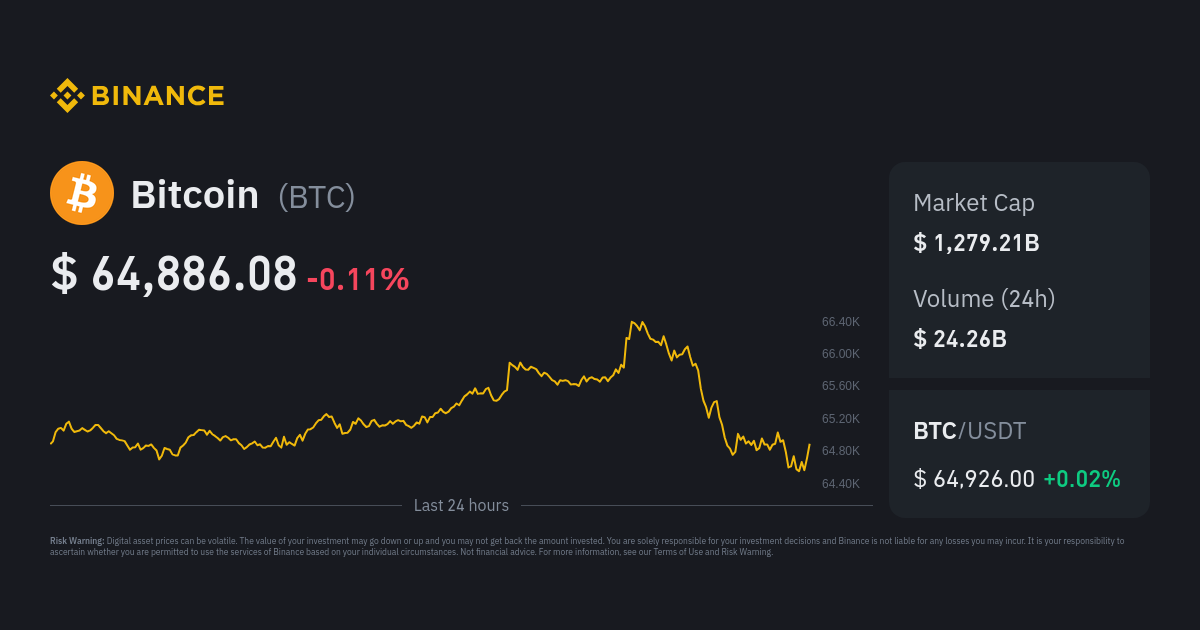
The Mechanics of Bitcoin Pricing: Supply, Demand, and Market Dynamics
At its most fundamental level, the price of Bitcoin is determined by the law of supply and demand. Unlike fiat currencies, which can be printed at the discretion of central banks, Bitcoin operates on a transparent, immutable monetary policy.
The Finite Supply and the Halving Cycle
One of the primary drivers of Bitcoin’s long-term price appreciation is its hard cap of 21 million coins. This programmed scarcity creates a “supply shock” environment, especially during “Halving” events. Approximately every four years, the reward for mining new blocks is cut in half, effectively reducing the rate at which new supply enters the market. Historically, these events have acted as catalysts for significant bull runs, as the diminishing supply struggles to meet steady or increasing demand.
Exchange Liquidity and Order Books
In the short term, the “current price” is the last traded price on a specific exchange. Because Bitcoin is traded across hundreds of global platforms (such as Coinbase, Binance, and Kraken), slight price discrepancies can exist. These are smoothed out by arbitrageurs—traders who buy on one exchange and sell on another to profit from the difference. The price you see on your screen is a reflection of the “order book,” where the collective “asks” (sellers) and “bids” (buyers) meet. When a massive “market buy” order is placed, it consumes the available sell orders, driving the price upward instantly.
Macroeconomic Factors Influencing Bitcoin’s Market Valuation
Bitcoin does not exist in a vacuum. As it has become more integrated into the global financial system, its price has become increasingly sensitive to traditional economic indicators and geopolitical events.
Inflation and the “Digital Gold” Narrative
Investors often turn to Bitcoin as a hedge against the debasement of fiat currency. When central banks engage in aggressive quantitative easing or when inflation rates climb, the purchasing power of the dollar or euro decreases. In these scenarios, Bitcoin’s fixed supply becomes highly attractive. The “Digital Gold” thesis posits that Bitcoin serves as a store of value that is easier to transport, verify, and divide than physical gold. Consequently, when the consumer price index (CPI) reflects rising costs, Bitcoin often sees a surge in speculative and protective investment.
Institutional Adoption and Spot ETFs
The entry of institutional capital has fundamentally changed the price floor of Bitcoin. The approval of Spot Bitcoin Exchange-Traded Funds (ETFs) in major markets like the United States has allowed pension funds, insurance companies, and retail investors to gain exposure to Bitcoin through traditional brokerage accounts. This “institutionalization” provides a massive influx of liquidity. When firms like BlackRock or Fidelity facilitate billions of dollars in inflows, the resulting buy pressure exerts a powerful upward force on the price, while also potentially reducing the extreme volatility seen in earlier years.

Technical Indicators and Sentiment Analysis in Price Prediction
For many participants in the “Money” niche, tracking the current price is about finding the right entry or exit point. This involves a blend of quantitative data and psychological assessment.
Moving Averages and Support Levels
Professional traders rarely look at the price in isolation. They use technical analysis (TA) to identify patterns. Key indicators include the 50-day and 200-day Moving Averages, which help smooth out daily noise to reveal the underlying trend. “Support levels” are price points where a downtrend tends to pause due to a concentration of demand, while “resistance levels” are where selling pressure typically halts an uptrend. Understanding these levels helps investors understand if the “current price” is a bargain or a peak.
The Fear and Greed Index
Bitcoin is a sentiment-driven asset. The market frequently oscillates between “irrational exuberance” and “extreme fear.” Tools like the Crypto Fear & Greed Index aggregate data from social media, volatility reports, and survey results to provide a snapshot of the market’s emotional state. When the index shows extreme greed, it often signals that the price is due for a correction. Conversely, extreme fear has historically been a lucrative buying opportunity for contrarian investors.
Practical Tools for Monitoring Bitcoin’s Real-Time Price
Because the Bitcoin market never sleeps—operating 24/7, 365 days a year—staying updated requires a robust suite of financial tools and platforms.
High-Authority Market Aggregators
To get a “global average” price, most investors use aggregators like CoinMarketCap or CoinGecko. These platforms calculate a volume-weighted average price (VWAP) by pulling data from all major exchanges. This provides a more accurate representation of the market’s value than any single exchange could offer. For those interested in more granular data, TradingView provides advanced charting capabilities, allowing users to overlay economic data, such as Federal Reserve interest rate hikes, directly against the Bitcoin price chart.
Setting Alerts and Automating Portfolio Tracking
Given the volatility of the asset, manual monitoring is often inefficient. Modern financial apps allow investors to set “Price Alerts.” If Bitcoin drops below or rises above a specific threshold, a notification is sent instantly. Furthermore, portfolio trackers like Delta or CoinStats allow investors to link their exchange accounts via API, providing a real-time valuation of their total holdings without the need for manual calculations. This automation is essential for maintaining a disciplined investment strategy and avoiding “FOMO” (Fear Of Missing Out) during rapid price movements.

Conclusion: The Price as a Reflection of Global Adoption
Ultimately, the current price of Bitcoin is a real-time barometer of the world’s trust in a decentralized financial system. Whether it is viewed as a speculative asset, a technological hedge, or a future global reserve currency, its value is a complex interplay of mathematics, macroeconomics, and human psychology.
For the modern investor, success lies not just in knowing the price today, but in understanding the drivers that will dictate the price tomorrow. By keeping a close eye on supply dynamics, institutional inflows, and technical market indicators, one can transition from a passive observer to a strategic participant in the digital economy. Bitcoin remains one of the most significant financial experiments in history, and its price is the headline of that ongoing story.
aViewFromTheCave is a participant in the Amazon Services LLC Associates Program, an affiliate advertising program designed to provide a means for sites to earn advertising fees by advertising and linking to Amazon.com. Amazon, the Amazon logo, AmazonSupply, and the AmazonSupply logo are trademarks of Amazon.com, Inc. or its affiliates. As an Amazon Associate we earn affiliate commissions from qualifying purchases.