
For many aspiring homeowners and seasoned investors alike, the question of “what is the current mortgage rate” is more than a simple inquiry into a percentage point; it is a fundamental query regarding purchasing power, long-term financial stability, and the overall health of the personal balance sheet. In the current economic climate, mortgage rates have become a central character in the narrative of personal finance, shifting from the historic lows of the early 2020s to the more volatile, elevated levels we see today.
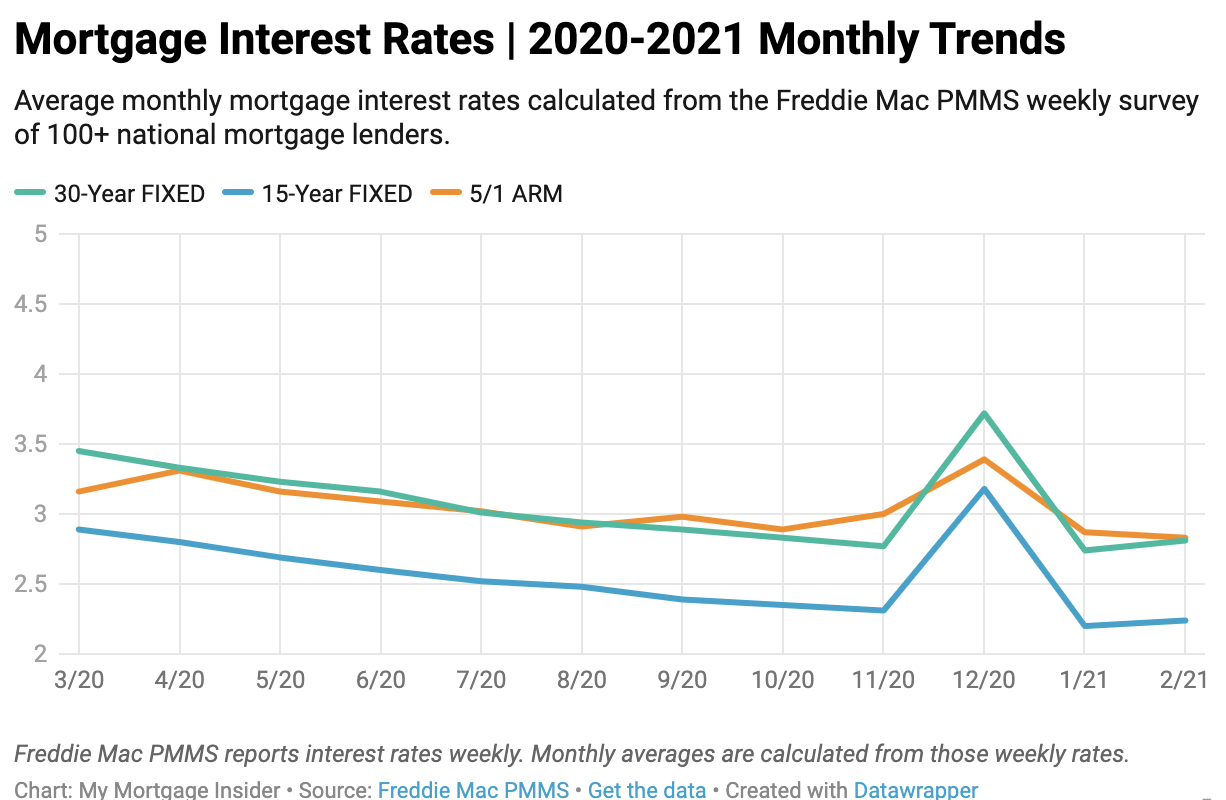
Understanding mortgage rates requires looking beyond a single daily number. It involves a deep dive into how global economics, federal policy, and individual financial health converge to determine the cost of borrowing. This guide provides a comprehensive analysis of the current mortgage landscape, the factors that drive rate movement, and the strategies you can employ to secure the best possible terms for your home investment.
Decoding the Mechanisms Behind Mortgage Rate Fluctuations
Mortgage rates do not exist in a vacuum. They are the result of a complex interplay between various economic indicators and market forces. While many consumers believe the Federal Reserve sets mortgage rates directly, the reality is more nuanced.
The Role of the Federal Reserve and Monetary Policy
The Federal Reserve influences mortgage rates primarily through its management of the federal funds rate—the interest rate at which commercial banks borrow and lend to each other overnight. When the Fed raises rates to combat inflation, the cost of borrowing increases across the board. While this doesn’t dictate mortgage rates one-to-one, it sets a “floor” for lending costs. When the Fed signals a “hawkish” stance (inclined to raise rates), mortgage lenders typically price in those expectations, leading to a rise in consumer mortgage rates.
The 10-Year Treasury Yield Connection
Perhaps the most direct barometer for the 30-year fixed mortgage is the 10-year Treasury yield. Investors often view mortgages as an alternative to government bonds. When the yield on the 10-year Treasury rises, mortgage rates almost always follow suit to remain competitive and attract investors to the secondary mortgage market. The “spread”—the difference between the 10-year Treasury yield and the average 30-year mortgage rate—is a key indicator of market volatility and lender risk appetite.
Inflation and Its Impact on Lending
Inflation is the natural enemy of fixed-income investments like mortgages. If a lender issues a 30-year loan at a 6% interest rate, but inflation rises to 5%, the real return for the lender is significantly diminished. Therefore, when inflation data (such as the Consumer Price Index) comes in higher than expected, mortgage rates tend to climb as lenders demand a higher premium to offset the eroding value of future payments.
Comparing Different Mortgage Products in Today’s Market
When asking about current rates, it is essential to specify the type of loan, as rates vary significantly based on the structure and duration of the debt. The “current rate” is actually a spectrum of options tailored to different financial goals.
The 30-Year Fixed-Rate Mortgage: The Gold Standard
The 30-year fixed-rate mortgage remains the most popular choice for American homebuyers. Its primary appeal is stability; the interest rate remains the same for the life of the loan, protecting the borrower from future market volatility. However, because the lender is taking on the risk of inflation and interest rate changes over three decades, these loans usually carry a higher interest rate than shorter-term options.
15-Year Fixed-Rate Mortgages for Accelerated Equity
For those looking to save on interest over the long term, the 15-year fixed-rate mortgage is a powerful tool. Because the loan term is shorter, lenders are exposed to less risk, allowing them to offer a lower interest rate—often 0.5% to 1% lower than the 30-year counterpart. The trade-off is a significantly higher monthly payment, which requires a robust monthly cash flow. This is an excellent vehicle for wealth building, as it allows the homeowner to build equity at a much faster pace.
Adjustable-Rate Mortgages (ARMs) in a High-Rate Environment
Adjustable-rate mortgages have regained popularity as rates have climbed. An ARM typically offers a lower “teaser” rate for an initial period (such as 5, 7, or 10 years). After that period, the rate adjusts periodically based on market indices. In a high-rate environment, an ARM can be a strategic move for a buyer who plans to sell the home or refinance before the adjustment period begins. However, it carries the inherent risk that rates could be significantly higher when the adjustment occurs.
How Your Personal Financial Health Dictates Your Offered Rate

The “national average” mortgage rate you see in the news is often reserved for “prime” borrowers—those with impeccable financial credentials. Your personal rate will be a reflection of the risk you represent to the lender.
The Power of the Credit Score
Your credit score is arguably the most significant factor in determining your individual mortgage rate. Lenders use tiered pricing; a borrower with a score of 760 or higher will receive the most competitive rates, while a borrower with a score in the 640 range might pay a full percentage point more (or more) in interest. Over the life of a $400,000 loan, that 1% difference can equate to nearly $100,000 in additional interest payments.
Debt-to-Income Ratio (DTI) and Loan-to-Value (LTV)
Lenders also scrutinize your Debt-to-Income ratio (the percentage of your gross monthly income that goes toward debt payments). A lower DTI suggests you have the financial “breathing room” to handle a mortgage. Similarly, the Loan-to-Value ratio—determined by your down payment—impacts your rate. A 20% down payment (80% LTV) usually eliminates the need for Private Mortgage Insurance (PMI) and signals to the lender that you have significant “skin in the game,” often resulting in a lower interest rate.
Employment History and Cash Reserves
In the world of personal finance, stability is currency. Lenders prefer to see a consistent two-year employment history in the same field. They also look for “reserves”—liquid assets (savings, stocks, bonds) that could cover several months of mortgage payments in the event of job loss. Strong reserves can sometimes help a borrower secure a better rate or overcome other minor weaknesses in their application.
Actionable Strategies to Lower Your Mortgage Rate
While you cannot control the Federal Reserve or global inflation, there are several proactive steps you can take to lower the interest rate you are offered.
The Importance of Rate Shopping
One of the biggest mistakes borrowers make is accepting the first quote they receive from their primary bank. Studies have shown that borrowers who obtain at least three to five quotes can save thousands of dollars over the life of the loan. Different lenders—credit unions, online lenders, and traditional banks—have different “appetites” for risk and different overhead costs, which reflects in the rates they offer.
Buying Down the Rate with Discount Points
If you have extra cash at closing and plan to stay in the home for a long time, “buying points” can be a wise financial move. One “point” typically costs 1% of the loan amount and reduces your interest rate by approximately 0.25%. This is essentially prepaying interest. To determine if this makes sense, you must calculate the “break-even point”—how many months of lower payments it will take to recoup the upfront cost of the points.
Timing the Lock
Mortgage rates fluctuate daily, sometimes even hourly. Once you find a rate you are comfortable with, you can “lock” it in. Most rate locks last for 30 to 60 days. If you believe rates will trend downward, you might wait, but this is a form of market timing that carries risk. Some lenders offer a “float-down” option, which allows you to lock in a rate but potentially lower it if market rates drop before you close.
The Long-Term Outlook: Should You Buy Now or Wait?
The question of whether to enter the market at current rates or wait for a potential decline is a central dilemma in modern personal finance.
Market Timing vs. Financial Readiness
Historical data suggests that trying to time the bottom of mortgage rates is a difficult task even for professional economists. Instead of focusing solely on the rate, focus on your financial readiness. If you have a stable income, a healthy emergency fund, and plan to hold the property for at least 7 to 10 years, the current mortgage rate becomes less of a hurdle. Real estate has historically appreciated over the long term, often outpacing the “cost” of a higher interest rate.
The “Date the Rate, Marry the House” Philosophy
A common mantra in the current market is “date the rate, marry the house.” This philosophy suggests that if you find the right home, you should purchase it now at the current rate, with the intention of refinancing in the future if rates drop. While this strategy has merit, it is important to ensure that you can comfortably afford the monthly payment at the current rate, as there is no guarantee that rates will significantly decline in the near future.
The Impact of Housing Inventory
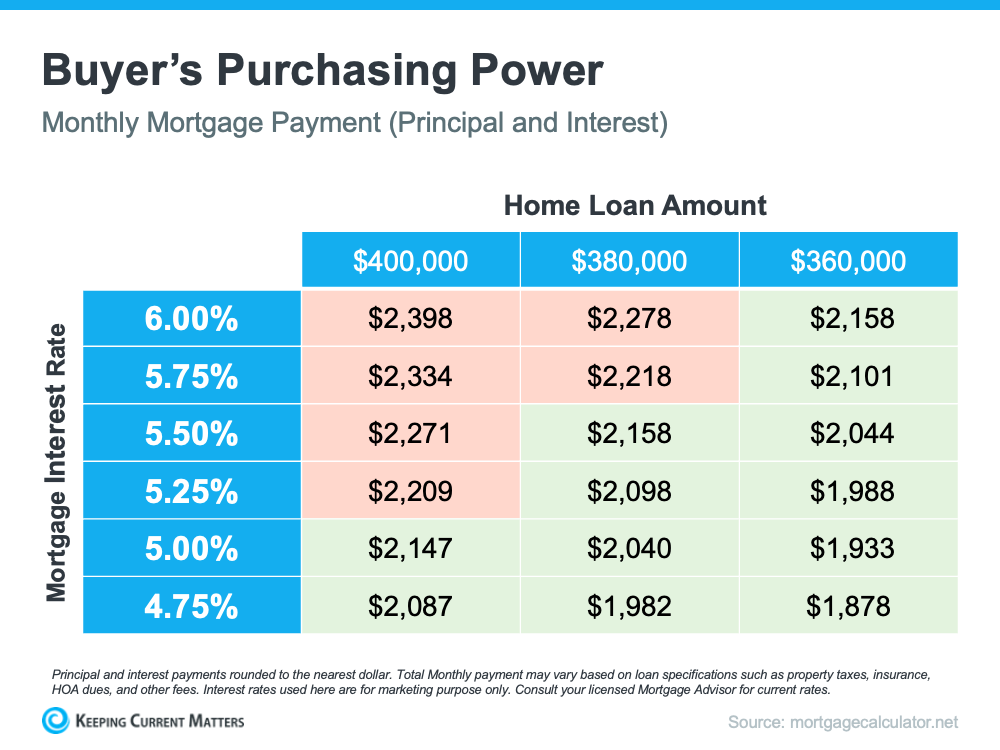
It is also vital to consider the relationship between interest rates and home prices. Often, when rates drop, buyer demand surges, which can lead to bidding wars and higher home prices. Conversely, higher rates can sometimes cool demand, allowing for more negotiation on the purchase price. From a total cost of ownership perspective, buying a home at a slightly lower price with a higher interest rate (and the option to refinance later) can sometimes be more advantageous than buying a home at a peak price with a lower rate.
In conclusion, while “current mortgage rates” may seem like a daunting barrier, they are simply one component of a larger financial equation. By understanding the economic drivers, optimizing your personal financial profile, and employing strategic borrowing tactics, you can navigate the housing market with confidence and make a decision that aligns with your long-term wealth-building goals.
aViewFromTheCave is a participant in the Amazon Services LLC Associates Program, an affiliate advertising program designed to provide a means for sites to earn advertising fees by advertising and linking to Amazon.com. Amazon, the Amazon logo, AmazonSupply, and the AmazonSupply logo are trademarks of Amazon.com, Inc. or its affiliates. As an Amazon Associate we earn affiliate commissions from qualifying purchases.