
When people ask, “How old is Apple?” they are often surprised to find that the tech giant is nearing its half-century milestone. Founded on April 1, 1976, by Steve Jobs, Steve Wozniak, and Ronald Wayne, Apple Inc. has spent over 48 years at the forefront of the digital revolution. While many Silicon Valley startups flame out within a decade, Apple has managed to reinvent itself multiple times, evolving from a garage-based hobbyist project into a global powerhouse that dictates the trajectory of modern technology.
To understand the age of Apple is to understand the history of personal computing, mobile telecommunications, and the integration of artificial intelligence into daily life. This article explores the chronological and technological maturity of Apple, breaking down its nearly five-decade journey into the pivotal eras that defined the world’s most influential tech company.
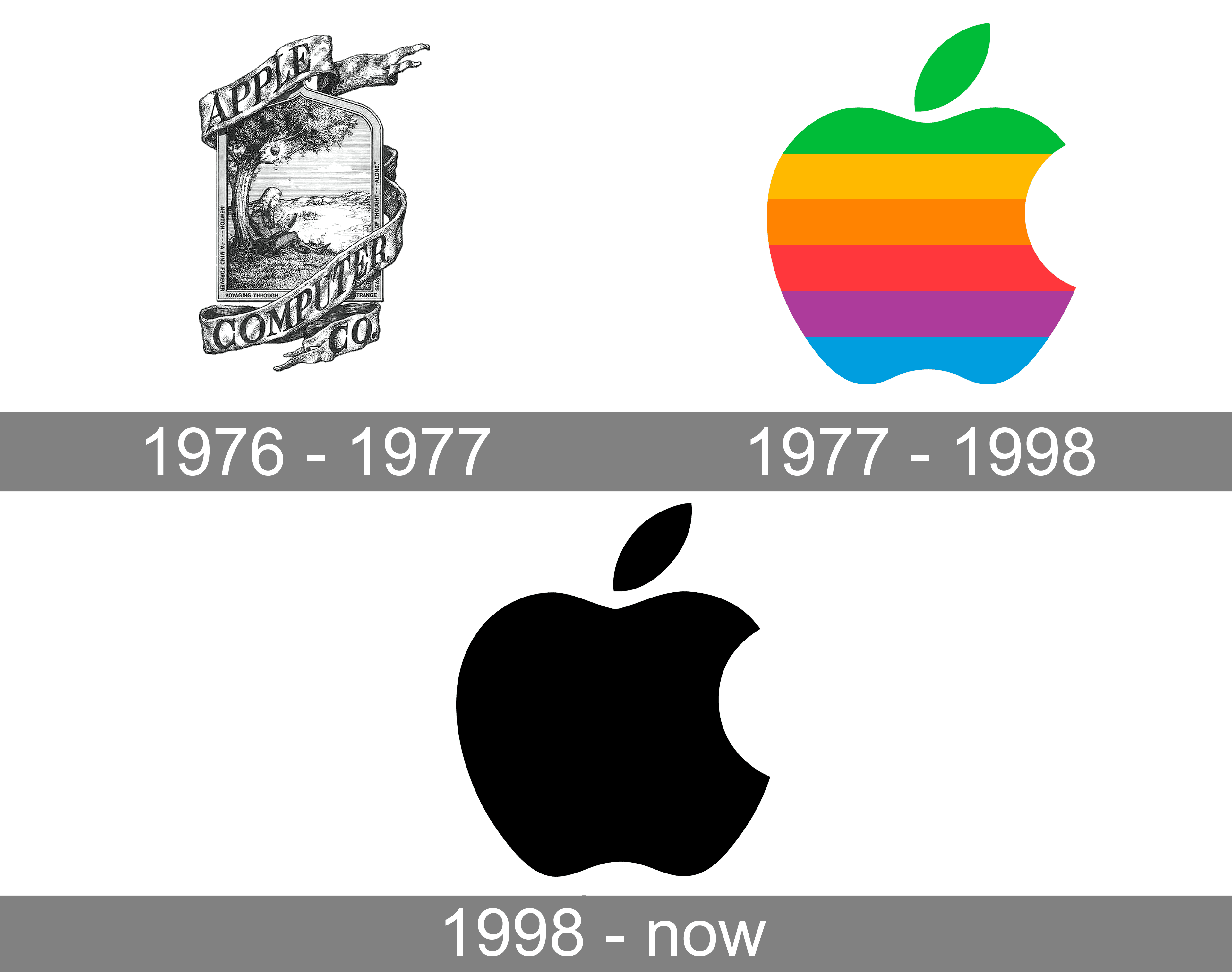
The Foundation and the First Wave of Personal Computing (1976–1984)
The “age” of Apple began not with a sleek smartphone, but with a hand-soldered circuit board known as the Apple I. At 48 years old, the company represents one of the longest-running success stories in the hardware sector. The early years were defined by a shift from hobbyist electronics to the first true “personal” computers.
The Apple II and the Birth of an Industry
In 1977, just a year after its founding, Apple released the Apple II. This was the first microcomputer to be housed in a plastic case and include color graphics. It wasn’t just a piece of technology; it was a statement that computers belonged in the home and the classroom, not just in sterilized corporate labs. The Apple II remained a cornerstone of the company’s revenue for over a decade, proving that Apple’s core philosophy—integrating hardware and software into a user-friendly package—was viable from the very start.
1984 and the Graphical User Interface (GUI)
As Apple approached its eighth birthday, it launched the Macintosh. This was a watershed moment in tech history. Before the Macintosh, interacting with a computer required typing complex text commands. Apple introduced the world to the mouse, windows, and icons. This era established Apple’s reputation for prioritizing the “User Experience” (UX), a technical focus that remains the company’s North Star to this day. Although the Macintosh was not an immediate commercial juggernaut compared to IBM’s offerings, it set the technological standard for every operating system that would follow.
The NeXT Era and the OS X Transformation (1997–2001)
By the mid-1990s, Apple was nearly 20 years old and facing a mid-life crisis. The company was struggling with an outdated operating system and a bloated product line. The turning point came in 1997 when Apple acquired NeXT, the company Steve Jobs founded during his exile from Apple. This acquisition didn’t just bring Jobs back; it brought the technological foundation for the next 25 years of Apple software.
From System 7 to Mac OS X
The “old” Apple software architecture was replaced by the Unix-based foundation of NeXTSTEP, which eventually became Mac OS X. This shift was critical for digital security and system stability. It introduced features like protected memory and preemptive multitasking, which allowed the Mac to handle more complex professional tasks. This era showed that Apple was capable of making hard technical pivots to ensure its longevity.
The iMac G3 and the “Digital Hub” Strategy
In 1998, Apple released the iMac G3. It was a technological marvel not just for its translucent Bondi Blue casing, but for what it removed: the floppy disk drive. Apple was the first major manufacturer to go “all-in” on USB and the internet. This marked the beginning of Apple’s “Digital Hub” strategy, where the Mac would serve as the center of a user’s digital life, connecting cameras, music players, and handheld devices. This period proved that Apple’s age had given it the wisdom to predict where consumer tech was headed before its competitors did.

The Mobile Revolution: iPod, iPhone, and the Rise of iOS (2001–2010)
As Apple entered its late 20s, it transitioned from a computer company to a consumer electronics giant. This decade was defined by miniaturization and the birth of the modern mobile ecosystem.
The iPod and the Shift to Portability
The 2001 release of the iPod was a masterclass in hardware engineering. While MP3 players already existed, Apple’s integration of the FireWire interface and the intuitive Click Wheel allowed for “1,000 songs in your pocket.” Technologically, this necessitated advancements in small-form-factor hard drives and, eventually, flash memory. The iPod paved the technical road for the iPhone by teaching Apple how to manage battery life and power efficiency in a pocket-sized device.
The iPhone: A Paradigm Shift in Software and Hardware
In 2007, at 31 years old, Apple released the iPhone. It wasn’t just a phone; it was a wide-screen iPod with touch controls and a “breakthrough internet communications device.” The introduction of multi-touch technology changed how humans interact with silicon. The subsequent launch of the App Store in 2008 created an entirely new software economy. By moving the complexity of the computer into a mobile OS (iOS), Apple successfully democratized high-level computing for billions of people.
Vertical Integration and the Apple Silicon Era (2010–Present)
Now in its late 40s, Apple is arguably at its most innovative from a technical perspective. The last decade has been defined by “vertical integration”—the process of Apple designing its own chips, software, and hardware to work in perfect harmony.
The Move to Apple Silicon (M-Series Chips)
For years, Apple relied on Intel to provide the processors for its Macs. However, in 2020, Apple began the transition to its own “Apple Silicon” (the M1, M2, and M3 chips). Based on the ARM architecture, these chips revolutionized the industry by providing unprecedented performance-per-watt. This transition allowed Apple to reclaim total control over its hardware roadmap, ensuring that macOS and Mac hardware are optimized at a molecular level. This technological independence is a feat that few companies in history have achieved.
Privacy, Security, and the “Walled Garden”
As digital security became a global concern, Apple used its mature position to lead in hardware-level encryption. Features like the Secure Enclave and “Sign in with Apple” have turned privacy into a core technological feature. By controlling the entire stack—from the silicon to the cloud (iCloud) to the end-user device—Apple has created an ecosystem (the “Walled Garden”) that offers a level of security and seamlessness that remains the industry benchmark.
The Future: Spatial Computing and AI Tools
As Apple nears its 50th anniversary, it is looking toward the next frontier: Spatial Computing. The release of the Apple Vision Pro represents a massive leap in sensor fusion, eye-tracking technology, and micro-OLED displays. Furthermore, the integration of “Apple Intelligence” (AI) across its operating systems demonstrates that the company is evolving once again. Rather than chasing generic chatbots, Apple is focusing on on-device AI that prioritizes user context and privacy, proving that even at 48, the company remains as technologically nimble as a startup.
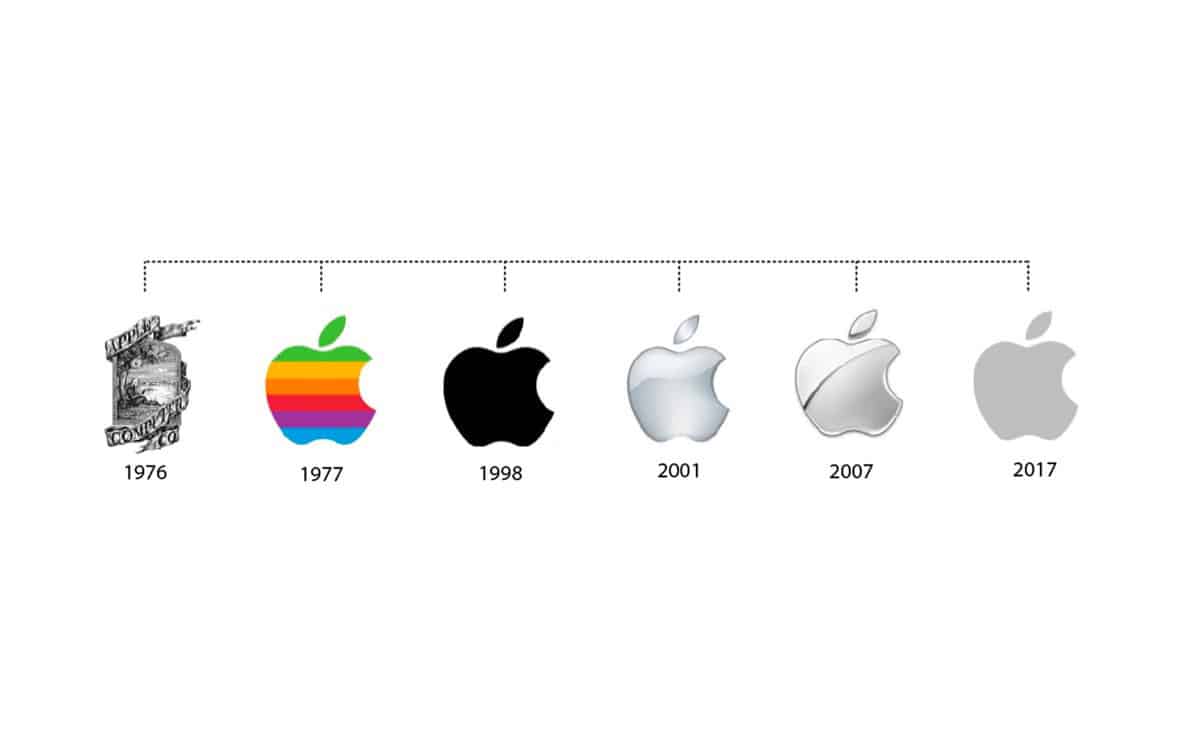
Conclusion: A Legacy of Technological Maturity
So, how old is Apple? Chronologically, it is 48 years old. But technologically, it is a company that has lived through several lifetimes. It survived the birth of the personal computer, the rise of the internet, the mobile revolution, and the current shift toward artificial intelligence and spatial computing.
Apple’s longevity is not merely a result of good marketing; it is the result of a relentless focus on the intersection of the liberal arts and technology. By consistently asking how hardware can better serve human needs, Apple has managed to stay relevant across five decades. From the hand-built Apple I to the M3-powered MacBook Pro and the Vision Pro headset, the age of Apple is a testament to the power of technical evolution and the pursuit of a seamless digital ecosystem. As the company approaches its 50th year in 2026, it shows no signs of slowing down, continuing to set the pace for the rest of the technology world.
aViewFromTheCave is a participant in the Amazon Services LLC Associates Program, an affiliate advertising program designed to provide a means for sites to earn advertising fees by advertising and linking to Amazon.com. Amazon, the Amazon logo, AmazonSupply, and the AmazonSupply logo are trademarks of Amazon.com, Inc. or its affiliates. As an Amazon Associate we earn affiliate commissions from qualifying purchases.