
Understanding the current interest rate on a mortgage is a pivotal concern for anyone contemplating homeownership, refinancing an existing loan, or simply monitoring the health of the housing market. Mortgage rates are not static; they are dynamic, influenced by a complex interplay of economic indicators, global events, and lender strategies. For prospective homeowners, a fraction of a percentage point difference can translate into tens of thousands of dollars over the lifetime of a loan, significantly impacting affordability and long-term financial planning. This article delves into the intricacies of mortgage interest rates, exploring what drives their fluctuations, the different types available, and how individuals can position themselves to secure the most favorable terms in today’s ever-evolving financial landscape.
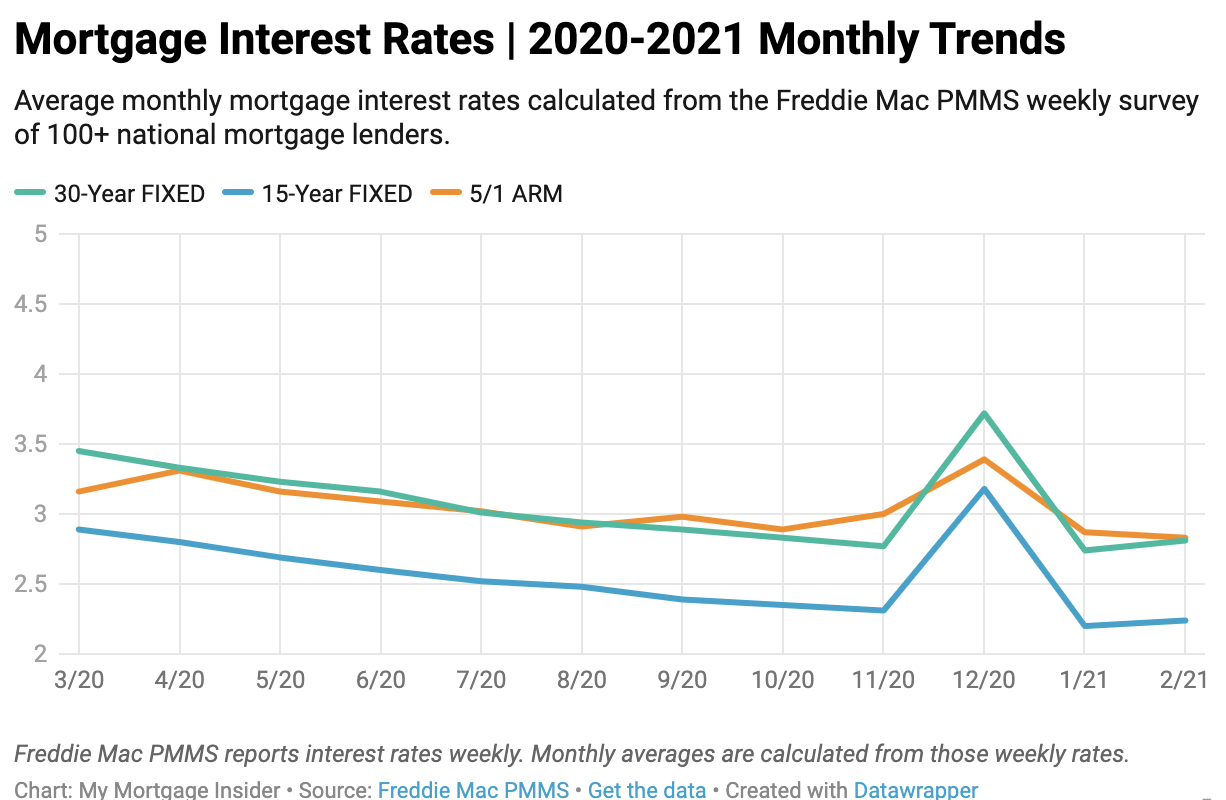
Understanding Mortgage Interest Rates in Today’s Market
The question “what is the current interest rate on a mortgage?” is never met with a single, definitive answer. Rather, it’s a snapshot of a highly variable and individualized financial product. Interest rates are essentially the cost of borrowing money, expressed as a percentage of the principal loan amount. For a mortgage, this rate determines how much you pay back to the lender beyond the original amount borrowed, calculated periodically over the loan’s term.
The Dynamic Nature of Mortgage Rates
Mortgage rates are in constant flux, changing not just daily, but sometimes hourly, in response to market conditions. Unlike fixed-price goods, the price of borrowing money is a living indicator of broader economic health and future expectations. These rates are influenced by a multitude of factors, making it crucial for borrowers to track trends and understand the underlying forces at play. A rate quoted one day might be significantly different a week later, underscoring the importance of timely decision-making and preparedness when entering the housing market.
Key Factors Influencing Mortgage Rates
Several powerful forces conspire to shape the direction and magnitude of mortgage interest rates. Chief among these is the monetary policy of central banks, particularly the Federal Reserve in the United States. While the Fed does not directly set mortgage rates, its actions significantly influence the cost of money for banks, which in turn affects what they charge consumers.
- Federal Reserve Policy: The Fed’s decisions on the federal funds rate, its benchmark interest rate, ripple through the entire financial system. When the Fed raises rates to combat inflation, borrowing costs typically increase across the board, including for mortgages. Conversely, rate cuts designed to stimulate economic growth tend to push mortgage rates down.
- Inflation: The rate of inflation is a critical determinant. Lenders need to ensure that the interest they earn on a loan outpaces the erosion of purchasing power caused by inflation. Higher inflation generally leads to higher interest rates to compensate lenders for the reduced value of future repayments.
- Economic Growth: A strong economy, characterized by robust job growth and consumer spending, often correlates with higher interest rates. Lenders perceive less risk in a thriving economy and can command higher returns. Conversely, economic slowdowns or recessions often lead to lower rates as the Fed attempts to stimulate activity.
- The Bond Market (Specifically 10-Year Treasury Yields): Mortgage rates tend to track the yield on the 10-year Treasury bond very closely. These bonds are seen as a low-risk investment, and their yields act as a benchmark for long-term lending. When demand for Treasuries falls (and yields rise), mortgage rates generally follow suit.
- Lender Competition and Capacity: The competitive landscape among mortgage lenders also plays a role. In a highly competitive market, lenders might slightly lower their rates to attract more borrowers. Their capacity to originate new loans, based on their balance sheets and funding costs, also influences the rates they offer.
Differentiating Between APR and Interest Rate
A common point of confusion for borrowers is the difference between the quoted interest rate and the Annual Percentage Rate (APR). The interest rate is simply the percentage you pay on the principal loan amount. It determines your monthly mortgage payment. However, the APR is a broader measure of the total cost of borrowing, expressed as an annual rate. It includes not only the interest rate but also other fees and costs associated with the loan, such as origination fees, discount points, mortgage broker fees, and some closing costs.
Comparing APRs across different lenders provides a more accurate picture of the true cost of each loan option, allowing borrowers to make a more informed decision. A loan with a lower interest rate might have a higher APR if it comes with significant upfront fees, making it potentially more expensive in the long run.
Types of Mortgage Rates: Fixed vs. Adjustable
When applying for a mortgage, one of the fundamental decisions involves choosing between a fixed-rate and an adjustable-rate mortgage (ARM). Each type carries distinct advantages and disadvantages, catering to different financial circumstances and risk tolerances.
Fixed-Rate Mortgages: Stability and Predictability
A fixed-rate mortgage is characterized by an interest rate that remains constant for the entire duration of the loan. This means your principal and interest payment will never change, providing unparalleled stability and predictability in your monthly housing expenses. Common terms for fixed-rate mortgages include 15-year, 20-year, and 30-year options, with the 30-year fixed being the most popular due to its lower monthly payments.
- Pros: Predictable monthly payments, protection from rising interest rates, easier budgeting, peace of mind.
- Cons: Often have a higher initial interest rate compared to ARMs, no benefit if rates fall (unless you refinance).
- Best For: Borrowers planning to stay in their home for an extended period, those who prioritize stable payments, and individuals who want protection from market volatility.
Adjustable-Rate Mortgages (ARMs): Initial Savings with Future Risk
An adjustable-rate mortgage (ARM) features an interest rate that is fixed for an initial period and then adjusts periodically based on a predetermined index (like the Secured Overnight Financing Rate – SOFR) plus a margin set by the lender. Common ARMs are hybrid ARMs, such as 5/1 ARM, 7/1 ARM, or 10/1 ARM. The first number indicates the number of years the initial rate is fixed, and the second number indicates how frequently the rate adjusts after the fixed period (e.g., annually).
- Pros: Often offer a lower initial interest rate than fixed-rate mortgages, resulting in lower initial monthly payments; beneficial if you plan to sell or refinance before the fixed period ends, or if you expect interest rates to fall.
- Cons: Payments can increase significantly when the rate adjusts, introducing payment uncertainty and financial risk; potential for higher overall cost if rates climb. ARMs typically have caps (periodic and lifetime) that limit how much the interest rate can change.
- Best For: Borrowers who plan to sell or refinance within the initial fixed-rate period, those who anticipate a significant increase in income, or individuals comfortable with some level of risk and market speculation.
Choosing the Right Rate Type for Your Financial Situation
The decision between a fixed-rate and an adjustable-rate mortgage hinges on several personal and economic factors. Consider your long-term plans: Do you intend to stay in the home for a long time, or is it a short-term stepping stone? Evaluate your risk tolerance: Are you comfortable with potential payment fluctuations, or do you prefer the certainty of a fixed payment? Finally, assess the prevailing interest rate environment and future outlook: Are rates expected to rise or fall? For most homeowners seeking long-term stability, a fixed-rate mortgage remains the preferred choice. However, ARMs can be a strategic option for those with specific financial plans or a higher tolerance for risk.
How Your Personal Profile Impacts Your Mortgage Rate
Beyond the broader economic landscape and the chosen loan type, your individual financial profile plays a critical role in determining the actual interest rate you’ll be offered. Lenders assess your creditworthiness and ability to repay the loan to mitigate their risk.
Credit Score: Your Financial Report Card
Your credit score, typically a FICO score, is one of the most significant factors lenders consider. It’s a numerical representation of your credit risk, based on your payment history, amounts owed, length of credit history, new credit, and credit mix. A higher credit score (generally above 740) indicates a responsible borrower and typically qualifies you for the best available interest rates, as lenders perceive less risk. Conversely, a lower score suggests a higher risk, leading to higher interest rates or even loan denial.
- How to Improve It: Pay bills on time, keep credit utilization low, avoid opening too many new credit accounts, correct errors on your credit report.
Debt-to-Income (DTI) Ratio: Assessing Your Affordability
Your debt-to-income (DTI) ratio is a critical metric for lenders, indicating how much of your gross monthly income goes towards debt payments. It’s typically calculated in two ways:
* Front-end DTI (Housing Ratio): Your proposed monthly housing payment (principal, interest, property taxes, homeowner’s insurance) divided by your gross monthly income.
* Back-end DTI (Total Debt Ratio): Your total monthly debt payments (including housing, credit cards, auto loans, student loans) divided by your gross monthly income.
Lenders prefer lower DTI ratios, often looking for a back-end DTI of 36% or less, though some programs allow up to 43% or even 50% under certain circumstances. A lower DTI signifies that you have more disposable income to comfortably manage your mortgage payments, making you a less risky borrower and potentially qualifying you for better rates.

Down Payment Size: Lowering Lender Risk
The size of your down payment directly impacts your loan-to-value (LTV) ratio, which is another key factor for lenders. A larger down payment means you’re borrowing less money relative to the home’s value, reducing the lender’s risk.
- Impact: A substantial down payment (e.g., 20% or more) often translates to lower interest rates. It also helps you avoid private mortgage insurance (PMI), an additional cost typically required for down payments less than 20% on conventional loans.
- Loan-to-Value (LTV) Ratio: This ratio compares the amount of the loan to the appraised value of the property. A lower LTV (e.g., 80% LTV, meaning a 20% down payment) is generally seen favorably by lenders and can secure more competitive rates.
Loan Term and Type
The loan term (e.g., 15-year vs. 30-year) also influences the interest rate. Shorter-term mortgages (e.g., 15-year fixed) typically come with lower interest rates than longer-term mortgages (e.g., 30-year fixed). This is because lenders perceive less risk over a shorter period. While the monthly payments are higher for a 15-year loan, the total interest paid over the life of the loan is significantly less.
Additionally, the type of loan can affect rates. Conventional loans generally offer competitive rates for well-qualified borrowers. Government-backed loans like FHA, VA, and USDA loans have specific eligibility requirements and often offer favorable rates, particularly for borrowers who might not qualify for conventional loans due to lower credit scores or smaller down payments (FHA), or for eligible service members and veterans (VA).
Strategies for Securing the Best Mortgage Rate
While many factors influencing mortgage rates are beyond an individual’s control, prospective borrowers can employ several strategic approaches to maximize their chances of securing the most favorable terms. Diligence and preparation are key.
Shop Around and Compare Lenders
This is perhaps the single most crucial step. Interest rates can vary significantly from one lender to another, even on the same day for the same borrower profile. Don’t settle for the first offer you receive. Contact multiple lenders—including large banks, credit unions, and mortgage brokers—and request detailed Loan Estimates. This allows you to compare not only interest rates but also APRs, fees, and closing costs, providing a comprehensive view of each loan’s true cost. Aim to get quotes from at least three to five lenders.
Improve Your Credit Score
As discussed, a higher credit score unlocks better rates. Before applying for a mortgage, take proactive steps to boost your score:
- Pay bills on time, every time: Payment history is the biggest factor.
- Reduce outstanding debt: Especially on credit cards, which impacts your credit utilization ratio.
- Review your credit report: Check for errors and dispute any inaccuracies promptly.
- Avoid opening new credit accounts: This can temporarily lower your score.
Optimize Your Debt-to-Income Ratio
Lowering your DTI ratio signals to lenders that you have more financial capacity to manage your mortgage payments.
- Pay down existing debts: Focus on high-interest debts like credit cards.
- Avoid taking on new debt: Refrain from major purchases that require financing (e.g., a new car) before and during the mortgage application process.
- Consider increasing your income (if possible): While not always feasible in the short term, a higher income directly lowers your DTI.
Consider a Larger Down Payment
If financially feasible, making a larger down payment (ideally 20% or more) can significantly improve your mortgage rate. It reduces the lender’s risk, potentially allowing them to offer you a lower interest rate, and also helps you avoid the additional cost of private mortgage insurance (PMI). Even a slightly larger down payment can move you into a more favorable LTV bracket, yielding better terms.
Understand and Utilize Mortgage Points
Mortgage points, also known as discount points, are fees paid to the lender at closing in exchange for a lower interest rate over the life of the loan. One point typically costs 1% of the loan amount. While paying points increases your upfront costs, it can lead to substantial savings over the long term, especially if you plan to stay in the home for many years. Calculate the break-even point to determine if buying down the rate is financially advantageous for your specific situation.
Locking In Your Rate
Once you’ve received a favorable rate offer, inquire about rate locks. A rate lock guarantees your interest rate for a specified period (e.g., 30, 45, or 60 days) while your loan application is processed. This protects you from rate increases during the closing period. Be aware of the lock duration and any fees associated with extending it if your closing is delayed.
The Broader Economic Landscape and Future Outlook
Understanding the current interest rate on a mortgage also necessitates a glance at the broader economic landscape. Mortgage rates are intrinsically linked to the health of the economy, and future trends are often a subject of intense speculation and analysis.
Federal Reserve Policy and Its Ripple Effects
The Federal Reserve’s stance on monetary policy remains the most potent external force influencing mortgage rates. When the Fed signals a commitment to fighting inflation, through interest rate hikes or quantitative tightening (reducing its bond holdings), mortgage rates typically respond by moving higher. Conversely, if the economy weakens and the Fed pivots to an accommodative stance, rates generally decline. Monitoring Fed announcements and speeches provides valuable insight into potential rate movements.
Inflationary Pressures and Mortgage Rates
Persistent inflation is a significant concern for lenders. If the purchasing power of money erodes, lenders demand higher interest rates to ensure a real return on their investment. Periods of high inflation almost inevitably lead to higher mortgage rates, as seen in various economic cycles. The trajectory of inflation—whether it’s cooling down or remaining stubbornly high—will continue to be a primary driver of mortgage rate direction.

Expert Predictions and Market Volatility
While financial experts and economists frequently offer predictions on future mortgage rate trends, it’s crucial to approach these forecasts with a degree of caution. The global economy is susceptible to unforeseen events—geopolitical tensions, supply chain disruptions, energy crises, or new public health challenges—which can introduce significant volatility. Mortgage rates can shift rapidly in response to breaking news or evolving market sentiment. For the average borrower, the most practical approach is to stay informed, prepare their financial profile, and work closely with reputable lenders and financial advisors.
In conclusion, the “current interest rate on a mortgage” is a multifaceted figure, a product of global economic forces, central bank policies, and individual financial health. By understanding these dynamics and actively implementing strategic planning, prospective and existing homeowners can navigate the complex mortgage market more effectively, securing a loan that aligns with their financial goals and provides a stable foundation for their homeownership journey.
aViewFromTheCave is a participant in the Amazon Services LLC Associates Program, an affiliate advertising program designed to provide a means for sites to earn advertising fees by advertising and linking to Amazon.com. Amazon, the Amazon logo, AmazonSupply, and the AmazonSupply logo are trademarks of Amazon.com, Inc. or its affiliates. As an Amazon Associate we earn affiliate commissions from qualifying purchases.