
The housing market is currently standing at a significant historical crossroads. For nearly a decade following the 2008 financial crisis, prospective homeowners and real estate investors enjoyed a climate of historically low interest rates. However, the economic landscape shifted dramatically in the post-pandemic era, leading to a period of aggressive monetary tightening that has redefined the cost of borrowing. Understanding the current housing interest rates is no longer just a matter of checking a daily ticker; it requires a deep dive into macroeconomic policy, inflation trends, and personal financial strategy.
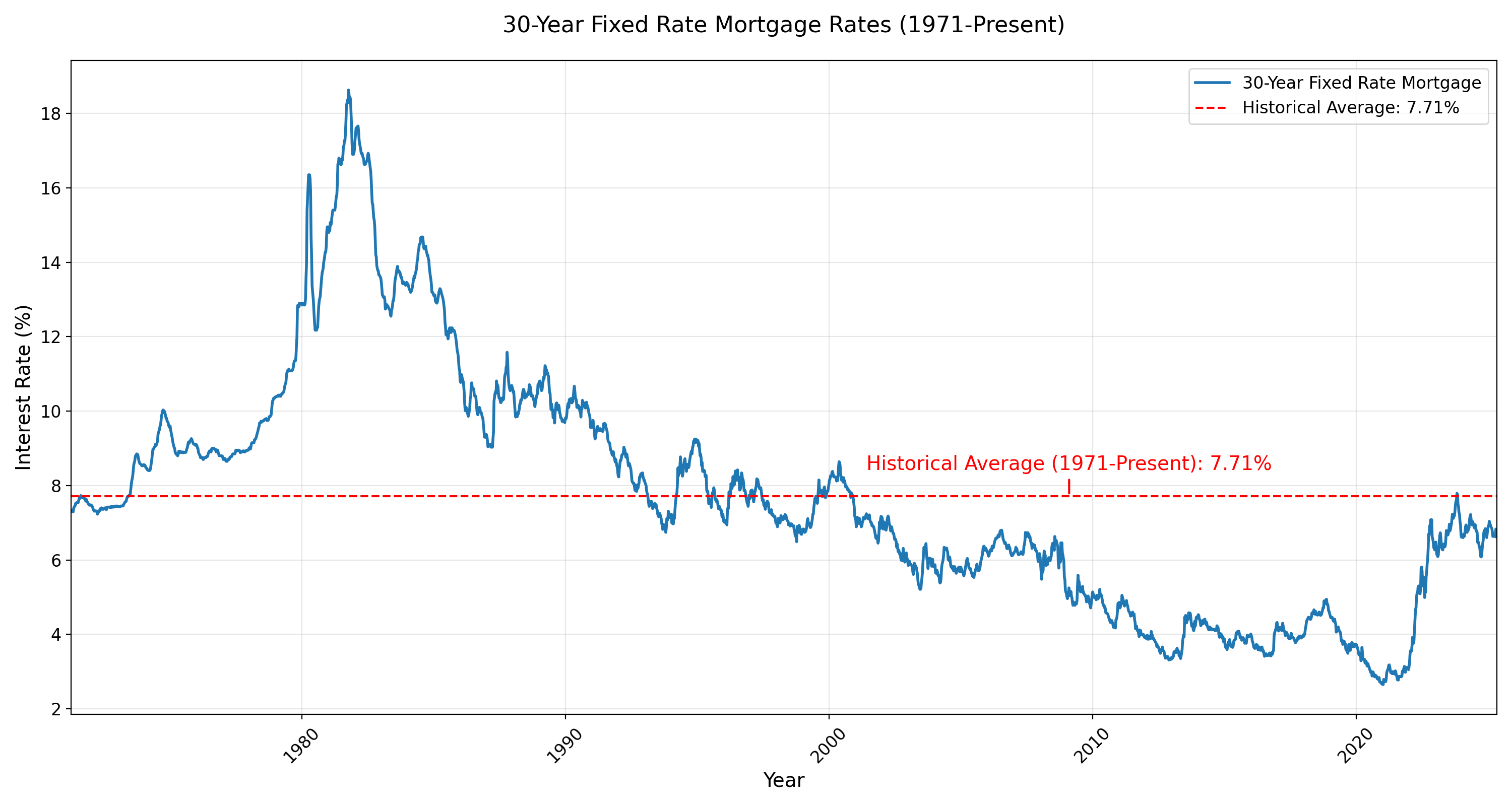
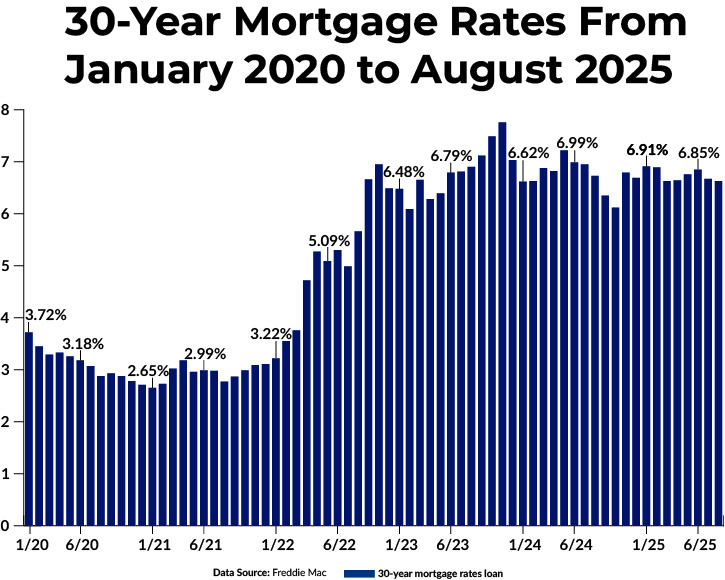
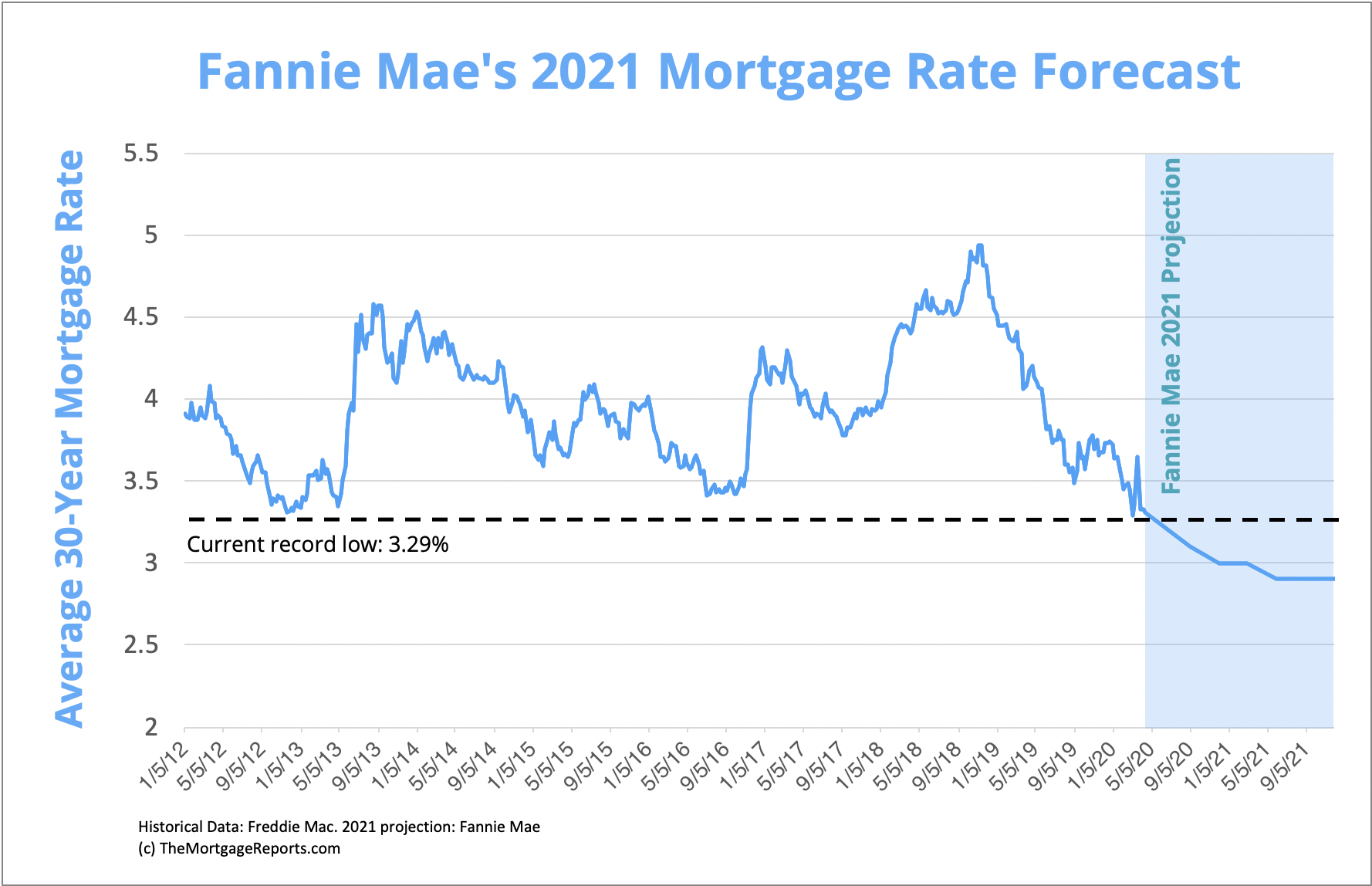
In the current environment, interest rates for a standard 30-year fixed-rate mortgage have fluctuated significantly, moving far away from the 3% lows seen in 2021. This shift has created a “new normal,” where buyers must be more calculated than ever. This article explores the mechanics behind these rates, the different loan products available, and the strategies individuals can use to secure the best possible terms in a high-rate environment.
Understanding the Factors Influencing Current Housing Interest Rates
Interest rates are not set in a vacuum. They are the result of a complex interplay between government policy, global economic health, and investor sentiment. To understand why your local bank is quoting a specific percentage, one must look at the broader financial ecosystem.
The Federal Reserve and Monetary Policy
While the Federal Reserve does not directly set mortgage rates, its influence is paramount. The “Fed” sets the federal funds rate—the interest rate at which commercial banks borrow and lend to each other overnight. When the Fed raises this rate to combat inflation, the cost of doing business for banks increases. These costs are invariably passed down to consumers in the form of higher interest rates on mortgages, credit cards, and personal loans. In recent years, the Fed’s commitment to bringing inflation down to its 2% target has been the primary engine driving mortgage rates upward.
Inflation and Its Direct Impact
Mortgage lenders are essentially investors who are “buying” your debt. To make a profit, they must ensure that the interest you pay them exceeds the rate of inflation. If inflation is running at 4%, a 3% mortgage rate would result in a net loss of purchasing power for the lender. Therefore, as inflation rises, lenders preemptively raise interest rates to protect their margins. This is why mortgage rates often move in anticipation of Consumer Price Index (CPI) reports. When inflation shows signs of cooling, rates often stabilize; when it spikes, rates follow suit.
The Role of 10-Year Treasury Yields
There is a strong historical correlation between the 10-year Treasury note yield and the 30-year fixed mortgage rate. Investors often view these two as comparable long-term assets. Typically, mortgage rates hover about 1.5 to 3 percentage points (the “spread”) above the 10-year Treasury yield. In times of economic uncertainty or market volatility, this spread can widen as lenders demand a higher “risk premium” for lending to individuals versus lending to the government. Monitoring the bond market is often the best way to predict where housing rates will go in the short term.
Different Types of Mortgage Rates: Which One Suits Your Financial Strategy?
When people ask “what is the current rate,” they are often referring to the 30-year fixed-rate mortgage. However, the financial market offers various products designed to cater to different risk tolerances and investment timelines. Selecting the right one is a cornerstone of sound personal finance.
Fixed-Rate Mortgages: The Stability Benchmark
The 30-year fixed-rate mortgage remains the gold standard for American homebuyers. It offers a predictable monthly payment for three decades, shielding the borrower from future interest rate hikes. For those looking to build long-term equity and who plan to stay in their home for more than seven years, this is often the safest bet. Conversely, the 15-year fixed-rate mortgage offers significantly lower interest rates but requires much higher monthly payments. This is an excellent tool for high-income earners looking to minimize the total interest paid over the life of the loan.
Adjustable-Rate Mortgages (ARMs)
In a high-rate environment, Adjustable-Rate Mortgages often see a surge in popularity. An ARM typically offers a lower “introductory” rate for a set period (usually 5, 7, or 10 years). After this period, the rate adjusts annually based on market indices. For a buyer who intends to sell the property or refinance before the introductory period ends, an ARM can save tens of thousands of dollars in interest. However, it carries the risk of “payment shock” if rates remain high when the adjustment period kicks in.
Government-Backed Loans: FHA, VA, and USDA
For many, the “current rate” is also dictated by the type of loan program they qualify for. FHA loans, backed by the Federal Housing Administration, often offer slightly lower interest rates than conventional loans to help those with lower credit scores or smaller down payments. VA loans, available to veterans and active-duty service members, frequently provide the most competitive rates in the market with no down payment requirement. Understanding these niche financial products is essential for maximizing your purchasing power.
Navigating High Interest Rates: Strategies for Potential Homebuyers
Current housing interest rates have undeniably impacted affordability, but they have not made homeownership impossible. Successful participants in today’s market use specific financial maneuvers to mitigate the impact of higher borrowing costs.
Improving Credit Scores for Better Terms
In a high-rate environment, the “spread” between a borrower with a 640 credit score and one with a 760 score can be substantial. A difference of just 1% in an interest rate can result in hundreds of dollars in savings every month. Before applying for a mortgage, individuals should focus on reducing their debt-to-income (DTI) ratio, correcting errors on their credit reports, and avoiding new lines of credit. Treating credit repair as a financial investment is the most effective way to lower your personal interest rate.
The “Buy Now, Refinance Later” Philosophy
Many financial advisors currently suggest that buyers should “marry the house and date the rate.” The logic is that while interest rates are high, home price appreciation may continue due to low inventory. If a buyer waits for rates to drop to 4% again, they may find themselves in a bidding war that pushes the home price up by $50,000 or more. By purchasing now, the buyer locks in the price of the asset. If rates drop in the future, they can refinance into a lower-rate loan, effectively getting the best of both worlds.
Strategic Down Payments and Buying Down the Rate
Another common strategy in the current market is “buying points.” A discount point is an upfront fee paid to the lender at closing in exchange for a lower interest rate. For example, paying 1% of the loan amount upfront might lower your interest rate by 0.25%. For those who plan to hold the property for a long time, the “break-even” point—where the monthly savings exceed the upfront cost—can be reached relatively quickly. Additionally, a larger down payment reduces the total principal, which inherently lowers the monthly interest burden.
The Broader Economic Impact of Interest Rate Fluctuations
Housing interest rates do more than just dictate monthly payments; they serve as a pulse for the entire economy. Their movement influences everything from the rental market to the availability of new construction.
Real Estate Market Liquidity and the “Lock-In” Effect
One of the most profound effects of the current rate hike is the “lock-in” effect. Many existing homeowners are currently sitting on 2.5% or 3% mortgage rates. If they sell their current home to buy a new one, they would have to take on a new mortgage at 6.5% or 7%. This has caused a massive stagnation in inventory, as people are reluctant to move. This lack of supply keeps home prices artificially high, even as interest rates make borrowing more expensive, creating a challenging environment for first-time buyers.
Rental Market Shifts
When mortgage rates rise, many would-be buyers are forced to remain in the rental market. This increased demand for rentals can drive up lease prices, particularly in urban centers. For real estate investors, this creates a double-edged sword: while their borrowing costs for new acquisitions are higher, the potential for rental income remains strong. Understanding this correlation is vital for anyone looking at real estate as a component of their investment portfolio.
Long-term Wealth Building in a High-Rate Environment
Despite the challenges, real estate remains a premier vehicle for wealth building. Unlike many other assets, real estate allows for significant leverage. Even at a 7% interest rate, the tax advantages (such as the mortgage interest deduction) and the potential for long-term appreciation often outweigh the costs of the loan. Furthermore, fixed-rate debt acts as a hedge against inflation. As the value of the dollar decreases, the “real” value of the fixed debt you owe also decreases, while the value of the property likely increases.
Conclusion
The current housing interest rates represent a departure from the “easy money” era, but they are not unprecedented when viewed through a multi-decadal lens. For the modern consumer, navigating this market requires a blend of macroeconomic awareness and disciplined personal financial management. By understanding the forces that drive rates, choosing the right loan products, and employing savvy negotiation and credit strategies, individuals can still find success in today’s real estate landscape. While the days of 3% interest rates may be in the rearview mirror, the fundamental value of owning property as a cornerstone of financial stability remains as true as ever. Always consult with a financial advisor or a mortgage professional to tailor these insights to your specific financial situation.
aViewFromTheCave is a participant in the Amazon Services LLC Associates Program, an affiliate advertising program designed to provide a means for sites to earn advertising fees by advertising and linking to Amazon.com. Amazon, the Amazon logo, AmazonSupply, and the AmazonSupply logo are trademarks of Amazon.com, Inc. or its affiliates. As an Amazon Associate we earn affiliate commissions from qualifying purchases.