
The question “what is the current home interest rate?” is often the starting point for one of the most significant financial journeys an individual will ever undertake. However, in the realm of personal finance, the answer is rarely a single, static number. Home interest rates are a dynamic reflection of global economics, national policy, and individual creditworthiness. Understanding where rates stand today—and more importantly, why they are there—is essential for any homebuyer, investor, or homeowner considering a refinance.
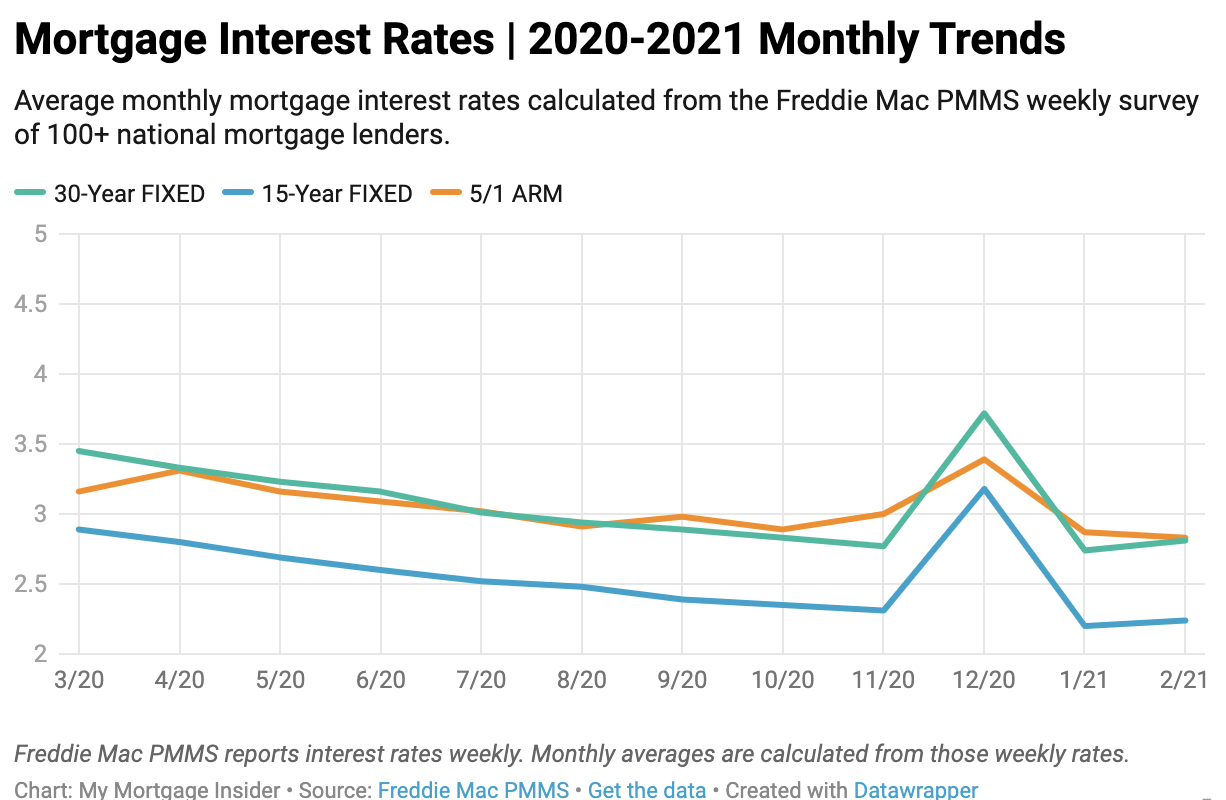
In the current economic climate, we have moved away from the historical lows of the early 2020s into a more volatile, higher-rate environment. This shift has profound implications for purchasing power, monthly budgeting, and long-term wealth accumulation. To master your personal finances, you must look beyond the headline percentage and understand the mechanics of the mortgage market.
Factors Influencing Modern Mortgage Rates
Mortgage rates do not exist in a vacuum. They are the result of a complex interplay between government policy, investor sentiment, and inflationary pressures. For a borrower, recognizing these macro-economic signals can help in predicting whether to lock in a rate now or wait for a potential dip.
The Role of the Federal Reserve and Monetary Policy
While the Federal Reserve does not directly set mortgage rates, its influence is unparalleled. The Fed sets the federal funds rate—the interest rate at which commercial banks borrow and lend to each other overnight. When the Fed raises rates to combat inflation, the cost of borrowing increases across the board. Mortgage lenders respond by raising their rates to maintain profit margins and account for the increased cost of capital. Conversely, when the Fed signals a “dovish” or easing stance, mortgage rates often begin to soften in anticipation of cheaper money.
Economic Indicators: Inflation and Employment Data
Inflation is the greatest enemy of fixed-income investments like mortgages. When inflation is high, the purchasing power of the future interest payments a lender receives is eroded. To compensate for this risk, lenders demand higher interest rates. Investors closely watch the Consumer Price Index (CPI) and Personal Consumption Expenditures (PCE) price index. If these reports show cooling inflation, mortgage rates typically trend downward. Similarly, a strong jobs report suggests a robust economy that can handle higher rates, whereas rising unemployment might prompt the market to price in lower rates to stimulate growth.
Global Market Sentiment and Bond Yields
The 10-year Treasury bond yield is perhaps the most accurate daily barometer for 30-year fixed mortgage rates. Generally, mortgage rates move in tandem with the 10-year yield. When investors are nervous about the stock market, they flock to the safety of government bonds, driving bond prices up and yields down. This “flight to safety” often results in a temporary reprieve for mortgage borrowers. Understanding this correlation allows savvy financial planners to track bond market trends as a precursor to changes in home loan pricing.
How Personal Financial Profiles Dictate Your Specific Rate
The “national average” you see in the news is often a “prime” rate reserved for the most qualified borrowers. In the world of personal finance, your individual profile determines the “spread” or the additional interest a lender will charge you over the baseline.
The Weight of Credit Scores in Loan Pricing
Your credit score is the primary tool lenders use to assess risk. In the current market, the difference between a 640 score and a 760 score can amount to a full percentage point or more in interest. Over a 30-year loan, that small percentage gap can translate into tens of thousands of dollars in extra interest payments. Maintaining a high credit score is not just about pride; it is a critical financial strategy that directly impacts your debt-to-income ratio and your ability to build equity.
Debt-to-Income (DTI) Ratios and Risk Assessment
Lenders evaluate your “capacity” to pay by looking at your DTI ratio—the percentage of your gross monthly income that goes toward paying debts. A high DTI suggests you are overleveraged, which makes you a higher risk. To mitigate this risk, a lender might offer a slightly higher interest rate. Financial experts generally recommend keeping your total DTI (including the prospective mortgage) below 36% to 43% to qualify for the most competitive market rates.
Loan-to-Value (LTV) and the Power of the Down Payment
The amount of “skin in the game” you have significantly affects your rate. The Loan-to-Value (LTV) ratio compares the loan amount to the appraised value of the home. A lower LTV (resulting from a larger down payment) represents less risk for the bank. If you can provide a 20% down payment, you not only avoid Private Mortgage Insurance (PMI) but often unlock a lower interest rate tier. For those with less than 20%, the interest rate serves as a secondary layer of protection for the lender’s capital.
Comparing Fixed-Rate vs. Adjustable-Rate Mortgages (ARMs)

Choosing the right loan product is just as important as the interest rate itself. The decision depends on your financial goals, your expected tenure in the home, and your risk tolerance.
The Stability of the 30-Year Fixed-Rate Mortgage
The 30-year fixed-rate mortgage remains the gold standard of American housing finance. It offers the ultimate hedge against inflation: your principal and interest payment will remain identical in 2054 as it is today. In a rising rate environment, the fixed-rate mortgage provides peace of mind. From a wealth-management perspective, it allows for precise long-term budgeting, as you know exactly what your largest monthly expense will be for three decades.
When Does an Adjustable-Rate Mortgage Make Sense?
Adjustable-Rate Mortgages (ARMs) typically offer a lower “teaser” rate for an initial period (often 5, 7, or 10 years) before adjusting annually based on market indices. In a high-rate environment, an ARM can be a strategic move if you plan to sell the home or refinance before the adjustment period begins. This allows you to benefit from a lower rate today, freeing up cash flow for other investments, provided you have a clear exit strategy or the financial liquidity to handle a potential rate hike later.
15-Year Fixed Rates: The Wealth Accelerator
For those who can afford a higher monthly payment, the 15-year fixed-rate mortgage usually offers a significantly lower interest rate than the 30-year counterpart. The financial benefit is twofold: you pay less interest over the life of the loan, and you build equity at a much faster pace. For an investor or a disciplined saver, the 15-year mortgage is one of the most effective tools for debt elimination and retirement preparation.
Strategies for Securing the Best Rate in a High-Interest Environment
When rates are elevated, “passive” borrowing can be expensive. Active management of your mortgage search can save you a fortune.
The Art of Rate Shopping and Comparison
Interest rates are not uniform across all institutions. Large national banks, local credit unions, and online mortgage brokers all have different overhead costs and risk appetites. A borrower who gets at least three quotes can often find a discrepancy of 0.25% to 0.50% between lenders. In personal finance, this is “free money”—savings achieved simply through due diligence without changing your lifestyle or saving habits.
Buying Down the Rate: Understanding Mortgage Points
“Discount points” allow you to pay an upfront fee at closing to lower your interest rate permanently. One point typically costs 1% of the loan amount and reduces the rate by about 0.25%. This is a mathematical calculation of the “break-even point.” If you plan to stay in the home longer than the time it takes for the monthly savings to equal the upfront cost, buying points is an excellent investment. It is essentially a way to pre-pay interest using today’s dollars to save tomorrow’s.
Timing the Market vs. Time in the Market
Many prospective buyers try to “time” the bottom of the interest rate cycle. However, the housing market often reacts to rate drops by increasing home prices due to higher demand. A common mantra in real estate finance is “Marry the house, date the rate.” This implies that if you find the right asset at the right price, you should acquire it and plan to refinance the debt later when the interest rate cycle turns more favorable.
The Long-Term Financial Implications of Interest Rate Fluctuations
Understanding the current interest rate is about more than just the monthly payment; it is about the trajectory of your net worth.
Impact on Monthly Cash Flow and Purchasing Power
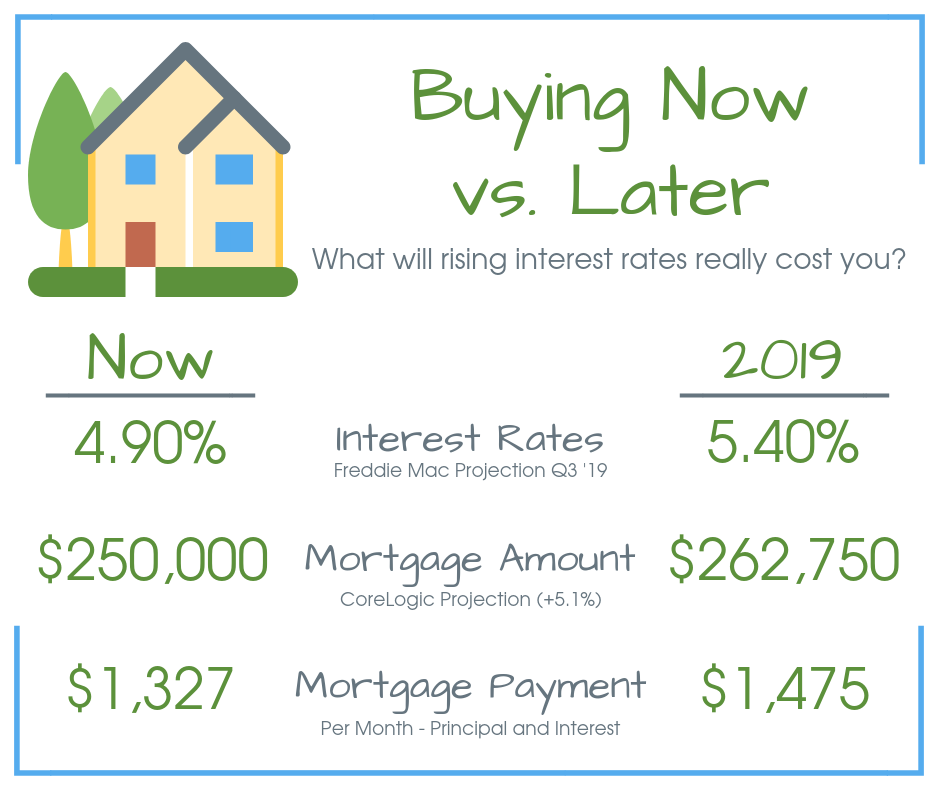
Every 1% increase in interest rates reduces a buyer’s purchasing power by roughly 10%. If you were qualified for a $500,000 home at a 5% rate, you might only qualify for $450,000 at 6%. For the average household, this determines the neighborhood they live in and the quality of the school district their children attend. Managing your finances to account for these fluctuations is the difference between being “house poor” and being financially secure.
Refinancing Opportunities: When to Revisit Your Loan
The mortgage you sign today is not a life sentence. Financial professionals suggest keeping a close eye on rates even after you have purchased your home. The general rule of thumb is that if rates drop 1% below your current rate, a refinance is worth considering. However, you must also account for closing costs. A “no-cost” refinance, where the lender covers closing costs in exchange for a slightly higher rate (still lower than your current one), can be a powerful tool for immediate cash flow relief.
Real Estate as a Hedge Against Inflation
Despite higher interest rates, real estate remains a cornerstone of a diversified financial portfolio. While the cost of borrowing is higher, the underlying asset (the home) typically appreciates over time, often outpacing inflation. In high-interest periods, the “real” interest rate—the nominal rate minus inflation—may actually be lower than it appears. Viewing your home interest rate through the lens of total return and tax advantages (such as the mortgage interest deduction) provides a more sophisticated and accurate picture of your true financial standing.
In conclusion, while the “current home interest rate” may seem like a simple statistic, it is the heartbeat of the modern financial system. By understanding the macro forces at play, optimizing your personal financial profile, and choosing the right loan products, you can navigate even the most challenging rate environments with confidence and strategic precision.
aViewFromTheCave is a participant in the Amazon Services LLC Associates Program, an affiliate advertising program designed to provide a means for sites to earn advertising fees by advertising and linking to Amazon.com. Amazon, the Amazon logo, AmazonSupply, and the AmazonSupply logo are trademarks of Amazon.com, Inc. or its affiliates. As an Amazon Associate we earn affiliate commissions from qualifying purchases.