
In the fast-paced world of global finance, few indicators carry as much weight or garner as much attention as Dow Jones Industrial Average (DJIA) futures. Often referred to simply as “Dow futures,” these financial instruments serve as a critical barometer for investor sentiment, providing a glimpse into how the stock market might perform before the opening bell rings on Wall Street. For investors, traders, and financial enthusiasts, understanding what the current Dow futures represent is essential for navigating the complexities of the modern economic landscape.
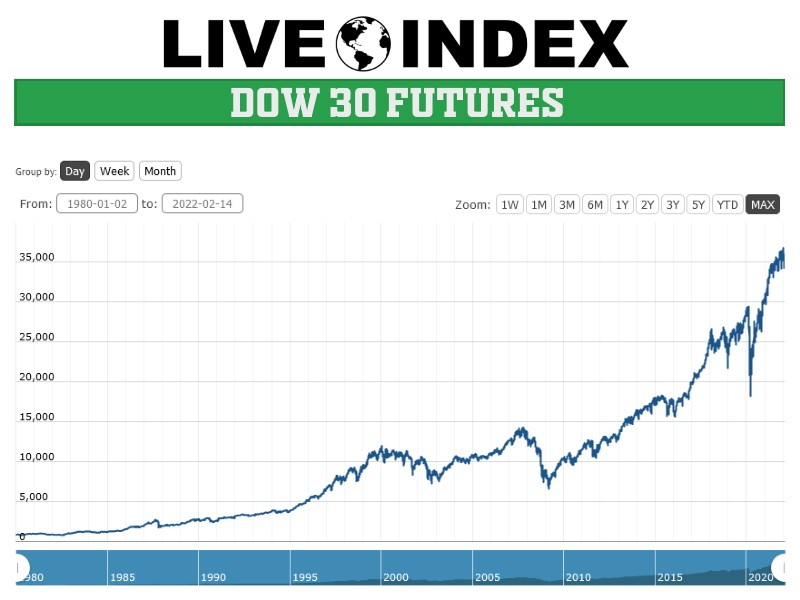
The Mechanics of Dow Jones Industrial Average Futures
Dow futures are legally binding agreements to buy or sell the Dow Jones Industrial Average at a predetermined price on a specified future date. Unlike the actual Dow index, which represents the weighted average of 30 prominent blue-chip companies listed on U.S. stock exchanges, futures are derivative products. They do not involve the direct ownership of shares in companies like Apple, Boeing, or Goldman Sachs. Instead, they allow participants to speculate on the future value of the index itself.
The Evolution of the E-mini and Micro E-mini
Historically, futures trading was the domain of large institutional investors due to the high capital requirements of “full-sized” contracts. However, the introduction of the E-mini Dow (YM) and the Micro E-mini Dow (MYM) by the Chicago Mercantile Exchange (CME) Group revolutionized access for retail investors.
The E-mini Dow contract is valued at $5 multiplied by the Dow Jones Industrial Average. If the Dow is trading at 38,000, one E-mini contract represents a market value of $190,000. For those seeking even lower barriers to entry, the Micro E-mini Dow is valued at just $0.50 per point, making it a highly accessible tool for personal finance management and smaller-scale speculation.
Clearing and Settlement Processes
Dow futures are traded on electronic platforms and are cleared through a central clearinghouse. This ensures that both the buyer and the seller fulfill their obligations, drastically reducing counterparty risk. Most Dow futures are cash-settled, meaning that instead of delivering the 30 underlying stocks, the difference between the contract price and the market price at expiration is settled via cash transfer. This liquidity and ease of settlement make them a preferred choice for high-frequency traders and institutional hedgers alike.
Why Dow Futures Serve as the Market’s Crystal Ball
One of the most significant aspects of Dow futures is their trading schedule. While the New York Stock Exchange (NYSE) and the Nasdaq have set operating hours—typically 9:30 AM to 4:00 PM Eastern Time—Dow futures trade nearly 24 hours a day, five days a week. This continuous trading cycle allows the futures market to absorb and react to global news long before the U.S. cash market opens.
The Pre-Market Sentiment Indicator
When financial news outlets report that “Dow futures are up 200 points,” they are indicating that investors are optimistic about the upcoming trading session. This “pre-market” movement often acts as a self-fulfilling prophecy. If futures are significantly higher or lower in the hours leading up to 9:30 AM, it sets the tone for the opening volatility of the underlying stocks. For an investor, monitoring current Dow futures is like checking the weather forecast before heading outside; it provides a necessary context for the day’s volatility.
Global Interconnectedness
Because Dow futures trade during Asian and European market hours, they reflect the global reaction to international events. A geopolitical shift in the Middle East, a policy change by the European Central Bank, or manufacturing data out of China will all be reflected in Dow futures prices in real-time. This interconnectedness makes the futures market a vital tool for understanding how external shocks might impact domestic U.S. portfolios.
Overnight Risk Management
For institutional fund managers, Dow futures are an indispensable tool for managing overnight risk. If a major economic report is released at 8:30 AM ET—such as the Non-Farm Payrolls or Consumer Price Index (CPI)—and the data is unexpected, managers can use futures to hedge their positions or adjust their exposure before the equity markets provide them the liquidity to sell actual shares.
Key Factors Influencing Current Dow Futures Prices
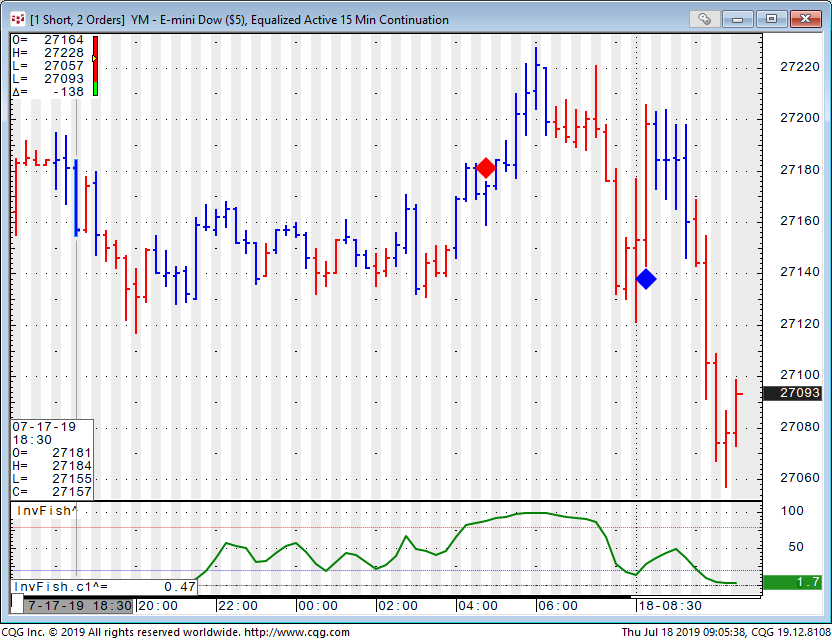
The price of Dow futures is rarely static. It fluctuates based on a myriad of economic, political, and corporate variables. Understanding these drivers is crucial for anyone trying to interpret why the “current” futures price is moving in a specific direction.
Monetary Policy and Federal Reserve Signals
Perhaps the most influential driver of Dow futures is the Federal Reserve. Investors scrutinize every word from Fed officials for hints regarding interest rate hikes or cuts. Lower interest rates generally support higher stock prices by reducing borrowing costs for corporations and making equities more attractive than fixed-income assets. Consequently, if a “hawkish” statement suggests higher rates for longer, Dow futures typically sell off. Conversely, “dovish” signals often lead to a rally in futures prices.
Corporate Earnings of the “Blue Chip” 30
The Dow Jones Industrial Average is a price-weighted index of 30 massive companies. This means that a significant move in the stock price of a high-priced component, such as UnitedHealth Group or Microsoft, can have a disproportionate impact on the index value. During earnings season, the pre-market results of these 30 giants are the primary catalysts for Dow futures. If a major component reports a surprise loss or lowers its guidance, the futures will likely trend downward regardless of broader market sentiment.
Macroeconomic Indicators
Data points such as Gross Domestic Product (GDP) growth, unemployment rates, and retail sales provide a snapshot of the health of the U.S. economy. Since the Dow represents industrial and consumer giants, it is highly sensitive to the economic cycle. Strong economic data can boost futures as it implies higher corporate profits, while signs of a recession can trigger a flight to safety, driving futures lower.
Navigating the Technical Landscape: How to Interpret the Data
Reading a futures quote is different from reading a standard stock quote. To understand the “current” state of the market, one must look beyond the raw number and analyze the spread, the volume, and the “fair value.”
Understanding Points vs. Percentages
Traders often speak in “points.” A 100-point move in the Dow might sound substantial, but its significance depends on the current level of the index. If the Dow is at 40,000, a 100-point move is only 0.25%. Professional investors prioritize percentage changes to maintain a consistent perspective on volatility across different market eras.
The Concept of Fair Value
You will often see financial media compare futures prices to “fair value.” Fair value is a calculation that accounts for the difference between the futures price and the current index price, considering factors like interest rates and dividends expected before the futures contract expires. If the Dow futures are trading significantly above fair value, it suggests the market will open higher. If they are below, a lower open is expected.
Contango and Backwardation
In the futures market, the relationship between the current “spot” price and the future “delivery” price is vital. When futures prices are higher than the current spot price, the market is in “contango.” This often indicates expectations of future growth or reflects the cost of carrying the position (interest rates). When futures prices are lower than the spot price, it is called “backwardation,” which can signal immediate demand for the underlying asset or a pessimistic outlook for the near future.
Practical Strategies for Retail and Institutional Investors
Whether you are a long-term “buy and hold” investor or a short-term speculator, Dow futures offer several strategic advantages.
Hedging Against Market Downturns
One of the most practical uses of Dow futures in personal finance is hedging. If an investor has a large portfolio of blue-chip stocks and fears a short-term market correction, they can sell (short) Dow futures contracts. If the market drops, the gains from the short futures position can offset the losses in the stock portfolio. This allows the investor to protect their capital without the tax consequences and transaction costs associated with selling their entire stock or ETF holdings.
Speculation and Leverage
Futures are leveraged instruments. This means a trader only needs to put up a small fraction of the total contract value (known as margin) to control a large position. While leverage can magnify profits, it also significantly increases risk. For the disciplined trader, Dow futures provide a way to capitalize on short-term market trends with relatively low capital outlay. However, it requires a robust risk management strategy, including the use of stop-loss orders to prevent catastrophic losses.

Utilizing Modern Financial Tools
In the current era, investors have access to sophisticated tools that were once exclusive to Wall Street desks. Real-time futures charts, heat maps of the 30 Dow components, and economic calendars are readily available on most trading platforms. Integrating these tools into a daily routine allows investors to stay ahead of the curve. By checking the current Dow futures at the start of their day, they can adjust their expectations and strategies before the market’s high-volatility opening period begins.
In conclusion, the current Dow futures are more than just a number on a screen; they are a dynamic, 24-hour pulse of the global economy. By understanding how these contracts are structured, what drives their movement, and how to use them strategically, investors can gain a significant edge in managing their business finance and personal wealth. In an increasingly volatile financial world, the clarity provided by the futures market is an invaluable asset for anyone looking to master the art of investing.
aViewFromTheCave is a participant in the Amazon Services LLC Associates Program, an affiliate advertising program designed to provide a means for sites to earn advertising fees by advertising and linking to Amazon.com. Amazon, the Amazon logo, AmazonSupply, and the AmazonSupply logo are trademarks of Amazon.com, Inc. or its affiliates. As an Amazon Associate we earn affiliate commissions from qualifying purchases.