
Navigating the landscape of auto loan rates can feel like a complex journey, especially with economic indicators constantly shifting. For anyone considering purchasing a new or used vehicle, understanding the current auto loan rate is paramount to making an informed financial decision. These rates don’t just dictate your monthly payment; they significantly impact the total cost of your vehicle over the life of the loan. This article delves into what influences current auto loan rates, how to find the best possible rate for your situation, and strategies to ensure you secure a favorable financing agreement, all through the lens of personal finance and prudent money management.
Understanding Auto Loan Rates in Today’s Economic Landscape
The “current auto loan rate” isn’t a static number; it’s a dynamic figure influenced by a confluence of macroeconomic factors, individual borrower profiles, and lender strategies. To truly grasp what constitutes a competitive rate, one must first understand the broader economic forces at play.
The Dynamics of Interest Rates and Auto Loans
At the highest level, auto loan rates are intrinsically linked to the broader interest rate environment, primarily influenced by central bank policies. In the United States, the Federal Reserve’s federal funds rate decisions ripple throughout the financial system, affecting the cost of borrowing for banks. When the Fed raises rates to combat inflation, commercial banks, in turn, increase their prime lending rates, making all forms of credit, including auto loans, more expensive. Conversely, periods of economic slowdown might see the Fed lower rates to stimulate borrowing and spending, which can translate to lower auto loan rates. Inflation itself plays a critical role; lenders need to ensure the interest they earn on a loan outpaces the erosion of purchasing power due to inflation, often leading to higher rates during inflationary periods. Market demand for auto loans and vehicles also plays a part; high demand with limited supply can give lenders more leverage to maintain higher rates.
Distinguishing New vs. Used Car Loan Rates
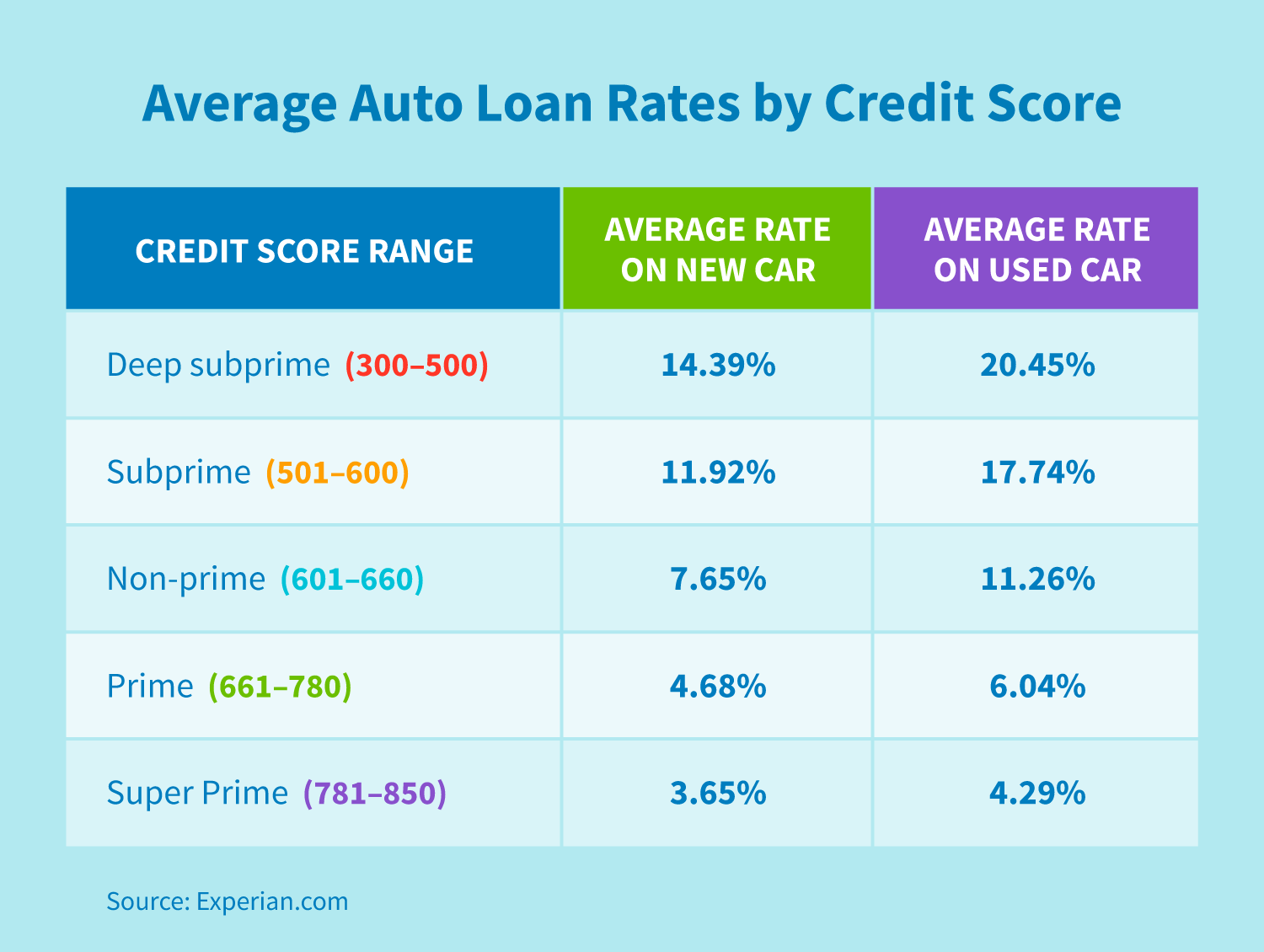
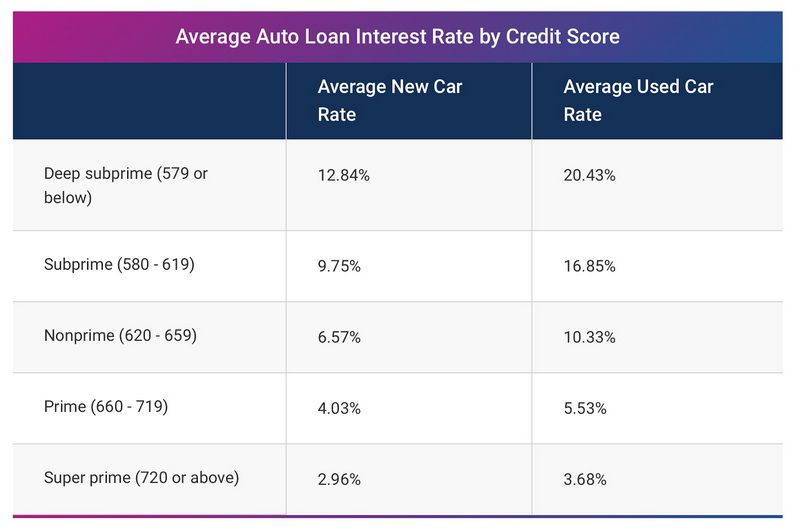
A fundamental distinction exists between interest rates for new cars and used cars. Typically, used car loan rates are higher than those for new cars. This difference stems primarily from risk assessment. New cars generally depreciate slower initially, come with manufacturer warranties, and have a predictable lifespan and value. This makes them a less risky asset for lenders. Used cars, on the other hand, carry more risk. Their value has already depreciated, they may have unknown maintenance histories, and their future reliability can be less certain. Consequently, lenders charge a higher interest rate to compensate for this increased risk. The age and mileage of a used car further contribute to this differential, with older, higher-mileage vehicles attracting even higher rates due to their greater perceived risk of breakdown and rapid depreciation.
APR vs. Interest Rate: What’s the Difference?
While often used interchangeably, the Annual Percentage Rate (APR) and the interest rate are distinct financial concepts, and understanding their difference is crucial for any borrower. The interest rate is simply the percentage charged by the lender for borrowing the principal amount. It’s the cost of the money you borrow, expressed as a percentage of the principal. However, the APR is a broader measure of the total cost of borrowing. It includes not only the interest rate but also any additional fees associated with the loan, such as origination fees, document fees, or other charges imposed by the lender. Essentially, the APR provides a more comprehensive, true annual cost of the loan, allowing consumers to make more accurate comparisons between different loan offers. Always compare APRs when shopping for an auto loan, as it gives you the most complete picture of the loan’s overall expense.
Factors Influencing Your Individual Auto Loan Rate
While macroeconomic conditions set a baseline, your specific auto loan rate is ultimately a personalized figure determined by several individual financial factors. Understanding these elements empowers you to take steps to secure a more favorable rate.
Credit Score: The Primary Determinant
Your credit score is arguably the most significant factor influencing the auto loan rate you’ll be offered. Lenders use this three-digit number, primarily generated by FICO or VantageScore, as a quick assessment of your creditworthiness. A higher credit score signals a lower risk to lenders, indicating a history of responsible borrowing and timely payments. Borrowers with excellent credit (typically 780+) can expect to receive the lowest interest rates, as they represent the least risk of default. Good credit (670-739) still qualifies for competitive rates, while fair credit (580-669) will likely see higher rates. Those with poor credit (below 580) will face the highest rates, if approved at all, as lenders view them as high-risk borrowers. Maintaining a strong credit profile through diligent financial habits is the single most effective way to secure a low auto loan rate.
Loan Term Length: Short-term vs. Long-term Implications
The length of your loan term—the period over which you agree to repay the loan—also significantly impacts your interest rate. Generally, shorter loan terms (e.g., 36 or 48 months) come with lower interest rates compared to longer terms (e.g., 72 or 84 months). This is because a shorter term reduces the lender’s risk exposure; the money is repaid faster, and the vehicle depreciates less over the loan period. While a longer term offers lower monthly payments, which can be appealing for budgetary reasons, it ultimately means you’ll pay more in total interest over the life of the loan. This trade-off between monthly affordability and total cost is a critical consideration for borrowers.
Down Payment Amount: Lowering Risk, Lowering Rates
Making a substantial down payment can play a crucial role in securing a better auto loan rate. A larger down payment reduces the amount of money you need to borrow, thereby decreasing the lender’s risk. When you have more equity in the vehicle from the outset, the lender has less to lose if you default, as the collateral (the car) more closely matches the outstanding loan balance. This reduced risk translates into more favorable interest rates. Furthermore, a significant down payment can help you avoid becoming “upside down” on your loan, where you owe more than the car is worth, a common scenario given vehicle depreciation. Aiming for at least 10-20% of the vehicle’s purchase price as a down payment is often recommended for optimal financial health and better loan terms.
Vehicle Type and Age
The type and age of the vehicle you intend to purchase also affect the interest rate. As mentioned, used cars generally have higher rates than new cars due to increased risk. However, within these categories, certain vehicles might command different rates. Luxury or high-performance vehicles, while expensive, might sometimes qualify for slightly lower rates if they retain their value well, though this is less common. Conversely, older, less reliable models or those with a history of rapid depreciation might attract higher rates due to the higher risk of the collateral losing value faster than the loan balance can be paid down. Lenders assess the vehicle’s marketability and salvage value in the event of a default, which can subtly influence the offered rate.
Lender Type: Banks, Credit Unions, Captive Lenders, Online Lenders
The type of lender you choose can also impact the auto loan rate you receive.
- Banks: Traditional banks offer a wide range of loan products, often competitive rates, and convenience for existing customers. Their rates can vary based on credit score and customer relationship.
- Credit Unions: These member-owned financial institutions are known for offering some of the most competitive auto loan rates, often lower than traditional banks, as they operate on a not-for-profit basis. Membership is usually required but often easy to obtain.
- Captive Lenders: These are financing arms of auto manufacturers (e.g., Toyota Financial Services, Ford Credit). They often offer attractive promotional rates, such as 0% APR deals, to incentivize sales of new vehicles. These deals are typically reserved for borrowers with excellent credit.
- Online Lenders: The rise of online lending platforms has increased competition. These lenders often have streamlined application processes and can offer competitive rates, sometimes catering to a wider range of credit scores than traditional institutions.
Shopping across these different lender types is crucial to finding the best rate tailored to your financial profile.
Navigating the Auto Loan Application Process
Securing a favorable auto loan rate is not just about having good credit; it’s also about strategic planning and informed decision-making during the application process.
Pre-Approval: Your Strategic Advantage
One of the most powerful tools in your car-buying arsenal is getting pre-approved for a loan before you even step foot in a dealership. Pre-approval involves applying for a loan with a lender, who then assesses your creditworthiness and provides you with a maximum loan amount and a specific interest rate, often with a valid period (e.g., 30 days). This accomplishes several key things:
- Establishes Your Budget: You know exactly how much you can afford, preventing you from falling in love with a car outside your financial reach.
- Gives You Negotiating Power: With pre-approval in hand, you walk into the dealership as a cash buyer, effectively separating the car price negotiation from the financing negotiation. Dealers often make money on financing, so having your own financing in place puts you in a stronger position.
- Benchmark for Dealership Offers: You can use your pre-approved rate as a baseline to compare against any financing offers the dealership might present. If the dealership can beat your pre-approved rate, great! If not, you have a solid backup.
Gathering Necessary Documentation
Before applying for an auto loan, whether for pre-approval or a direct application, ensure you have all the necessary documentation ready. This will streamline the process and prevent delays. Typically, lenders will require:
- Proof of Identity: Driver’s license or state-issued ID.
- Proof of Income: Pay stubs, W-2s, or tax returns (especially for self-employed individuals) to verify your ability to repay the loan.
- Proof of Residency: Utility bill or lease agreement.
- Social Security Number: For credit checks.
- Vehicle Information (if already selected): Make, model, year, VIN (Vehicle Identification Number), and purchase price.
Having these documents prepared will make the application process much smoother and faster.
Shopping Around for the Best Rates
This cannot be stressed enough: shop around for the best rates. Do not settle for the first offer you receive, especially from a dealership without prior research. Apply to multiple lenders – banks, credit unions, and online lenders – within a short period (typically 14-45 days, depending on the credit scoring model). Credit bureaus recognize this as “rate shopping” and will generally treat multiple inquiries for the same type of loan within this window as a single hard inquiry, minimizing the impact on your credit score. This strategy allows you to compare different APRs, terms, and conditions, ensuring you get the most competitive deal available for your financial profile.
Understanding the Loan Agreement
Once you have a favorable offer, meticulously review the entire loan agreement before signing. Pay close attention to:
- The APR: Confirm it matches the rate you were offered and includes all fees.
- Loan Term: Ensure the length of the loan is what you agreed upon.
- Total Cost of the Loan: Understand the total amount you will pay over the life of the loan, including principal and interest.
- Monthly Payment: Verify the exact amount and due date.
- Prepayment Penalties: Check if there are any fees for paying off the loan early. Ideally, you want a loan without such penalties, giving you the flexibility to pay it off sooner if your financial situation allows.
- Other Fees: Look for any hidden or unexpected charges.
Don’t hesitate to ask for clarification on any terms you don’t understand. A reputable lender will be transparent and willing to explain all aspects of the agreement.
Strategies for Securing the Best Auto Loan Rate
Beyond understanding the market and the application process, proactive strategies can significantly improve your chances of securing the lowest possible auto loan rate.
Improving Your Credit Score
Since your credit score is the most critical factor, dedicating time to improving it can yield substantial savings.
- Pay Bills on Time: Payment history is the biggest component of your credit score. Make all payments, not just on existing loans but also on credit cards and utilities, by their due dates.
- Reduce Outstanding Debt: High credit utilization (the amount of credit you’re using compared to your total available credit) can lower your score. Pay down credit card balances to improve this ratio.
- Avoid New Credit Applications: Limit applying for new credit cards or loans in the months leading up to your auto loan application, as new inquiries can temporarily ding your score.
- Check Your Credit Report for Errors: Annually obtain free copies of your credit report from Equifax, Experian, and TransUnion via AnnualCreditReport.com. Dispute any inaccuracies, as these can negatively affect your score.
Saving for a Larger Down Payment
As discussed, a larger down payment reduces risk for lenders and can lead to lower rates. If you’re not in an immediate rush to buy a car, consider delaying your purchase to save more for a down payment. Even an extra few thousand dollars can make a difference in your interest rate and monthly payments, while significantly reducing the total interest paid over the loan term. This also provides a cushion against depreciation, reducing the likelihood of being upside down on your loan.
Considering a Shorter Loan Term (If Affordable)
While longer terms offer lower monthly payments, they come with higher overall interest costs. If your budget allows, opting for a shorter loan term (e.g., 48 or 60 months instead of 72 or 84) will not only often secure a lower interest rate but also drastically reduce the total amount of interest you pay over the life of the loan. Calculate different scenarios to see how much you can comfortably afford each month, balancing the payment with the total cost.
Refinancing Your Auto Loan
If you’ve already secured an auto loan and feel you could get a better rate, or if your credit score has significantly improved since you first financed, refinancing might be a viable option. Refinancing involves taking out a new loan to pay off your existing auto loan, often at a lower interest rate or with different terms. This can save you money on interest, lower your monthly payments, or both. Be sure to calculate the savings and consider any fees associated with the new loan to ensure refinancing is truly beneficial. It’s particularly useful if interest rates have dropped since you took out your original loan or if your financial health has improved substantially.
Future Outlook and Economic Considerations
The current auto loan rate is a snapshot, but understanding the broader economic trajectory can help anticipate future trends and plan accordingly.
The Role of the Federal Reserve
The Federal Reserve remains a key player. Its decisions regarding the federal funds rate directly influence the cost of borrowing across the economy. While the Fed does not directly set auto loan rates, its actions serve as a powerful signal. Should the Fed continue to raise rates to temper inflation, auto loan rates are likely to follow suit. Conversely, if economic conditions warrant a pivot to rate cuts, we could see a downward trend in borrowing costs. Keeping an eye on the Fed’s announcements and economic forecasts is essential for understanding the potential direction of auto loan rates.
Inflation and Its Impact on Vehicle Prices and Loan Demand
Inflation affects auto loans in two ways. Firstly, it often prompts central banks to raise rates, making loans more expensive. Secondly, persistent inflation can drive up the cost of manufacturing and selling vehicles, leading to higher sticker prices for both new and used cars. This means borrowers not only face higher interest rates but also need to finance larger principal amounts, further increasing the total cost of ownership. High inflation can also influence consumer demand, with some buyers accelerating purchases to avoid future price hikes, while others might delay due to affordability concerns.

Emerging Trends in Auto Financing
The auto industry is undergoing significant transformation, with emerging trends potentially influencing future financing. The shift towards Electric Vehicles (EVs) might see specialized loan products or government incentives that alter financing costs. Furthermore, alternative ownership models, such as subscription services or long-term leases, are gaining traction, potentially diverting some demand from traditional auto loans. As autonomous vehicle technology advances, its impact on insurance costs and vehicle longevity could also indirectly affect loan terms and rates. Staying abreast of these trends can provide valuable insights into future auto financing possibilities.
In conclusion, the current auto loan rate is a multifaceted figure, shaped by global economics, individual financial standing, and the competitive lending market. By diligently researching, understanding the factors at play, and employing smart financial strategies, consumers can navigate this complex environment and secure an auto loan that aligns with their financial goals, ultimately saving them money and ensuring a smoother car-buying experience.
aViewFromTheCave is a participant in the Amazon Services LLC Associates Program, an affiliate advertising program designed to provide a means for sites to earn advertising fees by advertising and linking to Amazon.com. Amazon, the Amazon logo, AmazonSupply, and the AmazonSupply logo are trademarks of Amazon.com, Inc. or its affiliates. As an Amazon Associate we earn affiliate commissions from qualifying purchases.