
The landscape of auto financing has undergone a seismic shift over the past few years. For many consumers, the days of near-zero percent financing have been replaced by a more complex environment characterized by fluctuating benchmarks and tighter lending standards. Understanding the current auto loan interest rate is not merely about looking at a single number; it requires an analysis of macroeconomic trends, individual credit profiles, and the specific dynamics of the automotive market. As of the current fiscal period, interest rates for both new and used vehicles remain at historically elevated levels compared to the last decade, though they have begun to show signs of stabilization.

To navigate this environment effectively, borrowers must look beyond the “teaser rates” advertised on billboards and delve into the data. Whether you are looking to purchase a new electric vehicle or a reliable used sedan, the interest rate you secure will be the single most significant factor in determining your total cost of ownership.
Navigating the Current Auto Loan Landscape
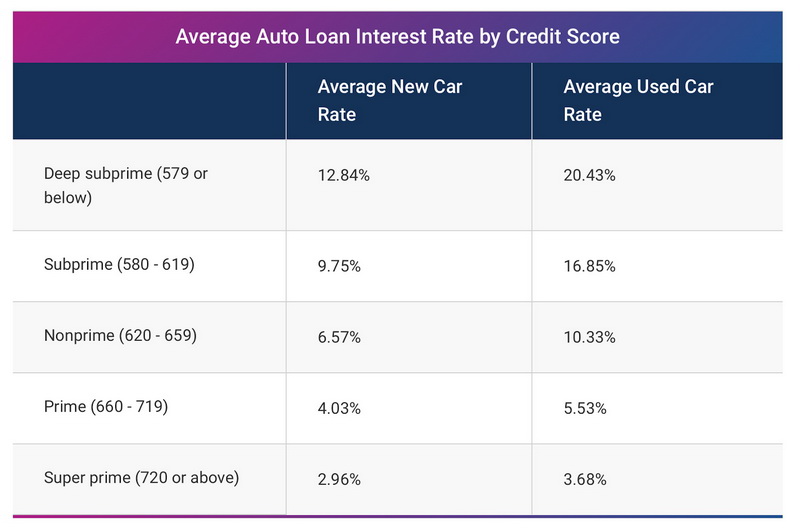
The average interest rate for an auto loan currently sits in a wide range, primarily dictated by the age of the vehicle and the borrower’s creditworthiness. For new cars, average rates for borrowers with excellent credit (Super-prime) typically hover between 5.5% and 6.5%. However, the broader market average, which includes a wider spectrum of credit scores, often sits between 7% and 9%. Used car rates are consistently higher, reflecting the increased risk lenders take on older collateral; these rates currently average between 10% and 12% for the typical buyer, though they can soar much higher for subprime borrowers.
The New vs. Used Rate Gap
There is a persistent gap between new and used car loan rates. This is largely because new cars have more predictable resale values and are often backed by manufacturer incentives. Captive lenders—the financing arms of companies like Ford Credit, Toyota Financial Services, or GM Financial—frequently offer sub-vented rates (sometimes as low as 0% to 1.9% for specific models) to move inventory. Used cars, conversely, are financed through traditional banks and credit unions that do not have the same incentive to subsidize the rate, leading to a “risk premium” that usually adds 200 to 400 basis points to the loan.
Regional Variations and Institution Types
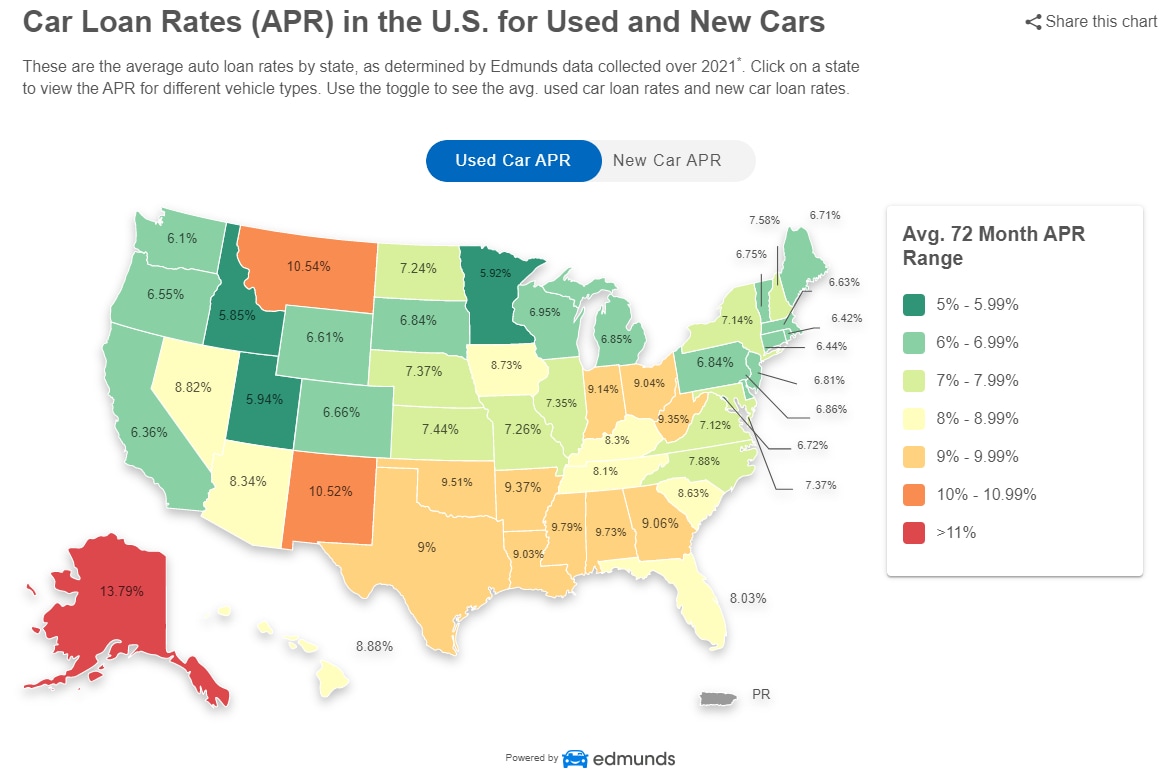
It is also important to note that rates are not uniform across the country. Regional economic conditions and local competition among lenders can cause variations. Furthermore, the type of institution you choose significantly impacts the rate. Credit unions, being member-owned cooperatives, often provide rates that are 1% to 1.5% lower than national commercial banks. Online lenders have also become aggressive competitors, utilizing automated underwriting to offer rapid approvals and competitive pricing for high-credit individuals.
Crucial Factors That Dictate Your Interest Rate
While market averages provide a baseline, your personal interest rate is tailored to your financial profile. Lenders utilize sophisticated algorithms to price risk, and several key variables determine where you fall on the rate spectrum.
The Dominance of the Credit Score
Your FICO score is the primary lever in the interest rate machine. Lenders generally categorize borrowers into tiers:
-
Super-prime (780-850): These borrowers receive the “prime” rates, often the lowest available in the market.
-
Prime (661-780): Borrowers in this bracket still see competitive rates but may miss out on the absolute lowest promotional offers.
-
Non-prime (601-660): Rates begin to climb significantly here, often jumping 3-5% above the prime rate.
-
Subprime and Deep Subprime (300-600): These borrowers face the most challenging environment, with rates often exceeding 15% or even 20%.
Loan Term and Down Payment
The duration of the loan, or the “term,” has a direct correlation with the interest rate. Shorter terms (36 to 48 months) generally carry lower interest rates because the lender is exposed to risk for a shorter period. Conversely, 72-month and 84-month loans—which have become increasingly common as vehicle prices rise—usually come with a rate premium.
Additionally, the Loan-to-Value (LTV) ratio plays a critical role. By providing a substantial down payment, you reduce the lender’s risk. A borrower who puts 20% down is significantly more likely to receive a lower interest rate than one who attempts to finance 100% of the vehicle’s cost plus taxes and fees.
Vehicle Age and Mileage
For used car loans, the specific attributes of the vehicle matter. A “certified pre-owned” (CPO) vehicle often qualifies for lower rates than a private-party used car. Lenders view CPO vehicles as lower risk because they have undergone rigorous inspections and usually carry extended warranties. If a vehicle is more than five to seven years old, or has high mileage, many lenders will either refuse to finance it or charge a significant “older vehicle” premium on the interest rate.
The Macroeconomic Drivers of Lending Costs
To understand why auto loan rates are currently where they are, one must look at the broader economy. Auto loans do not exist in a vacuum; they are influenced by the same forces that drive mortgages and credit card APRs.
The Federal Reserve and the Federal Funds Rate
The single most influential factor in the current auto loan environment is the Federal Reserve’s monetary policy. When the Fed raises the federal funds rate to combat inflation, it increases the cost of borrowing for banks. To maintain their profit margins, banks pass these costs on to consumers in the form of higher APRs on auto loans. We are currently in a cycle where the “cost of capital” is higher than it has been in nearly two decades, which acts as a floor for how low auto rates can go.
Inflation and Vehicle Pricing
Inflation affects auto loans in two ways. First, it drives up the price of the vehicles themselves, requiring larger loan amounts. Second, it influences lender expectations for future returns. If a lender expects the value of the dollar to decrease, they will demand a higher interest rate to compensate for being paid back in “cheaper” future dollars. Furthermore, the supply chain disruptions of recent years have led to a shortage of inventory, which keeps vehicle prices high and, by extension, increases the total interest paid over the life of a larger loan.
Market Liquidity and Risk Appetite
During periods of economic uncertainty, lenders become more risk-averse. This “tightening” of credit means that even if the Fed holds rates steady, banks might increase their own internal rate requirements to hedge against potential defaults. In the current market, we are seeing a trend where lenders are being more selective, often requiring higher credit scores than they did previously to qualify for the same Tier 1 rates.
Strategic Approaches to Securing Lower Rates
While the market sets the baseline, savvy consumers can employ several strategies to secure a rate that is below the national average.
Rate Shopping and Pre-approval
One of the most common mistakes borrowers make is accepting the first financing offer presented at the dealership. Dealerships often add a “markup” to the interest rate provided by the lender as a commission for facilitating the loan. To avoid this, consumers should seek pre-approval from a credit union or an online lender before stepping onto the lot. With a pre-approval in hand, you have a “floor” rate that the dealership must beat to earn your business.
Improving Your Credit Profile
If you are not in an immediate rush to purchase, spending six months improving your credit score can save you thousands of dollars in interest. Paying down revolving credit card balances to lower your utilization ratio and ensuring all payments are made on time are the fastest ways to move from one credit tier to the next. Moving from the “Non-prime” to “Prime” category can easily result in a 4% to 5% reduction in your interest rate.
Considering Shorter Loan Terms
While a 72-month loan offers lower monthly payments, the interest rate is almost always higher than a 48-month or 60-month loan. Furthermore, because car values depreciate quickly, long-term loans often lead to “negative equity,” where you owe more on the car than it is worth. Opting for the shortest term you can comfortably afford not only secures a lower interest rate but also ensures you build equity in the asset faster.
The Long-Term Impact of Interest on Total Cost of Ownership
It is easy to focus on the monthly payment, but the interest rate dictates the ultimate price you pay for the vehicle. On a $35,000 loan, the difference between a 5% interest rate and a 10% interest rate over 60 months is approximately $4,800 in total interest paid. This is money that could otherwise be directed toward retirement savings, investments, or other financial goals.
The Power of Amortization
Auto loans are typically simple-interest loans, meaning interest is calculated based on the principal balance at the time of payment. By understanding the amortization schedule, borrowers can see how much of their early payments go toward interest rather than principal. Making even small additional payments toward the principal each month can significantly reduce the total interest paid and shorten the life of the loan.
Refinancing Opportunities
Securing a high interest rate today does not mean you are stuck with it forever. If market conditions improve or if your credit score increases significantly after twelve months of consistent payments, refinancing your auto loan is a viable strategy. Many specialized lenders allow you to refinance an existing auto loan to a lower rate, which can lower your monthly payment or allow you to pay off the vehicle sooner.
In conclusion, the current auto loan interest rate environment is a reflection of a complex interplay between federal policy, market competition, and individual financial health. While rates are higher than in previous cycles, opportunities for competitive financing still exist for those who are prepared. By focusing on credit health, shopping for pre-approvals, and understanding the macroeconomic factors at play, you can navigate the financing process with confidence and ensure that your next vehicle purchase is a sound financial decision.
aViewFromTheCave is a participant in the Amazon Services LLC Associates Program, an affiliate advertising program designed to provide a means for sites to earn advertising fees by advertising and linking to Amazon.com. Amazon, the Amazon logo, AmazonSupply, and the AmazonSupply logo are trademarks of Amazon.com, Inc. or its affiliates. As an Amazon Associate we earn affiliate commissions from qualifying purchases.