
The question “how much is salary” is deceptively simple, yet it unlocks a complex interplay of factors that determine an individual’s financial compensation. It’s more than just a number on a paycheck; it’s a reflection of market demand, individual value, economic conditions, and strategic negotiation. For anyone navigating their career, seeking a new role, or simply trying to understand their financial standing, deciphering the components that build a salary package is crucial. This article delves deep into the multifaceted world of salary, exploring the external market forces, internal individual attributes, and the comprehensive nature of total compensation, all within the financial lens of the “Money” category.

The Multifaceted Nature of Salary Determination
Salary is not an arbitrary figure; it is heavily influenced by a confluence of external market dynamics and the economic environment. Understanding these broader strokes is the first step in contextualizing any salary discussion.
Industry and Sector Specifics
Different industries inherently value different skill sets and contribute varying levels of economic value, leading to significant salary disparities. High-growth sectors like technology and finance often command higher average salaries due to the specialized expertise required and the high revenue potential. Conversely, sectors like non-profit or hospitality might have lower baseline salaries, although they offer other forms of job satisfaction or benefits. Within each industry, specific roles also have their own salary benchmarks, with senior leadership, highly specialized technical roles, or positions with significant revenue-generating responsibilities typically earning more. The fundamental economic principle of supply and demand plays a crucial role here; industries facing a shortage of skilled talent will often offer more competitive salaries to attract and retain professionals.
Geographic Location: The Cost of Living Factor
Where you live and work profoundly impacts your salary. Major metropolitan areas, often economic hubs, tend to offer higher salaries to compensate for a significantly higher cost of living. Cities like New York, San Francisco, or London, for instance, typically have inflated housing, transportation, and daily expenses compared to smaller towns or rural areas. Companies in these high-cost regions must offer more competitive wages to ensure their employees can afford to live comfortably. Conversely, roles in areas with a lower cost of living will often come with a lower nominal salary, though the real purchasing power might be comparable or even greater. Global companies often adjust salaries based on regional economic data, creating pay differentials for the same role performed in different countries or even different states.
Company Size and Financial Health
The scale and financial standing of an employer are significant determinants of salary. Larger, more established corporations often have deeper pockets and more structured compensation frameworks, typically offering higher base salaries, comprehensive benefits, and better opportunities for bonuses and long-term incentives. Their ability to generate substantial revenue and profits allows them to invest more in their human capital. Startups and smaller businesses, while potentially offering equity or a more dynamic work environment, might offer lower base salaries initially due to limited funding, balancing this with the promise of future growth or a greater sense of impact. The overall financial health of a company – its profitability, revenue growth, and market position – directly influences its capacity to pay competitive salaries and offer attractive benefits packages.
Individual Attributes: Your Personal Value Proposition
While external factors set the broader market rates, your unique contributions and qualifications are what determine your specific standing within that range. Your personal value proposition is a critical element in understanding “how much is salary.”
Education and Qualifications
A solid educational foundation often serves as a baseline for higher earning potential. Degrees, certifications, and specialized training demonstrate a commitment to a field and equip individuals with the foundational knowledge and skills required for certain roles. Advanced degrees, such as Master’s degrees, MBAs, or PhDs, particularly in specialized fields like engineering, medicine, or finance, consistently correlate with higher salaries, reflecting the increased depth of knowledge and analytical capabilities. However, the prestige of the institution, the relevance of the degree to the role, and the application of that knowledge in practical scenarios are equally important. Continuous learning, even after formal education, through certifications or specialized courses, can further enhance earning potential by keeping skills current and relevant.
Experience and Expertise
Experience is undeniably a premium commodity in the job market. Seasoned professionals who have navigated various challenges, led successful projects, and demonstrated consistent performance typically command higher salaries. Entry-level positions naturally start at the lower end of the salary spectrum, reflecting the need for training and development. As individuals accumulate years of experience, particularly in roles with increasing responsibility, their market value grows. Expertise, which goes beyond mere experience, signifies a deep understanding and mastery of a specific domain, making an individual an invaluable asset. This often translates into highly competitive compensation, as companies are willing to pay a premium for individuals who can solve complex problems or drive significant results with minimal oversight.
Skills: In-Demand vs. Niche
The specific skills an individual possesses are perhaps the most dynamic factor influencing salary. “Hard skills” like coding languages (e.g., Python, JavaScript), data analysis, project management, digital marketing, or financial modeling are highly quantifiable and directly applicable to job functions. Skills that are in high demand and short supply, particularly those at the forefront of technological advancement (e.g., AI/ML engineering, cybersecurity, cloud architecture), consistently fetch higher salaries. “Soft skills” like leadership, communication, problem-solving, emotional intelligence, and adaptability, while harder to quantify, are equally crucial for career progression and often differentiate top earners. The continuous evolution of industries means that skills can become obsolete quickly, necessitating a commitment to lifelong learning and upskilling to maintain and grow earning potential. Niche skills, even if not universally in-demand, can command high salaries if they solve a specific, high-value problem for a limited set of employers.
Performance and Impact
Ultimately, an individual’s performance and the tangible impact they have on a company’s bottom line or strategic objectives are paramount. High-performing employees who consistently exceed expectations, drive innovation, increase revenue, reduce costs, or significantly improve operational efficiency are invaluable. Their contributions often translate into accelerated salary growth, merit-based raises, promotions, and significant bonuses. Companies are increasingly moving towards performance-based compensation models to align employee incentives with business outcomes. Quantifying your achievements and demonstrating a clear return on investment for your employer is a powerful tool for justifying higher compensation during reviews and negotiations.
Beyond the Base: The Total Compensation Package
Focusing solely on the base salary paints an incomplete picture. A comprehensive understanding of “how much is salary” requires examining the entire total compensation package, which often adds substantial value.
Bonuses and Incentives
Many roles, especially in sales, management, and finance, include performance-based bonuses as a significant component of total compensation. These can be annual bonuses tied to company performance, individual achievements, or specific project milestones. Sales roles often feature commission structures, directly linking earnings to revenue generated. Profit-sharing plans allow employees to benefit from the company’s financial success. These incentives are designed to motivate employees to exceed targets and contribute directly to the organization’s profitability, often adding tens of thousands or even hundreds of thousands to a base salary for high performers.
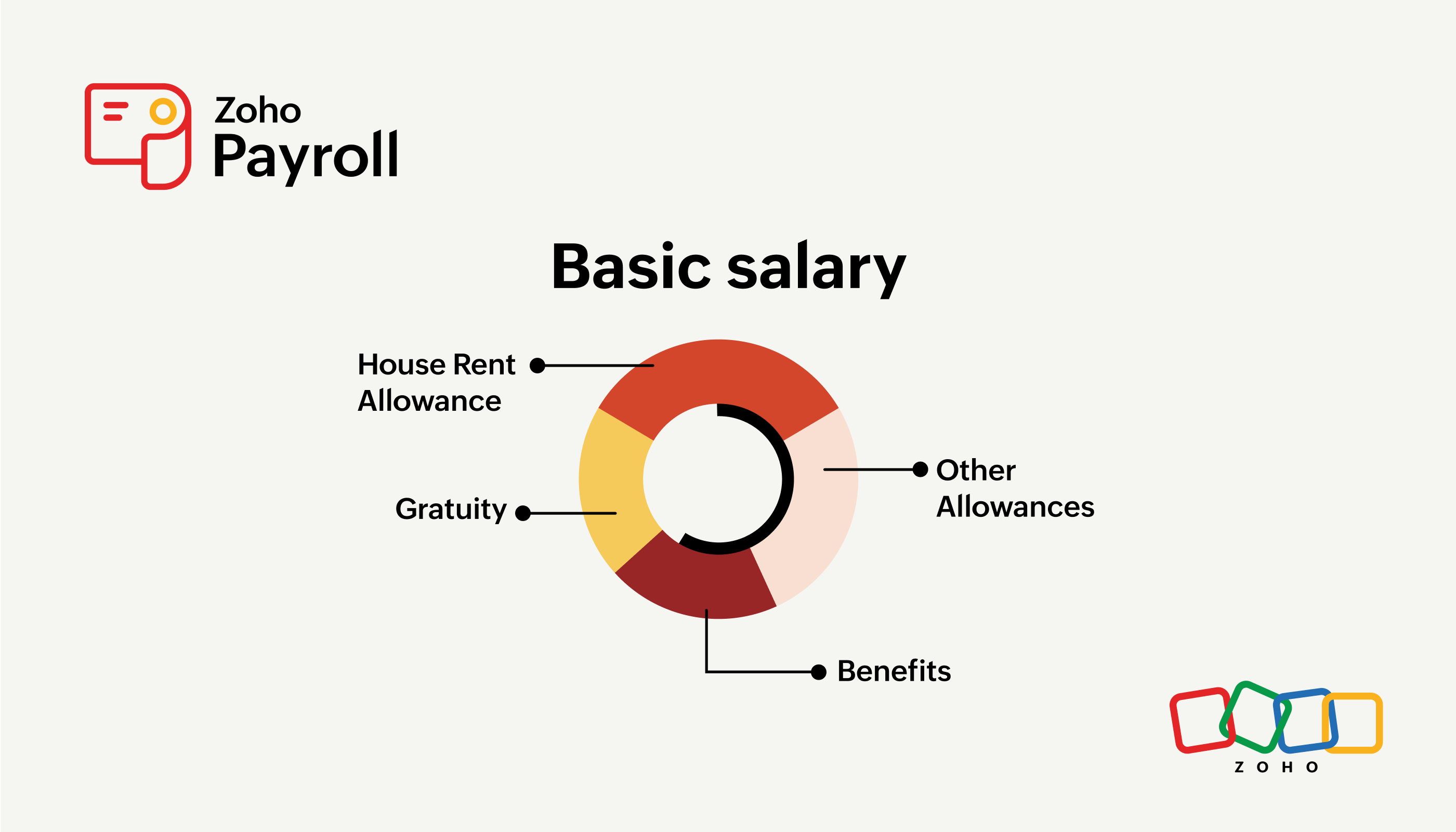
Benefits: Health, Retirement, and Wellness
Employee benefits represent a substantial portion of total compensation, even if they aren’t directly paid into your bank account. Health insurance, including medical, dental, and vision coverage, is a critical benefit that can save individuals thousands of dollars annually in out-of-pocket expenses. Retirement plans, such as 401(k)s or defined-benefit pensions, especially those with employer matching contributions, are essential for long-term financial security. Other benefits like paid time off (vacation, sick leave, holidays), life insurance, disability insurance, and wellness programs (e.g., gym memberships, mental health support) contribute significantly to an employee’s overall well-being and financial stability. The value of a robust benefits package can easily amount to 20-40% of an employee’s base salary.
Equity and Stock Options
For employees in startups, tech companies, or senior leadership roles in public companies, equity compensation can be a game-changer. Stock options, restricted stock units (RSUs), or employee stock purchase plans (ESPPs) give employees a stake in the company’s future success. If the company performs well and its stock price appreciates, the value of these equity grants can grow exponentially, potentially far exceeding the base salary over time. While inherently riskier, as the value is tied to market performance, equity can be a powerful wealth-building tool and a key differentiator in compensation packages, especially for attracting top talent to growth-oriented firms.
Perks and Professional Development
Beyond the monetary and insurance-related benefits, many companies offer a range of perks that enhance the employee experience and provide tangible value. These can include subsidized meals, transportation allowances, tuition reimbursement for further education, professional development budgets for conferences and courses, flexible work arrangements, remote work stipends, and even on-site amenities like childcare or fitness centers. While harder to quantify directly in cash terms, these perks contribute to job satisfaction, work-life balance, and career growth, reducing personal expenses and increasing an individual’s marketability. Investing in professional development not only benefits the employee but also enhances their future earning potential.
Strategies for Salary Negotiation and Growth
Understanding the factors that influence salary is one thing; actively influencing your own salary growth is another. Strategic negotiation and continuous self-improvement are vital for maximizing your earning potential.
Researching Market Rates
Knowledge is power in salary negotiations. Before entering any discussion, thoroughly research the market rate for your specific role, industry, location, and experience level. Use reputable salary aggregators (e.g., Glassdoor, LinkedIn Salary, PayScale, Robert Half Salary Guides), professional networks, and industry reports. This research provides a data-backed foundation for your salary expectations, allowing you to confidently ask for a fair and competitive wage rather than guessing. Knowing the typical range helps you identify if an offer is too low and provides leverage for negotiation.
Building a Strong Case: Quantifying Your Value
During salary discussions, whether for a new role or a raise, focus on demonstrating your value and impact. Don’t just list responsibilities; quantify your achievements. How much revenue did you generate? How much cost did you save? What processes did you optimize, and what was the efficiency gain? What strategic initiatives did you lead, and what were the measurable outcomes? Presenting a clear, data-driven narrative of your contributions makes a compelling case for higher compensation. Frame your request in terms of the value you bring to the organization, rather than solely on your personal needs.
Timing and Approach in Negotiation
Timing is crucial. For new roles, it’s generally best to delay salary discussions until after you’ve received an offer and the employer has expressed significant interest in you, as this gives you maximum leverage. For raises, annual performance reviews or significant project completions are ideal times. Approach negotiations with professionalism, confidence, and a collaborative mindset. Be prepared to articulate your value and your desired compensation range, but also be open to understanding the employer’s perspective and budget constraints. Remember that salary is just one component; be willing to negotiate on benefits, bonuses, or other perks if the base salary is inflexible.
Continuous Learning and Skill Development
The most effective long-term strategy for salary growth is a commitment to continuous learning and skill development. The job market is dynamic, and employers are always seeking individuals with relevant and in-demand skills. Proactively identify gaps in your skill set, pursue certifications, take online courses, attend workshops, or even volunteer for projects that allow you to develop new competencies. Staying abreast of industry trends and emerging technologies makes you a more valuable asset and justifies higher compensation. Investing in yourself is the best financial investment you can make for your career.
The Future of Salary: Trends and Considerations
The concept of salary is not static; it is continually evolving in response to global economic shifts, technological advancements, and changing workforce expectations. Staying informed about these trends is vital for both employers and employees.
Remote Work and Global Salary Benchmarking
The rise of widespread remote work has blurred geographical boundaries, leading to new discussions around salary benchmarking. Companies are grappling with whether to pay employees based on their physical location’s cost of living, the company’s location, or a standardized global rate. This trend opens opportunities for individuals in lower-cost regions to access higher-paying jobs and challenges traditional compensation models. It also introduces complexities regarding tax implications, benefits administration, and maintaining pay equity across a distributed workforce.
Inflation and Cost of Living Adjustments
Inflation directly erodes purchasing power, making salary increases essential just to maintain the status quo. Employees are increasingly seeking annual cost-of-living adjustments (COLAs) to ensure their salaries keep pace with rising expenses. Companies that fail to account for inflation risk losing talent, as their compensation packages become less competitive in real terms. Understanding the impact of inflation on your salary is a fundamental aspect of personal finance and a key consideration in salary negotiations.
Pay Transparency Initiatives
A growing movement towards pay transparency, driven by legislation in some regions and employee advocacy, is influencing how salaries are discussed and determined. Companies are increasingly being required or opting to disclose salary ranges for job postings, or even publicly share compensation data. While this can initially be uncomfortable for some organizations, it can lead to greater pay equity, reduce unconscious bias, and empower employees with more information during negotiations. For individuals, pay transparency provides invaluable data for understanding their market value and negotiating fair compensation.

The Gig Economy and Project-Based Compensation
The expansion of the gig economy and the increasing prevalence of freelance and contract work are redefining how individuals earn income. For many, “salary” is replaced by project-based fees, hourly rates, or retainer agreements. This shift offers flexibility and autonomy but also requires individuals to master skills in self-marketing, pricing, and financial management. Understanding how to value your time and expertise in a project-based context is crucial for financial success in this evolving landscape. It also highlights the importance of managing personal finances, saving for taxes, and securing individual benefits.
In conclusion, “how much is salary” is a question with a deeply layered answer. It encompasses a broad spectrum of economic, industry, geographic, and individual factors. By understanding these components—from the market forces that set industry benchmarks to the individual attributes that drive personal value, and the comprehensive nature of total compensation—individuals are better equipped to navigate their financial journey. Strategic research, effective negotiation, and a commitment to continuous growth are the keystones to not just earning a salary, but to building lasting financial prosperity within the dynamic world of money.
aViewFromTheCave is a participant in the Amazon Services LLC Associates Program, an affiliate advertising program designed to provide a means for sites to earn advertising fees by advertising and linking to Amazon.com. Amazon, the Amazon logo, AmazonSupply, and the AmazonSupply logo are trademarks of Amazon.com, Inc. or its affiliates. As an Amazon Associate we earn affiliate commissions from qualifying purchases.