
The Canadian Dollar (ISO code: CAD) is more than just a medium of exchange; it is a symbol of Canada’s economic sovereignty and a significant player in the global financial markets. Frequently referred to as the “Loonie” due to the image of the common loon on the one-dollar coin, the Canadian currency represents the stability and resource-wealth of one of the world’s most developed nations. For investors, business owners, and travelers, understanding the nuances of the CAD is essential for navigating the North American financial landscape.
This article delves into the intricacies of the Canadian dollar, its role as a commodity currency, and the practical financial considerations for those interacting with Canada’s economy.
Understanding the Canadian Dollar (CAD): History and Physicality
The history of Canada’s currency is a reflection of its transition from a collection of British colonies to a modern, independent economic powerhouse. Today, the CAD is the fifth most held reserve currency in the world, valued for its relative stability and the country’s robust legal and political framework.
The Transition to Polymer Banknotes
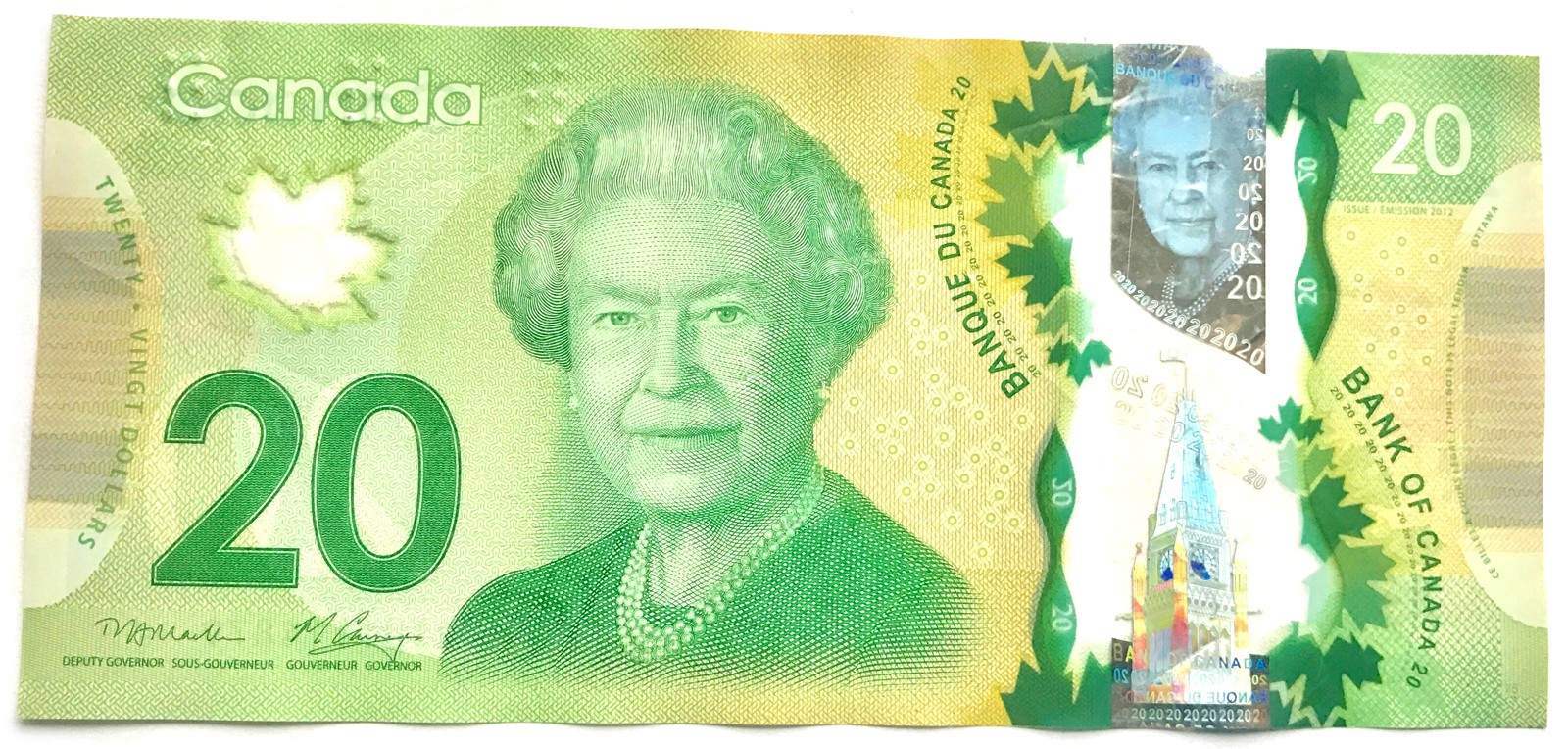
One of the most distinctive features of the Canadian dollar is the physical nature of its banknotes. In 2011, the Bank of Canada began phasing out paper currency in favor of polymer—a synthetic plastic material. This transition was driven by several financial and security factors. Polymer notes are significantly more durable than paper, lasting two to three times longer, which reduces the cost of printing and distributing new currency.
From a security standpoint, these notes incorporate advanced features such as transparent windows, metallic images, and raised ink, making them some of the most difficult banknotes in the world to counterfeit. For the user, this provides a high level of trust in the currency’s integrity, an essential component of a stable financial system.
Canadian Coinage: From Toonies to Nickels
Canada’s coinage is equally unique. The most notable coins are the “Loonie” ($1) and the “Toonie” ($2). The Toonie, introduced in 1996 to replace the two-dollar bill, is a bimetallic coin featuring a distinctive gold-colored inner core and a silver-colored outer ring.
Lower denominations include the quarter (25 cents), the dime (10 cents), and the nickel (5 cents). It is worth noting that Canada officially withdrew the penny (1 cent) from circulation in 2013. This move was a pragmatic financial decision, as the cost of producing a penny had exceeded its face value. Today, for cash transactions, businesses round the final price to the nearest five cents, while electronic transactions remain exact to the cent.
The CAD in the Global Economy: A “Commodity Currency”
In the world of international finance and Forex (Foreign Exchange) trading, the Canadian dollar is famously categorized as a “commodity currency.” This means its value is closely correlated with the global prices of certain raw materials, particularly energy products.
The Influence of Crude Oil and Natural Gas
Canada possesses some of the largest proven oil reserves on the planet, primarily located in the oil sands of Alberta. As a result, Canada is a major net exporter of energy. When global oil prices rise, the Canadian dollar typically strengthens. This is because foreign buyers must purchase CAD to pay for Canadian oil exports, increasing demand for the currency.
Conversely, a slump in the global energy market often leads to a depreciation of the CAD. For investors, this creates a unique dynamic where holding CAD serves as an indirect bet on the global energy sector. Understanding this link is crucial for businesses involved in cross-border trade, as fluctuations in oil prices can significantly impact profit margins and purchasing power.
Monetary Policy and the Bank of Canada
The value and stability of the CAD are also managed by the Bank of Canada (BoC), the nation’s central bank. The BoC’s primary mandate is to maintain price stability by targeting an inflation rate of approximately 2%.
Through the adjustment of the target for the overnight rate (interest rates), the BoC influences the broader economy. High interest rates generally attract foreign investment seeking better returns on Canadian bonds and savings accounts, which drives up the value of the CAD. In times of economic slowdown, the BoC may lower rates to encourage borrowing and spending. For those involved in personal finance or corporate debt management in Canada, the BoC’s quarterly announcements are the most critical events on the financial calendar.
Investing in Canada: Opportunities and Risks

Canada’s stable political environment and rich resource base make it an attractive destination for capital. However, investing in a CAD-denominated environment requires an understanding of both the opportunities and the inherent currency risks.
Foreign Exchange (Forex) Trading with the Loonie
The CAD is a staple in the Forex market, often paired with the US Dollar (USD/CAD). Because Canada and the United States share the largest trading relationship in the world, the USD/CAD exchange rate is a vital indicator of North American economic health.
Forex traders often use the CAD to hedge against inflation or to capitalize on shifts in the commodity cycle. Because the Canadian economy is heavily influenced by its southern neighbor, the “spread” or difference between the interest rates of the US Federal Reserve and the Bank of Canada is a primary driver of the exchange rate. When the BoC is more aggressive (hawkish) than the Fed, the CAD tends to appreciate against the USD.
Impact on the TSX and Real Estate
For stock market investors, the Toronto Stock Exchange (TSX) provides heavy exposure to the financial and energy sectors. Because many TSX-listed companies are exporters, their earnings are often inversely related to the strength of the dollar. A weaker CAD makes Canadian exports cheaper and more competitive abroad, often boosting the stock prices of manufacturing and resource firms.
In the real estate sector, the CAD’s value influences foreign direct investment. When the CAD is weak compared to the USD or Euro, Canadian real estate becomes more affordable for international investors, which can drive up prices in major hubs like Toronto and Vancouver. This creates a complex financial environment where currency fluctuations directly impact housing affordability and the broader wealth of Canadian citizens.
Practical Financial Management for Visitors and Expats
Navigating the financial system in Canada requires a shift in perspective, especially regarding how money moves. Canada is one of the most technologically advanced nations regarding payment systems, yet certain traditional financial etiquettes remain.
Digital Payments vs. Cash in Canada
Canada has largely moved toward a cashless society. The “Interac” network is a uniquely Canadian debit system that allows for instant electronic transfers between bank accounts and point-of-sale payments. Most Canadians use “Interac Flash” (contactless payment) for daily purchases. Credit cards (Visa, Mastercard, and American Express) are also universally accepted.
Despite the prevalence of digital payments, carrying a small amount of cash is still advisable for rural areas or small independent shops. Furthermore, the “tipping culture” in Canada is a significant financial consideration. In restaurants and service industries, a tip of 15% to 20% on the pre-tax total is standard. This is an out-of-pocket expense that visitors and new residents must factor into their daily budgeting.
Currency Exchange Strategies and Fees
For those entering Canada, the method of currency exchange can greatly impact the total value received. Airport kiosks and major retail banks often offer the least favorable exchange rates and may charge high commissions.
Financial experts typically recommend using specialized currency exchange boutiques or digital-first financial tools (like Wise or Revolut) to convert funds. Furthermore, using a credit card with “no foreign transaction fees” can save an individual 2.5% to 3% on every purchase made while in Canada. For businesses, setting up a multi-currency account can help mitigate the risk of currency volatility when paying Canadian suppliers.
The Future of Money in Canada: Digital Transformation
The Canadian financial landscape is currently undergoing a rapid digital transformation, moving beyond traditional banking toward more integrated fintech solutions.
The Rise of Fintech and Open Banking
Canada has seen a surge in financial technology companies that challenge traditional “Big Five” banks. These companies offer high-interest savings accounts, low-fee investment platforms (Robo-advisors), and streamlined peer-to-peer lending. The Canadian government is also moving toward “Open Banking” legislation, which would allow consumers to securely share their financial data with third-party providers. This competition is likely to drive down fees and provide more diverse financial tools for managing CAD-denominated assets.
Central Bank Digital Currency (CBDC) Exploration
Like many G7 nations, the Bank of Canada is actively researching the potential for a Central Bank Digital Currency (CBDC), often referred to as a “Digital Loonie.” While no official decision has been made to replace physical cash, a CBDC would represent a digital version of the CAD, backed by the central bank.
The goal of such a project would be to ensure the stability of the payment system in an increasingly digital world and to provide a safe, state-backed alternative to private cryptocurrencies. For the average person, this would mean even faster transactions and potentially lower costs for financial services, though it raises important questions regarding privacy and the role of commercial banks.
In conclusion, the Canadian dollar is a multifaceted currency that reflects the country’s vast natural resources, its commitment to technological innovation, and its status as a stable pillar of the global economy. Whether you are an investor looking to capitalize on commodity trends, a business owner managing cross-border transactions, or a traveler exploring the Great White North, a deep understanding of the CAD is a prerequisite for financial success in Canada.
aViewFromTheCave is a participant in the Amazon Services LLC Associates Program, an affiliate advertising program designed to provide a means for sites to earn advertising fees by advertising and linking to Amazon.com. Amazon, the Amazon logo, AmazonSupply, and the AmazonSupply logo are trademarks of Amazon.com, Inc. or its affiliates. As an Amazon Associate we earn affiliate commissions from qualifying purchases.