
The term “2K game” is more than just a catchy label; it represents a significant player in the video game industry, primarily known for its hyper-realistic sports simulations. But to truly understand what a 2K game is, we need to delve deeper than just the on-screen action. It’s about understanding the technology that powers these immersive experiences, the branding that makes them iconic, and the economic forces that drive their success. This exploration will touch upon the cutting edge of tech, the intricate world of brand building, and the financial realities of the gaming ecosystem.
The Genesis and Evolution of 2K Games: From Basketball Courts to Global Dominance
At its core, the “2K” in 2K game refers to 2K Sports, a division of Take-Two Interactive. While 2K is associated with a variety of game genres, their most prominent and enduring legacy lies in their sports titles. The company first burst onto the scene with ESPN NFL 2K in 1998, quickly establishing a reputation for pushing graphical boundaries and delivering authentic sports experiences. This initial success paved the way for what would become their flagship franchise: NBA 2K.
The NBA 2K Dynasty: Redefining Sports Gaming
The NBA 2K series is arguably what most people think of when they hear “2K game.” This franchise has consistently been at the forefront of sports simulation, meticulously recreating the look, feel, and strategic depth of professional basketball. What began as a competent simulation has evolved into a cultural phenomenon, thanks to a relentless pursuit of realism.
-
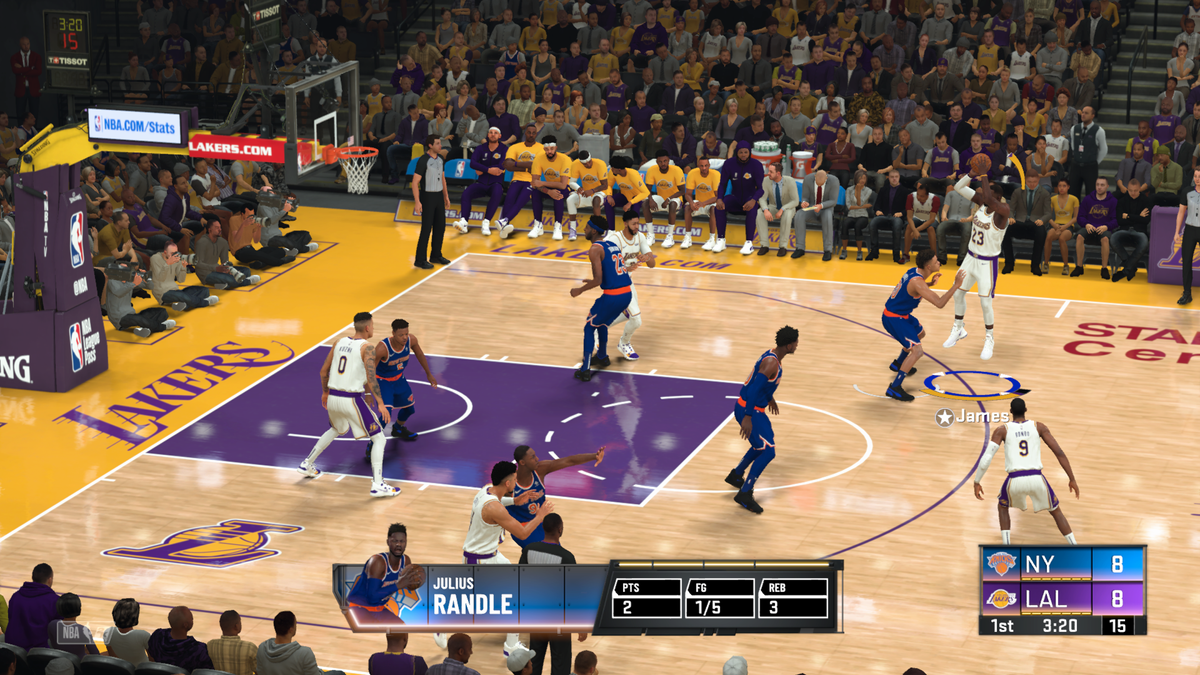
Technological Prowess: The success of NBA 2K is inextricably linked to its embrace of cutting-edge technology. Each iteration pushes the envelope in terms of graphical fidelity, player animation, and AI. Developers meticulously scan real-life players to capture their likenesses and movements, and motion capture technology brings a new level of fluidity to on-court action. The physics engines are sophisticated, simulating ball bounces, player collisions, and the unpredictable nature of a sporting event. In recent years, the integration of advanced lighting techniques, intricate stadium details, and even realistic crowd reactions have made these games feel incredibly alive. For players, this means a more immersive and believable experience, making them feel like they are truly on the hardwood. This technological arms race is a constant driver for the genre, with 2K often setting the benchmark.
-
The Evolution of Gameplay: Beyond the visuals, the gameplay mechanics of NBA 2K have undergone significant refinement. Early iterations focused on fundamental basketball strategy and execution. However, as the series progressed, it introduced deeper tactical elements, more nuanced offensive and defensive schemes, and a wider array of player-specific moves. The introduction of complex dribble mechanics, sophisticated shooting systems, and dynamic defensive AI has created a steep but rewarding learning curve. This commitment to authentic gameplay has resonated with both casual fans and hardcore simulation enthusiasts alike.
-
MyCAREER: A Narrative-Driven Experience: A pivotal element in the NBA 2K formula is the MyCAREER mode. This is where the “game” in “2K game” extends beyond the court and into a compelling narrative. Players create their own virtual basketball player and guide them through their journey from a raw rookie to a league legend. This mode often features Hollywood actors, original storylines, and a branching dialogue system, transforming the sports game into an engaging role-playing experience. The success of MyCAREER has demonstrated the potential for narrative depth within sports titles, blurring the lines between simulation and interactive storytelling. This mode’s popularity has also highlighted the importance of personal branding for virtual athletes, as players invest time and effort in shaping their avatar’s identity and career trajectory.
Beyond the Hardwood: Diversifying the 2K Portfolio
While NBA 2K is the undisputed king of 2K’s sports empire, the “2K game” umbrella also encompasses other popular franchises. These expansions showcase 2K’s ambition to capture diverse gaming markets and leverage their development expertise across different genres.
-
NFL 2K Revival and Other Sports: After a hiatus, 2K has announced plans to revive the NFL 2K franchise, signaling a return to the gridiron. This move is met with significant anticipation from fans who remember the critical acclaim of the original series. Additionally, 2K has a history with other sports simulations, such as MLB 2K (baseball) and NHL 2K (hockey), though their focus has largely shifted. The ability to adapt their core simulation engine and development principles to various sports highlights their technical versatility.
-
Non-Sports Ventures: BioShock and Borderlands: It’s crucial to note that 2K is not solely a sports game developer. 2K Games (the parent publishing label) is also responsible for critically acclaimed titles in other genres. The BioShock series is renowned for its atmospheric storytelling, philosophical themes, and unique art direction, demonstrating a capacity for creating genre-defining experiences beyond sports. Similarly, the Borderlands series has achieved massive success with its unique cel-shaded art style, looter-shooter gameplay, and irreverent humor. These ventures showcase 2K’s broader ambitions and their ability to cultivate diverse and beloved intellectual properties.
The Business of 2K Games: Branding, Monetization, and the Digital Economy
Understanding what a 2K game is also requires examining the business strategies that underpin its creation and distribution. This involves sophisticated branding, innovative monetization models, and an acute awareness of the global gaming market.
Building an Iconic Brand: The 2K Identity

The “2K” brand itself is a powerful asset. It signifies quality, authenticity, and a commitment to delivering premium entertainment experiences.
-
Brand Strategy and Marketing: 2K Sports has invested heavily in building a strong brand identity. Their marketing campaigns are often high-energy, featuring star athletes and showcasing the most impressive graphical and gameplay elements. The association with respected sports leagues like the NBA and NFL lends credibility and broadens their appeal. Beyond product marketing, 2K has also focused on personal branding within their games. The success of MyCAREER is a testament to this, where players invest in building the “brand” of their virtual athlete, making career choices, endorsements, and even social media interactions that shape their in-game reputation.
-
Corporate Identity and Reputation: Take-Two Interactive, as the parent company, has cultivated a reputation for developing and publishing high-quality, often mature-rated games. This corporate identity influences how 2K games are perceived in the market. Their commitment to pushing technological boundaries and engaging with fan communities helps maintain a positive and respected image within the gaming industry.
The Economic Engine: Monetization and the Digital Marketplace
The financial aspects of 2K games are as crucial to their existence as the gameplay itself. The modern gaming landscape is a complex economic ecosystem, and 2K has navigated it with considerable success.
-
Microtransactions and Virtual Currency: A significant part of the revenue generated by many 2K games, particularly NBA 2K, comes from in-game purchases. Virtual currency, often referred to as “VC,” can be bought with real money and used to upgrade player attributes, purchase cosmetic items, or acquire powerful virtual teams. This monetization strategy, while sometimes controversial, is a prevalent model in free-to-play and even premium games. It allows players to accelerate their progress or customize their experience, while providing a continuous revenue stream for the developers. Understanding these microtransaction economies is key to grasping the financial model of these games.
-
The Rise of Live Services and Ongoing Engagement: 2K games, especially sports titles, are increasingly designed as “live services.” This means they are not just released as a finished product but are continuously updated with new content, events, and challenges to keep players engaged over extended periods. The NBA 2K “The City” and “The Neighborhood” social hubs are prime examples, offering a persistent online world where players can interact, compete, and participate in community events. This “always-on” approach fosters a sense of community and encourages long-term player investment, contributing significantly to the ongoing financial success of these titles.
-
The Digital Distribution and its Impact: The shift towards digital distribution has profoundly impacted how 2K games are sold and consumed. Online marketplaces allow for direct downloads, eliminating the need for physical copies and enabling more frequent updates and content releases. This also facilitates the tracking of player data, providing valuable insights for future game development and marketing strategies. The ability to reach a global audience instantaneously through digital channels is a cornerstone of their economic model.
The Future of 2K Games: Innovation and Expanding Horizons
The journey of a 2K game is far from over. The company continues to innovate and explore new avenues, ensuring its relevance in the ever-evolving gaming landscape.
Embracing New Technologies and Platforms
-
AI and Procedural Generation: The future of 2K games will undoubtedly see further integration of artificial intelligence. Advanced AI can create more dynamic and unpredictable opponents, generate more realistic player behaviors, and even contribute to procedural content generation, leading to more unique and replayable experiences. AI can also play a role in improving player training and development within modes like MyCAREER.
-
Cloud Gaming and Cross-Platform Play: The rise of cloud gaming platforms could offer new ways for players to access 2K games without requiring high-end hardware. Similarly, the push for cross-platform play, allowing players on different consoles and PC to compete together, is a significant trend that 2K will likely embrace to expand their player base and foster stronger online communities.

Expanding the “Game” Beyond the Screen
-
Esports and Competitive Gaming: The competitive gaming scene, or esports, has exploded in popularity, and 2K games, particularly NBA 2K, are well-positioned to capitalize on this. Organized tournaments, professional leagues, and dedicated fan bases are becoming increasingly common. This creates new revenue streams through broadcasting rights, sponsorships, and merchandise.
-
Transmedia Opportunities: The rich worlds and engaging narratives within 2K’s intellectual properties, from the deep lore of BioShock to the vibrant personalities in NBA 2K, offer significant potential for transmedia expansion. This could include television series, films, comic books, and other forms of entertainment, further solidifying the brand’s presence and reach.
In conclusion, a “2K game” represents more than just a video game; it’s a multifaceted entity deeply intertwined with technological innovation, strategic branding, and robust financial planning. From the meticulously crafted virtual athletes on the court to the underlying code that brings them to life, and the global business strategies that make them accessible, 2K games are a testament to the modern entertainment industry’s ability to blend art, technology, and commerce into compelling experiences that captivate millions worldwide. As technology advances and player expectations evolve, the definition of a 2K game will undoubtedly continue to expand, promising even more immersive and engaging entertainment in the years to come.
aViewFromTheCave is a participant in the Amazon Services LLC Associates Program, an affiliate advertising program designed to provide a means for sites to earn advertising fees by advertising and linking to Amazon.com. Amazon, the Amazon logo, AmazonSupply, and the AmazonSupply logo are trademarks of Amazon.com, Inc. or its affiliates. As an Amazon Associate we earn affiliate commissions from qualifying purchases.