
Wegovy, a prescription medication for chronic weight management, has emerged as a significant topic in healthcare and personal finance discussions. As an injectable medication containing semaglutide, it has shown impressive results in clinical trials for weight loss, but its efficacy comes with a notable price tag. For individuals considering Wegovy as part of their health journey, understanding the multifaceted financial implications is paramount. This article delves deep into the cost of Wegovy, exploring not just its sticker price, but also the various factors that influence out-of-pocket expenses, strategies for cost reduction, and the broader financial considerations involved in long-term treatment.
Understanding the Base Price and Contributing Factors
The initial shock of Wegovy’s retail price often leads individuals to seek more nuanced financial guidance. While the list price is substantial, several layers determine what a patient ultimately pays.
The Sticker Price: A Look at Average Retail Costs
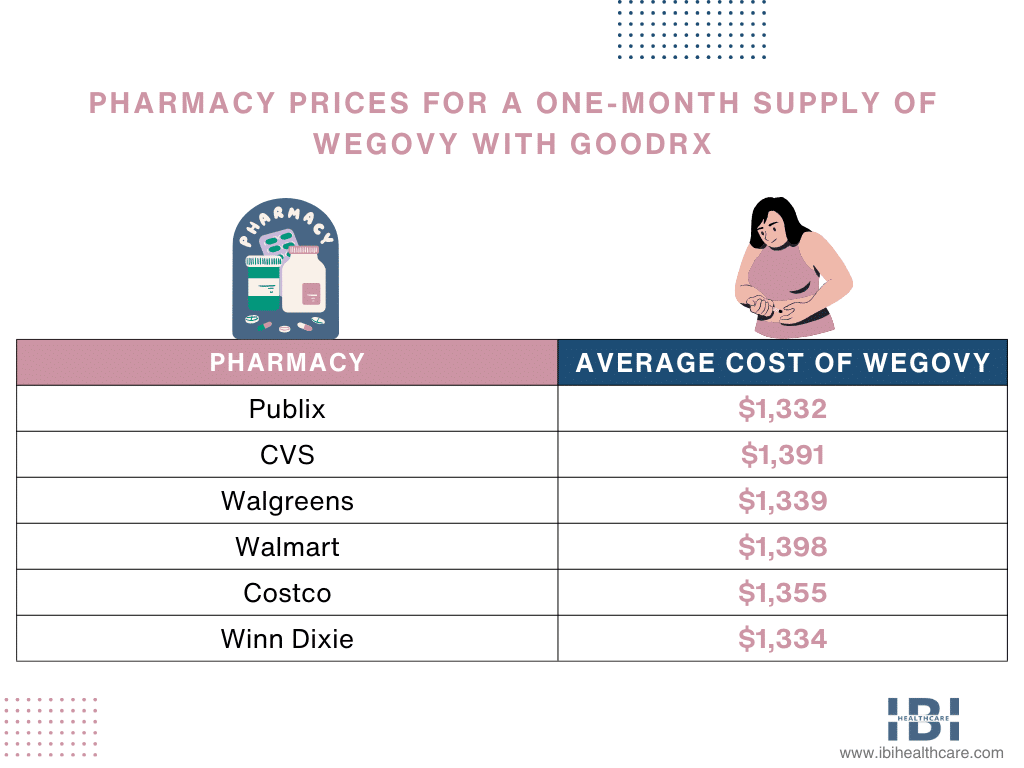
Without insurance or discounts, the average retail price for Wegovy typically hovers around $1,300 to $1,600 per month. This figure represents the cash price for a single auto-injector pen, which contains four doses (one for each week of the month), regardless of the dosage strength (0.25mg, 0.5mg, 1mg, 1.7mg, or 2.4mg). This consistent pricing across different strengths for a monthly supply is a key characteristic of the drug’s cost structure. It’s important to recognize that this is a monthly cost, and chronic weight management often implies treatment spanning many months, if not years, making the cumulative expense considerable.
Geographical Variations and Pharmacy Pricing
The cash price of Wegovy can exhibit minor variations based on geographical location and the specific pharmacy. Larger pharmacy chains might have slightly different pricing strategies compared to independent pharmacies. Regional disparities in healthcare costs and distribution networks can also play a role, though the core manufacturer’s list price tends to set a fairly consistent baseline. Comparing prices across different pharmacies in your area can sometimes yield small savings, but these are typically not substantial enough to drastically alter the overall cost burden. Online pharmacies might offer competitive pricing, but verification of their legitimacy and adherence to safety standards is crucial.
The Impact of Supply and Demand
Wegovy has experienced periods of significant demand coupled with supply chain challenges, leading to intermittent shortages. While these shortages do not directly increase the manufacturer’s list price, they can indirectly affect patient access and their ability to consistently fill prescriptions. For individuals who have insurance coverage but cannot find the medication, the frustration of delayed treatment can be a hidden “cost.” Furthermore, high demand underscores the drug’s perceived value in the market, allowing the manufacturer to maintain its premium pricing without significant downward pressure from competition, at least for now.
Navigating Insurance Coverage and Out-of-Pocket Expenses
For most individuals, health insurance is the primary determinant of their actual out-of-pocket cost for Wegovy. However, insurance coverage for weight loss medications is notoriously complex and highly variable.
Health Insurance: A Complex Landscape
The biggest hurdle for many is whether their health insurance plan covers weight loss medications at all. Historically, many insurance companies viewed obesity as a lifestyle choice rather than a medical condition, limiting coverage for treatments. While this perspective is slowly changing, particularly with the recognition of obesity as a chronic disease, coverage is far from universal. Many plans still explicitly exclude weight loss drugs from their formularies. Even if a plan does cover Wegovy, the extent of that coverage can vary widely, from partial coverage to requiring specific criteria to be met. It is essential to contact your insurance provider directly to understand their specific policies regarding Wegovy.
Deductibles, Co-pays, and Coinsurance: Decoding Your Share
If your insurance plan does cover Wegovy, your out-of-pocket costs will be determined by your plan’s structure:
- Deductible: This is the amount you must pay out of pocket before your insurance company begins to pay for covered services. If your deductible is high, you might pay the full cash price of Wegovy for several months until you meet it.
- Co-pay: A fixed amount you pay for a prescription after your deductible has been met. For specialty medications like Wegovy, co-pays can still be substantial, often ranging from $50 to $200 or more per month.
- Coinsurance: A percentage of the cost of the medication that you are responsible for, even after your deductible is met. For example, if your coinsurance is 20% and the drug costs $1,500, you would pay $300. Coinsurance often applies to high-cost specialty drugs.
Understanding how these elements interact is critical for accurately predicting your monthly expenses. High-deductible health plans (HDHPs) are becoming more common, which means many patients will bear a significant portion of the cost before insurance kicks in.
Prior Authorization and Step Therapy Requirements
Even with a plan that theoretically covers Wegovy, insurance companies often impose strict requirements before approving coverage.
- Prior Authorization (PA): This means your doctor must submit documentation to your insurance company explaining why Wegovy is medically necessary for you, often including details about your Body Mass Index (BMI), co-morbidities (like type 2 diabetes or high blood pressure), and previous weight loss attempts.
- Step Therapy: Some plans require you to try and fail less expensive or alternative weight loss interventions (e.g., diet, exercise, or older, cheaper medications) before they will approve coverage for Wegovy.
Navigating these administrative hurdles can be time-consuming and frustrating, but they are often mandatory steps to secure insurance coverage.
Strategies for Reducing Your Wegovy Financial Burden

Given the high costs, exploring avenues to reduce the financial strain is a critical part of the treatment journey for many patients.
Manufacturer Savings Programs and Discount Cards
Novo Nordisk, the manufacturer of Wegovy, often provides savings programs to help eligible patients reduce their out-of-pocket costs. The “Wegovy Savings Card” or similar programs can bring down the monthly co-pay to a much more manageable amount (e.g., as low as $25 for eligible commercially insured patients). However, these programs usually have specific eligibility criteria, such as:
- Having commercial insurance (they typically do not apply to government-funded programs like Medicare, Medicaid, or TRICARE).
- Not having coverage for Wegovy, or having a high co-pay/coinsurance.
- Annual limits on the total savings.
It’s crucial to review the terms and conditions carefully and apply for these cards if you meet the criteria. Additionally, various third-party discount cards (e.g., GoodRx, SingleCare) can sometimes offer modest savings on the cash price, though these are typically more impactful for generic medications.
Patient Assistance Programs for Uninsured or Underinsured Individuals
For those who are uninsured, whose insurance explicitly denies coverage, or who face an insurmountable financial burden even with insurance, patient assistance programs (PAPs) can be a lifesaver. Novo Nordisk’s Patient Assistance Program is designed to help eligible low-income, uninsured, or underinsured patients receive their medication at no cost or a significantly reduced cost. Eligibility is typically based on income thresholds relative to the federal poverty level. The application process usually involves submitting detailed financial information and medical documentation from your prescribing physician. While these programs require effort to apply for, they can provide full or partial relief from the cost.
Exploring Generic Alternatives and Compounding Pharmacies
As of now, there is no generic version of Wegovy (semaglutide for weight loss) available, as the patent is held by Novo Nordisk. However, the active ingredient, semaglutide, is also approved in a different formulation (Ozempic) for type 2 diabetes. Some compounding pharmacies have begun offering compounded versions of semaglutide, often combined with other substances like B12, at a significantly lower cost.
It is absolutely critical to approach compounded semaglutide with extreme caution. The FDA has issued warnings about the safety and efficacy of compounded semaglutide, as these products are not FDA-approved, are not subject to the same rigorous manufacturing and quality control standards as the branded drug, and may contain different salts or formulations that have not been clinically tested. While the cost savings can be tempting, the potential health risks and lack of regulatory oversight make this a highly controversial and potentially unsafe option. Always discuss this with your doctor and prioritize safety and proven efficacy.
The Role of Flexible Spending Accounts (FSAs) and Health Savings Accounts (HSAs)
For individuals enrolled in an HSA-eligible high-deductible health plan or who have access to an FSA through their employer, these tax-advantaged accounts can be invaluable for covering Wegovy costs. Contributions to FSAs and HSAs are tax-deductible, and withdrawals for qualified medical expenses (which include prescription medications like Wegovy) are tax-free. This effectively means you’re paying for your medication with pre-tax dollars, leading to a direct saving equivalent to your marginal tax rate. Maximizing contributions to these accounts, if eligible, is a wise financial strategy for managing high healthcare costs.
Long-Term Financial Planning and the Value Proposition
Wegovy is designed for chronic use, meaning treatment can extend for many months or even years. This long-term commitment necessitates robust financial planning and a clear understanding of the drug’s value proposition beyond its immediate price tag.
Projecting Ongoing Costs for Chronic Treatment
Assuming a stable monthly cost (whether cash, co-pay, or through a savings card), individuals need to project the total expenditure over a year or more. A monthly cost of $1,000, for instance, translates to $12,000 annually. Over three years, this is $36,000. These figures underscore the need for a sustainable financial strategy. This might involve budgeting specifically for the medication, reassessing other discretionary spending, or adjusting retirement savings contributions temporarily if the health benefit is deemed crucial. The “cost” extends beyond the drug itself to include regular doctor visits, potential lab tests to monitor health, and adherence to a healthy lifestyle.
The Economic Impact of Weight Management on Overall Health
While the cost of Wegovy is high, it’s essential to consider the potential economic benefits of successful weight management. Obesity is linked to a myriad of costly health conditions, including:
- Type 2 diabetes
- Heart disease
- High blood pressure
- Sleep apnea
- Certain cancers
- Osteoarthritis
Managing these conditions often involves ongoing medical appointments, specialized medications, and even surgeries, all of which carry significant financial burdens. Effective weight loss can potentially reduce the risk or severity of these conditions, leading to fewer medical interventions, lower medication costs for co-morbidities, and improved quality of life. From a purely economic standpoint, investing in weight management today could lead to substantial healthcare savings down the line, though this is a complex calculation and not guaranteed for every individual.

Weighing the Cost Against Potential Health Benefits and Quality of Life Improvements
Ultimately, the decision to take Wegovy, especially considering its cost, is a highly personal one. It involves weighing the significant financial investment against the potential for improved health outcomes, enhanced mobility, increased energy levels, and an overall better quality of life. For some, the relief from obesity-related physical pain, the ability to participate more actively in life, or the psychological benefits of achieving a healthy weight may far outweigh the monetary cost.
It’s also important to consider the opportunity cost – what else could that money be used for? This is where personal values, financial stability, and the severity of one’s obesity and related health risks come into play. A thorough discussion with your doctor about the expected benefits, potential side effects, and alternative treatments, combined with a clear understanding of your financial capacity and available support programs, is crucial for making an informed decision about the cost of Wegovy and its place in your health journey.
aViewFromTheCave is a participant in the Amazon Services LLC Associates Program, an affiliate advertising program designed to provide a means for sites to earn advertising fees by advertising and linking to Amazon.com. Amazon, the Amazon logo, AmazonSupply, and the AmazonSupply logo are trademarks of Amazon.com, Inc. or its affiliates. As an Amazon Associate we earn affiliate commissions from qualifying purchases.