
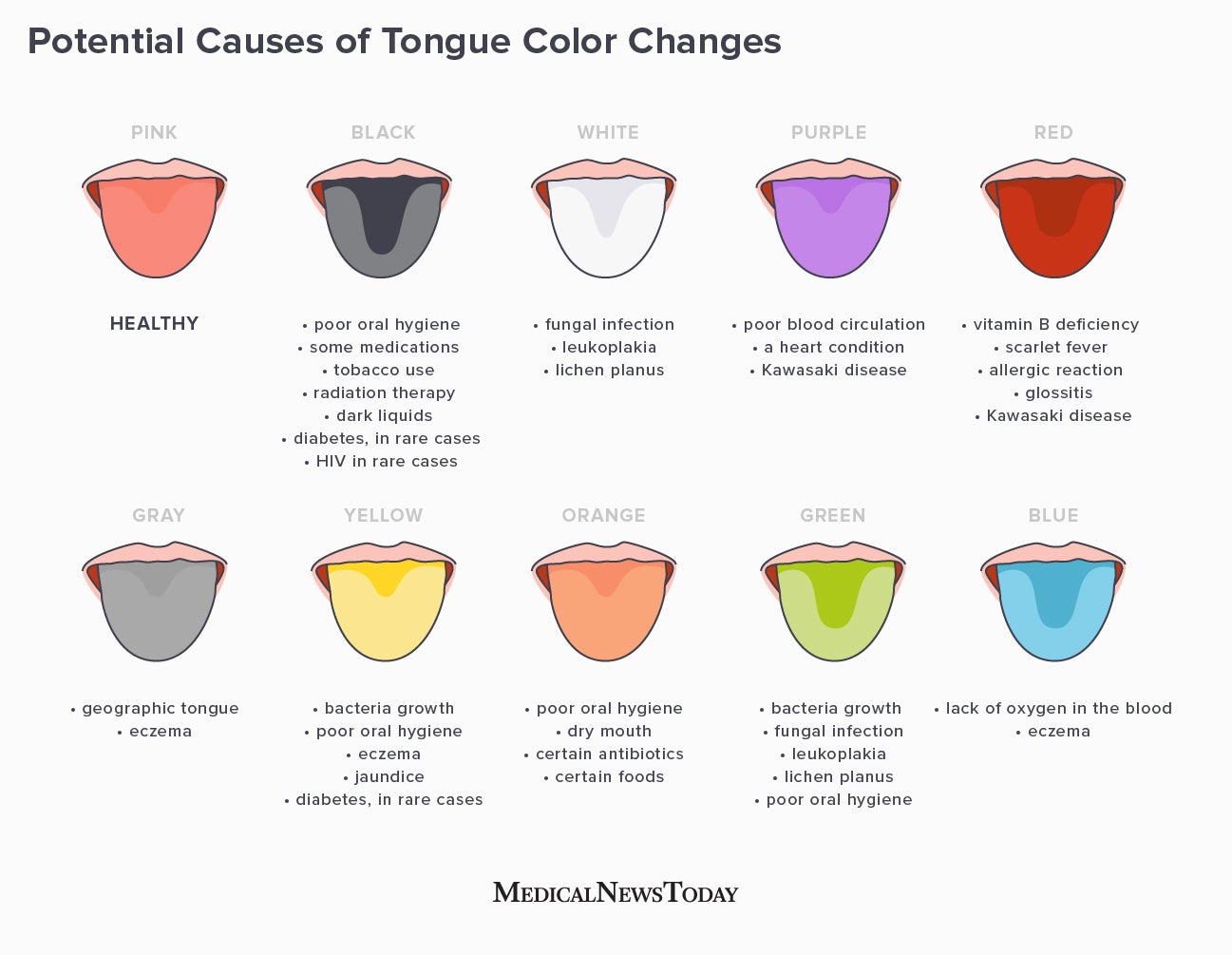
The human tongue, often overlooked in daily health assessments, serves as a crucial barometer for overall well-being. Its color, texture, and coating can offer profound insights into everything from hydration levels and dietary habits to systemic infections and nutrient deficiencies. In an era increasingly defined by digital innovation, understanding “what color your tongue should be” is no longer just a matter for medical professionals, but a frontier for personal health tech, leveraging advanced tools to empower individuals with unprecedented insights into their oral and general health.
The Digital Revolution in Oral Health Assessment
Traditionally, a doctor or dentist would visually inspect the tongue, relying on years of experience to interpret its appearance. While invaluable, this method is subjective and often limited to periodic check-ups. Today, the convergence of artificial intelligence, high-resolution imaging, and smart sensor technology is transforming how we monitor and understand this vital organ. The goal is to move beyond mere observation to precise, data-driven diagnostics that empower proactive health management.
AI-Powered Diagnostics: Decoding the Subtleties of Tongue Appearance
Artificial intelligence is rapidly becoming an indispensable tool in medical diagnostics, and oral health is no exception. AI algorithms, trained on vast datasets of healthy and diseased tongue images, can identify subtle variations in color, coating thickness, and texture that might escape the human eye or be misinterpreted due to subjective bias. For instance, a healthy tongue typically exhibits a pinkish-red hue with a thin, whitish coating. Deviations from this norm—such as a bright red, pale, or yellowish tongue, or an unusually thick, patchy, or discolored coating—can signal underlying health issues.
AI-powered systems can:
- Analyze minute color shifts: Beyond basic hue, AI can quantify saturation and brightness, detecting early indicators of anemia (pale tongue) or inflammation (bright red).
- Assess coating characteristics: It can differentiate between a normal, thin coating and a thick, irregular one, which might suggest digestive issues, bacterial overgrowth, or fungal infections like oral thrush.
- Identify texture abnormalities: Fissures, bumps, or geographic patterns are precisely mapped and correlated with known conditions, from benign variations to early signs of more serious pathologies.
- Provide comparative analysis: By comparing an individual’s tongue images against a database of millions, AI can highlight specific areas of concern and flag changes from previous scans, establishing a personalized baseline for health.
This technology makes diagnostics more objective, consistent, and accessible, offering a rapid, non-invasive method for initial screening and continuous monitoring.
Smart Gadgets for At-Home Oral Monitoring
The proliferation of smart health devices has extended professional-grade monitoring capabilities into the home. For oral health, this translates into consumer-friendly gadgets designed to capture high-quality images of the tongue and oral cavity. These devices, often resembling small, handheld intraoral cameras, connect wirelessly to smartphones or tablets, allowing users to perform self-assessments with remarkable clarity.
Key features of these smart gadgets include:
- High-resolution imaging: Capturing detailed photographs and videos of the tongue, revealing even minor changes.
- Integrated sensors: Some devices incorporate sensors to measure specific parameters like pH levels or temperature, offering a more holistic view of oral health.
- User-friendly interfaces: Designed for ease of use, guiding individuals through the scanning process to ensure consistent and accurate data collection.
- Data synchronization: Automatically uploading images and data to a secure cloud platform, facilitating longitudinal tracking and sharing with healthcare providers.
By integrating these gadgets into daily routines, individuals can proactively monitor their tongue’s appearance, becoming more attuned to their body’s signals and identifying deviations from their healthy baseline sooner.
Leveraging Mobile Apps for Personalized Oral Wellness
Smartphones have become personal health hubs, and mobile applications are at the forefront of translating complex health data into actionable insights. For tongue health, apps serve as the interface between the individual, their smart monitoring devices, and potentially their healthcare providers, creating a seamless ecosystem for personalized oral wellness management.
Interactive Tracking and Trend Analysis
Modern oral health apps allow users to upload images captured by smart gadgets or even directly take photos with their phone cameras, providing a visual diary of their tongue’s appearance over time. This functionality is crucial for identifying trends and correlating changes with lifestyle factors.
App features often include:
- Visual timelines: Organizing images chronologically, making it easy to review past states of the tongue.
- Annotated analysis: AI within the app can highlight areas of concern, explain potential meanings of specific colors or textures, and suggest next steps.
- Symptom logging: Users can input related symptoms (e.g., dry mouth, bad breath, discomfort) alongside images, providing a richer context for analysis.
- Lifestyle correlation: The app can prompt users to log dietary changes, medication intake, stress levels, or sleep patterns, helping to uncover potential links between lifestyle and tongue appearance.

This interactive tracking empowers users to become active participants in their health journey, fostering a deeper understanding of their body’s responses to various internal and external factors.
Expert Guidance and Teledentistry Integration
Beyond self-monitoring, oral health apps are increasingly integrating teledentistry capabilities, bridging the gap between at-home data collection and professional medical advice. Secure platforms within these apps allow users to share their collected data, including tongue images and trends, directly with their dentists or doctors.
Benefits of this integration include:
- Remote consultations: Individuals can receive professional assessments and advice without needing an immediate in-person visit, especially useful for preliminary screening or follow-up appointments.
- Personalized recommendations: Based on the comprehensive data shared, dental professionals can provide tailored advice on oral hygiene practices, dietary adjustments, or suggest specific treatments.
- Early intervention: If the app or AI identifies a significant deviation from the healthy baseline, it can flag the issue for professional review, leading to earlier diagnosis and treatment of potential problems.
- Enhanced care coordination: The digital record of oral health data ensures that healthcare providers have a complete and evolving picture of a patient’s condition, leading to more informed care plans.
This blend of personal tracking and professional oversight ensures that individuals receive timely and appropriate care, maximizing the benefits of early detection.
The Promise of Predictive Analytics in Preventive Oral Care
The ultimate goal of health technology is to shift from reactive treatment to proactive prevention. Predictive analytics, fueled by AI and vast datasets, holds immense promise for forecasting potential oral and systemic health issues before they become severe.
From Reactive Treatment to Proactive Health Management
By analyzing long-term trends in an individual’s oral health data, combined with population-level health statistics, AI can develop predictive models. These models can anticipate the likelihood of developing certain conditions based on subtle, accumulating changes in tongue appearance or other oral indicators. For instance, consistent patterns of a particular tongue coating might predict a predisposition to certain digestive issues, or chronic inflammation might precede more serious oral pathologies.
This predictive capability allows for:
- Personalized risk assessment: Identifying individuals at higher risk for specific conditions.
- Targeted preventive strategies: Recommending lifestyle changes, specific oral care products, or dietary adjustments tailored to mitigate identified risks.
- Scheduled interventions: Prompting individuals to consult a professional for early screening or preventative treatments before symptoms even manifest.
The ability to predict and prevent transforms the “what color your tongue should be” question into a dynamic, forward-looking health strategy.
Data Security and Ethical Considerations in Health Tech
As with all health-related technology, the use of AI, smart gadgets, and mobile apps for oral health monitoring raises critical questions about data security, privacy, and ethics. Protecting sensitive health information is paramount.
Key considerations include:
- Robust encryption: Ensuring all collected and transmitted data is securely encrypted to prevent unauthorized access.
- Data privacy policies: Clear and transparent policies outlining how data is collected, stored, used, and shared, giving users full control over their information.
- Regulatory compliance: Adhering to strict health data regulations (e.g., HIPAA in the US, GDPR in Europe) to maintain legal and ethical standards.
- Bias in algorithms: Continuously refining AI algorithms to ensure they are free from biases that could lead to misdiagnosis or unequal health outcomes across diverse populations.
- Equitable access: Striving to make these advanced technologies accessible and affordable to all, ensuring that digital health benefits are not limited to a privileged few.
Addressing these concerns is crucial for building trust and ensuring that technological advancements in oral health genuinely serve the well-being of all individuals.

Empowering Individuals Through Technology
In conclusion, “what color your tongue should be” is more than a simple diagnostic query; it’s an entry point into a sophisticated ecosystem of technological tools designed to enhance personal health management. From AI-driven analysis to user-friendly apps and smart devices, technology is democratizing health insights, making it easier than ever for individuals to monitor their oral health and understand its profound connection to their overall well-being. By embracing these innovations, we move closer to a future where proactive, personalized health care is not just a possibility, but a daily reality.
aViewFromTheCave is a participant in the Amazon Services LLC Associates Program, an affiliate advertising program designed to provide a means for sites to earn advertising fees by advertising and linking to Amazon.com. Amazon, the Amazon logo, AmazonSupply, and the AmazonSupply logo are trademarks of Amazon.com, Inc. or its affiliates. As an Amazon Associate we earn affiliate commissions from qualifying purchases.