
In an increasingly subscription-driven economy, understanding the true financial implications of digital services is paramount. Amazon Prime, a ubiquitous name in online retail and digital entertainment, stands as one of the most prominent examples of a comprehensive subscription package. For millions worldwide, Prime has become an integral part of their daily lives, offering a dizzying array of benefits from expedited shipping to exclusive streaming content. But beneath the surface of convenience and perceived value lies a fundamental question that every financially astute consumer must ask: what exactly is the cost for Amazon Prime, and how does one truly measure its return on investment?
This article delves exclusively into the financial dimensions of Amazon Prime membership, dissecting its pricing structures, evaluating its economic benefits, and providing a framework for consumers to perform their own cost-benefit analysis. We will explore how to optimize your membership for maximum financial gain, understand the less obvious monetary advantages, and consider the future trajectory of Prime’s cost in a dynamic market. Our focus remains squarely on personal finance, investment decision-making (in terms of subscription spend), and the practical tools for managing your money effectively within the Amazon ecosystem.
Understanding Amazon Prime’s Pricing Structure
At its core, understanding the financial commitment required for Amazon Prime begins with its direct subscription fees. However, a closer look reveals a tiered system designed to cater to various demographics and payment preferences.
Annual vs. Monthly Subscriptions: A Comparative Look
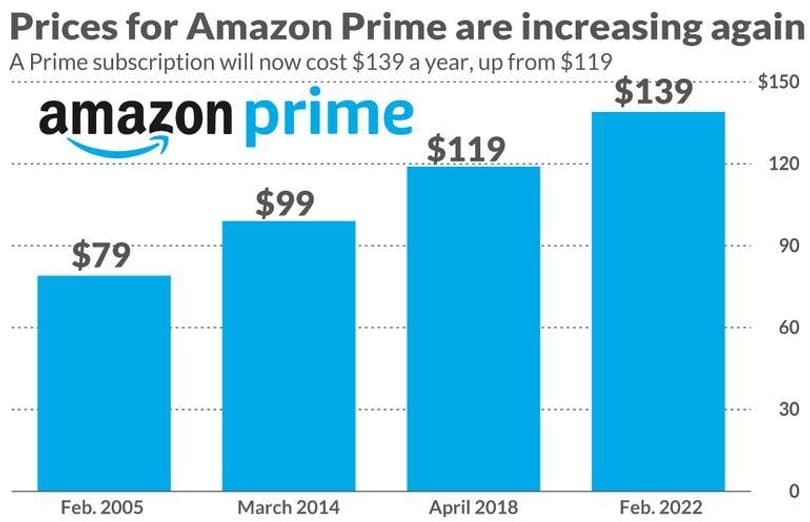
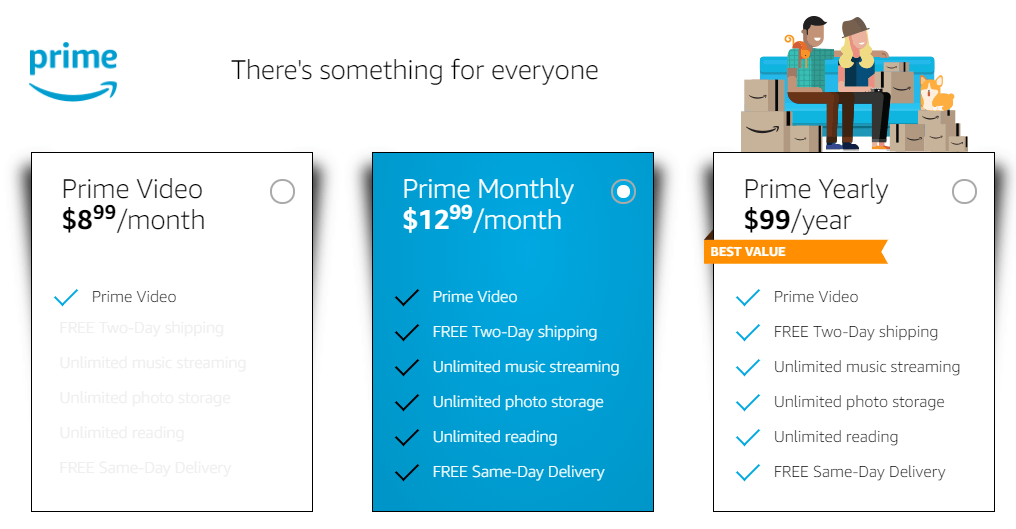
The most common financial decision Prime members face is whether to opt for an annual or monthly payment plan. Historically, the annual subscription has offered a significant cost advantage. For example, if the monthly fee is $14.99, an annual subscription at $139 (as of recent figures) represents a saving of approximately $40.88 per year compared to paying month-to-month ($14.99 x 12 = $179.88).
From a financial planning perspective, committing to an annual plan makes sense if you are certain you will utilize Prime for the full year. It locks in a lower effective monthly rate and reduces the administrative overhead of monthly billing. However, for those with fluctuating needs or who prefer greater flexibility, the monthly option provides the ability to cancel and resubscribe without penalty, potentially saving money during periods of low usage. This flexibility comes at a premium, essentially serving as a convenience fee for short-term access. Consumers should weigh their anticipated usage against their desire for flexibility to make the most financially sound choice.
Student and Government Assistance Programs: Discounted Access
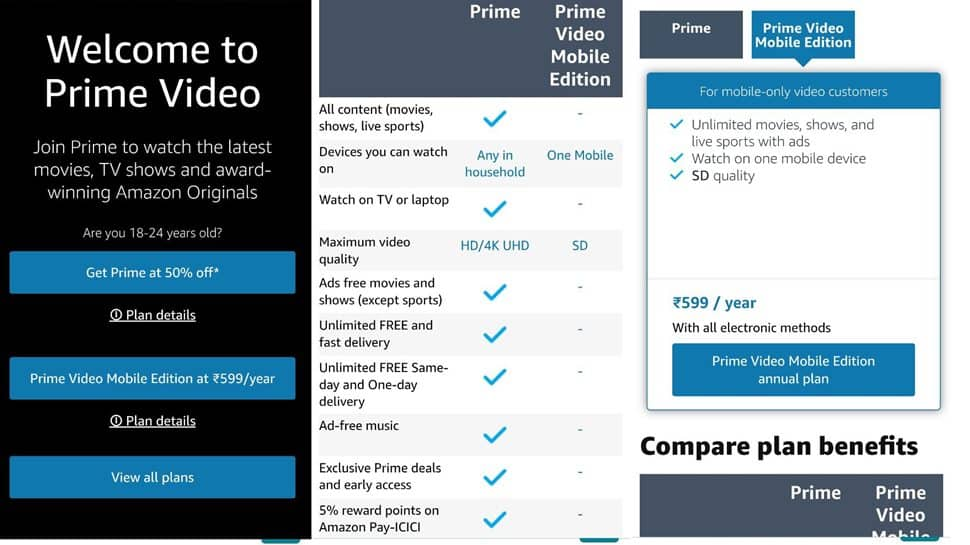
Amazon recognizes that not all consumers have the same discretionary income, and as such, it offers reduced-cost Prime memberships for specific eligible groups. Amazon Prime Student is a prime example, providing a substantial discount (often 50% off the standard annual rate) for verified college students. This program not only offers the core Prime benefits but often includes additional student-specific perks and promotions, making it an exceptionally strong financial value proposition for those pursuing higher education.
Similarly, Amazon offers discounted Prime memberships for recipients of certain government assistance programs, such as EBT and Medicaid. These programs significantly reduce the monthly cost, making Prime’s benefits more accessible to individuals and families with limited budgets. For these demographics, the savings on shipping, access to digital content, and other benefits can represent a real and measurable financial relief, stretching household budgets further. These initiatives highlight Amazon’s strategic approach to expanding its market reach while also addressing socio-economic disparities in access to its services.
Regional Price Variations and International Considerations
It’s crucial to acknowledge that the cost of Amazon Prime is not uniform across all geographies. While the basic service model remains consistent, the specific pricing in local currency varies significantly from country to country. These variations are influenced by a multitude of economic factors, including local market competition, purchasing power parity, local sales taxes, and the scope of services available in that particular region. For instance, Prime in the United States might offer a different set of digital content or shipping speeds compared to Prime in India or Germany, justifying different price points.
For international users, or those considering a move, it’s essential to research the local Prime offerings and their associated costs. Furthermore, currency exchange rates can impact the perceived value for individuals who earn income in one currency but pay for Prime in another. Understanding these regional nuances is vital for a comprehensive financial assessment, ensuring that cross-border comparisons are made on an apples-to-apples basis.
The Free Trial: A Financial Assessment Tool
Before committing any money, Amazon offers a free trial period, typically 30 days. This isn’t just a marketing gimmick; from a financial perspective, it’s a critical tool for consumers. It allows individuals to rigorously test the value proposition without any monetary outlay. During this trial, users can assess their actual usage patterns for expedited shipping, stream movies and music, explore Prime-exclusive deals, and even try out features like Amazon Fresh or Whole Foods discounts.
The free trial empowers consumers to answer the fundamental question: “Will I use these benefits enough to justify the cost?” It provides a risk-free environment to calculate potential shipping savings, identify relevant digital content, and determine if the convenience truly translates into tangible monetary or time savings for their specific lifestyle. For a financially savvy consumer, the free trial is an indispensable first step in a robust cost-benefit analysis.
Beyond the Sticker Price: Unpacking Prime’s Hidden Financial Value
The direct subscription fee is only one side of the financial equation. To truly understand the cost for Amazon Prime, one must also account for the monetary value derived from its extensive suite of benefits. These benefits, when leveraged effectively, can significantly offset, and even exceed, the annual membership fee.
Shipping Savings: The Most Obvious ROI
For most Prime members, the primary driver for subscription is the free, fast shipping. The ability to receive countless eligible items with two-day, one-day, or even same-day shipping without incurring individual shipping fees represents a substantial financial advantage. Consider a scenario where an individual typically makes several online purchases per month, each incurring a standard shipping fee of $5-$10. Over a year, these individual fees can easily accumulate to hundreds of dollars, far surpassing the annual Prime membership cost.
From a personal finance perspective, Prime shipping effectively converts a variable expense (individual shipping costs) into a fixed, predictable one (the Prime subscription). By consolidating shipping costs, members can often realize a net positive financial outcome, especially if they are frequent online shoppers. This benefit’s monetary impact is direct, tangible, and easily quantifiable, making it the most straightforward return on investment for many subscribers.
Exclusive Deals and Discounts: Maximizing Purchase Power
Amazon Prime membership unlocks access to a variety of exclusive deals and discounts that can lead to significant savings on purchases. Prime Day, Amazon’s annual sales event, is the most prominent example, offering deep discounts across a vast range of products. For consumers who plan their purchases strategically around such events, the savings achieved can easily cover the annual Prime membership fee multiple times over.
Beyond Prime Day, members often receive early access to Lightning Deals, exclusive coupons, and special pricing on select items throughout the year. For budget-conscious shoppers, proactively utilizing these member-only promotions can translate into substantial savings on everyday necessities, electronics, apparel, and more. This aspect of Prime moves beyond just cost avoidance (shipping) to direct cost reduction on product purchases, enhancing purchasing power and improving overall personal financial health.
Digital Content Library: Entertainment Value vs. Standalone Costs
Prime Video, Prime Music, Prime Reading, and Amazon Photos are bundled digital services that offer significant entertainment and utility value. From a financial standpoint, the critical question is how much these services would cost if purchased individually.
Consider the cost of standalone streaming services (e.g., Netflix, Hulu, Spotify Premium). An individual might spend $10-$20 per month on each of these. If Prime’s included content library sufficiently meets a household’s entertainment needs, it effectively eliminates the need for one or more separate subscriptions. Similarly, unlimited photo storage via Amazon Photos can save users from paying for cloud storage from other providers.
While the quality and breadth of Prime’s digital offerings may not always match dedicated services, the financial benefit lies in its bundled nature. For many, it provides “good enough” entertainment or storage solutions that avoid additional monthly outlays, contributing to overall household savings and demonstrating a powerful cost-effective aggregation of digital services.
Whole Foods Market Benefits: Grocery Savings
For Prime members who shop at Whole Foods Market, the financial benefits extend to their grocery bills. These benefits typically include an extra 10% off sale items (excluding alcohol) and exclusive weekly discounts on select products. For individuals or families who frequently shop at Whole Foods, these recurring savings can be considerable.
Calculating the exact monetary value requires tracking grocery spending, but even modest weekly savings can add up over the course of a year. If a member saves $5-$10 per week on groceries through Prime-exclusive deals, that translates to $260-$520 annually. This benefit directly impacts one of the largest categories of household spending – food – making it a very tangible financial advantage for the relevant demographic. It demonstrates how Prime’s value proposition reaches beyond online retail into brick-and-mortar expenses.
Prime Rewards Visa Signature Card: Cashback and Loyalty
For the financially astute, the Prime Rewards Visa Signature Card represents another layer of monetary benefit. This co-branded credit card typically offers significant cashback rewards on Amazon purchases (often 5% back for eligible Prime members), as well as rewards on purchases at Whole Foods Market, restaurants, gas stations, and drugstores.
For heavy Amazon shoppers, the 5% cashback can generate substantial returns. If a Prime member spends $2,000 annually on Amazon, that’s $100 back in rewards, nearly covering the cost of the Prime membership itself. Furthermore, the accumulated rewards can be redeemed for Amazon purchases, statement credits, or gift cards, effectively reducing overall spending. This turns the Prime membership into a vehicle for earning rewards, acting almost as a discount program for the purchases you’d be making anyway, thereby enhancing your personal financial leverage within the Amazon ecosystem.
Is Amazon Prime Worth the Investment? A Cost-Benefit Analysis
Determining the true value of Amazon Prime is not a one-size-fits-all equation. It requires a personalized cost-benefit analysis that aligns with individual spending habits, lifestyle, and financial priorities.
Calculating Your Personal Breakeven Point
The fundamental question is: “Do the monetary benefits I receive from Prime outweigh its annual cost?” To calculate your personal breakeven point, start by tallying your annual Prime subscription fee. Then, estimate your annual savings from each benefit category:
- Shipping Savings: (Average shipping cost per order) x (Number of Prime-eligible orders per year).
- Exclusive Deals: Actual savings from Prime Day, Lightning Deals, and other exclusive promotions.
- Digital Content: Estimated cost of equivalent standalone streaming/music/storage services that you no longer need.
- Whole Foods Discounts: Estimated annual savings from Prime-exclusive grocery deals.
- Credit Card Rewards: Cashback earned specifically from Prime-related purchases.
Sum up these estimated savings. If the total savings exceed your annual Prime fee, then financially, the membership is providing a positive return on investment. If not, it might be time to reconsider. This quantitative exercise transforms the subjective perception of “value” into a concrete financial calculation.
Avoiding Overspending: The Paradox of “Free” Shipping
One of the subtle financial traps of Amazon Prime is the psychological effect of “free” shipping. The removal of individual shipping costs can inadvertently encourage more frequent and potentially unnecessary purchases. Consumers might buy items they don’t truly need, simply because they “get free shipping,” leading to increased overall spending.
From a money management perspective, it’s crucial to differentiate between genuine savings and increased expenditure. The goal of Prime is to save money on necessary purchases, not to facilitate unnecessary ones. Financially savvy members remain disciplined, ensuring that their shopping habits are driven by genuine need and value, rather than the allure of free delivery. This behavioral aspect is a critical consideration in a holistic financial assessment of Prime.
Opportunity Cost: Where Else Could Your Money Go?
Every dollar spent on Amazon Prime represents a dollar that cannot be spent or invested elsewhere. This concept, known as opportunity cost, is central to sound financial decision-making. Could that $139 (annual fee) be better utilized in a high-yield savings account, applied towards debt reduction, or invested in a diversified portfolio?
While the direct benefits of Prime might outweigh its cost, it’s important to consider alternative uses for that capital. For some, reducing debt interest payments by $139 could be a more impactful financial move. For others, investing that amount might yield greater long-term returns. This perspective encourages a broader financial assessment, moving beyond the immediate Prime ecosystem to consider overall personal financial goals and strategies.
The Convenience Factor: Valuing Your Time (and Money)
Beyond purely monetary savings, Prime offers significant time savings and convenience. Expedited shipping means less time waiting, and a consolidated platform for shopping and entertainment saves time searching across multiple services. While difficult to quantify precisely, time is a valuable commodity, and its saving can indirectly contribute to financial well-being (e.g., less time shopping online means more time for a side hustle, or simply less stress).
For busy professionals, parents, or individuals with limited mobility, the convenience factor can hold immense value. The ability to quickly and reliably receive essential items, often without leaving home, can translate into reduced stress, increased productivity, and a higher quality of life. While not a direct monetary saving, this “soft” benefit is a critical component of Prime’s overall value proposition and should be factored into a comprehensive personal cost-benefit analysis.
Optimizing Your Prime Membership for Maximum Financial Benefit
Once you’ve decided Prime is a worthwhile investment, the next step is to ensure you’re extracting the maximum financial value from your membership. Smart usage can significantly enhance your return on investment.
Sharing Your Benefits: Family and Household Accounts
Amazon allows Prime members to share certain benefits with another adult in their household through Amazon Household. This feature is a powerful financial optimizer. By linking accounts, two adults can share Prime’s free shipping, Prime Video, Prime Reading, and other benefits, effectively cutting the per-person cost in half. This is particularly beneficial for couples or roommates who can pool their resources and avoid purchasing two separate memberships.
For families, up to four teenagers (ages 13-17) and up to four children (under 12) can also be added to a Prime Household, granting them access to digital content and the ability to shop with parental approval. This maximizes the utility and financial leverage of a single Prime subscription across multiple family members, making it a highly cost-effective solution for households.
Leveraging Prime Day and Other Sales Events
Strategic shopping around Amazon’s major sales events is paramount for maximizing financial returns. Prime Day, Black Friday, and Cyber Monday offer some of the year’s deepest discounts. By planning significant purchases (e.g., electronics, home goods, holiday gifts) to coincide with these events, members can capitalize on exclusive Prime-member deals.
This requires foresight and a disciplined approach to spending. Instead of buying items impulsively, a financially astute Prime member will maintain a wish list and wait for prices to drop during these key sales periods. The savings generated from these events can often single-handedly justify the annual Prime membership fee, turning the subscription into a powerful savings tool.
Auditing Your Usage: Is It Time to Re-evaluate?
Financial prudence dictates periodic audits of all recurring expenses, and Amazon Prime is no exception. Regularly review your usage patterns:
- How many Prime-eligible orders did you place in the last year?
- How often did you utilize Prime Video or Music?
- Did you make significant purchases during Prime Day?
- Are you actively using Whole Foods benefits or your Prime credit card?
If your usage has significantly decreased, or if you find yourself paying for benefits you no longer need (e.g., you’ve subscribed to other streaming services that fulfill your entertainment needs), it might be financially prudent to cancel or pause your Prime membership. A monthly subscription allows for easier on-and-off access, aligning your costs more closely with your actual consumption. This proactive financial management ensures you’re not paying for dormant benefits.
Alternative Solutions for Specific Needs (e.g., streaming, faster shipping)
Finally, consider if there are more cost-effective alternative solutions for your specific needs. If your primary use for Prime is streaming video, but you find its library lacking, perhaps a dedicated streaming service with content you prefer would offer greater value, even if it’s an additional cost. If you only occasionally need fast shipping, purchasing individual shipping upgrades for those few orders might be cheaper than an annual Prime subscription.
For example, many retailers now offer free shipping with a minimum purchase amount. If your purchases often meet these thresholds, the “free shipping” benefit of Prime might be less impactful. A holistic financial review involves comparing Prime’s bundled value against the aggregate cost and benefits of various standalone services or alternative purchasing strategies. This ensures that your financial resources are allocated to the solutions that best meet your unique needs and offer the greatest return on your investment.
The Future of Prime’s Cost: Anticipating Financial Changes
No subscription service’s pricing remains static indefinitely, and Amazon Prime is no exception. Understanding the factors that influence its future cost is essential for long-term financial planning.
Inflationary Pressures and Subscription Service Trends
Inflation is a pervasive economic force, and subscription services, like all consumer goods and services, are susceptible to its pressures. As operational costs (labor, fuel, technology, content licensing) increase, companies often pass these costs on to consumers through price hikes. Amazon has demonstrated a willingness to adjust Prime’s cost in response to market conditions and the expanding scope of its services.
Historically, the trend for many digital subscriptions has been a gradual increase in price over time. Consumers should anticipate potential future increases in Prime’s annual or monthly fees. Financial planning should factor in these potential adjustments, ensuring that the service continues to offer positive value even at a higher price point. Staying informed about economic forecasts and industry trends will enable proactive adjustments to personal budgets.
Evolving Value Propositions and Feature Additions
Amazon’s strategy for Prime has consistently involved expanding its suite of benefits. What started as primarily a fast-shipping service has grown to encompass an extensive digital content library, exclusive deals, grocery perks, and more. Each new feature or enhancement adds to the service’s overall value proposition, but also contributes to its operational cost.
Future price adjustments might be justified by the introduction of new, high-value benefits. For example, if Amazon were to integrate a significantly enhanced gaming service, a more robust cloud storage solution, or additional brick-and-mortar retail discounts, these could warrant a price increase. Consumers must weigh these evolving benefits against any potential cost hikes, constantly re-evaluating whether the expanded offering continues to align with their financial needs and usage patterns.
Making Informed Decisions in a Dynamic Market
The subscription economy is highly dynamic. New services emerge, existing ones evolve, and pricing structures shift. For the financially savvy consumer, staying informed about these changes is crucial. This means not only monitoring Amazon’s announcements regarding Prime but also being aware of competitive offerings and alternative solutions.
Ultimately, the decision of “what is the cost for Amazon Prime” extends beyond the simple dollar figure on your bill. It requires an ongoing, comprehensive financial assessment that considers direct costs, indirect savings, opportunity costs, and the evolving landscape of digital services. By applying diligent personal finance principles, consumers can ensure their Prime membership remains a financially sound and valuable investment in their daily lives.
aViewFromTheCave is a participant in the Amazon Services LLC Associates Program, an affiliate advertising program designed to provide a means for sites to earn advertising fees by advertising and linking to Amazon.com. Amazon, the Amazon logo, AmazonSupply, and the AmazonSupply logo are trademarks of Amazon.com, Inc. or its affiliates. As an Amazon Associate we earn affiliate commissions from qualifying purchases.