
For over a century, Harley-Davidson has stood as more than just a manufacturer of heavy-duty motorcycles; it has functioned as a cornerstone of American cultural identity. The “Bar and Shield” logo is one of the most tattooed trademarks in the world, representing a lifestyle defined by freedom, rebellion, and a distinct sense of rugged individualism. However, in recent years, the brand has found itself at a tumultuous crossroads. The controversy surrounding Harley-Davidson is not merely a matter of mechanical performance or sales figures; it is a profound brand identity crisis that pits a storied legacy against the shifting socio-political and economic realities of the 21st century.

From high-profile public relations battles regarding corporate diversity initiatives to the strategic struggle of pivoting toward an electric future, Harley-Davidson’s current friction points offer a masterclass in the risks of brand evolution. For a company that built its equity on the “Outlaw” archetype, every move toward modern corporate standards or new market segments risks alienating the very community that kept the brand alive through the decades.
The Cultural Collision: Heritage, DEI, and the Core Demographic
The most recent and perhaps most visible controversy involves a sharp backlash against Harley-Davidson’s corporate social responsibility (CSR) and Diversity, Equity, and Inclusion (DEI) policies. In a climate where corporate “wokeness” has become a flashpoint for consumer activism, Harley-Davidson found itself in the crosshairs of online critics and long-time loyalists who felt the brand had strayed too far from its core values.
The Conflict of Corporate Values and Customer Identity
The controversy ignited when activists began highlighting Harley-Davidson’s internal policies, ranging from its support for LGBTQ+ initiatives to its adherence to specific environmental and social governance (ESG) metrics. For many brands, these are standard modern operating procedures. However, Harley-Davidson is not a standard brand. Its core customer base is largely composed of older, traditionally-minded individuals who view the brand as a bastion of classic American conservatism and “old-school” grit.
When the brand’s corporate leadership appeared to align with progressive social movements, it created a perceived “identity gap.” This gap led to a significant social media firestorm, resulting in the company eventually scaling back many of its DEI initiatives in 2024. This retreat was a strategic attempt to quell a boycott, but it highlighted a deeper problem: Harley-Davidson is caught between two worlds. It must satisfy the modern requirements of global investors and a changing workforce while simultaneously honoring the sensibilities of a customer base that views those same requirements as an affront to the brand’s “rebel” heritage.
The Risk of the “Middle Ground” Strategy
In branding, the middle ground is often the most dangerous place to be. By initially adopting progressive policies and then retracting them under pressure, Harley-Davidson risked looking unprincipled to both sides. To the progressive demographic they hope to attract, the retreat looked like a lack of conviction; to the core demographic, the original adoption of the policies looked like a betrayal. This highlights a critical lesson in brand strategy: when your brand identity is as polarized and specific as Harley-Davidson’s, any shift in corporate culture must be handled with extreme sensitivity to the “mythology” of the brand.
The Strategic Pivot: Balancing Tradition with the Pursuit of New Markets
Beyond social politics, Harley-Davidson faces an existential threat rooted in demographics. The “core rider”—the individual who buys the high-margin, heavy-touring bikes—is aging out of the market. To survive, the company must attract younger riders, urban commuters, and women. However, the strategies required to reach these groups often conflict with the expectations of the traditionalists.
The LiveWire Gamble and the Electric Transition
One of the most controversial strategic moves in the company’s history was the launch of LiveWire, its dedicated electric motorcycle brand. On one hand, electric vehicles (EVs) represent the technological future and an opportunity to appeal to tech-savvy, environmentally conscious younger consumers. On the other hand, a Harley-Davidson is traditionally defined by its “rumble”—the visceral, loud, and mechanical soul of a V-twin internal combustion engine.
By spinning LiveWire off into its own brand, Harley-Davidson attempted to protect its primary identity while still exploring the EV space. Yet, the controversy remains: can a brand built on the sensory experience of fire and iron ever truly translate to the silent, digital world of electric motors? The skepticism from the core community has been palpable, with many viewing the move as a dilution of the brand’s DNA. The challenge for Harley-Davidson’s marketing and design teams is to find a way to make “electric” feel “tough,” a feat that is easier said than done when your brand history is written in gasoline.
Rebranding the Archetype: From Outlaw to Lifestyle
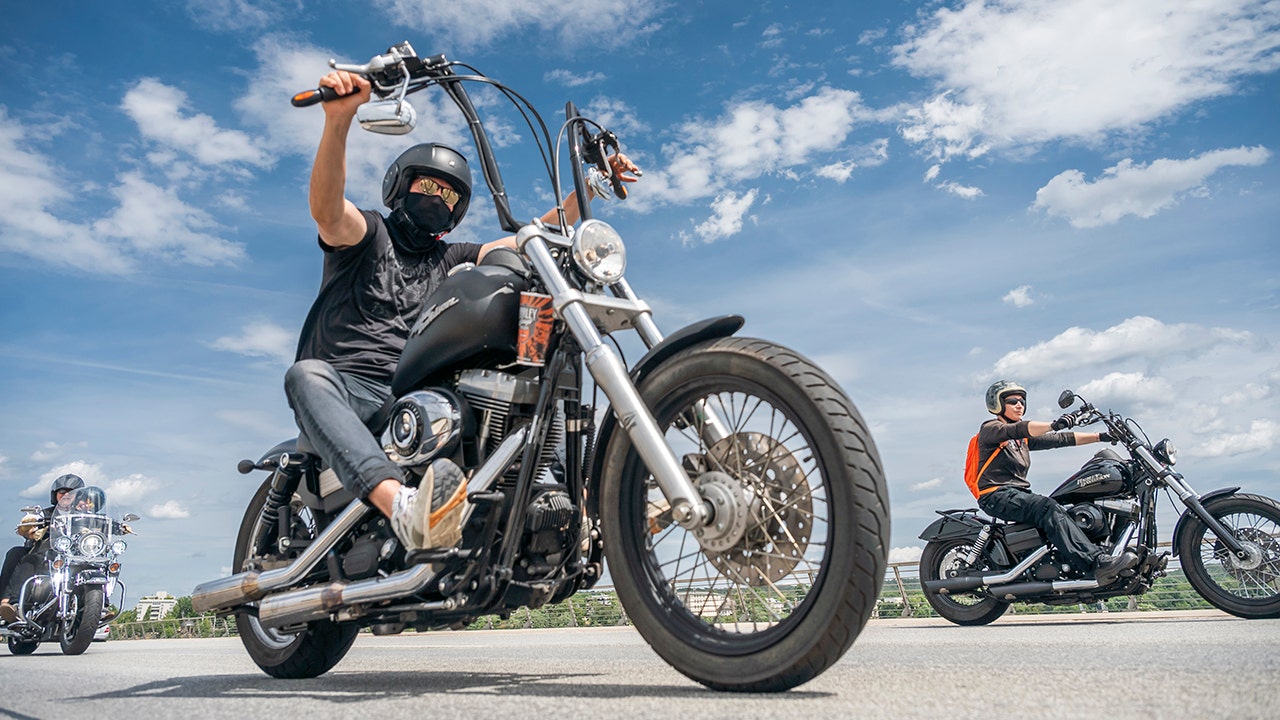
For decades, Harley-Davidson leveraged the “Outlaw” archetype. This was a brand for those who lived on the margins of society. As the brand grew and the bikes became more expensive—often costing as much as a luxury sedan—the demographic shifted from actual outlaws to “weekend warriors”—doctors, lawyers, and executives looking for a temporary escape.
The current controversy lies in the brand’s attempt to further sanitize and broaden this image. Modern marketing campaigns emphasize inclusivity, community, and outdoor lifestyle aesthetics that resemble those of brands like Patagonia or North Face more than the gritty imagery of the 1970s. This strategic pivot is necessary for growth, but it creates a brand dilution effect. If everyone is a Harley rider, then being a Harley rider no longer feels exclusive or rebellious. Managing this “prestige vs. accessibility” paradox is central to the company’s ongoing marketing struggles.
The Manufacturing Dilemma: Protecting the “Made in America” Brand Equity
Perhaps no brand is more closely associated with American manufacturing than Harley-Davidson. The “Made in the USA” label is not just a point of origin; it is a primary selling point and a source of immense pride for its customers. Consequently, any news regarding the outsourcing of production or the closing of American plants becomes an immediate PR crisis.
The Global Supply Chain vs. Brand Heritage
Harley-Davidson has faced recurring backlashes over its decisions to move certain manufacturing operations abroad, specifically to countries like Thailand. From a business and financial perspective, this move is logical; it allows the company to avoid high tariffs in international markets and reduces production costs. However, from a brand perspective, it is seen as a violation of a sacred trust.
When a customer pays a premium for a Harley-Davidson, they are not just paying for metal and rubber; they are paying for the American craftsmanship the brand has promised for over a century. The controversy arises when the brand’s “American-made” marketing clashes with its globalized operational reality. This creates a perception of hypocrisy that competitors—both domestic like Indian Motorcycle and international like Triumph—can exploit.
The Tariff Wars and Political Theatre
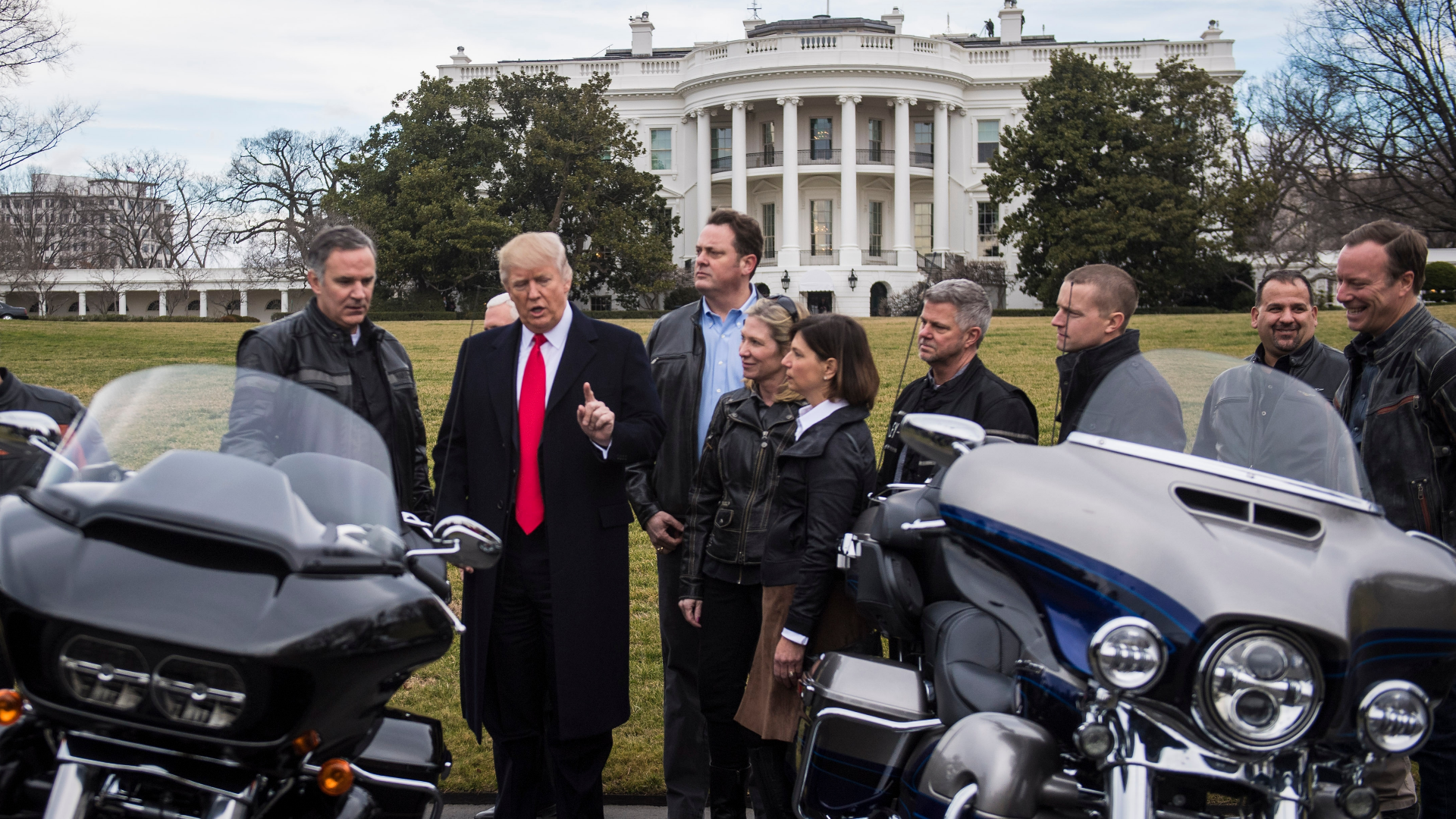
Harley-Davidson has also been a frequent protagonist in international trade disputes. When tariffs are levied against American goods, Harley-Davidson is often one of the first brands targeted because it is such a potent symbol of the United States. This forces the company to make difficult operational choices that often alienate its domestic base or political allies. The brand has been used as a political football by multiple administrations, placing it in a precarious position where its every corporate move is scrutinized through a nationalist lens. This level of political visibility is rare for a brand and adds a layer of complexity to its corporate identity that few other companies have to navigate.
The Path Forward: Rebuilding Brand Trust in a Polarized Era
The controversies surrounding Harley-Davidson serve as a cautionary tale for any legacy brand attempting to modernize. The path forward requires a delicate recalibration of the brand’s core promise. The company cannot survive solely on nostalgia for the past, but it cannot thrive if it abandons the values that made it an icon.
Authentic Inclusivity vs. Performative Gestures
To move past the recent DEI controversies, Harley-Davidson must transition from performative corporate statements to authentic community building. This means finding common ground between the old guard and the new generation. Instead of top-down social mandates that feel disconnected from the riding experience, the brand should focus on the universal human desire for freedom and adventure—themes that resonate across all demographics. By focusing on the experience of riding rather than the politics of the rider, the brand can begin to heal its fractured community.
Innovating Within the Legend
The key to resolving the tension between tradition and technology lies in “evolutionary design.” The brand must find ways to integrate modern technology—like rider-assist features and improved connectivity—without stripping away the mechanical soul of the motorcycle. The controversy over electric bikes can be mitigated if the brand focuses on performance and torque—the “thrill” of the ride—rather than just the “green” credentials of the vehicle.
Ultimately, Harley-Davidson’s brand power lies in its ability to evoke emotion. The current controversy is a symptom of a brand that has lost its clear emotional north star. To reclaim its position, Harley-Davidson must stop trying to be everything to everyone and return to what it does best: providing a premium, visceral, and unapologetically American escape from the mundane. The brand’s survival depends on its ability to prove that its “Bar and Shield” is not a relic of the past, but a relevant symbol of freedom for the future.
aViewFromTheCave is a participant in the Amazon Services LLC Associates Program, an affiliate advertising program designed to provide a means for sites to earn advertising fees by advertising and linking to Amazon.com. Amazon, the Amazon logo, AmazonSupply, and the AmazonSupply logo are trademarks of Amazon.com, Inc. or its affiliates. As an Amazon Associate we earn affiliate commissions from qualifying purchases.