
In the competitive landscape of modern community building, religious institutions often overlook the most critical component of their “customer” experience: the first physical touchpoint. When asking “what is an usher at church,” one must look beyond the traditional image of a volunteer handing out bulletins. In the context of brand strategy and corporate identity, an usher serves as the primary brand ambassador. They are the human face of the organization’s values, the architects of the attendee’s first impression, and the guardians of the institution’s operational flow.

For a church to successfully communicate its mission and retain its “audience,” it must treat the role of the usher with the same strategic rigor that a luxury hotel treats its concierge or a tech giant treats its user-experience (UX) designers. The usher is not merely a logistical aide; they are a vital pillar of the brand’s identity.
The Usher as a Brand Ambassador: Defining the Role in Modern Ministry
The concept of branding is often misunderstood as being limited to logos and color palettes. However, a brand is essentially the sum of all experiences a person has with an organization. In a church setting, the usher is the individual responsible for the “Moment of Truth”—that critical window of time where a visitor decides whether the institution’s reality matches its stated marketing promise.
First Impressions and the “Halo Effect”
In psychology and brand strategy, the “Halo Effect” refers to the cognitive bias where our overall impression of a person or organization influences how we feel and think about their character in other areas. When an usher greets a visitor with professionalism, warmth, and efficiency, that positive interaction casts a “halo” over the rest of the service.
If the usher is disorganized, cold, or poorly informed, the visitor is likely to perceive the sermon, the music, and the community as equally deficient, regardless of their actual quality. The usher, therefore, is the gatekeeper of the brand’s perceived value. They must embody the church’s “Brand Voice”—whether that voice is formal and traditional or contemporary and high-energy.
Embodying Corporate Identity Through Visual Standards
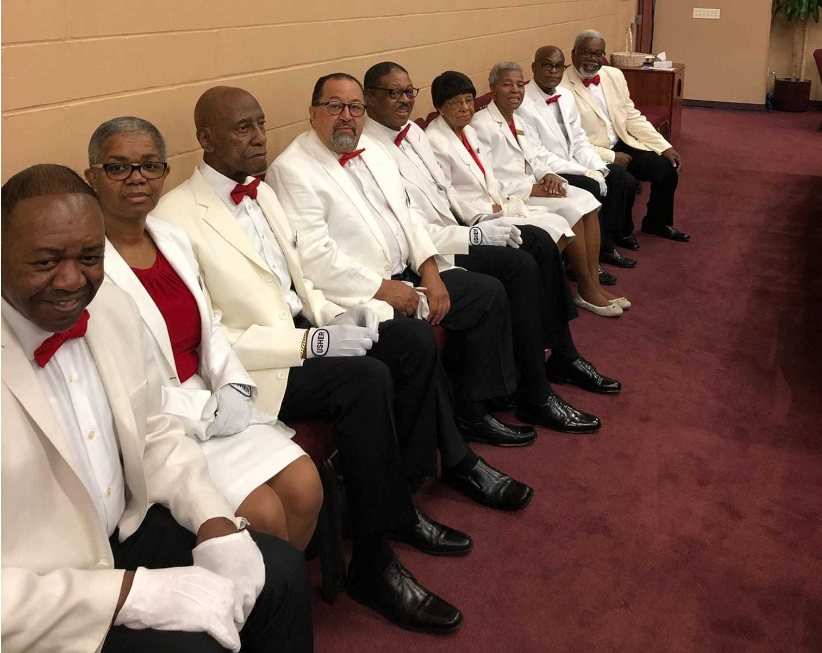
A church’s corporate identity is maintained through consistency. This is why many successful institutions implement specific dress codes or uniforms for their ushering teams. Whether it is a formal suit, a branded polo shirt, or a specific lapel pin, these visual cues signal authority and reliability.
Beyond clothing, an usher’s “body language branding” is paramount. A professional stance, an approachable facial expression, and proactive engagement are all non-verbal communications that tell the visitor, “This is a place of order, safety, and welcome.” This consistency across the ushering team ensures that the brand experience is the same at the 8:00 AM service as it is at the 11:00 AM service, which is a hallmark of strong brand management.
The User Experience (UX): Mapping the Congregant Journey
In the world of design and marketing, the User Experience (UX) is the process of creating products or services that provide meaningful and relevant experiences to users. For a church usher, “UX” involves managing the physical environment and the emotional journey of the congregant from the moment they cross the threshold.
Seamless Transitions and Frictionless Navigation
One of the primary functions of an usher is to remove “friction.” Friction in a brand experience refers to anything that causes confusion, frustration, or delay. For a new visitor, entering a church can be an intimidating experience. Where do I sit? Where is the restroom? How does the service work?
The usher acts as a live navigation system. By strategically positioning themselves at key entry points and transition zones, ushers guide the flow of traffic, manage seating density, and ensure that latecomers are seated with minimal disruption. This level of operational efficiency allows the “user” (the congregant) to focus entirely on the core product—the spiritual experience—without being distracted by logistical hurdles.
Sensory Management and Environmental Control
A brand’s physical environment significantly impacts how it is perceived. Ushers often take on the role of environmental managers. This includes monitoring the temperature of the sanctuary, adjusting lighting, and ensuring that the physical space remains clean and orderly during the transition between services.
If a sanctuary is too cold or if discarded programs are littering the pews, it reflects poorly on the institution’s attention to detail. By taking ownership of these sensory details, ushers ensure that the physical environment supports, rather than detracts from, the church’s corporate identity.
Crisis Management and Brand Protection
In any organization, the brand is most vulnerable during a crisis. Whether it is a medical emergency, a security threat, or a disruptive individual, how a church responds to a crisis can either solidify or destroy its reputation. In these moments, the usher shifts from a hospitality role to a risk management role.
The Usher as a Safety Officer
Modern brand strategy requires a robust “Brand Protection” plan. For a church, this includes the physical safety of its members. Ushers are typically trained in emergency protocols, including evacuation routes, basic first aid, and security observation.
Their ability to remain calm and professional under pressure is a direct reflection of the institution’s competence. A well-managed incident, where ushers handle a medical emergency with grace and efficiency, actually increases trust in the brand. It demonstrates that the organization cares about the individual and is prepared for any eventuality.
Conflict Resolution and Decorum
Maintaining the “Brand Experience” also means protecting it from internal disruptions. Ushers are tasked with managing decorum—ensuring that the service proceeds without unnecessary interruptions. This requires a high level of emotional intelligence and soft skills.
When an usher must address a crying child or a disruptive guest, they must do so in a way that aligns with the church’s values. A heavy-handed approach can appear uncaring, while a passive approach can allow the experience to be ruined for others. Mastering this balance is essential for maintaining the integrity of the brand’s atmosphere.
Financial Stewardship and Accountability
One of the most traditional roles of a church usher is the collection of tithes and offerings. From a business finance and brand perspective, this is a moment of extreme sensitivity. It involves the direct handling of the organization’s “revenue” and requires the highest levels of transparency and trust.
Building Trust Through Process
Trust is the currency of any brand, especially a non-profit or religious one. The way ushers handle money is a visual representation of the church’s financial integrity. Most sophisticated organizations implement “Dual Control” systems, where at least two ushers must be present during the collection and transport of funds to a secure location.
This process isn’t just about preventing theft; it is about protecting the brand from even the appearance of impropriety. When congregants see a structured, professional, and transparent process for handling money, their confidence in the institution’s financial stewardship increases, which often leads to higher levels of giving.
Data Collection and Growth Strategy
In modern branding, data is king. Ushers are often the primary source of “headcounts” and attendance data. This information is vital for the church’s growth strategy. By tracking attendance trends, seating patterns, and visitor demographics, ushers provide the leadership team with the raw data needed to make informed decisions about resource allocation, service times, and facility expansion.
An usher who meticulously records attendance is not just performing a chore; they are providing “Market Research” that informs the future direction of the organization.
Training and Scaling the Brand Identity
A brand is only as strong as its weakest link. For a church with multiple services, locations, or rotating teams, maintaining a consistent brand experience is a significant challenge. This is where the importance of usher training and “SOPs” (Standard Operating Procedures) becomes clear.
Developing a Hospitality Playbook
Just as a corporation has a brand style guide, a church should have a hospitality playbook for its ushers. This document should outline everything from the approved greeting (“Good morning, welcome to…”) to the specific way to pass a collection plate or handle a seating conflict.
Training should not be a one-time event but an ongoing process. Regular workshops on communication skills, situational awareness, and the church’s evolving mission ensure that the ushering team remains aligned with the brand’s strategic goals.
The Usher as a Recruiter and Retention Specialist
In the world of marketing, it is much cheaper to retain an existing customer than to acquire a new one. Ushers play a critical role in “Retention Marketing.” By recognizing regular attendees by name and noticing when someone has been absent, ushers foster a sense of belonging that is the foundation of community loyalty.
They are also the first step in the “Onboarding” process for new members. By identifying first-time visitors and connecting them with the next steps—such as a welcome center or a newcomer’s class—ushers facilitate the transition from “casual observer” to “brand advocate.”

Conclusion: The Strategic Value of the Usher
When we redefine “what is an usher at church” through the lens of brand strategy and corporate identity, we see a role that is indispensable to the health and growth of the institution. The usher is the frontline of hospitality, the guardian of the user experience, the protector of the brand’s reputation, and the steward of its financial integrity.
By professionalizing the ushering role and integrating it into the church’s broader brand strategy, organizations can create a welcoming, safe, and efficient environment that resonates with their mission. In an era where people have endless choices for how to spend their time, the quality of the “human touch” provided by an usher can be the ultimate competitive advantage that turns a one-time visitor into a lifelong member of the community.
aViewFromTheCave is a participant in the Amazon Services LLC Associates Program, an affiliate advertising program designed to provide a means for sites to earn advertising fees by advertising and linking to Amazon.com. Amazon, the Amazon logo, AmazonSupply, and the AmazonSupply logo are trademarks of Amazon.com, Inc. or its affiliates. As an Amazon Associate we earn affiliate commissions from qualifying purchases.