
In the landscape of modern business, a company overview is far more than a mere summary of a firm’s operations. It is the cornerstone of corporate identity, a strategic narrative that communicates the essence, purpose, and direction of a brand to its internal and external stakeholders. Often found on the “About Us” page of a website, within investor pitch decks, or at the forefront of annual reports, the company overview serves as the brand’s definitive introduction. It encapsulates who a company is, what it does, why it exists, and how it intends to shape the future.
For branding professionals and corporate strategists, the company overview is a critical tool for differentiation. In a saturated market where products and services can be easily replicated, the brand narrative is what creates lasting value. It is the architectural blueprint of the brand’s reputation, designed to foster trust, align team members with a shared mission, and convert passive observers into loyal advocates.
The DNA of Corporate Identity: Understanding the Strategic Narrative
At its core, a company overview functions as the brand’s constitution. It is not merely a chronological history or a list of services, but a high-level strategic document that defines the brand’s soul. When executed correctly, it provides a sense of continuity and stability, regardless of market fluctuations or internal changes.
Beyond the Elevator Pitch
While an elevator pitch is designed for brevity and immediate impact, the company overview offers depth and context. It explains the “Why” behind the “What.” While a company might sell software or consumer goods, its overview explains the philosophy driving that production. This strategic narrative provides the justification for the brand’s existence. For example, a brand doesn’t just provide cloud storage; it “empowers global collaboration through seamless connectivity.” This shift in perspective transforms a utilitarian service into a brand mission.
The Intersection of History and Vision
A compelling company overview bridges the gap between where a company started and where it is going. It honors the heritage of the organization—its founding principles and the problems it was created to solve—while simultaneously projecting a bold vision for the future. This dual focus builds credibility; it shows that the brand has a solid foundation of experience but remains forward-thinking and adaptable. This balance is essential for maintaining brand relevance in a rapidly evolving global economy.
The Essential Components of a Brand-Centric Overview
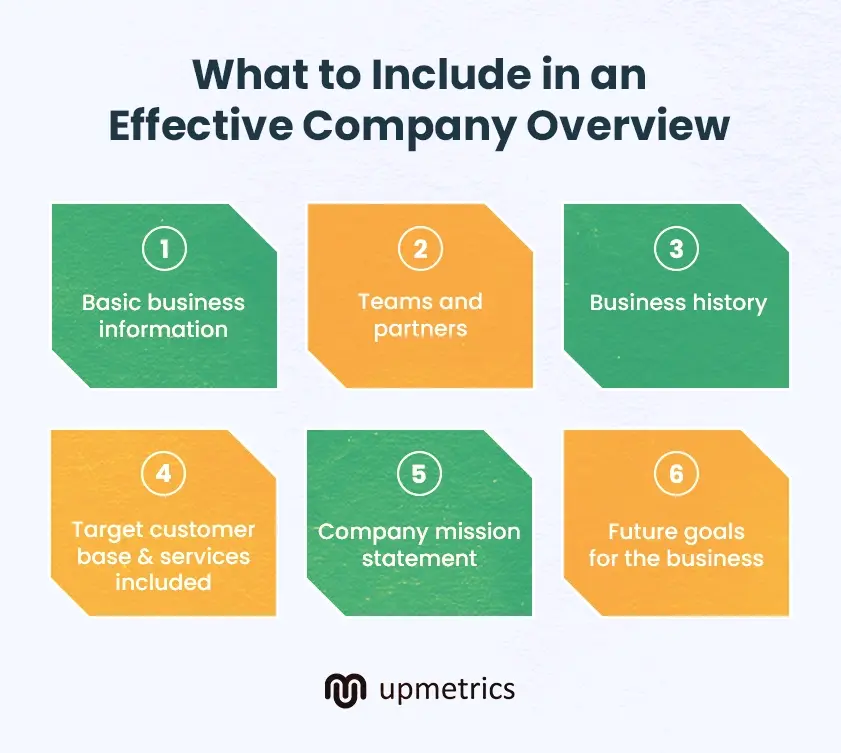
To be effective, a company overview must go beyond generic corporate jargon. It requires a structured approach that addresses the fundamental pillars of brand strategy. A well-rounded overview typically integrates four key elements: the mission, the vision, the core values, and the unique value proposition.
The Mission Statement: The Current Purpose
The mission statement is the operational heartbeat of the brand. It defines the organization’s primary objectives and its approach to reaching those goals. In the context of a company overview, the mission statement answers the question: “What do we do every day to serve our stakeholders?” A strong mission is grounded in the present, providing a clear sense of purpose that guides daily decision-making and operational priorities.
The Vision Statement: The Aspiration
If the mission is the “how,” the vision is the “where.” The vision statement within a company overview describes the ultimate long-term goal of the brand. It is aspirational and inspirational, painting a picture of what the world will look like because the company exists. For branding purposes, the vision statement is crucial for attracting top-tier talent and long-term investors who want to be part of a larger movement or a transformative future.
Core Values: The Ethical Framework
Core values are the guiding principles that dictate behavior and action within the organization. In a company overview, these values serve as a promise to customers and employees alike. They define the brand’s culture and its ethical boundaries. Whether it is a commitment to sustainability, innovation, or radical transparency, these values help humanize the corporation, making the brand more relatable and trustworthy to an audience that increasingly prioritizes corporate social responsibility.
The Value Proposition: The Competitive Edge
The value proposition is a clear statement that explains why a customer should choose this brand over any other. Within the company overview, this section highlights the unique benefits and the specific problems the company solves. It focuses on results and outcomes, distilling complex business models into a singular, powerful promise of value. This is where the brand distinguishes itself from the competition by highlighting its unique expertise, proprietary technology, or superior customer service.
Leveraging the Company Overview for Brand Positioning
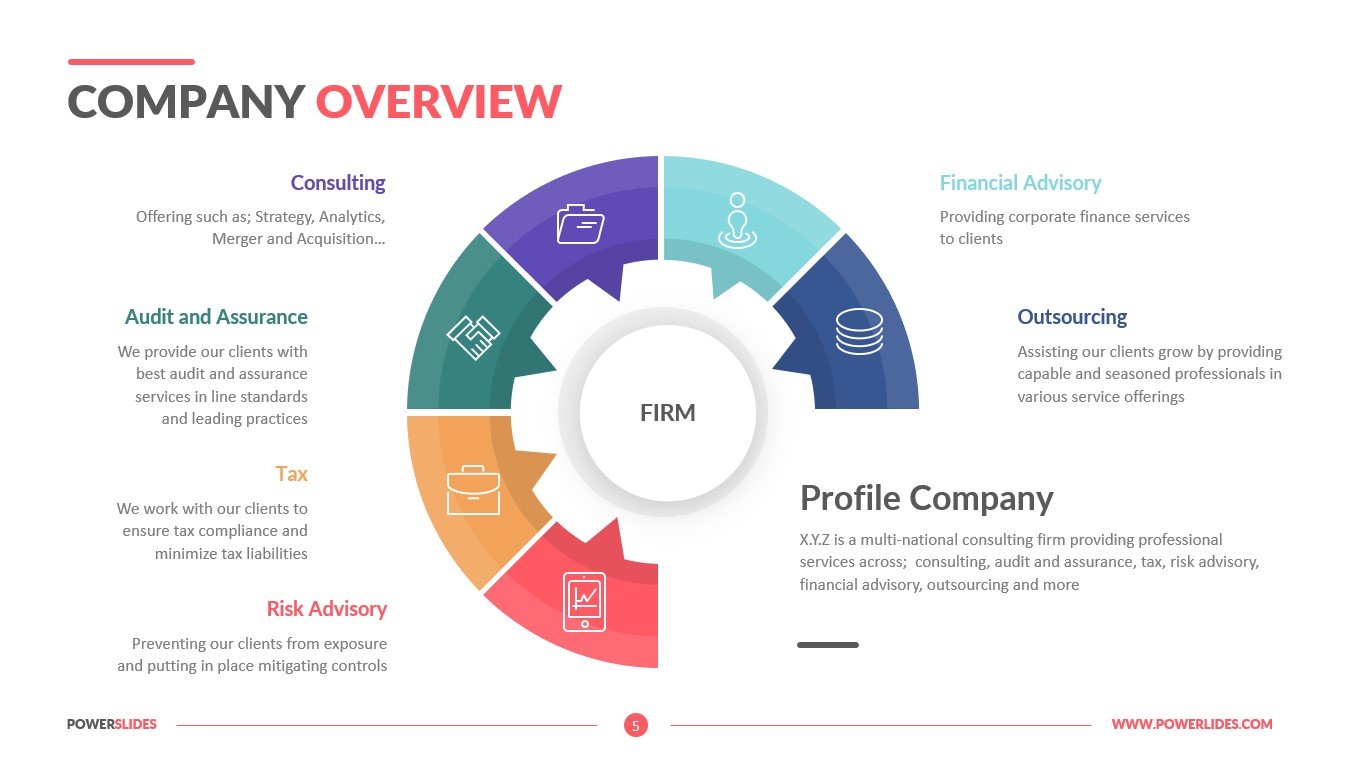
A company overview is not a static document to be filed away; it is a dynamic asset used to position the brand in the minds of the target audience. Effective positioning involves occupying a distinct space in the marketplace, and the company overview is the primary vehicle for claiming that space.
Establishing Credibility in a Crowded Market
For emerging brands, the company overview is a tool for legitimacy. By clearly articulating a professional identity, a stable history, and a clear path forward, a new company can compete with established industry giants. It provides the “social proof” and professional rigor required to win over skeptical stakeholders. For established brands, the overview serves to reinforce market leadership and remind the audience of the brand’s enduring values and consistent performance.
Building Emotional Connection Through Storytelling
Modern branding is less about transactions and more about relationships. A company overview that utilizes storytelling can create a deep emotional resonance with its audience. By sharing the challenges the founders faced, the milestones the team has celebrated, and the lives that have been touched by the brand’s work, the overview moves beyond corporate data into the realm of human experience. This narrative approach fosters brand loyalty that transcends price points and product features.
Internal Branding: Cultivating Corporate Culture
The company overview is as much for the internal team as it is for the external public. It acts as a North Star for employees, ensuring that everyone from the C-suite to the entry-level staff is aligned with the brand’s identity. When employees understand and believe in the company overview, they become brand ambassadors. This alignment improves morale, increases productivity, and ensures that the brand promise is delivered consistently at every customer touchpoint.
Best Practices for Designing Your Corporate Narrative
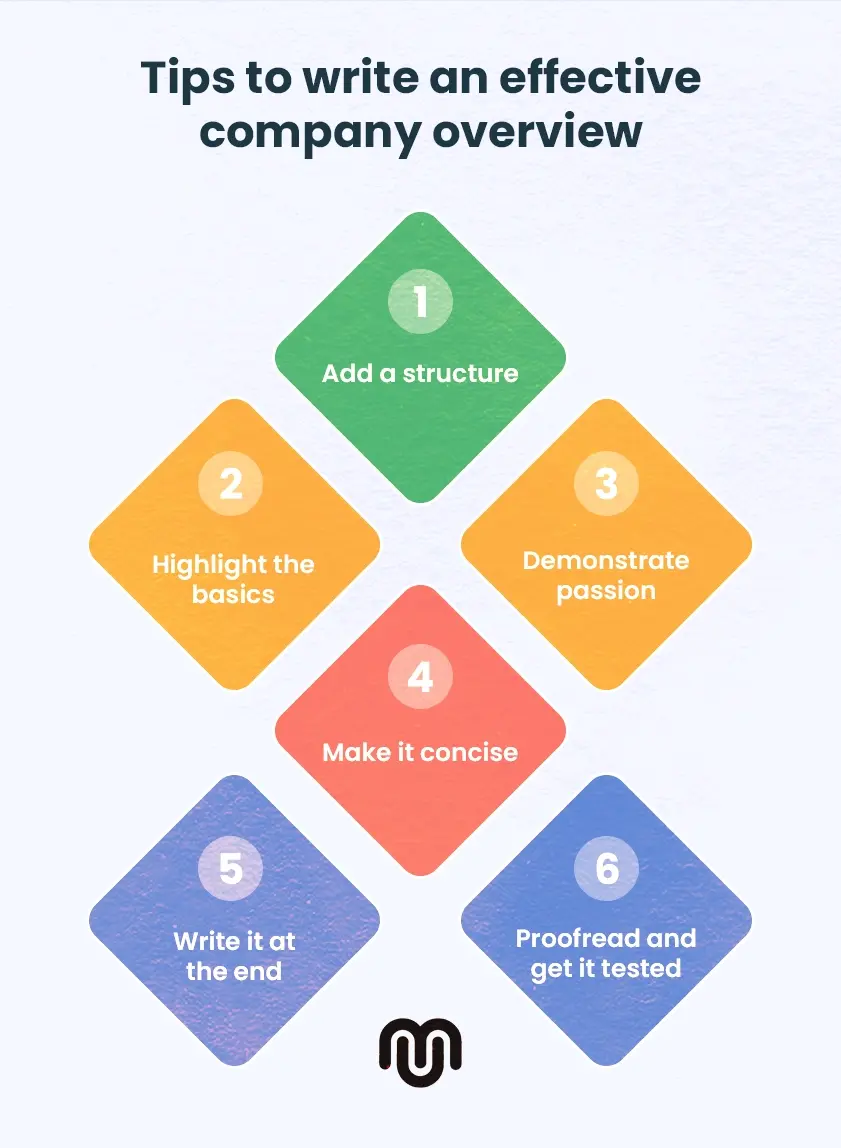
Crafting a company overview requires a meticulous balance of strategy, psychology, and creative writing. It must be professional yet engaging, comprehensive yet concise. To achieve this balance, several best practices should be followed.
Clarity and Brevity
In an age of information overload, clarity is the ultimate sophistication. A company overview should avoid unnecessary buzzwords and “corporate-speak” that obscures the true meaning of the brand. The language should be accessible and direct. While the document needs to be thorough, it should also be brief enough to hold the reader’s attention. Every sentence must serve a purpose—either to inform, to inspire, or to differentiate.
Consistency Across Touchpoints
The company overview should serve as the “source of truth” for all other brand communications. Whether a salesperson is giving a presentation or a social media manager is writing a bio, the core themes of the company overview should remain consistent. This uniformity builds a cohesive brand image, making the organization more recognizable and dependable in the eyes of the consumer.
Visualizing the Identity
While the text of a company overview is vital, the visual presentation is equally important. The design, typography, and imagery used in the overview should reflect the brand’s personality. A tech startup might use a minimalist, modern aesthetic to signal innovation, while a heritage luxury brand might use classic fonts and rich imagery to signal tradition and quality. The visual delivery of the overview reinforces the written message, creating a holistic brand experience.
The Evolution of the Overview in the Digital Era
As the business landscape shifts, so too does the nature of the company overview. In the digital era, the overview has become more interactive and transparent. It is no longer a one-way communication but a starting point for a broader conversation between the brand and its community.
Adaptability and Growth
A company overview should be a living document. As a company scales, enters new markets, or pivots its business model, the overview must be updated to reflect these changes. A brand that outgrows its overview but fails to update it risks appearing stagnant or out of touch. Periodic reviews of the corporate narrative ensure that the brand identity remains aligned with its current reality and future ambitions.
Measuring the Impact of Narrative on Brand Equity
Ultimately, the success of a company overview can be measured by its impact on brand equity—the commercial value derived from consumer perception of the brand name. A strong, well-communicated overview contributes to higher brand awareness, perceived quality, and brand loyalty. It facilitates smoother negotiations, attracts better partnerships, and allows for premium pricing. By investing the time and strategic thought into a comprehensive company overview, an organization isn’t just writing a summary; it is building the foundation for long-term market dominance and cultural impact.
In conclusion, the company overview is the definitive expression of a brand’s strategic intent. It is the synthesis of history, mission, and vision, distilled into a narrative that commands attention and inspires confidence. For any organization looking to build a powerful and enduring brand, the company overview is the most important story they will ever tell.
aViewFromTheCave is a participant in the Amazon Services LLC Associates Program, an affiliate advertising program designed to provide a means for sites to earn advertising fees by advertising and linking to Amazon.com. Amazon, the Amazon logo, AmazonSupply, and the AmazonSupply logo are trademarks of Amazon.com, Inc. or its affiliates. As an Amazon Associate we earn affiliate commissions from qualifying purchases.