
For decades, a persistent myth has circulated in classrooms and online forums: that deoxygenated blood flowing through our veins is blue, only turning red once it makes contact with the oxygen in the air. While the visual evidence of blue veins beneath the skin seems to support this, the reality is a matter of physics, light absorption, and biological chemistry. In the modern era, the answer to the question “what is the colour of deoxygenated blood” is no longer just a trivia point for biology students; it is the fundamental principle behind a multi-billion dollar industry of wearable technology, biosensors, and digital health monitoring.

To understand the color of blood is to understand how modern technology interacts with the human body. Whether you are glancing at the SpO2 reading on your smartwatch or a patient is monitored by a pulse oximeter in a hospital wing, the technology is relying on the specific way deoxygenated hemoglobin interacts with light.
The Biological Foundation: Hemoglobin and the Spectrum of Red
At the heart of this discussion is hemoglobin, a complex protein found in red blood cells that is responsible for transporting oxygen from the lungs to the rest of the body. Hemoglobin contains iron, and it is the interaction between this iron and oxygen that dictates the color of our blood.
The Myth of Blue Blood
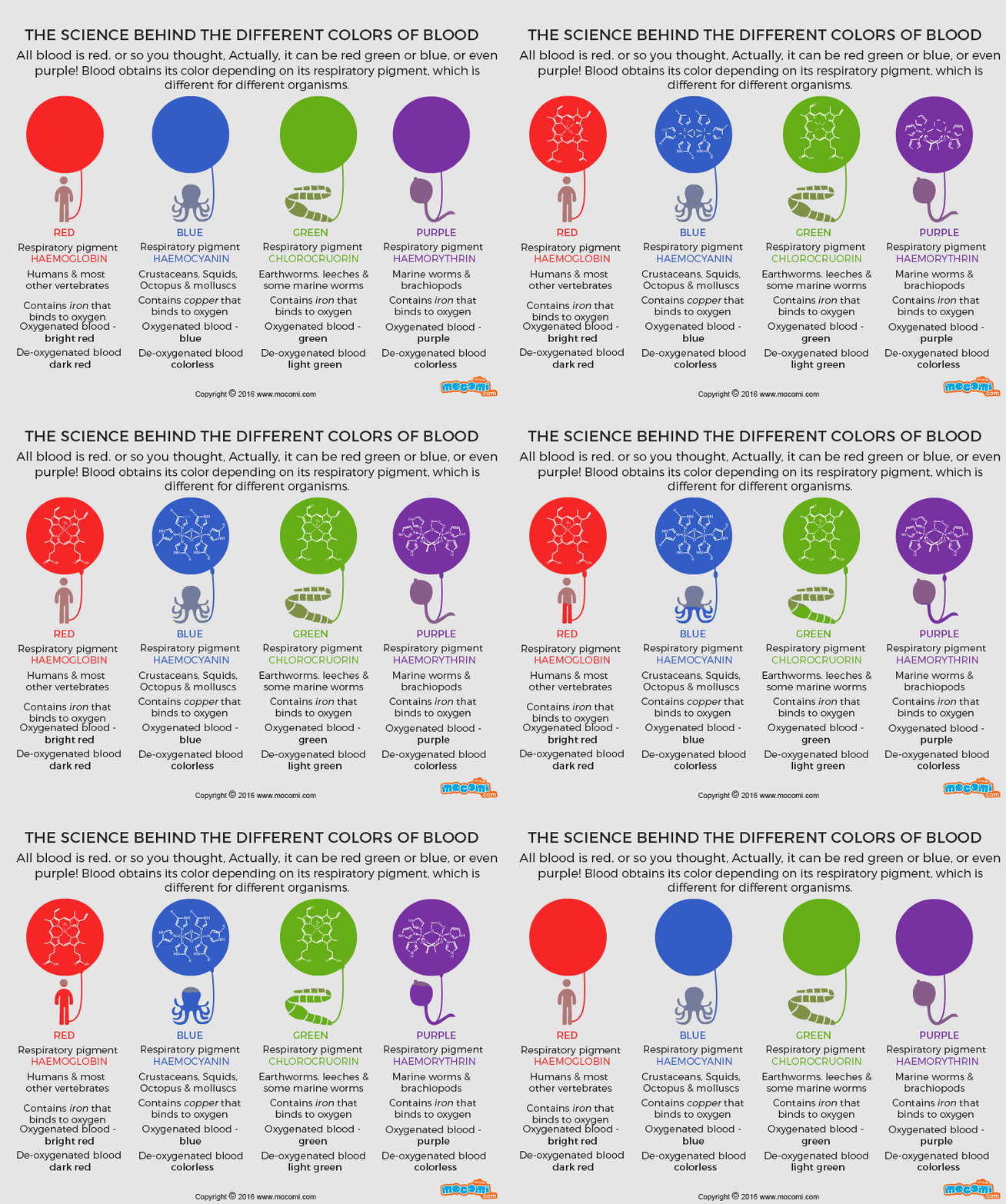
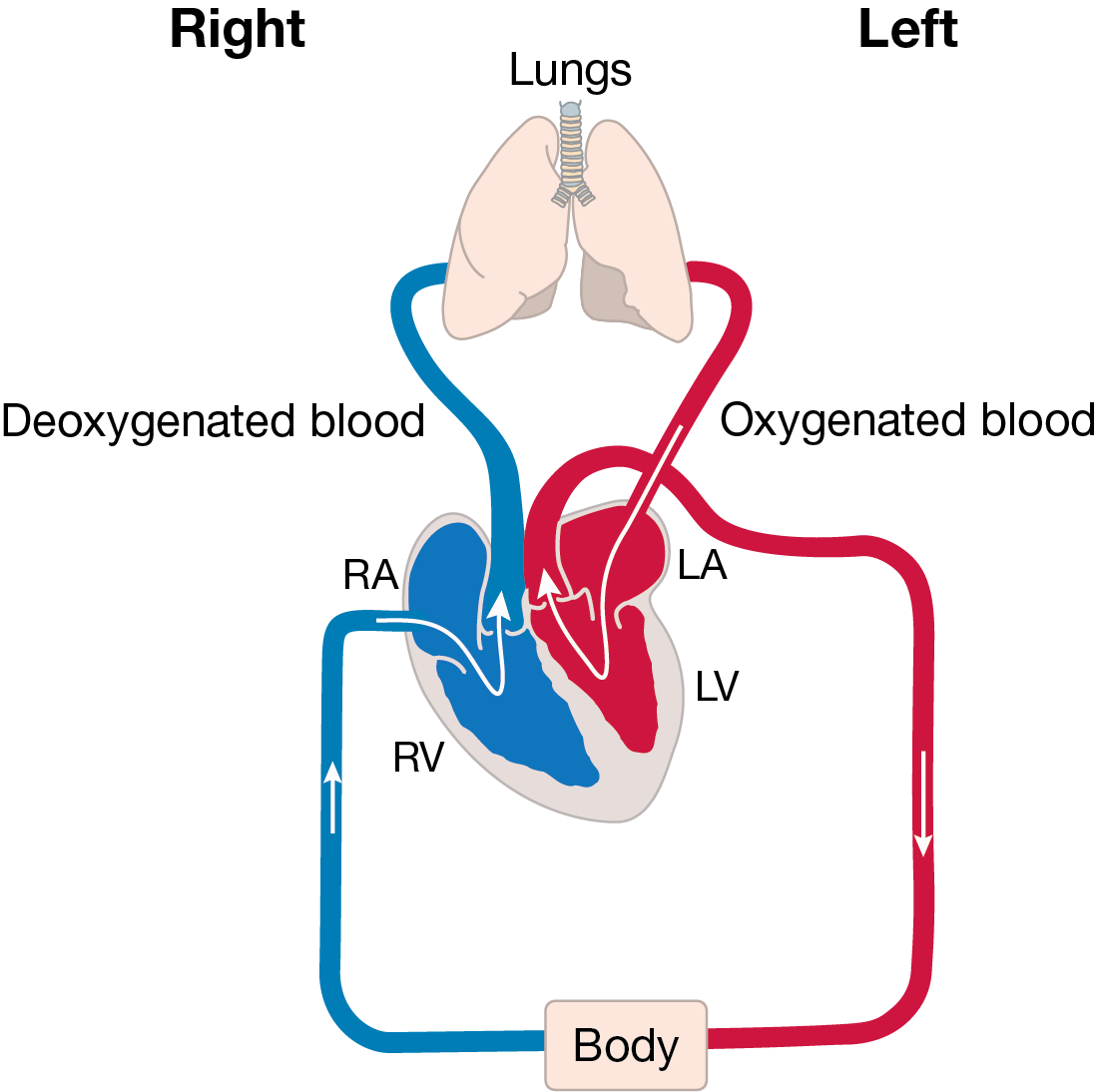
The idea that blood is blue inside the body is entirely incorrect. Blood is always red. However, the shade of red changes significantly based on its oxygen saturation level. When hemoglobin is saturated with oxygen (arterial blood), it becomes a bright, vivid crimson. When it releases that oxygen to the tissues and becomes deoxygenated (venous blood), it shifts to a deep, dark, dusky maroon or burgundy.
The reason our veins look blue is not due to the color of the fluid inside them, but rather an optical illusion caused by the way different wavelengths of light penetrate the skin. Blue light has a shorter wavelength and is scattered or reflected by the skin’s surface before it reaches the vein. Red light, with its longer wavelength, penetrates deeper but is absorbed by the dark, deoxygenated blood within the vein. Our eyes perceive the reflected blue light, leading to the misconception.
Light Absorption and Reflectivity
The distinction between bright red and dark maroon is critical for the technology industry. Deoxygenated hemoglobin and oxygenated hemoglobin have distinct “optical signatures.” They absorb and reflect light at different wavelengths. Specifically, deoxygenated blood is more “transparent” to infrared light but absorbs more visible red light. Oxygenated blood does the opposite. By measuring these specific ratios of light absorption, software developers and hardware engineers can translate a biological state into digital data.
Photoplethysmography (PPG): How Your Tech “Sees” Your Blood
The primary technology used in consumer gadgets to determine blood oxygen levels is Photoplethysmography (PPG). This technology is the backbone of the heart rate sensors and pulse oximeters found in devices ranging from the Apple Watch and Garmin fenix to specialized medical grade equipment.
The Role of Red and Infrared LEDs
If you flip over a modern smartwatch, you will likely see a cluster of green, red, and infrared LEDs. The green LEDs are typically used for heart rate tracking because green light is highly absorbed by red blood cells, allowing the sensor to detect the “pulse” or volume change in blood vessels with every heartbeat.
However, to answer the question of blood color and oxygenation, the device switches to red and infrared LEDs. The sensor emits these two wavelengths of light into the tissue and measures how much of each is reflected back to a photodiode. Because deoxygenated blood is a darker red and absorbs more red light (660nm) while oxygenated blood absorbs more infrared light (940nm), the ratio between the two allows the device’s processor to calculate the Peripheral Oxygen Saturation (SpO2).
Decoding the Algorithm: From Light to SpO2
The hardware is only half the battle. The “magic” of modern health tech lies in the digital signal processing (DSP) and the proprietary algorithms that interpret the raw light data. Raw PPG data is incredibly “noisy.” It is affected by the wearer’s movement, the tightness of the watch band, ambient light, and even the temperature of the skin.
Tech companies invest millions in refining the software that filters out this noise. For example, when a smartwatch detects a high absorption of red light relative to infrared, the algorithm recognizes the presence of darker, deoxygenated blood. It then compares this against a calibration curve—derived from clinical studies—to provide a percentage. A reading of 95% to 100% is considered healthy, while lower numbers indicate a higher concentration of the dark, deoxygenated blood.
The Evolution of Medical-Grade Sensors in Consumer Electronics
What began as a simple clinical tool has evolved into a cornerstone of the “Quantified Self” movement. The transition of blood-color-sensing technology from the hospital to the wrist represents one of the most significant shifts in consumer electronics over the last decade.
Apple, Samsung, and the Pulse Oximetry Revolution
The integration of SpO2 sensors into mainstream gadgets has faced both technical and legal hurdles. Companies like Masimo, a leader in medical pulse oximetry, have engaged in high-stakes patent litigation with tech giants like Apple over the specific methods used to measure the color of deoxygenated blood through the skin. This highlights just how valuable the “color of blood” has become in the tech economy.
Today, the capability is ubiquitous. Samsung’s Galaxy Watch series and Google’s Pixel Watch utilize sophisticated sensor arrays that monitor blood oxygen during sleep, helping to identify potential signs of sleep apnea. By tracking the shift toward the darker, deoxygenated state over time, these devices provide users with insights that were previously only available through expensive sleep lab studies.
Challenges in Accuracy: Skin Tone and Movement
Despite the sophistication of these gadgets, the tech niche is currently grappling with “the bias of light.” Because PPG sensors rely on light reflection, skin tone (melanin) can interfere with the readings. Melanin absorbs light across the spectrum, which can lead to less accurate readings for individuals with darker skin.
Tech companies are currently racing to refine their AI models to account for these variables. This involves using machine learning to adjust the intensity of the LEDs and the sensitivity of the photodiodes in real-time, ensuring that the “darkness” of the blood is correctly identified regardless of the “darkness” of the skin. This is a critical frontier in digital health equity and software engineering.
Future Frontiers: Non-Invasive Continuous Monitoring
The tech industry is not stopping at blood oxygen. The core principle of using light to identify the chemical composition of blood—based on its color and light absorption—is being expanded into new territories that could revolutionize personal finance and healthcare costs.
AI-Driven Health Insights
The next generation of biosensors aims to go beyond oxygen. By analyzing the subtle shifts in the light absorption of blood, researchers are developing sensors capable of detecting lactate thresholds for athletes or even hydration levels. The “color” of the blood changes subtly as it becomes more concentrated due to dehydration, and software is being trained to recognize these patterns.
Furthermore, digital security is becoming a major component of this tech. As our devices collect more “biometric signatures” based on our blood flow and oxygenation patterns, this data is being used for unique identification. Some security startups are looking into using PPG “heart-prints” as a form of two-factor authentication, arguing that the way your blood moves and its specific light-absorption properties are as unique as a fingerprint.
Beyond Blood Oxygen: The Holy Grail of Glucose
The ultimate goal for many tech giants is non-invasive glucose monitoring. Just as deoxygenated blood has a specific color-profile under infrared light, glucose molecules also have a unique spectral signature. Currently, companies are experimenting with “Raman spectroscopy” and ultra-sensitive infrared sensors to detect these changes without the need for needles.
If successful, the simple science of why blood changes color will be the foundation for a device that manages the health of over 400 million diabetics globally. This would represent a monumental leap in software-hardware integration, moving the smartwatch from a “nice-to-have” gadget to an essential medical tool.
The answer to “what is the colour of deoxygenated blood” is a deep, dark red—a color that serves as a silent signal for the state of our internal health. In the hands of engineers and data scientists, this biological fact has been transformed into a digital data point, powering a new era of proactive, technology-driven wellness. As sensors become more refined and AI becomes more perceptive, our ability to “read” the color of our blood will only continue to deepen, blurring the lines between consumer electronics and professional medicine.
aViewFromTheCave is a participant in the Amazon Services LLC Associates Program, an affiliate advertising program designed to provide a means for sites to earn advertising fees by advertising and linking to Amazon.com. Amazon, the Amazon logo, AmazonSupply, and the AmazonSupply logo are trademarks of Amazon.com, Inc. or its affiliates. As an Amazon Associate we earn affiliate commissions from qualifying purchases.