
In the landscape of personal and business finance, the routing number serves as the foundational architecture for moving money. Whether you are setting up your first direct deposit for a new career, managing the cash flow of a burgeoning side hustle, or automating your monthly investment contributions, understanding the specifics of the Citizens Bank routing number is essential. This nine-digit code, often overlooked until a transaction requires it, is the primary identifier that ensures your funds reach their intended destination within the complex web of the American banking system.

Understanding the Significance of Routing Numbers in Personal Finance
A routing number, formally known as an ABA Routing Transit Number (RTN), is a sequence of nine digits used by financial institutions to identify one another during transactions. Developed by the American Bankers Association in 1910, this system was originally designed to facilitate the sorting and shipping of paper checks. In the modern era, while paper checks have largely been replaced by digital signals, the routing number remains the standard protocol for the Automated Clearing House (ACH) network and wire transfers.
For customers of Citizens Bank, the routing number is more than just a sequence of digits; it is a critical tool for financial organization. When you provide your routing number to an employer or a utility company, you are essentially providing a digital map to your financial home. Without this precise identifier, the electronic movement of money would be prone to significant delays and errors, potentially disrupting your financial stability.
The Role of the ABA Routing Transit Number (RTN)
The first four digits of a routing number are assigned by the Federal Reserve and represent the physical location of the bank or the processing center. The next four digits identify the specific bank itself, and the final digit is a “check digit” used for verification purposes. For a large institution like Citizens Bank, which operates across multiple states in the Northeast and Mid-Atlantic, these numbers help the Federal Reserve and other banks pinpoint exactly where an account is domiciled.
How Routing Numbers Facilitate Domestic Transfers
In the context of personal finance management, routing numbers are the gatekeepers of liquidity. When you initiate a transfer from an external brokerage account into your Citizens Bank savings account, the routing number tells the sending institution exactly which “pipe” to send the money through. This efficiency is what allows for the “next-day” or “two-day” transfers we have come to expect in contemporary banking. For those focused on maximizing their interest earnings through high-yield accounts or diversifying their portfolios, the speed of these transfers—enabled by the routing number—is a vital component of wealth management.
Locating the Citizens Bank Routing Number for Your Needs
Unlike some smaller community banks that utilize a single routing number for all operations, larger entities like Citizens Bank may use different numbers based on the geographic region where the account was opened or the specific type of transaction being performed. Ensuring you have the correct number for your specific state is a fundamental step in avoiding “returned item” fees or delayed payments.
Identifying Numbers by Region and State
Citizens Bank has a significant presence in several states, and your routing number is typically tied to the state where you originally opened your account. While these numbers are subject to change due to bank mergers or internal restructuring, they generally remain consistent for long-term account holders. For example, accounts opened in Massachusetts, Rhode Island, or Connecticut will often share a routing identifier specific to the New England clearinghouse region, while accounts in Pennsylvania or New Jersey may use a different sequence.
It is a common mistake for customers to use a routing number found via a generic internet search without verifying its regional application. To ensure your financial tools are set up correctly, you should always cross-reference the number with official Citizens Bank documentation or their secure online portal.
Finding Information on Your Personal Checks
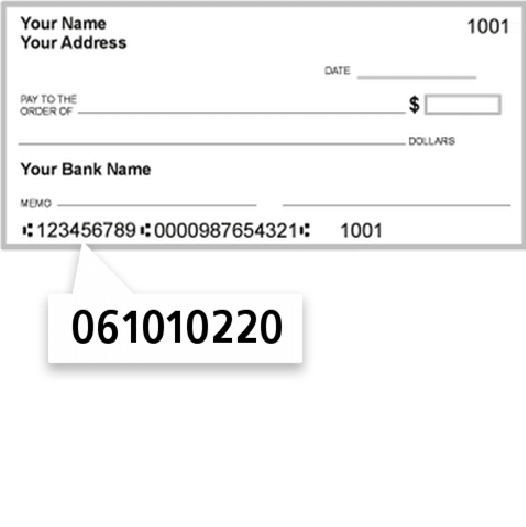
The most traditional and often most reliable place to find your routing number is on a physical check. At the bottom of every Citizens Bank check, you will see a string of numbers printed in a specialized font (MICR). The routing number is the first set of nine digits on the far left. It is followed by your account number and then the specific check number.
For those managing side hustles or small businesses, keeping a voided check on file is a standard practice. When onboarding with a new payment processor or digital storefront, having this physical reference ensures that the digits are entered accurately, preventing the headache of a “failed payout” when you are expecting your hard-earned income.
Utilizing Online Banking and Mobile Apps
As we move toward a cashless society, many account holders no longer carry physical checkbooks. Citizens Bank has adapted to this shift by making routing information easily accessible through their digital platforms. By logging into the Citizens Bank mobile app or online banking portal, users can navigate to “Account Details” to find both their routing and account numbers. This digital access is particularly useful for mobile professionals who need to provide banking details on the go to clients or vendors.
When and How to Use Your Citizens Bank Routing Number
Understanding where to find the number is only half the battle; knowing how to apply it within your financial strategy is where the real value lies. In the world of “Money”—encompassing personal finance and online income—the routing number is the primary engine for automation.
Setting Up Direct Deposits and Automated Payments
Direct deposit is the cornerstone of modern personal finance. It allows for the immediate allocation of income into various buckets, such as “Necessities,” “Emergency Fund,” and “Investments.” To set this up, your employer will require your Citizens Bank routing number and your unique account number.
The same logic applies to automated bill pay. By linking your routing number to your credit card payments, mortgage, or utility bills, you can ensure that obligations are met on time, thereby protecting your credit score. In the realm of financial tools, automation is the most effective way to eliminate human error and late fees.
Managing Wire Transfers: Domestic vs. International
It is important to distinguish between ACH transfers and wire transfers. While they both require a routing number, the specific number used may differ. Some institutions use a “Wire Routing Number” that is distinct from the “Electronic/ACH Routing Number.” If you are receiving a large sum of money—such as the proceeds from a real estate transaction or a significant business contract—you must confirm whether the sender requires the standard routing number or a specialized wire transit number.
Furthermore, if you are involved in international business or have family abroad, you may need a SWIFT code or BIC (Bank Identifier Code) in addition to or instead of a routing number. While the ABA routing number is a domestic standard, the SWIFT system is the international equivalent. Citizens Bank provides specific codes for these global transactions, which are essential for anyone engaging in the global gig economy or international investing.
The Intersection of Routing Numbers and Online Financial Tools
In the current era of “FinTech,” the routing number is the bridge between your traditional bank account and modern financial apps. Whether you are using a peer-to-peer payment app like Venmo or a micro-investing platform like Acorns, you will likely need to link your Citizens Bank account. While many of these apps use third-party aggregators (like Plaid) to sign in directly, others require manual entry of your routing and account numbers. Understanding this process is key to maintaining a seamless flow of capital across your various digital wallets and investment platforms.
Security and Best Practices for Protecting Your Banking Credentials
While a routing number is not a “secret” in the same way a password or a Social Security number is, it should still be handled with a level of professional caution. In the wrong hands, combined with an account number, it can be used to initiate unauthorized ACH withdrawals.
Is Sharing Your Routing Number Safe?
Generally, sharing your routing number is safe when done within the context of legitimate financial transactions, such as providing it to a reputable employer or a known service provider. Every check you write contains this information, meaning it is technically “public” to anyone who handles your physical checks. However, the rise of digital “ACH fraud” means you should be discerning about which apps and websites you grant access to.
Distinguishing Between Routing and Account Numbers
A common point of confusion for those new to managing their own finances is the difference between the routing number and the account number. Think of the routing number as the “Address of the Bank Building” and the account number as the “Specific Apartment Number.” You need both to deliver the “mail” (the money). For Citizens Bank customers, ensuring these two numbers are never transposed is the most effective way to prevent financial mishaps.

Future Trends: The Evolution of Digital Payments and Routing
As we look toward the future of money and business finance, the role of the routing number is evolving. The introduction of real-time payment systems (like FedNow and RTP) is beginning to challenge the traditional multi-day ACH cycle. These systems still rely on institutional identifiers, but they operate with much higher velocity.
For Citizens Bank customers, these technological advancements mean that the routing number you use today will likely facilitate even faster transactions tomorrow. Whether you are a freelancer looking for instant payouts or an investor wanting to move capital into the market at a moment’s notice, the routing number remains the indispensable key. By mastering the use of your Citizens Bank routing number, you are not just performing a clerical task; you are optimizing your financial infrastructure for a faster, more efficient digital economy.
aViewFromTheCave is a participant in the Amazon Services LLC Associates Program, an affiliate advertising program designed to provide a means for sites to earn advertising fees by advertising and linking to Amazon.com. Amazon, the Amazon logo, AmazonSupply, and the AmazonSupply logo are trademarks of Amazon.com, Inc. or its affiliates. As an Amazon Associate we earn affiliate commissions from qualifying purchases.