
Orthodontic treatment is frequently viewed as a rite of passage for adolescents, but in the modern economy, it has become a significant financial consideration for adults as well. When consumers ask, “What is the cheapest price for braces?” they are rarely looking for a bargain-basement medical procedure; rather, they are looking for the most cost-effective path to a functional and aesthetic outcome. The cost of braces is not a static figure. It is a complex calculation influenced by geography, technology, insurance coverage, and tax-advantaged financial planning. Generally, the absolute lowest price for comprehensive orthodontic treatment in the United States ranges from $3,000 to $5,000, but reaching that price point requires a strategic approach to personal finance.
Understanding the Variable Costs of Orthodontic Treatment
The total invoice for orthodontic work is rarely just about the hardware attached to the teeth. It is a service-based fee that covers years of professional expertise, office overhead, and specialized materials. To find the “cheapest” price, one must first understand what drives the “highest” prices.
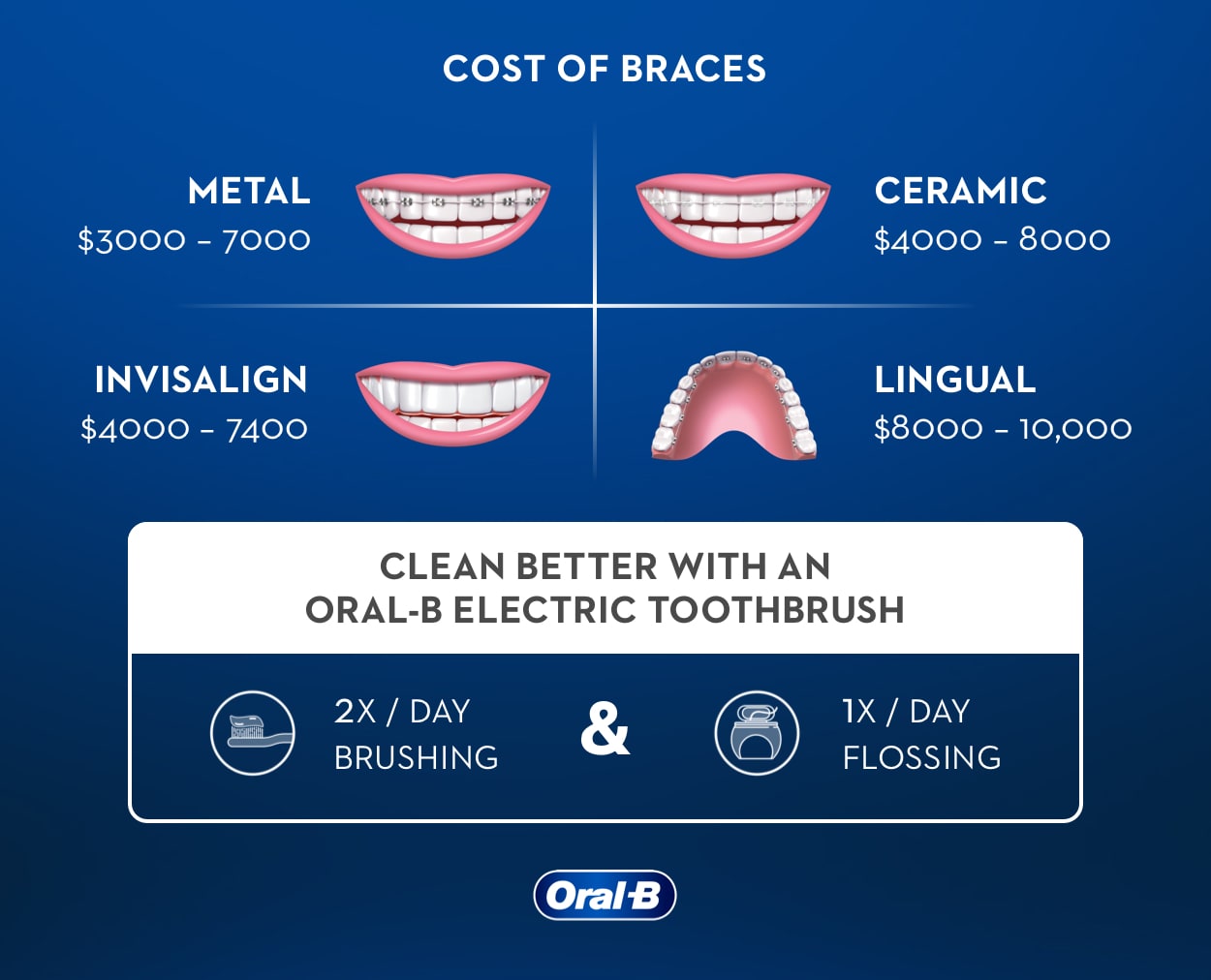
Metal Braces vs. Alternative Modalities
Traditional metal braces remain the most cost-effective option for the vast majority of patients. Because the technology is standardized and the materials are relatively inexpensive for the practitioner to source, the overhead is lower. In contrast, clear aligners (like Invisalign) or lingual braces (placed behind the teeth) involve high laboratory fees and proprietary technology costs that are passed directly to the consumer. While mail-order aligners have attempted to disrupt the market with price points as low as $2,000, these often lack the comprehensive diagnostic oversight of an in-person orthodontist, potentially leading to corrective costs later—a classic example of being “penny wise and pound foolish.”
Geographic Location and Market Competition
The “cheapest” price is heavily dictated by the local cost of living. An orthodontist in Manhattan or San Francisco faces significantly higher commercial rent and labor costs than one in a rural township or a mid-sized Midwestern city. Consequently, patients can sometimes save 20% to 30% on the total cost of treatment simply by seeking providers outside of major metropolitan hubs. However, one must factor in the “cost of convenience”—orthodontics requires appointments every four to eight weeks, and the fuel and time costs of traveling for a cheaper rate must be weighed against the nominal savings.
Strategic Ways to Minimize Out-of-Pocket Expenses
Lowering the sticker price is only one half of the financial equation. The other half is optimizing how you pay for the treatment. By utilizing various financial instruments, a $5,000 treatment plan can effectively cost the consumer significantly less in “real” dollars.
Maximizing Dental Insurance Benefits
Most employer-sponsored dental insurance plans include an orthodontic benefit, typically a “Lifetime Maximum” (LTM). This is a one-time payment the insurance company makes toward braces, usually ranging from $1,000 to $3,500. To find the cheapest price, it is vital to understand the “Network Discount.” If you choose an in-network provider, they have pre-negotiated a maximum allowable fee with the insurance company. Even if the orthodontist’s standard rate is $6,500, the insurance contract might cap that at $4,800. After the $2,000 LTM is applied, the patient’s liability drops to $2,800. This synergy between negotiated rates and direct benefits is the most effective way to slash the total cost.

Utilizing Tax-Advantaged Accounts: HSA and FSA
For those in higher tax brackets, the use of a Health Savings Account (HSA) or a Flexible Spending Account (FSA) is a powerful tool for reducing the “net” cost of braces. These accounts allow you to set aside pre-tax income for medical expenses. If a patient is in a 24% federal tax bracket and pays $5,000 for braces using an HSA, they are essentially saving $1,200 in taxes that would have otherwise gone to the IRS. In this scenario, the “real” price of the braces is $3,800. Financial planning for braces should ideally begin in the open enrollment period of the previous year to ensure these accounts are fully funded.
Alternative Financing and Low-Cost Treatment Options
If traditional private practice rates are still outside of a household budget, there are specialized avenues designed to provide high-quality care at a fraction of the market rate. These options require more research and potentially more time, but they offer the lowest absolute price points available.
Dental Schools and Resident Clinics
University-affiliated dental schools are the gold standard for low-cost orthodontic care. These programs are where dentists undergo specialized training to become orthodontists. Because the work is performed by residents and closely supervised by board-certified faculty, the clinics can offer rates that are 40% to 60% lower than private practices. The trade-off is time; appointments at a dental school typically take longer because every step must be checked and approved by an attending professor. For a patient whose primary priority is the “cheapest price” without sacrificing clinical quality, a dental school is often the best financial decision.
Payment Plans and In-House Financing
Most orthodontic practices function as their own lenders. It is common to see 0% interest financing options where a patient pays a down payment (often $500 to $1,500) and then monthly installments over the course of 18 to 24 months. From a cash-flow perspective, 0% interest is an incredible financial tool. In an inflationary environment, paying for a service with “tomorrow’s dollars” that have less purchasing power is a savvy move. When comparing providers, always ask for the “cash discount.” Many offices will knock 5% to 10% off the total price if the entire balance is paid upfront, as it eliminates their administrative burden and credit risk.
The Long-Term ROI of Investing in Orthodontics
When analyzing the price of braces, it is a mistake to view it purely as a discretionary expense. In the world of personal finance, braces are better categorized as a capital improvement to one’s personal health and professional brand. The Return on Investment (ROI) of a straight smile manifests in several ways.
Preventive Benefits and Future Savings
Malocclusion (misaligned teeth) is not just an aesthetic issue; it is a structural liability. Teeth that are crowded or improperly spaced are significantly harder to clean, leading to higher rates of periodontal disease, tooth decay, and eventual tooth loss. The cost of a single dental implant and crown can easily exceed $4,000. By investing $5,000 in braces today, a patient may be avoiding tens of thousands of dollars in restorative dentistry over the next three decades. Viewing braces through the lens of “preventive maintenance” changes the financial calculus from an expense to an asset protection strategy.
The Impact on Professional Earning Potential
While difficult to quantify exactly, numerous studies in social psychology and economics suggest a correlation between dental aesthetics and career advancement. A confident smile is often associated with leadership qualities and trustworthiness in professional environments. In a competitive job market, the “branding” of one’s personal appearance plays a role in networking and salary negotiations. If an investment in orthodontics leads to even a minor increase in lifetime earnings or opens doors to higher-level professional roles, the initial “cheapest price” becomes an insignificant entry cost compared to the lifetime gains.
In conclusion, finding the cheapest price for braces is a multi-step process that involves more than just calling the nearest office. It requires a combination of choosing the right technology (traditional metal), leveraging insurance and tax-advantaged accounts (HSA/FSA), and exploring high-value providers like dental schools. By treating orthodontic care as a strategic financial investment rather than a simple purchase, consumers can achieve the desired results while maintaining a healthy bottom line. The goal is not merely to spend the least amount of money, but to maximize the value of every dollar spent on a permanent biological asset.
aViewFromTheCave is a participant in the Amazon Services LLC Associates Program, an affiliate advertising program designed to provide a means for sites to earn advertising fees by advertising and linking to Amazon.com. Amazon, the Amazon logo, AmazonSupply, and the AmazonSupply logo are trademarks of Amazon.com, Inc. or its affiliates. As an Amazon Associate we earn affiliate commissions from qualifying purchases.