
Navigating the complex world of airline pricing can often feel like a guessing game, especially when trying to pinpoint the absolute cheapest day to fly. While the internet is rife with anecdotal evidence and broad generalizations, the reality of airline fare structures, particularly for major carriers like American Airlines, is far more nuanced. There isn’t a single, immutable “cheapest day” that holds true for every route, every week, or every season. Instead, savvy travelers understand that cost-effective travel hinges on a combination of strategic timing, flexibility, and leveraging the right tools.

Unpacking the “Cheapest Day” Myth
The idea of a universally cheapest day to fly is a persistent myth, largely because airline pricing is dynamic and driven by sophisticated algorithms. These algorithms factor in demand, competitor pricing, booking trends, route popularity, and even the time of day. However, general patterns do emerge from this complexity, offering valuable insights for budget-conscious fliers.
The General Rule of Thumb
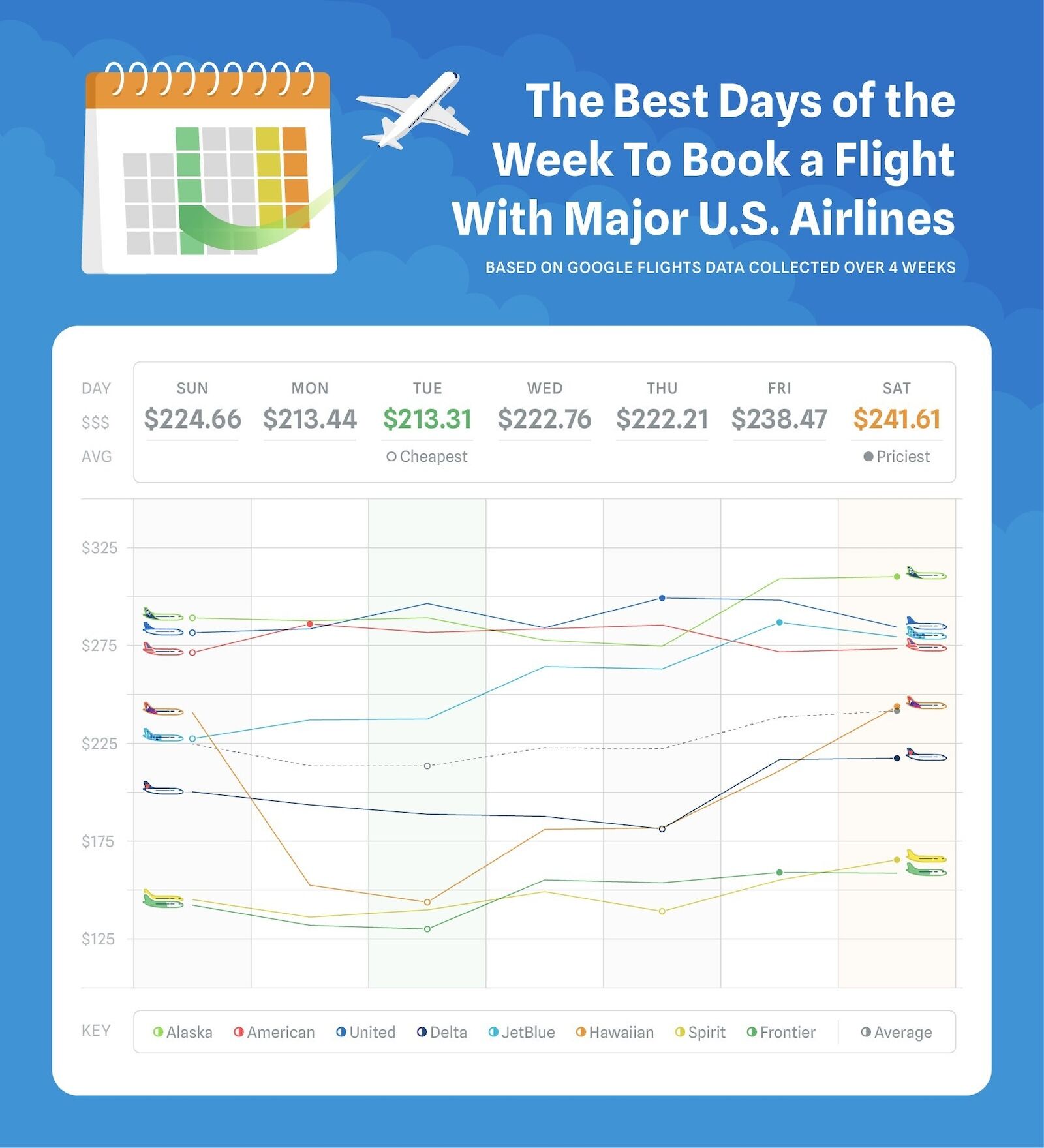
Historically, and still largely true today, Tuesdays, Wednesdays, and Saturdays often present the best opportunities for lower fares.
- Tuesdays and Wednesdays are typically the least popular days for both business and leisure travel. Business travelers usually prefer to depart on Monday and return by Friday, while leisure travelers often opt for weekend departures (Friday/Saturday) and Sunday returns. This dip in demand during the mid-week often translates to more competitive pricing.
- Saturdays can also be surprisingly affordable for certain routes. While some leisure travelers fly on Saturdays, it’s not as universally popular for departures as Friday, and for returns, it’s less preferred than Sunday. For travelers willing to include a Saturday night stay, especially on international routes, fares can drop significantly due to rules designed to deter business travelers from booking cheaper leisure fares.
Conversely, Sundays and Fridays tend to be the most expensive days to fly. Sundays mark the end of weekend trips and are popular return days for business travelers, while Fridays are the preferred start to weekend getaways.
Beyond the Calendar: The Role of Dynamic Pricing
It’s critical to understand that these general rules are merely guidelines. American Airlines, like other major carriers, employs dynamic pricing. This means ticket prices can change multiple times a day based on real-time factors. A flight that is cheap on a Tuesday morning might surge in price by Tuesday afternoon if a sudden demand spike occurs or if a competitor raises their fares. Therefore, while certain days offer a statistical advantage, finding the lowest fare is more about when you book and how flexible you are than just looking at the specific travel day.
Strategic Timing: Days of the Week and Seasonal Factors
Maximizing savings on American Airlines flights involves more than just picking a mid-week day; it requires a holistic approach to timing, considering both daily and seasonal demand fluctuations.
Weekday Wisdom
- Tuesdays, Wednesdays, and Saturdays: As noted, these are your prime targets. For instance, an American Airlines flight from Chicago to Miami might be $50-100 cheaper on a Tuesday compared to a Friday for the same week.
- Monday & Thursday: These days typically fall into a middle ground. Monday mornings can be expensive due to business travel, but prices might ease later in the day. Thursdays, similarly, often see a slight uptick as weekend travel begins to ramp up.
- Friday & Sunday: These are almost universally the priciest days. If your schedule allows, avoiding these days can lead to substantial savings, sometimes hundreds of dollars on longer routes or during peak seasons.
The Power of Off-Peak Hours
Beyond the day of the week, the time of day you fly also significantly impacts the fare. Flights departing at less desirable times are often cheaper.
- Early Morning Flights (Red-Eyes): The first flights of the day, especially those departing before 7:00 AM, are often less expensive because fewer people want to wake up that early.
- Late Night Flights: Flights departing late in the evening (after 8:00 PM) are also generally cheaper.
- Mid-Day Flights: Flights during typical meal times, like noon or 6:00 PM, can sometimes offer a slight discount compared to peak commuting hours.
Seasonal Savings and Holiday Hurdles
Seasonal demand is a massive determinant of airfare. Understanding American Airlines’ peak and off-peak seasons for popular routes is crucial.
- Shoulder Seasons: These are the periods immediately before or after peak travel times and often offer the best balance of good weather and lower prices. For many destinations, this includes late April to May (after spring break, before summer) and September to early November (after summer, before holidays).
- Off-Season: The cheapest times to fly generally include January and February (post-holiday slump), and late August through September (after summer vacation, before fall holidays). For example, a flight to a European destination on American Airlines in February will almost invariably be cheaper than the same flight in July.
- Avoid Peak Travel: Steer clear of major holidays (Thanksgiving, Christmas, New Year’s, Easter), school breaks (Spring Break), and peak summer months (June-August), especially for popular family destinations. Prices can double or even triple during these periods due to overwhelming demand.
Mastering the American Airlines Booking Window
When you purchase your ticket can be just as important as the day you choose to fly. There’s an optimal “booking window” where fares tend to be at their lowest.
The “Goldilocks Zone” for Booking
For domestic flights on American Airlines, the sweet spot for booking is typically 1 to 3 months in advance. Beyond three months, prices might be higher as airlines test demand. Closer than a month, and the best fares are often gone, with prices rising steadily as departure approaches.
For international flights, the window widens to 2 to 6 months in advance. International routes involve more complex planning and higher stakes for airlines, so they tend to release their most competitive fares further out.
The Art of Early Booking (But Not Too Early)
While booking too early (e.g., 9-12 months out) can sometimes lead to higher “speculative” pricing, booking within the identified Goldilocks Zone is a sound strategy. For highly popular routes, or if you’re traveling during a peak season, leaning towards the earlier end of that window can secure better rates before seats fill up and prices escalate due to scarcity.
Last-Minute Traps
Resist the temptation to wait for last-minute deals. While these can occasionally materialize, they are rare and highly unpredictable. More often, last-minute bookings result in significantly higher fares, as airlines know travelers needing to fly urgently have limited options and are willing to pay a premium.
Fare Sales and Promotions
American Airlines frequently runs sales and promotions. Signing up for their email newsletters and following their social media channels can give you an edge. These flash sales can temporarily override typical pricing patterns, offering deep discounts on specific routes or travel periods. Acting quickly when these sales launch is key, as discounted seats are often limited.
Flexibility: Your Greatest Asset in Cost Savings
In the world of airline travel, flexibility is synonymous with financial savings. The more adaptable you can be with your travel plans, the more likely you are to find the lowest fares on American Airlines.
Embrace Date Flexibility
Perhaps the most powerful tool in your arsenal is the ability to adjust your travel dates. American Airlines’ website, like most major booking platforms, offers a “flexible dates” or “calendar view” option. Utilizing this feature allows you to see a grid of fares across an entire month, instantly highlighting the cheapest days. You might find that shifting your departure or return by just one day can save you a significant amount. For example, if your ideal departure is a Friday, checking the preceding Thursday or following Saturday could reveal substantial savings.
Consider Alternative Airports
While American Airlines operates out of major hubs, consider if flying into or out of a smaller, nearby airport could reduce costs. For instance, if traveling to the Los Angeles area, compare fares to LAX with those to Long Beach (LGB) or even Orange County (SNA) if American Airlines or a codeshare partner operates flights there. The savings on the flight itself might outweigh the slightly longer ground transportation. Always factor in the total cost and time.
The Beauty of Layover Flights
Direct flights are undeniably convenient, but that convenience often comes at a premium. Opting for a flight with one or more layovers can significantly reduce your ticket price. American Airlines offers numerous connecting flights through its major hubs like Dallas/Fort Worth (DFW), Charlotte (CLT), Chicago O’Hare (ORD), and Miami (MIA). While adding travel time, the financial savings can be considerable, especially on longer routes. Evaluate the trade-off between your time and your money.
Non-Refundable vs. Flexible Fares
American Airlines, like other carriers, offers various fare types.
- Basic Economy: This is typically the cheapest option but comes with the most restrictions. It often means no seat selection (assigned at check-in), last to board, and no changes allowed (unless within 24 hours of booking, as per DOT rules). On some international routes, it might even restrict carry-on bags beyond a personal item. Understand these limitations before booking.
- Main Cabin: Offers more flexibility, including seat selection, standard boarding, and often the ability to make changes (sometimes for a fee).
- Premium Economy, Business, First Class: These fare classes progressively offer more amenities, space, and flexibility, but at a significantly higher price point.
Weigh your need for flexibility against the potential savings of a basic economy fare. If your plans are set in stone, basic economy can save you money. If there’s any chance of a change, a Main Cabin fare might be a wiser financial choice in the long run.
Leveraging American Airlines’ Tools and Programs
Beyond timing and flexibility, making the most of American Airlines’ own programs and external tools can further enhance your ability to find and secure cheap flights.
AAdvantage Program Benefits
American Airlines’ loyalty program, AAdvantage, is a powerful tool for cost savings.
- Earning and Redeeming Miles: Accumulate miles through flying, using co-branded credit cards, or through partners. These miles can then be redeemed for award flights, often offering tremendous value, especially for international travel or premium cabins. Learn to search for “saver” award space, which requires fewer miles.
- Elite Status Perks: Achieving AAdvantage elite status (Gold, Platinum, Platinum Pro, Executive Platinum) comes with a host of benefits that reduce travel costs: free checked bags (saving baggage fees), complimentary upgrades (enhanced experience without the cost), priority boarding, and sometimes even lounge access. These perks significantly enhance the overall value of your travel.
Setting Up Fare Alerts
Don’t spend countless hours manually checking flight prices. Utilize automated fare alert tools.
- American Airlines Website: While the site itself doesn’t have a robust fare alert system for specific routes, it’s good for direct booking.
- Third-Party Tools: Google Flights, Skyscanner, Kayak, and Hopper are excellent resources. You can set up alerts for specific routes and dates, and these services will notify you via email when prices drop. This passive approach ensures you don’t miss out on a good deal without constant vigilance.
Understanding Fare Classes and Basic Economy Nuances
As mentioned, American Airlines offers various fare classes. Always compare the true cost. A Basic Economy fare might seem cheaper upfront, but if you need to check a bag and don’t have elite status or an eligible credit card, the baggage fees could erase any savings compared to a Main Cabin fare that includes a checked bag. Always read the fine print associated with each fare class.

Bundling and Package Deals
While the primary focus is on flights, American Airlines Vacations sometimes offers package deals that combine flights with hotels or car rentals. In certain scenarios, bundling can lead to overall savings compared to booking each component separately. This requires a broader travel budget consideration but can be a viable option for a comprehensive trip.
In conclusion, while there may not be a single “cheapest day” set in stone for American Airlines, adhering to a strategy that prioritizes mid-week travel, off-peak seasons, optimal booking windows, and most importantly, flexibility, will consistently put you in the best position to secure the most budget-friendly fares. By intelligently leveraging tools and understanding the nuances of airline pricing, you can make your travel dollars stretch further.
aViewFromTheCave is a participant in the Amazon Services LLC Associates Program, an affiliate advertising program designed to provide a means for sites to earn advertising fees by advertising and linking to Amazon.com. Amazon, the Amazon logo, AmazonSupply, and the AmazonSupply logo are trademarks of Amazon.com, Inc. or its affiliates. As an Amazon Associate we earn affiliate commissions from qualifying purchases.