
In the contemporary marketplace, a brand is no longer just a collection of products or a recognizable logo; it is a living entity with a distinct personality, a set of values, and a narrative arc. When we ask “what is the character development” within the context of brand strategy, we are exploring the sophisticated process of transforming a static corporate identity into a resonant, evolving persona that builds long-term emotional equity with its audience. Character development is the bridge between a functional business and a culturally significant icon.
In an era defined by the “attention economy,” consumers are increasingly fatigued by traditional advertising. They do not merely want to be sold to; they want to belong to a community and align themselves with entities that reflect their own aspirations, struggles, and ethics. Consequently, brand strategy has borrowed heavily from literary and cinematic arts, utilizing the principles of character development to create depth, consistency, and growth.

The Foundations of Brand Character: More Than a Visual Identity
To understand brand character development, one must first distinguish between brand identity and brand personality. Identity encompasses the visual elements—the colors, typography, and logo. Personality, however, is the “soul” of the brand. Character development is the strategic methodology used to refine this personality over time.
From Static Logos to Living Personas
Historically, branding was about consistency and repetition. A company chose a color and a slogan and stuck with them for decades. While consistency remains vital, the modern digital landscape requires brands to be more dynamic. Character development allows a brand to react to social shifts, technological advancements, and changing consumer behaviors without losing its core essence. It is the process of defining who the brand would be if it were a person: How do they speak? What are their non-negotiables? How do they handle a crisis?
The Importance of Narrative Arcs
In storytelling, character development occurs through a narrative arc—a series of events that challenge and change the protagonist. For a brand, this arc is represented by its journey through the market. Whether it is a startup disrupting an industry (the “Rebel” or “Outlaw” archetype) or an established firm reinventing itself for a sustainable future (the “Sage” or “Innocent” archetype), the development lies in how the brand handles these transitions. Consumers follow these stories like they follow their favorite characters in a series, fostering a sense of loyalty that transcends price points.
The Blueprint: Utilizing Archetypes and Narrative Foundations
The most successful brands in the world do not invent their personalities from thin air. Instead, they leverage universal psychological patterns known as archetypes. Developed by Carl Jung and later adapted for marketing, these archetypes provide a framework for character development that feels inherently familiar to the human psyche.
The Twelve Jungian Archetypes in Branding
Strategic character development often begins by selecting a primary archetype. For instance:
- The Hero (e.g., Nike): Focused on mastery, courage, and overcoming obstacles. Their character development involves constantly pushing the boundaries of human potential.
- The Magician (e.g., Apple): Focused on transformation and making the impossible possible. Their development is seen in the iterative “magic” of their product launches.
- The Everyman (e.g., IKEA): Focused on belonging and practical accessibility. Their character development centers on becoming more integrated into the daily lives of regular people.
By anchoring a brand in an archetype, strategists can ensure that every marketing campaign, social media post, and customer service interaction feels like it is coming from the same “character.”
Creating a Consistent Voice and Tone
Character is revealed through dialogue. In branding, this is the “Brand Voice.” Development in this area involves the maturation of how a brand speaks. A young tech brand might start with a disruptive, irreverent tone to gain attention. As it scales and begins to handle sensitive enterprise data, its character development might involve shifting toward a more “Authoritative” or “Guardian” tone. This shift must be handled delicately; it should feel like the character is growing up, not suffering from a personality disorder.
The Evolution Strategy: How Brands Grow Without Losing Their Soul
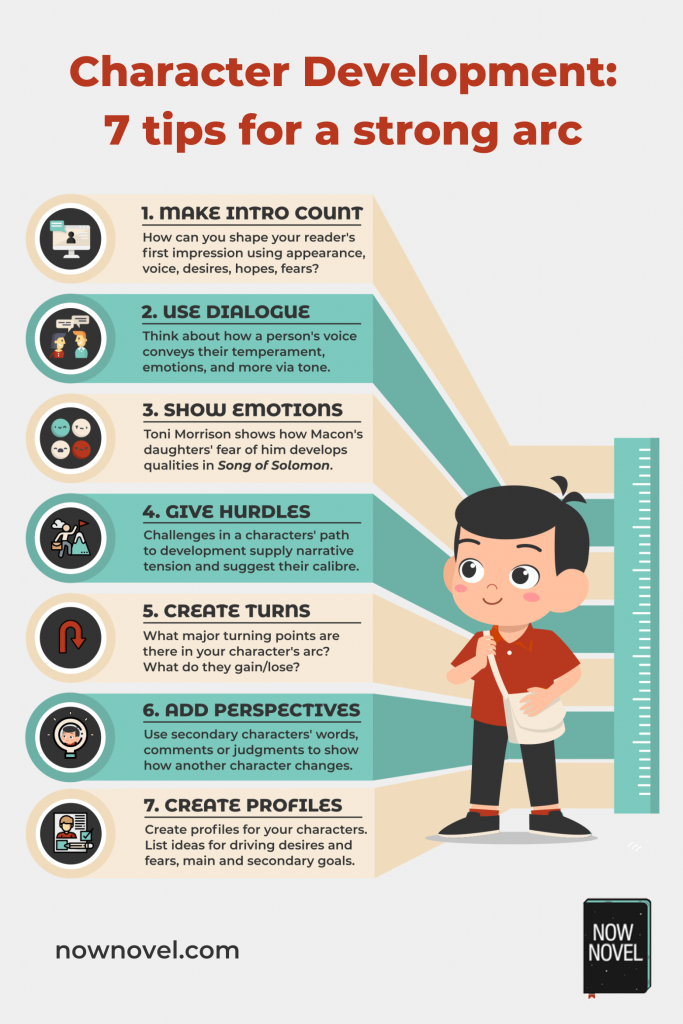
Character development is not a one-time workshop; it is an ongoing strategic process. As markets evolve, brands must also grow. However, the greatest risk in brand development is “character break”—acting in a way that contradicts the established persona, which leads to a loss of consumer trust.
Adapting to Market Shifts
The most profound examples of character development occur when a brand must pivot due to external pressures. Consider the automotive industry’s shift toward electrification. A brand like Porsche, traditionally the “Explorer” or “Ruler” of internal combustion performance, had to develop its character to embrace sustainability. This wasn’t just a technical change; it was a character evolution. They had to prove that high-performance “soul” could exist in an electric vehicle. Their character development involved bridging their heritage with a futuristic vision.
Case Studies in Brand Transformation
- Old Spice: Perhaps the most famous example of modern character development. Old Spice transitioned from a “Grandfather’s brand” to a surreal, humorous, and hyper-masculine persona. They didn’t change the product fundamentally; they changed the character’s personality to appeal to a younger demographic, effectively reviving the brand.
- Lego: After a period of financial struggle in the early 2000s, Lego underwent significant character development. They moved from being just a toy manufacturer to a “Creative Catalyst.” By expanding into film, education, and complex sets for adults, they developed a character that celebrates creativity across all age groups.
Managing the “Internal Character”
Corporate identity is often a reflection of internal culture. For a brand’s character to be authentic, the development must happen internally first. If a brand claims to be a “Caregiver” in its marketing but treats its employees poorly, the character development is superficial and will eventually fail. True character development aligns the internal corporate values with the external brand promise.
Implementing Character in the Digital Age
The rise of social media has fundamentally changed how character development is executed. Brands are now expected to interact in real-time, meaning the character must be able to “improvise.”
Social Media as a Stage for Personality
Platforms like X (formerly Twitter), TikTok, and Instagram serve as the stage where a brand’s character is performed daily. On these platforms, character development happens through engagement. When a brand responds to a customer’s joke or participates in a trending meme, it is adding layers to its persona. The “Wendy’s” Twitter persona is a prime example of a brand using a specific, sassy character to stand out in a crowded fast-food market. This persona development turned a standard corporate account into a cultural touchstone.
User Interaction and Community Building
Modern character development is a two-way street. Brands often develop their character based on how their community perceives them. This is known as “co-creation.” When a brand listens to its “fandom” and adjusts its offerings or its messaging, the character evolves in a way that feels organic and responsive. This builds a “Relatability” factor that is crucial for modern brand loyalty.
Measuring the ROI of Brand Character Development
While character development may seem like a “soft” marketing concept, it has tangible financial implications. Brands with a strong, well-developed character enjoy higher customer retention, lower customer acquisition costs, and the ability to command premium pricing.
Building Emotional Equity
Emotional equity is the value derived from the emotional connection a consumer has with a brand. A well-developed character creates “brand fans” rather than just customers. These fans are more likely to forgive a brand’s mistakes and act as brand ambassadors. In the long run, this emotional moat protects the business from competitors who may offer similar products but lack the same character depth.
Differentiation in a Saturated Market
In almost every industry, functional differences between products are shrinking. Software features are easily copied; manufacturing processes are standardized. In this environment, character is the ultimate differentiator. You don’t just buy a laptop; you buy the “Creative Visionary” character of Apple. You don’t just buy a coffee; you buy into the “Community Hub” character of a local roaster.
The Long-term Narrative
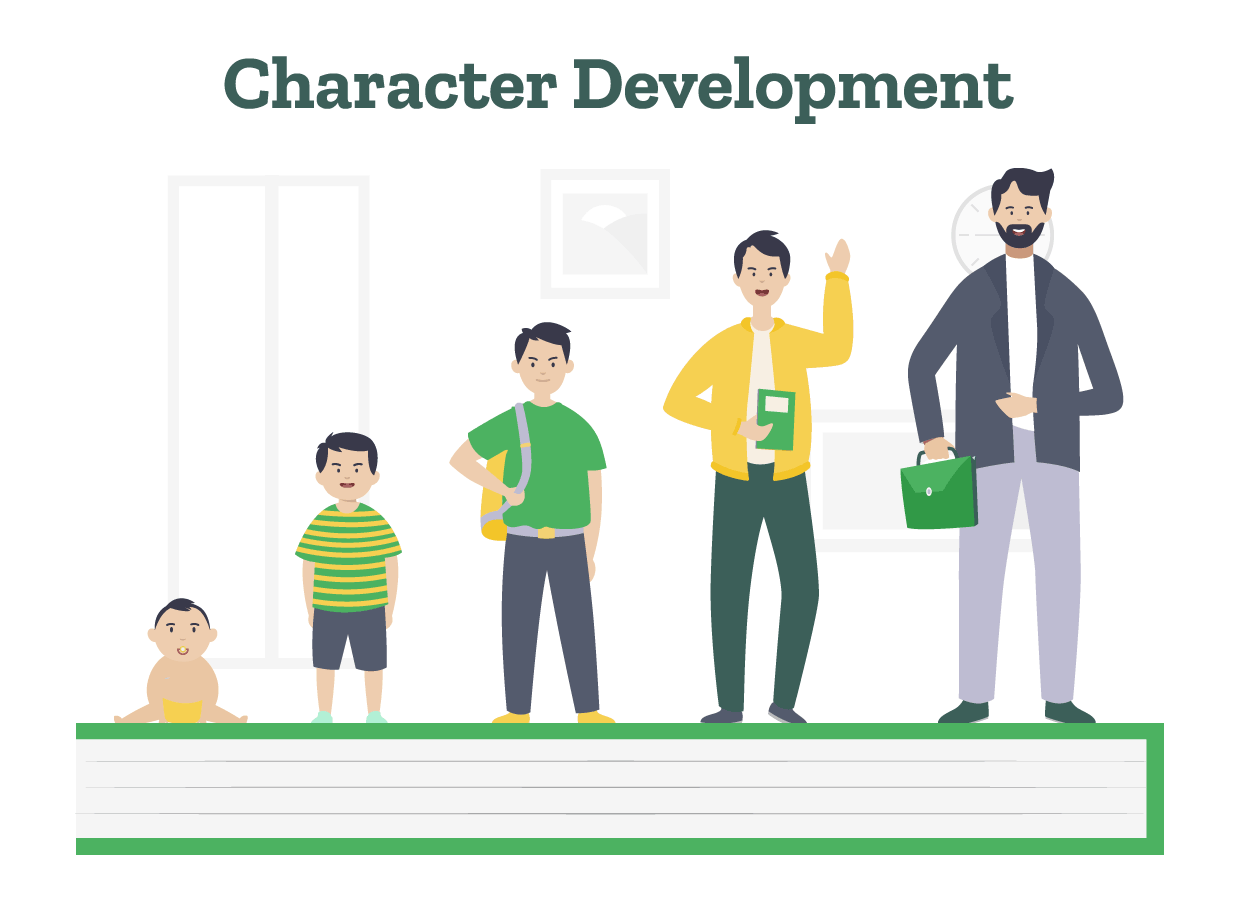
Finally, character development allows for longevity. A brand that is just a product is easily replaced by a cheaper or faster version. A brand that is a well-developed character can endure for generations. By continuously evolving while staying true to a core set of values, a brand ensures that it remains relevant regardless of changes in technology or fashion.
In conclusion, “character development” in branding is the strategic art of personifying a business. It involves selecting a foundational archetype, cultivating a unique voice, and evolving that persona through the narrative arcs of the market. By treating a brand as a developing character, companies can move beyond transactional relationships and create deep, lasting resonance with their audience. In the modern economy, the brands that win are not just the ones with the best products—they are the ones with the most compelling characters.
aViewFromTheCave is a participant in the Amazon Services LLC Associates Program, an affiliate advertising program designed to provide a means for sites to earn advertising fees by advertising and linking to Amazon.com. Amazon, the Amazon logo, AmazonSupply, and the AmazonSupply logo are trademarks of Amazon.com, Inc. or its affiliates. As an Amazon Associate we earn affiliate commissions from qualifying purchases.