
In the landscape of modern entertainment, a character is rarely just a collection of pixels or a narrative device; they are a high-value intellectual property (IP) asset. Among the most recognizable assets in the gaming industry is Jill Valentine, the female lead of the seminal Resident Evil franchise. Since her debut in 1996, the question of “what happened” to Jill Valentine has moved beyond mere plot theories. It has become a fascinating case study in brand management, strategic rebranding, and the complexities of maintaining a legacy IP in a shifting global market.

To understand the trajectory of Jill Valentine is to understand how Capcom, her parent corporation, manages character equity across decades. Her evolution reflects broader trends in corporate identity, demographic targeting, and the lifecycle of digital icons.
The Foundation of a Legacy: Jill Valentine as a Pioneering Brand Asset
When Jill Valentine was first introduced, she served as the primary anchor for the “Survival Horror” brand. At a time when female protagonists were often relegated to secondary roles or damsels in distress, Jill was positioned as a capable, professional operative. This initial branding was crucial for Capcom’s corporate identity as a developer of mature, cinematic experiences.
Defining the Core Brand Identity
The original Jill Valentine brand was built on the pillar of “accessible competence.” Unlike the hyper-masculine action heroes of the 90s, Jill represented a more grounded approach to heroism. Her brand markers—the beret, the shoulder pads, and her “Master of Unlocking” moniker—became shorthand for a specific type of gameplay experience. From a brand strategy perspective, she was the “reliable professional.” This clarity of identity allowed Capcom to build a loyal consumer base that associated her image with quality and innovation in the genre.
The Pivot to Action: Brand Extension in the Mid-2000s
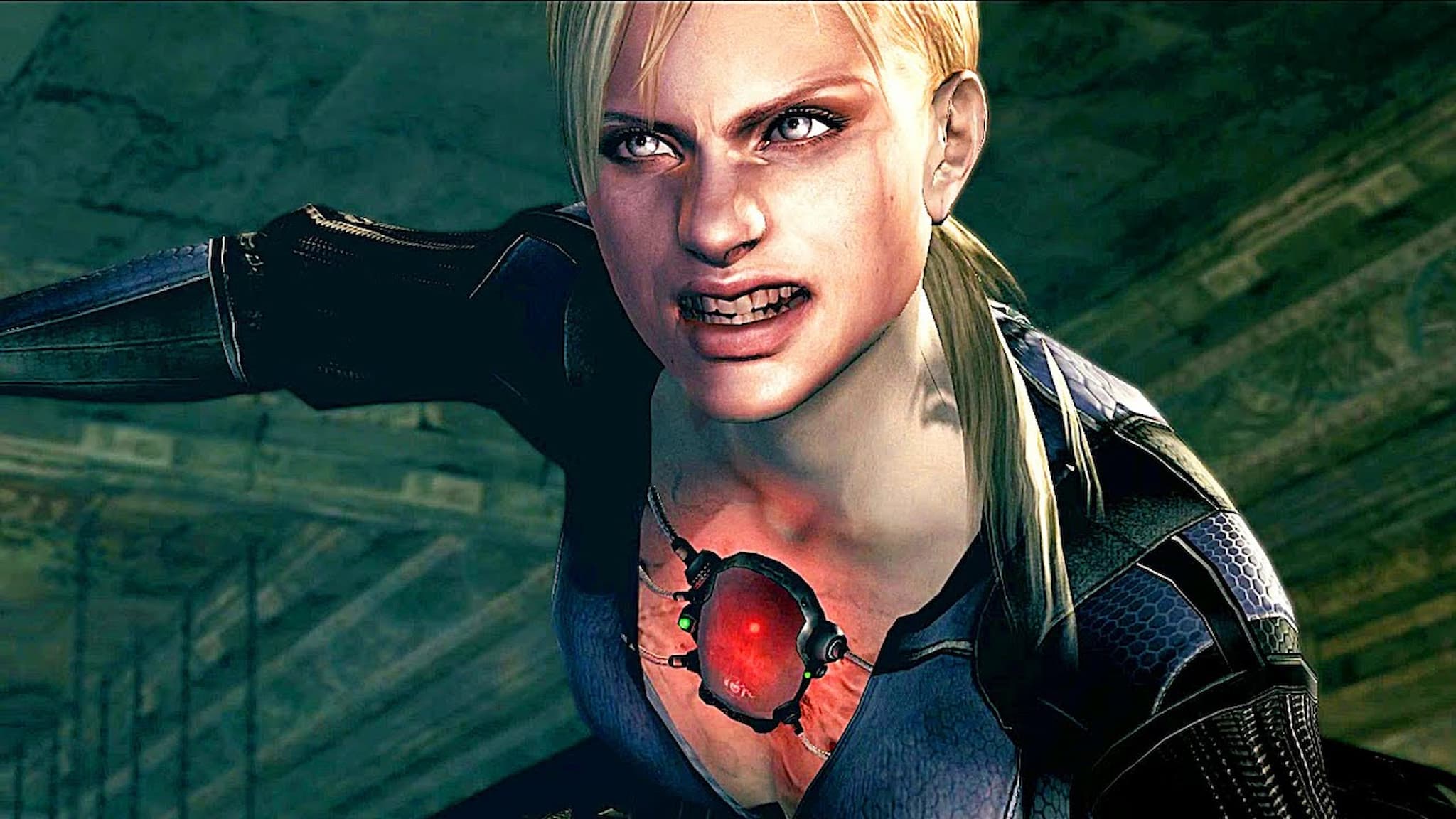
As the gaming market shifted toward high-octane action in the mid-2000s, Capcom faced a classic brand management dilemma: innovate or stagnate. Jill Valentine’s brand underwent a radical transformation in Resident Evil 5. She was rebranded from a grounded police officer to a high-mobility, tech-enhanced operative.
This move was a calculated brand extension. By altering her visual identity and skill set, Capcom sought to align her with the “tactical action” trend of the era. However, this period also highlighted the risks of brand dilution. When a character’s core attributes are altered too drastically to fit a market trend, the brand risks alienating its legacy consumers—a challenge Capcom would eventually have to address through a strategic “return to roots” campaign.
The Strategic Rebrand: Modernization and the RE Engine Era
The most significant shift in “what happened” to Jill Valentine occurred with the advent of the RE Engine and the subsequent remake of Resident Evil 3 in 2020. This was not merely a graphical update; it was a total corporate rebranding of a legacy asset to meet 21st-century aesthetic and social standards.
Visual Consistency and Personal Branding
The 2020 rebranding of Jill Valentine focused on “utilitarian realism.” The blue tube top and miniskirt—elements of her 1999 design that had become iconic but increasingly impractical—were replaced with tactical gear that emphasized her role as a combat specialist. This reflects a broader corporate shift toward “brand authenticity.” In the modern market, consumers value characters who look and act the part they play in the narrative. By grounding her design in reality, Capcom refreshed her brand for a new generation while maintaining the “professionalism” that was her original core pillar.
Narrative Branding: From Victim to Veteran
Modern branding often relies on storytelling to create emotional equity. In the rebranding of Jill Valentine, Capcom shifted her narrative positioning. She was no longer just a survivor; she was portrayed as a veteran suffering from the psychological toll of her environment. This “humanization” of the brand asset is a sophisticated marketing technique. It creates a deeper level of engagement (brand loyalty) by making the character more relatable and multifaceted. It transforms the IP from a static icon into a dynamic personality with a clear arc.
Scarcity vs. Ubiquity: The Corporate Strategy of Benchmarking Characters
One of the most persistent questions regarding Jill Valentine is why she frequently disappears from the franchise for years at a time, while her male counterpart, Chris Redfield, maintains a near-constant presence. This is not an accident of writing; it is a deliberate exercise in IP management and scarcity marketing.
The Risk of Brand Overexposure
In brand strategy, overexposure can lead to “brand fatigue.” If a character appears in every installment, their impact diminishes, and their narrative value plateaus. Chris Redfield has often served as the “utilitarian workhorse” of the franchise—a reliable brand asset used to bridge different chapters of the series. By contrast, Jill Valentine has been positioned as a “prestige asset.” Her absences create a market vacuum, driving up demand and ensuring that her eventual return generates significant media buzz and consumer excitement.
Maintaining Value Through Absence
By keeping Jill “off-screen” for significant periods, Capcom preserves her brand equity. Each time she is reintroduced, it feels like a major event rather than a routine occurrence. This “scarcity model” is common in luxury branding and high-end entertainment. It ensures that the Jill Valentine brand remains “premium.” When she does return, whether in a remake or a new sequel, the pent-up demand translates directly into pre-order numbers and social media engagement metrics.
Transmedia Challenges: Managing Jill Valentine Across Platforms
The “what happened” to Jill Valentine also involves her appearances outside of the core video game series. Managing a brand across different media—films, streaming series, and merchandise—presents unique challenges in maintaining brand integrity.
Brand Dilution in Film and Television
The live-action film adaptations of Resident Evil present a case study in brand fragmentation. In these versions, Jill Valentine often played a secondary role to a non-canonical protagonist. From a brand management perspective, this created a “split identity.” Consumers were presented with two different versions of Jill Valentine: the professional hero of the games and the stylized sidekick of the movies. This fragmentation can weaken the overall brand power of the IP, as the “core values” of the character become blurred.
Reclaiming the Narrative in the Digital Marketplace
To combat this dilution, Capcom has increasingly focused on “brand consolidation.” Recent animated projects like Resident Evil: Death Island seek to unify the various versions of these characters into a single, cohesive timeline. This is a strategic move to reclaim the narrative and ensure that the “official” version of Jill Valentine remains the dominant brand in the consumer’s mind. It is about protecting the asset’s long-term value from unauthorized or inconsistent interpretations.
The Future of the Valentine Brand: Sustainability and Longevity
What does the future hold for the Jill Valentine brand? As Capcom looks toward the next generation of gaming, the management of legacy IPs becomes even more critical. The challenge is to maintain the character’s relevance without sacrificing the heritage that made her popular in the first place.
The Evolution of the “Veteran” Archetype
As the Resident Evil timeline progresses, Jill Valentine is evolving into a “mentor” or “legacy” figure. This is a common strategy for aging brands. Just as a legacy corporation might launch a sub-brand to appeal to younger demographics while keeping its core brand for established clients, Capcom is using newer characters to handle the groundwork while keeping Jill as a high-level strategic asset. This ensures the brand’s longevity by allowing it to age gracefully alongside its original audience.

The Role of Technology in Brand Preservation
Advances in digital human technology, such as photogrammetry and AI-enhanced facial capture, allow Capcom to preserve the “Jill Valentine brand” with unprecedented fidelity. The use of real-world models for her RE Engine appearances creates a “face of the brand” that is both consistent and highly marketable. This technological foundation ensures that the brand remains visually competitive in an increasingly crowded marketplace.
In conclusion, “what happened” to Jill Valentine is a story of meticulous corporate stewardship. Through strategic rebranding, the use of scarcity to drive value, and a commitment to visual and narrative authenticity, Capcom has ensured that Jill Valentine remains more than just a character. She is a resilient, high-value brand asset that continues to yield significant returns, proving that in the world of intellectual property, evolution is the key to survival. The professional management of her identity serves as a blueprint for how legacy characters can be modernized and maintained for a global audience without losing their original soul.
aViewFromTheCave is a participant in the Amazon Services LLC Associates Program, an affiliate advertising program designed to provide a means for sites to earn advertising fees by advertising and linking to Amazon.com. Amazon, the Amazon logo, AmazonSupply, and the AmazonSupply logo are trademarks of Amazon.com, Inc. or its affiliates. As an Amazon Associate we earn affiliate commissions from qualifying purchases.