
In the modern digital landscape, trust is the invisible currency that allows the global economy to function. Every time you enter a credit card number on an e-commerce site, log into your private banking portal, or send an encrypted message, you are relying on a complex web of security protocols. At the heart of this web sits a critical, yet often misunderstood, entity: the Certification Authority (CA).
As cyber threats evolve and the sophistication of “man-in-the-middle” attacks increases, understanding the role of a Certification Authority is no longer just for network architects or security specialists. It is foundational knowledge for anyone navigating the technology sector. A CA acts as the digital equivalent of a passport office, verifying identities in a world where physical presence is non-existent. Without them, the internet would be a lawless frontier where impersonation is the norm and data privacy is impossible.
The Core Functions and Responsibilities of a Certification Authority
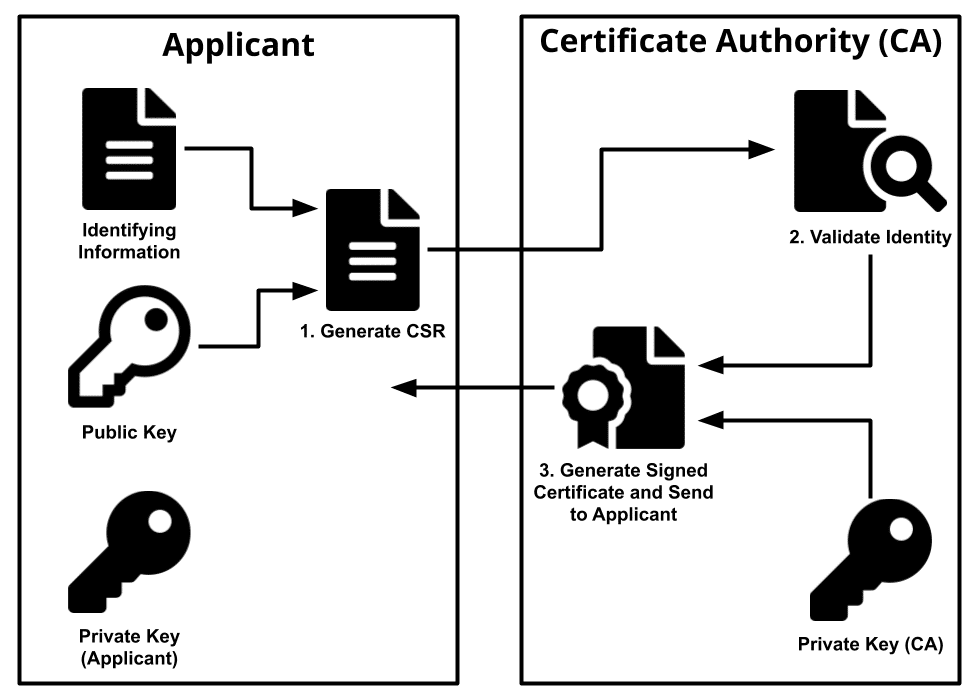
A Certification Authority is a trusted third-party entity that issues digital certificates. These certificates serve to verify the ownership of a public key by the named subject of the certificate. This process allows others (relying parties) to rely upon signatures or on assertions made by the private key that corresponds to the certified public key. To understand a CA, one must look at its three primary responsibilities.
Verification of Identity
The most vital role of a CA is “vettng.” Before a certificate is issued, the CA must verify that the applicant is who they claim to be. Depending on the type of certificate requested, this can range from a simple automated check to ensure a person controls a specific domain name, to an exhaustive background check of a corporation’s legal existence and physical location. This verification ensures that when a user sees a secure connection, they are actually communicating with the intended organization, not an imposter.
Issuance of Digital Certificates
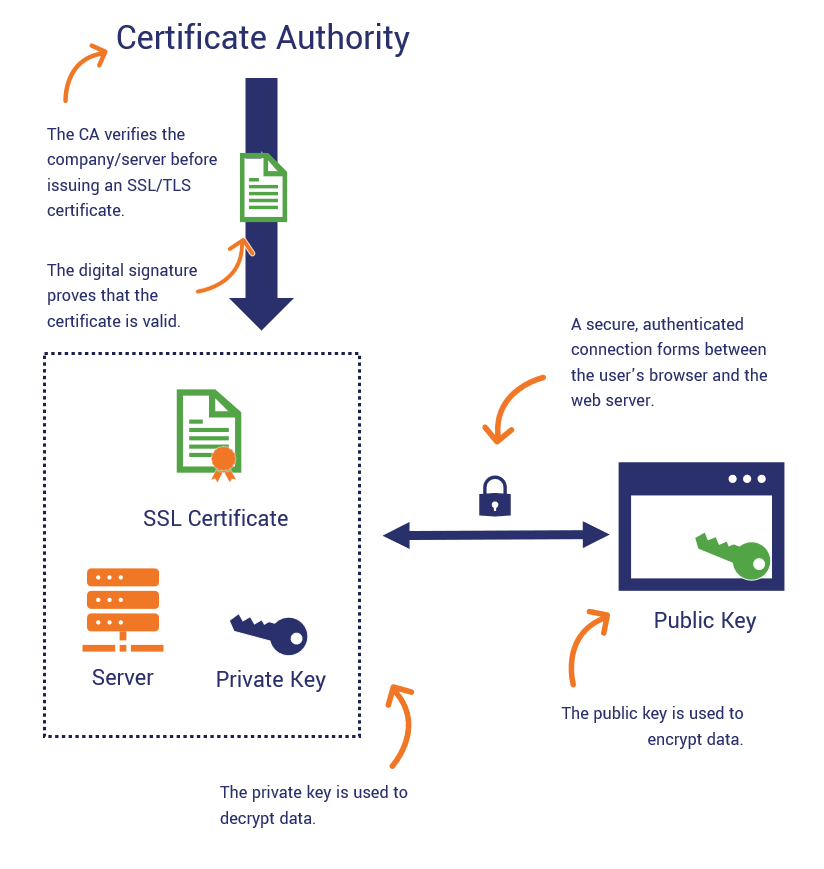
Once identity is confirmed, the CA issues a digital certificate. This file contains the entity’s public key, information about the entity, and the CA’s own digital signature. This signature is crucial; it uses the CA’s private key to “seal” the certificate. Because the CA is widely trusted, web browsers and operating systems can use the CA’s public key to verify that the certificate is authentic and has not been tampered with since its issuance.
Certificate Lifecycle Management and Revocation
A CA’s job does not end once a certificate is issued. They must maintain a database of all issued certificates and their statuses. If a website’s private key is stolen, or if a company goes out of business, the certificate must be invalidated before its official expiration date. CAs handle this through Certificate Revocation Lists (CRLs) or the Online Certificate Status Protocol (OCSP), which allow browsers to check in real-time if a certificate is still trustworthy.
How the CA System Works: Public Key Infrastructure (PKI)
To understand how a Certification Authority operates, one must understand the framework it exists within: Public Key Infrastructure (PKI). PKI is a set of roles, policies, hardware, software, and procedures needed to create, manage, distribute, use, store, and revoke digital certificates and manage public-key encryption.
The Role of Asymmetric Encryption
At the technical core of the CA system is asymmetric encryption, which involves a pair of keys: a public key and a private key. Data encrypted with the public key can only be decrypted by the corresponding private key, and vice versa. The Certification Authority links a specific public key to a specific identity (like a website or a person), ensuring that when you encrypt data for “Example.com,” only the true owners of Example.com can read it.
The Chain of Trust: Root vs. Intermediate CAs
The CA hierarchy is built on a “Chain of Trust.” At the very top is the Root CA. Root certificates are incredibly valuable and are kept in “offline” highly secure vaults because if a Root CA is compromised, the entire security of the internet is at risk.
To mitigate this risk, Root CAs do not issue certificates directly to end-users. Instead, they issue certificates to “Intermediate CAs.” These intermediates act as proxies, issuing certificates to the public. When your browser validates a website, it follows this chain: it checks the website’s certificate, then the Intermediate CA’s certificate, and finally the Root CA certificate. If the Root CA is pre-installed in your browser’s “Trusted Root Store,” the connection is deemed secure.
The SSL/TLS Handshake Process
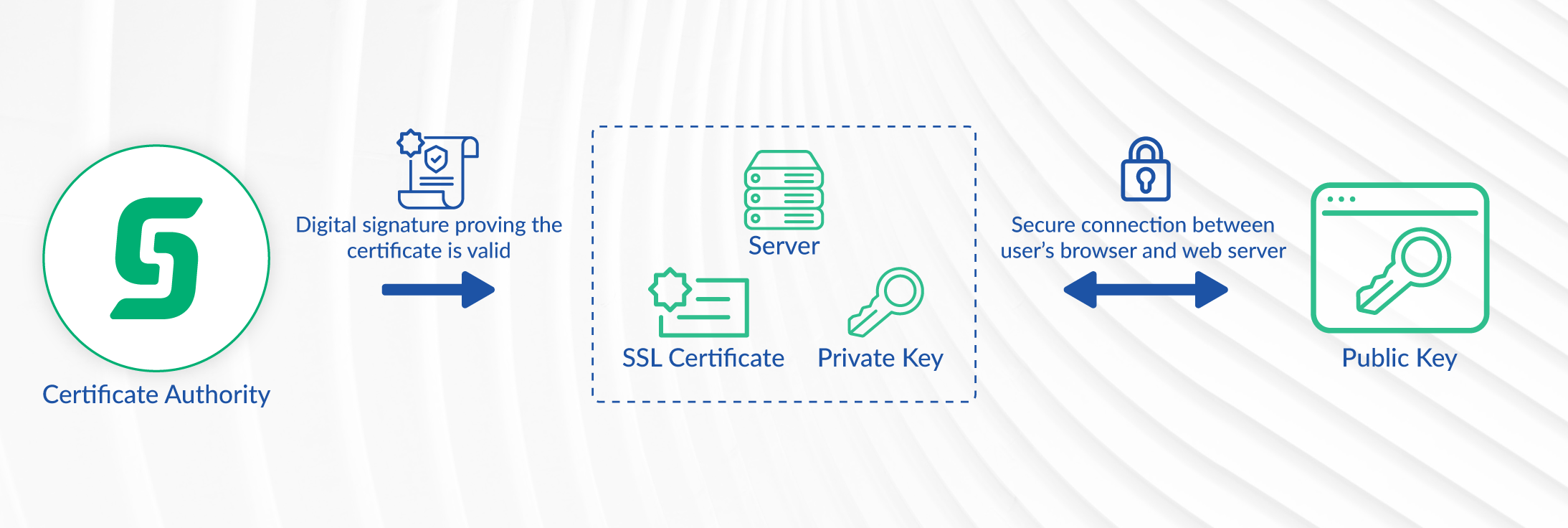
The practical application of a CA’s work is seen in the SSL/TLS handshake. When you visit a website (HTTPS), the server sends its digital certificate to your browser. Your browser checks the signature against its list of trusted Certification Authorities. If the signature is valid and the CA is trusted, the browser generates a symmetric session key, encrypts it with the server’s public key (found in the certificate), and sends it back. This establishes the encrypted tunnel through which your data flows.
Different Types of Digital Certificates Issued by CAs
Not all digital certificates are created equal. Depending on the level of security and the specific use case, a Certification Authority will offer different types of validation.
Domain Validation (DV) Certificates
This is the most basic form of certificate. The CA only verifies that the applicant has control over a specific domain name. This is usually done via an automated email or a DNS record check. DV certificates are popular because they are inexpensive and can be issued in minutes. They provide encryption but offer minimal assurance regarding the actual identity of the organization behind the website.
Organization Validation (OV) Certificates
OV certificates require a higher level of scrutiny. The CA manually verifies the organization’s identity, including its legal name and physical location. This provides a higher degree of trust for users, as they can inspect the certificate details to confirm the site belongs to a legitimate registered business. These are commonly used by mid-sized businesses and educational institutions.
Extended Validation (EV) Certificates
EV certificates represent the “gold standard” of digital trust. The validation process is rigorous and follows strict guidelines established by the CA/Browser Forum. The CA performs a deep dive into the legal, physical, and operational existence of the entity. While browsers no longer show the famous “green bar,” EV certificates are still used by major financial institutions and global brands to provide the highest level of identity assurance.
Specialized Certificates: Code Signing and S/MIME
Beyond websites, CAs issue certificates for other tech applications. Code Signing certificates allow software developers to digitally sign their applications, proving to the user’s operating system that the software hasn’t been altered by malware since it was signed. S/MIME certificates are used for email security, allowing users to sign and encrypt their communications, ensuring that “spoofing” is nearly impossible.
Why Certification Authorities are Essential for Digital Security
The digital economy cannot exist without a reliable method to verify identity. The CA system provides the structural integrity needed to prevent various forms of cybercrime and technical failures.
Mitigating Man-in-the-Middle (MITM) Attacks
In a MITM attack, a hacker intercepts the communication between a user and a server. Without a CA, the hacker could present their own public key to the user, claiming to be the bank. The user would encrypt their password using the hacker’s key, and the hacker would steal the credentials. Because the hacker cannot produce a certificate signed by a trusted Certification Authority for the bank’s domain, the browser will flag the connection as untrusted, stopping the attack in its tracks.
Boosting User Confidence and SEO
From a technology and growth perspective, HTTPS is no longer optional. Google and other search engines prioritize secure websites in their rankings. Furthermore, modern browsers like Chrome and Firefox now flag non-HTTPS sites as “Not Secure.” By obtaining a certificate from a reputable CA, a technology platform ensures it maintains its visibility and avoids scaring off potential users with security warnings.
Compliance and Regulatory Standards
In many industries, using a CA-issued certificate is a legal requirement. For example, the Payment Card Industry Data Security Standard (PCI DSS) requires the use of strong encryption and valid certificates for any site handling credit card data. Similarly, healthcare regulations like HIPAA in the US or GDPR in Europe often necessitate the use of PKI and CA-backed encryption to protect sensitive personal data.
Selecting and Managing a Certification Authority
Choosing a CA is a strategic technical decision. Not all CAs provide the same level of service, and the management of these certificates can become a significant overhead for IT departments.
Factors to Consider: Ubiquity and Support
The most important factor is “ubiquity”—is the CA’s root certificate recognized by all major browsers, operating systems, and mobile devices? If you use a CA that isn’t recognized by older versions of Android or specific smart TVs, those users will receive security errors. Additionally, enterprise-level support is crucial for businesses that need to issue certificates at scale or require immediate assistance if a certificate needs to be revoked.
The Rise of Automation and the ACME Protocol
The tech industry is moving away from manual certificate management. In the past, renewing a certificate was a manual process that, if forgotten, could take an entire website offline. Today, many CAs support the Automated Certificate Management Environment (ACME) protocol. This allows servers to automatically request, verify, and install certificates without human intervention. Tools like Certbot have revolutionized this space, making digital security more accessible and less prone to human error.
Conclusion: The Future of Trust in a Decentralized World
As we look toward the future of technology—including the growth of the Internet of Things (IoT) and the exploration of decentralized identities—the role of the Certification Authority remains pivotal. While some argue that blockchain technology could eventually replace centralized CAs, the current reality is that CAs provide a proven, scalable, and legally recognized framework for trust.
A Certification Authority is much more than a vendor; it is a fundamental pillar of the digital security architecture. By verifying identities and securing the exchange of keys, CAs enable the privacy and authenticity that we take for granted every day. For tech professionals and businesses alike, a deep understanding of CAs is the first step in building a secure, resilient, and trustworthy digital presence.
aViewFromTheCave is a participant in the Amazon Services LLC Associates Program, an affiliate advertising program designed to provide a means for sites to earn advertising fees by advertising and linking to Amazon.com. Amazon, the Amazon logo, AmazonSupply, and the AmazonSupply logo are trademarks of Amazon.com, Inc. or its affiliates. As an Amazon Associate we earn affiliate commissions from qualifying purchases.