
At the heart of every modern economy, quietly but profoundly orchestrating its financial pulse, lies an institution often shrouded in a veil of complexity: the central bank. Far from being a mere commercial lending institution, a central bank is a pivotal public financial body endowed with the authority to regulate the nation’s money supply, credit, and financial system. It is the architect of monetary policy, the guardian of financial stability, and often the ultimate guarantor of economic health. Understanding “what is the central bank” is not just an academic exercise; it’s key to comprehending the forces that shape interest rates, inflation, employment, and ultimately, our personal financial well-being.
Defining the Core Purpose and Structure
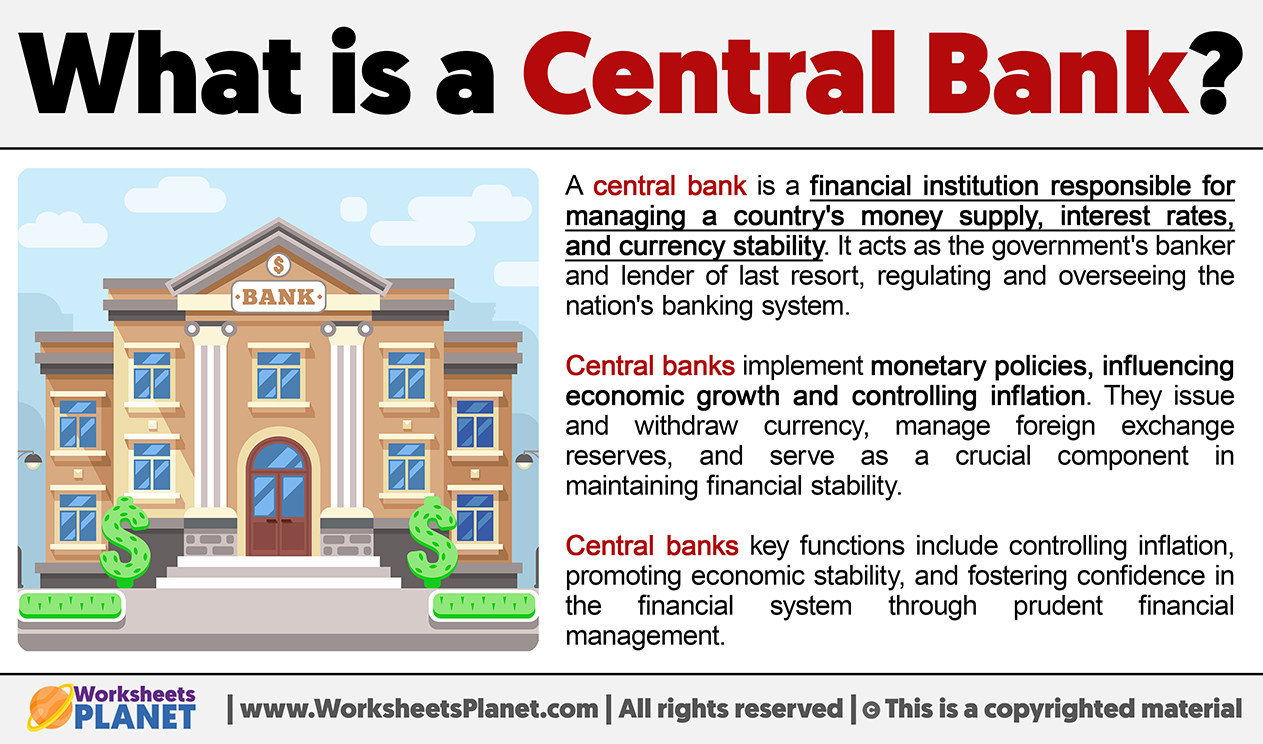
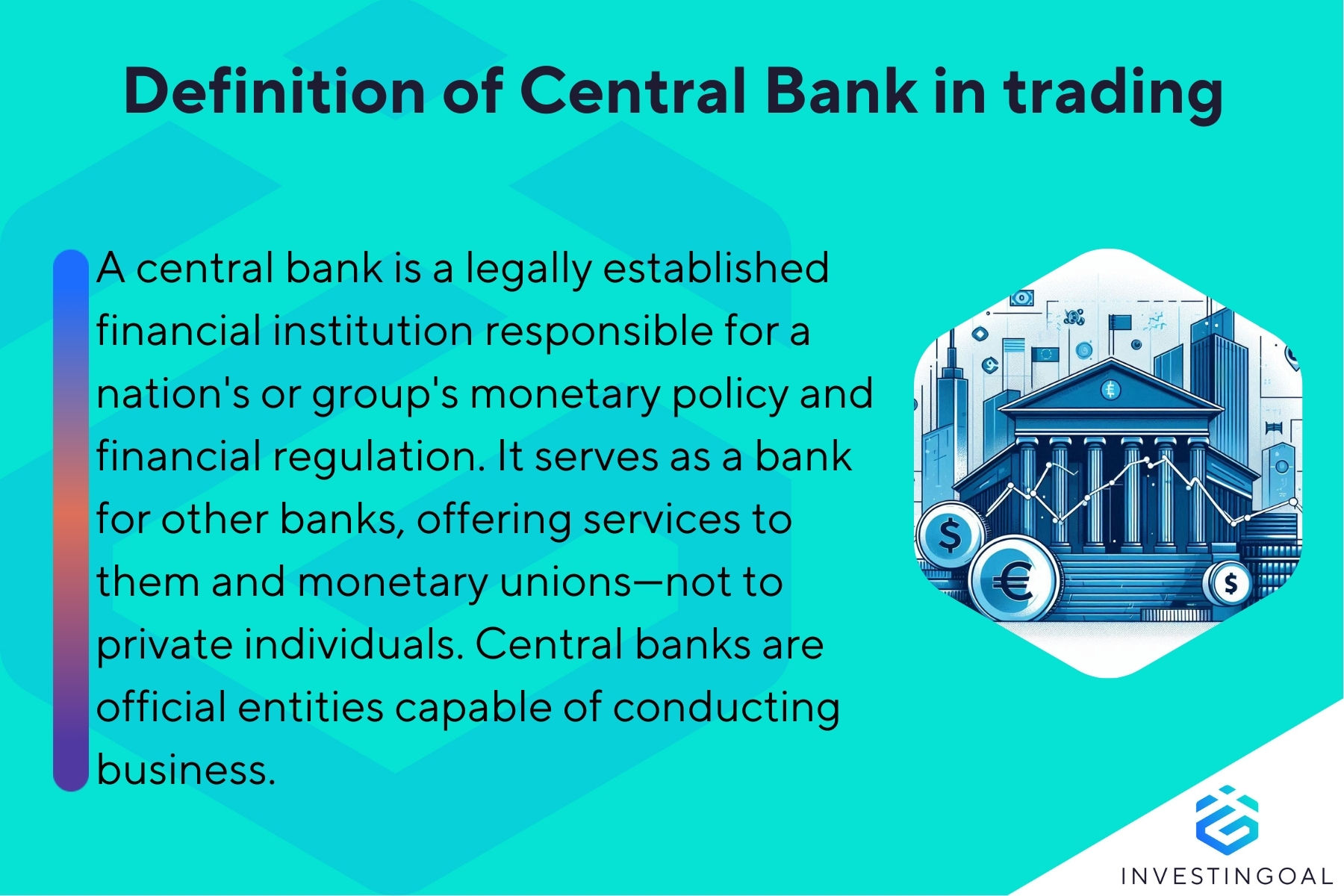
To truly grasp the essence of a central bank, one must first recognize its unique position and fundamental objectives within a nation’s economic framework. It stands apart from commercial banks, operating with a broader, public-oriented mandate rather than profit generation.
More Than Just a Bank
Unlike the retail banks where individuals and businesses deposit their savings and secure loans, a central bank doesn’t serve the general public directly. Instead, its clients are typically the government and commercial banks. Its primary function is to serve the entire economy by maintaining macroeconomic stability. This involves controlling the amount of money circulating in the economy, influencing the cost of borrowing, and ensuring the smooth functioning of financial markets. Its role is often likened to the conductor of an orchestra, ensuring all instruments (commercial banks, financial markets, government) play in harmony to produce a stable and prosperous economic symphony.
A Brief History of Central Banking
The concept of central banking evolved gradually, primarily in response to financial crises and the need for a stable monetary system. Early prototypes emerged in the 17th and 18th centuries, with institutions like the Bank of England (established 1694) initially serving as a bank to the government and a lender to commercial banks. The 20th century saw a proliferation of central banks, particularly after the Great Depression, as governments recognized the critical need for an independent body to manage monetary policy and prevent systemic financial collapse. Today, nearly every country has a central bank, each tailored to its unique economic structure but sharing core responsibilities.
The Quest for Independence and Transparency
A defining characteristic of an effective central bank is its operational independence from political influence. While typically established by government legislation, true independence allows central bankers to make decisions based on economic data and long-term stability goals, rather than short-term political expediency. This independence is crucial for maintaining credibility and effectively managing inflation and economic cycles. Alongside independence, transparency is vital. Central banks increasingly communicate their objectives, strategies, and decisions to the public, fostering trust and allowing markets to anticipate and react to policy changes, thereby enhancing the effectiveness of their actions.
The Pillars of Central Bank Operations
The multifaceted role of a central bank is underpinned by several critical functions, each vital for the health and stability of the national and international financial landscape. These functions represent the core mechanisms through which a central bank exerts its influence.
Implementing Monetary Policy: The Inflation Target
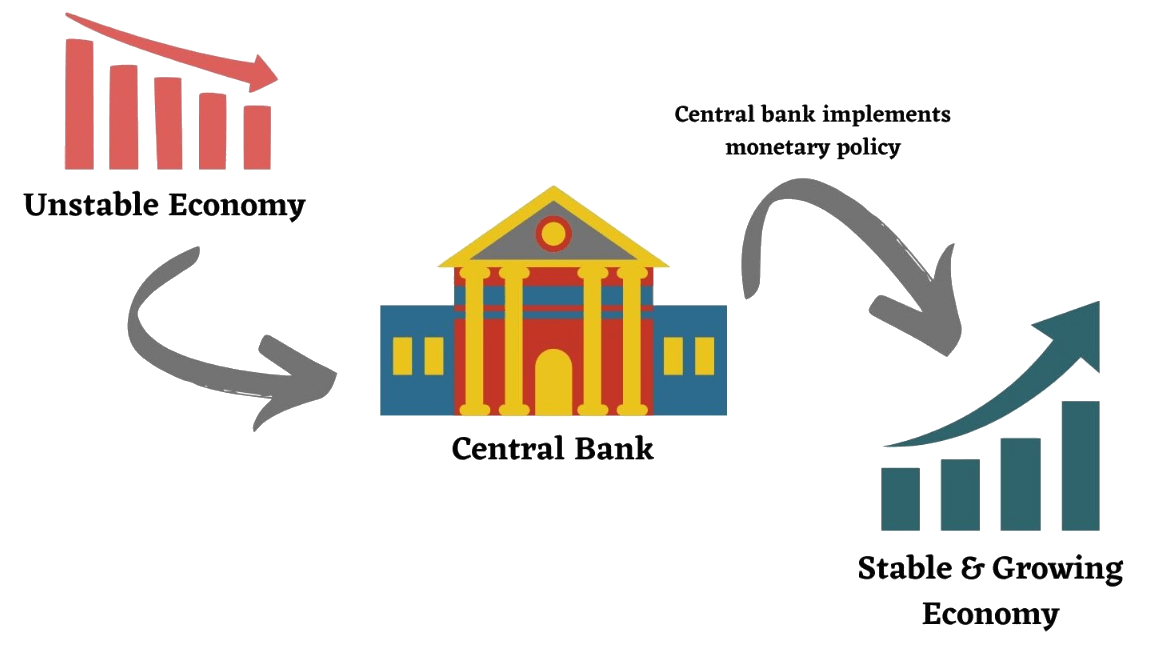
Perhaps the most recognized function of a central bank is the formulation and implementation of monetary policy. This involves managing the supply of money and credit to achieve macroeconomic objectives such as stable prices (controlling inflation), maximizing sustainable employment, and moderating long-term interest rates. Many central banks operate under an inflation-targeting framework, where they publicly commit to keeping inflation within a specific range. By adjusting key policy rates, conducting open market operations, and setting reserve requirements, central banks can either stimulate or cool down economic activity, striving for a delicate balance that fosters growth without triggering runaway inflation.
Safeguarding Financial System Stability
Beyond controlling the money supply, central banks are the ultimate guardians of the financial system’s stability. They aim to prevent financial crises by overseeing and regulating commercial banks and other financial institutions. This involves setting capital requirements, conducting stress tests, and monitoring risks to the banking sector. In times of crisis, the central bank acts as the “lender of last resort,” providing liquidity to solvent banks facing temporary funding shortfalls. This critical backstop prevents isolated bank failures from spiraling into systemic crises that could cripple the entire economy.
The Government’s Banker and Financial Agent
Another key, albeit less visible, role is serving as the bank for the national government. Central banks manage the government’s accounts, process payments, and often facilitate the issuance of government debt (such as treasury bonds). They also provide economic advice to the government and manage the nation’s foreign exchange reserves, which are crucial for international trade and maintaining confidence in the national currency. This financial agency role ensures the government has the necessary financial infrastructure to conduct its fiscal operations smoothly.
The Sole Issuer of National Currency
A fundamental characteristic distinguishing a central bank is its exclusive right to issue the national currency. This monopoly allows it to control the quantity of money in circulation, which is a cornerstone of monetary policy. By managing the supply of banknotes and coins, as well as electronic reserves, the central bank maintains the integrity and value of the currency, which is essential for trade, investment, and everyday transactions. This also includes the crucial role of currency exchange and preventing counterfeiting.
Understanding Monetary Policy Tools
To fulfill its mandates, a central bank employs a sophisticated toolkit of policy instruments. These tools allow it to influence the cost and availability of money in the economy, thereby guiding economic activity.
The Benchmark Interest Rate
The most prominent tool is the benchmark interest rate (e.g., the federal funds rate in the US, the main refinancing operations rate in the Eurozone). This is the rate at which commercial banks can borrow or lend excess reserves to each other overnight, or the rate at which they can borrow from the central bank. By raising this rate, the central bank makes borrowing more expensive for commercial banks, which in turn leads to higher interest rates for consumers and businesses, thereby slowing down economic activity and curbing inflation. Conversely, lowering the rate encourages borrowing and spending, stimulating the economy.
Open Market Operations (OMOs)
Open Market Operations involve the buying and selling of government securities (like bonds) in the open market. When a central bank wants to increase the money supply, it buys securities from commercial banks, injecting cash into the banking system. This increases banks’ reserves, enabling them to lend more and lowering interest rates. To decrease the money supply, it sells securities, withdrawing cash from the system, which reduces bank reserves and pushes interest rates up. OMOs are a highly flexible and frequently used tool for fine-tuning liquidity.
Reserve Requirements for Commercial Banks
Central banks mandate that commercial banks hold a certain percentage of their deposits as reserves, either in their vaults or at the central bank. By adjusting these reserve requirements, the central bank can influence the amount of money banks have available to lend. Raising reserve requirements reduces the money available for lending, tightening credit conditions, while lowering them frees up more funds, expanding credit. While powerful, this tool is used less frequently today due to its broad and often disruptive impact on the banking system.
Lender of Last Resort Facilities
This isn’t a tool to directly influence the economy in normal times, but a critical function for financial stability. When commercial banks face temporary liquidity shortages and cannot borrow from other sources, the central bank steps in as the “lender of last resort.” It provides short-term loans, typically against collateral, at a penalty rate. This prevents solvent banks from failing due to a temporary lack of funds, thereby averting contagion and maintaining confidence in the financial system.
Unconventional Policies: Quantitative Easing and Tightening
In extraordinary economic circumstances, particularly when conventional interest rate tools hit their lower bound (e.g., near zero during a recession), central banks may resort to unconventional policies. Quantitative Easing (QE) involves large-scale asset purchases (often long-term government bonds or mortgage-backed securities) to inject massive amounts of liquidity into the financial system, lower long-term interest rates, and encourage investment. Conversely, Quantitative Tightening (QT) involves reducing the central bank’s balance sheet by letting these assets mature without reinvesting or actively selling them, thereby withdrawing liquidity from the system.
The Central Bank’s Influence on Your Financial World
While central banks operate at a macroeconomic level, their decisions ripple through the economy, directly and indirectly affecting individuals, businesses, and investors in tangible ways. Understanding this impact demystifies much of economic news and personal financial planning.
Impact on Borrowing and Lending Costs
The central bank’s policy rate serves as a benchmark for myriad other interest rates in the economy. When the central bank raises its rate, commercial banks typically follow suit, increasing the cost of mortgages, car loans, credit card debt, and business loans. This makes borrowing more expensive, which can cool down consumer spending and business investment. Conversely, when rates are lowered, borrowing becomes cheaper, encouraging consumers to take out loans for homes or cars, and businesses to invest, thereby stimulating economic activity. This direct link makes central bank decisions highly relevant to personal budgeting and financial strategy.
Shaping Inflation and Purchasing Power
One of the central bank’s primary mandates is price stability, which means keeping inflation in check. High inflation erodes the purchasing power of money, meaning your savings buy less tomorrow than they do today. By carefully managing the money supply and interest rates, central banks aim to keep inflation at a low, stable, and predictable level (e.g., around 2%). When successful, this preserves the value of your earnings and savings, giving you confidence in future financial planning and investment decisions. Failure to control inflation can have devastating effects on living standards and economic confidence.
Driving Economic Growth and Employment
Monetary policy plays a critical role in influencing the broader economic cycle. During downturns, central banks can lower interest rates to encourage borrowing, investment, and spending, which helps stimulate demand, create jobs, and foster economic growth. During periods of excessive growth and potential overheating, they can raise rates to prevent inflation from spiraling out of control. While central banks cannot directly create jobs, their actions create the stable economic environment necessary for businesses to thrive, invest, and expand their workforces.
Ensuring Stability in Times of Crisis
Perhaps the most profound impact of a central bank is its role during financial crises. As the lender of last resort and the overseer of the financial system, it acts as a crucial safety net. By providing liquidity to struggling banks, ensuring the payment system continues to function, and restoring confidence in financial markets, central banks can prevent localized problems from escalating into widespread economic collapse. The swift actions of central banks during the 2008 financial crisis and the COVID-19 pandemic serve as powerful examples of their critical role in safeguarding economic stability and mitigating devastating impacts on everyday lives and financial assets.
Navigating Modern Challenges and the Road Ahead
The world of central banking is dynamic, constantly evolving to meet new economic realities and technological advancements. Today’s central banks face an array of complex challenges that demand innovative thinking and adaptability.
Global Interdependencies and Coordination
In an increasingly interconnected global economy, the actions of one central bank can have significant repercussions across borders. Exchange rates, capital flows, and international trade are all influenced by monetary policy decisions made in major economic blocs. This necessitates a degree of international coordination and communication among central banks, though full harmonization remains elusive due to differing national economic conditions and mandates. Understanding global financial flows and risks is paramount for effective domestic monetary policy.
The Digital Currency Revolution and Its Implications
The rise of digital currencies, both private cryptocurrencies and the potential for Central Bank Digital Currencies (CBDCs), presents a significant challenge and opportunity for central banks. Cryptocurrencies like Bitcoin operate outside traditional central bank control, raising questions about monetary sovereignty, financial stability, and consumer protection. CBDCs, on the other hand, could offer new tools for monetary policy transmission, financial inclusion, and more efficient payment systems, but they also introduce complex issues related to privacy, cybersecurity, and the structure of the commercial banking sector. Central banks worldwide are actively researching and piloting CBDCs, recognizing their potential to fundamentally alter the financial landscape.
Balancing Multiple Mandates in a Volatile World
Modern central banks often juggle multiple, sometimes conflicting, mandates—price stability, full employment, financial stability, and sometimes even supporting sustainable growth or climate initiatives. In a world characterized by supply chain disruptions, geopolitical tensions, rapid technological change, and growing inequality, achieving these objectives simultaneously becomes exceptionally challenging. Central banks must continually refine their analytical frameworks and policy tools to navigate these complexities, striking a delicate balance to foster long-term economic prosperity while remaining adaptable to unforeseen shocks.
In conclusion, the central bank is a cornerstone of the modern financial system. From setting interest rates that influence your mortgage payments to safeguarding the stability of the entire banking sector and navigating the future of digital money, its impact is pervasive. While its operations may seem abstract, a deeper understanding of “what is the central bank” reveals an indispensable institution working diligently to maintain the economic health and financial stability that underpin our daily lives and future prosperity.
aViewFromTheCave is a participant in the Amazon Services LLC Associates Program, an affiliate advertising program designed to provide a means for sites to earn advertising fees by advertising and linking to Amazon.com. Amazon, the Amazon logo, AmazonSupply, and the AmazonSupply logo are trademarks of Amazon.com, Inc. or its affiliates. As an Amazon Associate we earn affiliate commissions from qualifying purchases.