
Swelling of the feet, medically known as peripheral edema, is a common ailment that can range from a benign temporary discomfort to a symptom indicative of serious underlying health conditions. For centuries, understanding its myriad causes relied heavily on clinical observation, physical examination, and traditional diagnostic tests. However, in the 21st century, the landscape of healthcare is being dramatically reshaped by technological advancements. Today, the question “What is the cause of swelling of feet?” is increasingly answered not just by medical expertise, but by an intricate web of smart devices, artificial intelligence, digital health platforms, and advanced imaging technologies. These innovations are not only enhancing our diagnostic capabilities but also empowering individuals with tools for proactive monitoring and personalized health management.

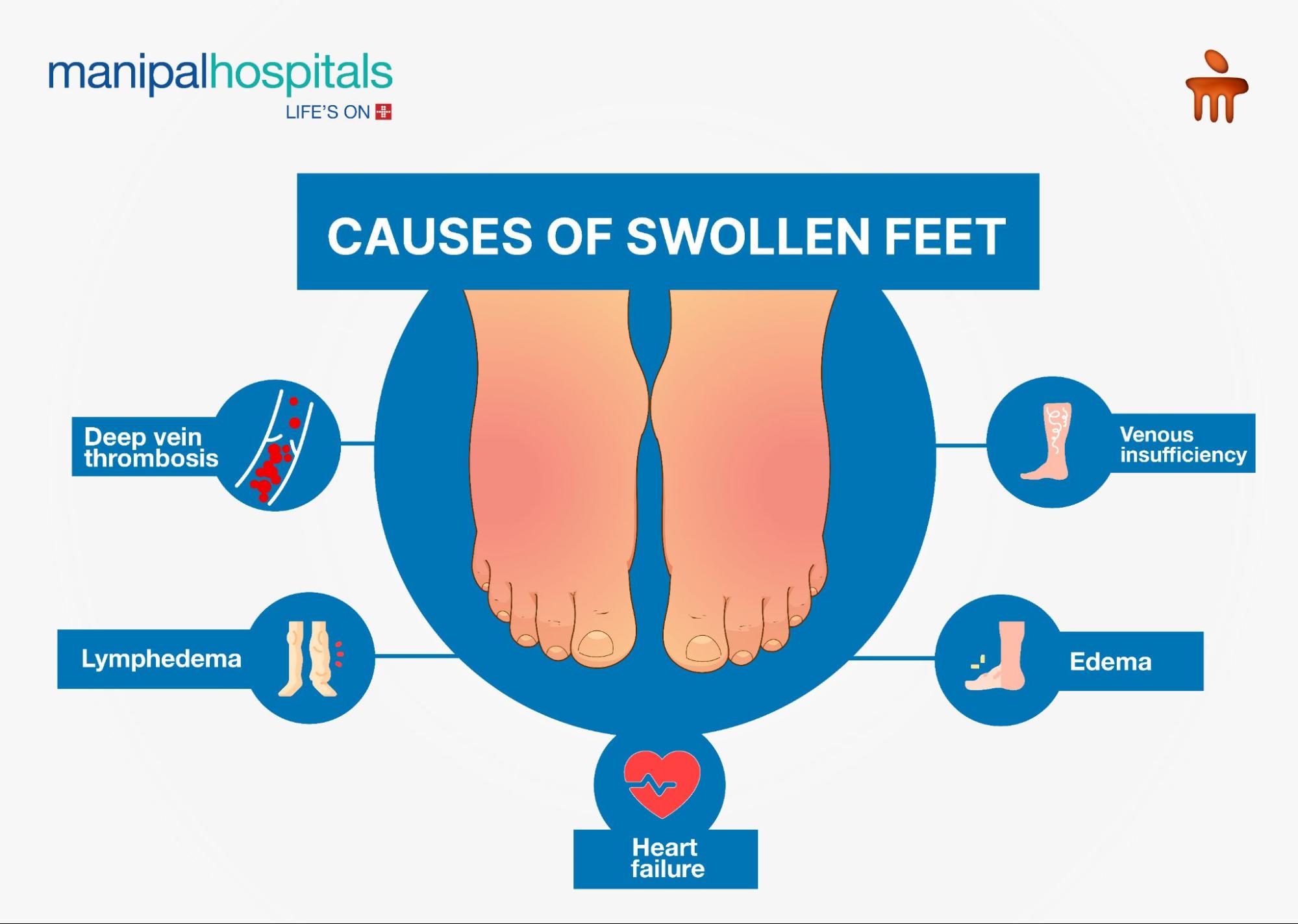
The journey to pinpoint the cause of foot swelling—be it due to prolonged standing, medication side effects, injury, or more critical issues like heart, kidney, or liver disease, deep vein thrombosis, or lymphatic dysfunction—is becoming more precise and accessible through technology. This article delves into how technology is transforming our approach to understanding, monitoring, and ultimately addressing the root causes of pedal edema, moving beyond conventional methods to embrace a future of data-driven health insights and proactive care.
Leveraging Wearable Technology for Early Detection and Monitoring
Wearable technology has moved beyond mere fitness tracking to become a sophisticated health surveillance tool, offering unprecedented insights into the body’s physiological responses, including indicators related to swelling. These devices provide continuous, real-time data that can be instrumental in identifying patterns and potential causes of foot swelling long before more severe symptoms manifest.
Smart Socks and Compression Garments with Embedded Sensors
The advent of smart textiles has introduced a new class of wearables directly relevant to managing and monitoring foot swelling. Smart socks and compression garments are now being developed with embedded sensors that can detect subtle changes in limb circumference, tissue impedance, and even localized temperature. These sensors can track fluid retention levels and alert users or healthcare providers to significant deviations from baseline. For individuals prone to lymphedema or chronic venous insufficiency, these smart garments offer a non-invasive way to monitor their condition, potentially preventing acute episodes or guiding timely intervention. By providing objective data on swelling progression or reduction, they enable more precise adjustments to treatment plans and lifestyle recommendations.
Activity Trackers and Health Watches for Baseline Data
Mainstream activity trackers and smartwatches, while not specifically designed for edema detection, play a crucial role by providing comprehensive baseline health data. These devices monitor heart rate, sleep patterns, daily activity levels, and even some offer ECG capabilities. Changes in these parameters can indirectly signal underlying conditions that contribute to foot swelling. For instance, an unexpected drop in activity combined with an increase in resting heart rate might prompt further investigation into cardiovascular health, a common contributor to edema. The accumulation of longitudinal data allows users and their healthcare providers to identify correlations between lifestyle, physiological changes, and the onset of swelling, helping to differentiate between benign causes (e.g., prolonged inactivity) and more concerning systemic issues.
The Role of Continuous Monitoring in Identifying Patterns
One of the most significant advantages of wearable technology is its capacity for continuous monitoring. Unlike episodic clinical visits, wearables collect data 24/7, capturing fluctuations that might otherwise go unnoticed. This constant stream of data is invaluable for identifying specific patterns related to foot swelling. Is the swelling worse after certain activities? Does it correlate with dietary intake (e.g., high sodium)? Does it subside overnight? Are there correlations with medication schedules or environmental factors? Continuous monitoring allows for the creation of a comprehensive symptom diary, digitally logging observations that aid clinicians in narrowing down potential causes. This real-world data paints a more accurate picture of an individual’s health trajectory, facilitating more targeted diagnostic testing and personalized care strategies.
AI and Machine Learning in Diagnostic Processes
Artificial Intelligence (AI) and Machine Learning (ML) are rapidly transforming medical diagnostics, offering powerful capabilities to process vast amounts of data, identify subtle patterns, and assist clinicians in making more accurate and timely diagnoses for conditions like foot swelling. Their analytical prowess can uncover insights that might be missed by the human eye alone.
Predictive Analytics for Risk Assessment of Edema
AI-powered predictive analytics tools are emerging as a critical resource for identifying individuals at higher risk of developing foot swelling due to specific health conditions. By analyzing a patient’s electronic health records (EHRs)—including demographics, medical history, existing comorbidities (like diabetes, hypertension, kidney disease), medication lists, and lifestyle factors—ML algorithms can calculate a personalized risk score. These algorithms can identify complex interactions between various health indicators that predispose an individual to edema, even before symptoms appear. For example, a combination of certain medications, age, and a history of vascular issues might flag a patient for proactive monitoring or preventive interventions, potentially averting serious health complications associated with chronic swelling.
Image Recognition for Visual Symptom Analysis
Visual assessment is a fundamental aspect of diagnosing foot swelling. AI-powered image recognition software is now being developed to objectively analyze photographic or video documentation of swollen feet. These systems can accurately measure the degree of swelling, detect changes in skin color, identify skin texture alterations (e.g., pitting edema), and monitor the effectiveness of treatments over time. Patients can upload images via secure apps, allowing AI to track progression and flag concerning developments for their healthcare providers. This technology standardizes visual assessment, reducing subjectivity and providing consistent, quantifiable data that supports diagnostic decision-making and remote patient monitoring, especially crucial for chronic conditions requiring long-term observation.
AI-Powered Platforms for Differential Diagnosis
The causes of foot swelling are diverse, making differential diagnosis a complex process. AI-powered diagnostic platforms can assist clinicians by sifting through vast medical literature, clinical guidelines, and patient data to generate a ranked list of potential diagnoses. When presented with a patient’s symptoms (including foot swelling), medical history, lab results, and imaging reports, these AI systems can cross-reference millions of data points to suggest the most probable causes and recommend further diagnostic steps. This augmentation of human expertise can significantly reduce diagnostic errors, accelerate the diagnostic process, and ensure that even rare or complex conditions contributing to edema are considered, leading to more precise and effective treatment plans.
Digital Health Platforms and Mobile Applications
Digital health platforms and mobile applications have democratized access to health management tools, offering individuals new ways to track symptoms, engage with healthcare providers, and manage their health conditions, including those leading to foot swelling. These tools foster greater patient engagement and self-management capabilities.
Symptom Trackers and Lifestyle Logs
Mobile applications designed as symptom trackers and lifestyle logs empower individuals to meticulously document their experience with foot swelling. Users can record the onset, duration, severity, location, and associated symptoms of swelling. Furthermore, they can log crucial lifestyle factors such as dietary intake (e.g., sodium consumption), fluid intake, physical activity levels, medication adherence, and sleep patterns. Many apps also allow for photo documentation of the swelling over time. This rich, self-reported data provides a comprehensive picture of the condition’s progression and potential triggers, serving as an invaluable resource for both the patient and their healthcare provider during consultations. The ability to identify correlations between lifestyle choices and swelling episodes can lead to more effective self-management strategies and targeted medical interventions.
Telemedicine Consultations for Remote Assessment
Telemedicine has revolutionized healthcare access, particularly for conditions that benefit from remote assessment and follow-up. For individuals experiencing foot swelling, video consultations with healthcare providers allow for initial assessment, review of symptom logs from digital apps, and guidance on next steps without the need for an in-person visit. Patients can visually demonstrate the swelling, discuss their symptoms in detail, and receive advice on at-home management or whether an urgent in-person evaluation is necessary. This is especially beneficial for those with limited mobility, living in rural areas, or managing chronic conditions. Telemedicine not only makes healthcare more convenient but also facilitates timely communication and continuity of care, crucial for effective management of conditions leading to chronic or recurrent edema.
Personalized Management Plans and Reminders
Digital health platforms can generate personalized management plans based on an individual’s specific diagnosis, lifestyle, and preferences. These plans can include recommendations for exercise, dietary modifications, fluid management strategies, and medication schedules. Mobile apps can then provide timely reminders for medication intake, fluid restriction, elevation of feet, or scheduled exercises, helping to improve adherence and consistency. Furthermore, these platforms can integrate with wearable devices to provide real-time feedback on adherence to lifestyle recommendations, such as daily step count or sleep quality, linking these directly to the management of swelling. This personalized, proactive approach empowers individuals to take a more active role in their health, potentially reducing the frequency and severity of swelling episodes and improving overall quality of life.
Innovative Diagnostic Tools and Imaging Technologies
Beyond wearables and AI, specialized diagnostic tools and advanced imaging technologies continue to evolve, offering increasingly precise methods to uncover the underlying anatomical and physiological causes of foot swelling. These innovations provide detailed views into the body’s systems, from micro-circulation to lymphatic pathways.
Advanced Ultrasound and MRI Techniques
Traditional ultrasound and MRI have long been staples in diagnosing the causes of swelling. However, advanced techniques are pushing the boundaries of what these technologies can reveal. High-resolution ultrasound, for example, can now provide incredibly detailed images of superficial veins, detecting subtle signs of venous insufficiency, superficial thrombophlebitis, or even early lymphedema. Doppler ultrasound further assesses blood flow, identifying clots (like DVT) or valvular incompetence more precisely. Similarly, advanced MRI protocols, such as lymphangiography (MR Lymphangiography), are now capable of visualizing the lymphatic system in unprecedented detail, mapping lymphatic flow and identifying blockages or abnormalities that cause lymphedema. These techniques offer non-invasive ways to pinpoint the exact location and nature of the pathology causing swelling, guiding highly targeted treatment.
Non-Invasive Bioimpedance Spectroscopy
Bioimpedance spectroscopy (BIS) is a sophisticated non-invasive technology gaining traction for its ability to measure fluid accumulation and tissue composition, particularly useful in diagnosing and monitoring lymphedema. BIS involves sending a small, harmless electrical current through the limb and measuring the body’s resistance (impedance) to that current. Different tissues and fluid compartments have varying impedance, allowing for a precise quantification of extracellular fluid. This technology can detect subclinical lymphedema—swelling that is not yet visible or palpable—enabling early intervention and preventing progression. Portable BIS devices allow for quick, repeatable measurements, making them ideal for routine screening and monitoring in at-risk populations, such as breast cancer survivors.
The Future of At-Home Diagnostic Devices
The trend towards decentralized healthcare is driving the development of sophisticated diagnostic tools that can be used in the comfort of one’s home. Imagine compact, user-friendly devices that combine aspects of smart sensors, micro-ultrasound, or even miniature blood analyzers to provide instant insights into the causes of swelling. For example, a handheld device might be able to assess venous health or fluid retention with medical-grade accuracy, instantly transmitting data to a healthcare provider. While still in nascent stages, the promise of such devices lies in their potential to empower individuals with immediate diagnostic capabilities, reduce the burden on clinical facilities, and enable rapid response to concerning symptoms, ultimately democratizing access to early and accurate diagnosis of conditions causing foot swelling.
The Interplay of Data, Privacy, and Patient Empowerment
As technology increasingly integrates into health management, the vast amounts of personal health data generated raise critical questions about privacy, security, and how this information can be leveraged to truly empower patients. The responsible use of health technology is paramount to its long-term success and adoption.
Ensuring Data Security in Health Tech
The proliferation of health tech devices and platforms means that sensitive personal health information (PHI) is being collected, stored, and transmitted at an unprecedented scale. Ensuring the robust security of this data is not merely a regulatory requirement but a fundamental ethical imperative. Healthcare providers and tech companies must employ advanced encryption, secure cloud storage, multi-factor authentication, and adhere to stringent privacy regulations (like HIPAA in the US or GDPR in Europe) to protect patient data from breaches and unauthorized access. Regular security audits, penetration testing, and continuous vigilance are essential to maintaining trust. Without unwavering commitment to data security, the immense potential of health technology to diagnose and manage conditions like foot swelling could be undermined by privacy concerns and a reluctance from individuals to share their intimate health data.
Empowering Patients Through Data Access
Beyond security, the ethical use of health data also revolves around empowering patients with access to their own information. Technology enables patients to become active participants in their health journey by providing them with intuitive dashboards and reports derived from their wearable data, symptom logs, and diagnostic results. When individuals can clearly see how their lifestyle choices, medication adherence, or treatment protocols impact their swelling and overall health, they are better equipped to make informed decisions and adhere to personalized management plans. This transparency fosters a sense of ownership and control, transforming patients from passive recipients of care into proactive managers of their well-being. Easy-to-understand visualizations and educational resources embedded within health apps can further enhance this empowerment, demystifying complex medical information.

Collaborative Care Models Driven by Technology
Technology facilitates a shift towards more collaborative and integrated care models, where various healthcare professionals work together, leveraging shared data, to provide comprehensive management for complex conditions like chronic foot swelling. Digital platforms allow seamless information exchange between primary care physicians, specialists (e.g., cardiologists, nephrologists, vascular surgeons, lymphedema therapists), and even caregivers. Wearable data and patient-reported outcomes can be centralized, providing all members of the care team with a holistic and up-to-date view of the patient’s condition. This collaborative approach minimizes communication gaps, avoids redundant testing, and ensures a coordinated care strategy, leading to more effective diagnosis and management of the underlying causes of foot swelling, ultimately improving patient outcomes and quality of life. The future of healthcare is undeniably collaborative, and technology is the engine driving this integration.
aViewFromTheCave is a participant in the Amazon Services LLC Associates Program, an affiliate advertising program designed to provide a means for sites to earn advertising fees by advertising and linking to Amazon.com. Amazon, the Amazon logo, AmazonSupply, and the AmazonSupply logo are trademarks of Amazon.com, Inc. or its affiliates. As an Amazon Associate we earn affiliate commissions from qualifying purchases.