
The phrase “carte blanche,” French for “blank card” or “blank check,” carries a profound weight, particularly within the dynamic realm of branding. It signifies the granting of complete freedom to act as one wishes, an unbridled authority or discretionary power without limitation. In essence, it’s an invitation to operate without constraint, to innovate without a predefined roadmap, and to shape a vision from a truly blank slate. For brands, both established and emerging, and for the agencies and individuals tasked with defining them, the concept of carte blanche is both a thrilling opportunity and a formidable responsibility. This article delves into the multifaceted meaning of carte blanche within the context of brand strategy, exploring its implications for creativity, corporate identity, and the very essence of market presence.
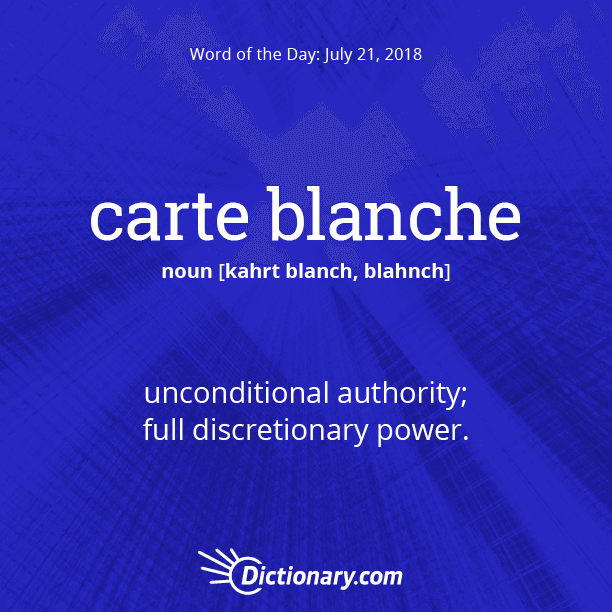
The Essence of Carte Blanche in Brand Strategy
At its core, carte blanche in branding is about absolute trust and a deliberate relinquishing of conventional controls. It’s a client entrusting an agency with their brand’s future, a creative director empowering a design team to redefine an identity, or an entrepreneur embarking on a personal branding journey with no prior template.
Defining Unfettered Authority and Trust
To grant carte blanche is to declare immense confidence in the recipient’s judgment, expertise, and vision. In a branding context, this means giving a branding agency, an internal creative department, or even an individual entrepreneur the full scope to conceive, develop, and execute a brand strategy without micro-management or predetermined stylistic boundaries. It’s the ultimate green light for innovation, allowing creators to explore ideas that might otherwise be stifled by overly rigid briefs or committees. This level of freedom is rare, coveted, and often indicative of a client-agency relationship built on deep respect and a shared understanding of ambitious goals. It suggests a belief that the best outcomes arise from unburdened creativity, rather than from adhering strictly to a set of preconceived notions.
The Historical Context and Modern Brand Application
Historically, carte blanche was often associated with diplomatic or military power, where an envoy or commander was given full authority to make decisions on behalf of their sovereign without needing prior approval. This sense of decisive, independent action translates powerfully into the modern branding landscape. In a world saturated with brands, where differentiation is paramount, the ability to break free from convention and forge a truly unique identity becomes a significant competitive advantage.
Today, applying carte blanche in branding means:
-
Creative License: Giving designers, copywriters, and strategists the freedom to experiment with new visual languages, messaging tones, and brand narratives without being confined by past iterations or direct competitors.
-
Strategic Autonomy: Allowing brand consultants to recommend and implement strategies that might deviate significantly from a client’s initial thoughts, based on their expertise and market insights.
-
Identity Reimagination: For a company undergoing a significant transformation or pivot, granting carte blanche might mean a complete overhaul of their corporate identity, from logo and color palette to brand voice and market positioning, without historical baggage dictating the new direction.
This freedom can be a catalyst for groundbreaking work, pushing the boundaries of what a brand can be and how it can connect with its audience.
When Brands Grant Carte Blanche: Risks and Rewards
While the allure of unbridled creativity is strong, the decision to grant carte blanche in branding is not without its complexities. It’s a high-stakes move that can lead to extraordinary success or significant missteps.
Empowering Creativity and Innovation
The primary reward of granting carte blanche is the potential for truly innovative and disruptive branding. When creative teams are unburdened by excessive constraints, they are free to:
-
Challenge Assumptions: They can question industry norms, audience perceptions, and even the brand’s self-image, leading to fresh insights.
-
Explore Unconventional Paths: Without a strict mandate, they can venture into experimental design, unexpected messaging, and novel brand experiences that resonate deeply.
-
Cultivate Ownership: Teams empowered with such freedom often develop a deeper sense of ownership and passion for the project, driving higher quality and more thoughtful execution.
Such an environment can foster the birth of iconic brands or lead to the revitalization of struggling ones, creating a powerful, memorable presence that stands out in a crowded market.
Potential Pitfalls: Brand Drift and Loss of Control
However, the lack of defined boundaries also introduces significant risks:
-
Brand Drift: Without clear strategic alignment or periodic check-ins, an agency or team might inadvertently steer the brand in a direction that deviates from the client’s core values, business objectives, or target audience’s expectations.
-
Subjectivity Over Strategy: Unchecked creative freedom can sometimes prioritize artistic expression over strategic effectiveness, leading to a brand identity that is aesthetically pleasing but fails to achieve business goals.
-
Client Disconnect: If the client is not adequately involved in key decision points (even with carte blanche, communication is vital), the final outcome might be a jarring surprise that doesn’t align with their ultimate vision or comfort level.
-
Resource Mismanagement: An open-ended brief, if not managed carefully by the agency, could lead to scope creep, budget overruns, or inefficient use of resources, as options are explored without a clear finish line.
Establishing Guardrails within Freedom
To mitigate these risks, even when granting extensive freedom, it’s crucial to establish “guardrails of trust.” This doesn’t mean imposing rigid creative rules, but rather:
-
Clear Business Objectives: Defining the overarching business goals the branding initiative aims to achieve (e.g., increase market share, attract a new demographic, improve brand perception).
-
Defined Core Values: Articulating the brand’s immutable core values and ethos, which serve as foundational principles that any creative direction must respect.
-
Phased Review Points: Agreeing on specific milestones for strategic reviews, where the client can offer feedback and ensure alignment without dictating specific creative choices.
-
Budget and Timeline: Clearly setting financial and temporal boundaries, which naturally provide a framework for creative exploration.
These guardrails ensure that the expansive freedom of carte blanche remains purposeful, steering creativity towards strategic outcomes rather than allowing it to wander aimlessly.
Receiving Carte Blanche: A Brand Agency’s Dream and Challenge
For a brand agency or creative professional, being granted carte blanche is often seen as the ultimate vote of confidence and a career-defining opportunity. Yet, it also brings unique challenges.
The Weight of Unbounded Opportunity
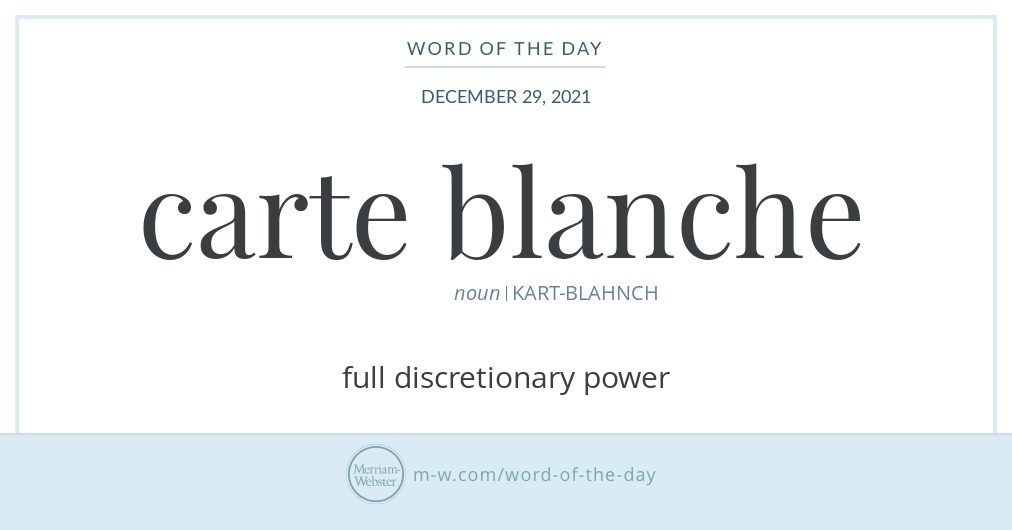
The excitement of boundless creative opportunity is immense. It allows an agency to:
-
Push Creative Boundaries: Experiment with unconventional ideas and approaches that might be rejected under stricter briefs.
-
Demonstrate Full Capabilities: Showcase the depth of their strategic thinking, design prowess, and innovative problem-solving.
-
Build a Portfolio Piece: Create work that truly reflects their best capabilities, free from compromise, which can become a cornerstone of their portfolio.
This level of trust empowers the agency to truly partner with the client, not just execute instructions, fostering a more collaborative and rewarding relationship.
Crafting Vision from a Blank Slate
The challenge, however, lies in the sheer magnitude of a blank slate. Without explicit directions, the agency must undertake a more profound and exhaustive discovery process. This includes:
-
Deep Immersion: Thoroughly understanding the client’s business, industry, target audience, competitive landscape, and long-term aspirations.
-
Strategic Interpretation: Translating high-level business goals into tangible branding objectives and creative briefs.
-
Concept Generation: Developing a diverse range of concepts, often more experimental than usual, to fully explore the possibilities.
The responsibility of defining the initial vision entirely falls on the agency, requiring a strong internal strategic framework and a clear methodology for navigating such broad freedom.
Communicating and Justifying Bold Decisions
When presenting work born from carte blanche, the agency’s communication strategy is paramount. It’s not enough to present a brilliant creative concept; they must also:
-
Articulate the “Why”: Clearly explain the strategic rationale behind every creative choice, linking it back to the client’s business objectives and core values.
-
Educate the Client: Guide the client through the journey of creative exploration, explaining the options considered and why a particular direction was chosen.
-
Manage Expectations: Prepare the client for potentially radical departures from their existing brand or industry norms, emphasizing the innovative aspects.
The ability to justify bold, untrammeled creativity with sound strategic thinking is critical to securing client buy-in and validating the trust placed in them.
Carte Blanche for Personal Brands and Corporate Identity
The concept of carte blanche extends beyond client-agency relationships, playing a crucial role in the evolution of personal brands and the wholesale reinvention of corporate identities.
Building an Authentic Persona Without Constraints
For individuals, especially entrepreneurs, thought leaders, or creatives, building a personal brand with carte blanche means crafting an identity that is authentically their own, free from the expectations of traditional career paths or industry norms. This allows for:
-
Genuine Expression: Developing a brand voice, visual identity, and online presence that truly reflects their personality, values, and unique expertise.
-
Niche Creation: Forging a unique niche or thought leadership position that might not fit into existing categories.
-
Unconventional Storytelling: Presenting their journey and expertise in a compelling, non-traditional narrative that resonates deeply with their desired audience.
The freedom from external constraints enables the creation of a powerful, magnetic personal brand that stands out precisely because of its authenticity and individuality.
Redefining Corporate Identity with a Clean Slate
For corporations, particularly those undergoing mergers, acquisitions, or significant strategic pivots, carte blanche can signify a complete brand reset. This is often necessary when:
-
Outdated Perceptions: The existing brand identity no longer accurately reflects the company’s current mission, values, or target market.
-
Market Disruption: The company needs to signal a radical shift to adapt to new market realities or competitive pressures.
-
Consolidation: Merging multiple entities under a single, unified, and entirely new identity.
In these scenarios, the clean slate allows for a forward-looking identity that is unencumbered by past associations, enabling the company to project a new image and narrative that aligns with its future ambitions.
The Role of Trust in High-Stakes Branding Projects
Whether it’s a personal brand or a corporate giant, the decision to embark on a branding journey with carte blanche fundamentally hinges on trust. For individuals, it’s self-trust and the courage to define their own path. For companies, it’s trusting internal teams or external partners with their very public face and market reputation. This high-stakes environment demands not just creative genius but also robust strategic planning, clear communication, and a shared vision for what the future brand should embody.
Best Practices for Leveraging Carte Blanche in Brand Development
Successfully navigating carte blanche requires more than just creative talent; it demands strategic discipline and thoughtful collaboration.
Strategic Vision Over Unchecked Whimsy
While freedom is key, it must always be anchored by a clear strategic vision. The purpose of carte blanche is not to indulge in creative whims but to achieve superior brand outcomes. This means:
-
Defining the Core Problem: Even with a blank slate, understanding the fundamental business problem the brand is trying to solve is paramount.
-
Target Audience Deep Dive: Ensuring that even the most innovative concepts are designed to resonate with and serve the intended audience.
-
Competitive Differentiation: Utilizing the freedom to carve out a truly unique position in the market.
Every creative decision, no matter how avant-garde, should ultimately serve a strategic objective.
Collaborative Freedom: Involving Stakeholders Wisely
Carte blanche doesn’t mean working in a vacuum. While direct interference should be avoided, strategic input from key stakeholders is invaluable. This involves:
-
Early Alignment: Conducting thorough discovery workshops at the outset to capture all perspectives and secure initial buy-in on high-level goals.
-
Strategic Check-ins: Scheduling periodic reviews to present strategic directions and obtain feedback on the overall approach, rather than specific creative elements.
-
Education and Explanation: Actively educating stakeholders about the branding process and the rationale behind innovative choices to build confidence and understanding.
The goal is to foster a sense of shared ownership and excitement, even when the creative execution is given significant autonomy.

Measuring Impact and Iterating with Authority
Once a brand developed under carte blanche is launched, the work is not over. The authority granted extends to the responsibility of measuring its impact and iterating based on real-world feedback.
-
Define Success Metrics: Establish clear KPIs (Key Performance Indicators) for the new brand, such as brand awareness, perception shift, customer engagement, or conversion rates.
-
Monitor and Analyze: Continuously track these metrics and gather qualitative feedback from the market.
-
Adaptive Strategy: Use insights to inform future brand iterations, proving that the initial freedom was leveraged not just for creative brilliance, but for measurable business impact.
This cyclical process ensures that carte blanche is not a one-off event, but a foundation for dynamic, responsive brand management.
In conclusion, carte blanche in branding is a double-edged sword: a testament to trust and a gateway to unparalleled innovation, but also a challenge requiring immense responsibility and strategic acumen. When wielded wisely, with clear objectives and thoughtful collaboration, it can lead to the creation of truly iconic, resonant, and enduring brands that captivate audiences and redefine markets. For those brave enough to grant it and skilled enough to receive it, carte blanche is not just a blank card, but a canvas for brand legacy.
aViewFromTheCave is a participant in the Amazon Services LLC Associates Program, an affiliate advertising program designed to provide a means for sites to earn advertising fees by advertising and linking to Amazon.com. Amazon, the Amazon logo, AmazonSupply, and the AmazonSupply logo are trademarks of Amazon.com, Inc. or its affiliates. As an Amazon Associate we earn affiliate commissions from qualifying purchases.