
For decades, the medical community viewed pseudogout—clinically known as Calcium Pyrophosphate Deposition (CPPD)—as a secondary, somewhat mysterious relative to traditional gout. While the symptoms were clear (agonizing joint inflammation), the underlying “why” remained obscured by the limitations of traditional diagnostic tools. However, we are currently entering a new era of rheumatology driven by high-tech intervention. From artificial intelligence to dual-energy imaging, technology is finally revealing the molecular causes of pseudogout, transforming how we understand metabolic inflammation.
The transition from manual observation to algorithmic precision is not just a win for clinicians; it is a testament to how the Tech sector is revolutionizing healthcare. By shifting the focus from symptom management to root-cause identification through data and advanced hardware, technology is providing the definitive answer to the age-old question: what is the cause of pseudogout?
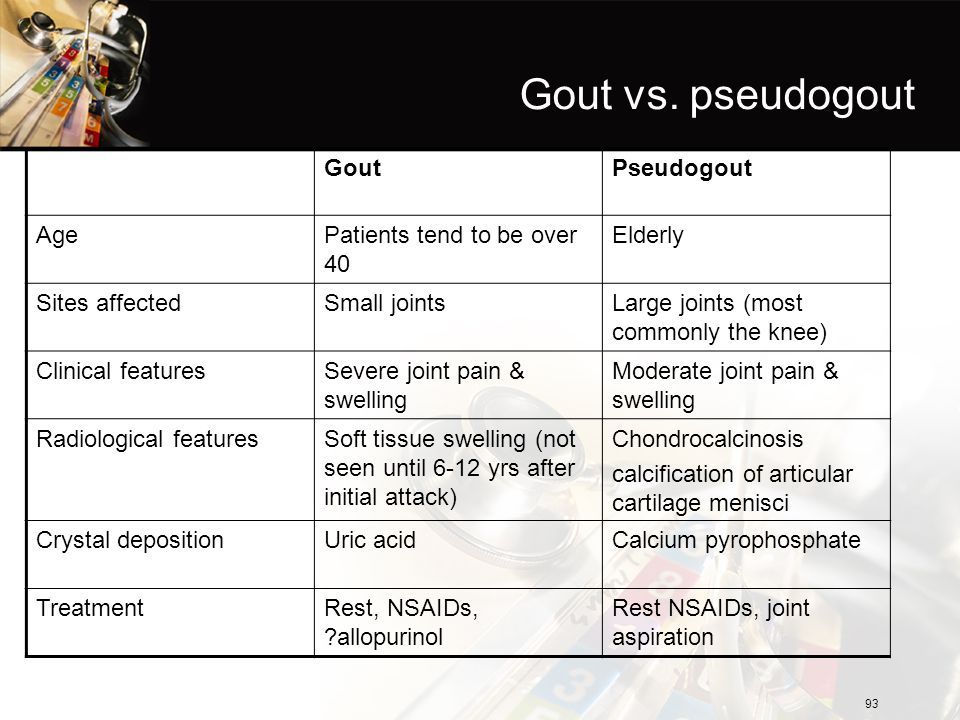
The Molecular Mystery: Why Tech is Rewriting the Cause of Pseudogout
At its core, the cause of pseudogout is the formation of calcium pyrophosphate crystals in the joint cartilage. But for years, the “cause” of these crystals forming was a biological “black box.” Today, technology—specifically AI-driven molecular modeling and genetic sequencing—is shining a light on the enzymatic failures that lead to these deposits.
AI-Driven Crystal Identification and Molecular Modeling
In traditional settings, identifying the cause of a patient’s joint pain required a manual compensated-polarized light microscopy (CPLM) test. This method is notoriously prone to human error. Enter Machine Learning (ML). Tech startups are now developing AI algorithms capable of analyzing synovial fluid samples with near-perfect accuracy. By feeding thousands of microscopic images into neural networks, these tools can identify the distinct “rhomboid” shape of calcium pyrophosphate crystals that the human eye might miss.
This tech identifies the cause by quantifying the density and morphology of crystals, allowing researchers to correlate specific crystal shapes with different stages of metabolic breakdown. It is no longer just about seeing the crystal; it is about using computational power to understand the chemical environment that allowed the crystal to form in the first place.
Genomic Mapping and CPPD Predisposition
Why do some individuals develop these crystals while others with similar mineral levels do not? The answer lies in the ANKH gene. Advanced genomic sequencing tech has allowed scientists to map the high-tech blueprint of the human body. High-throughput sequencing identifies mutations in the ANKH gene, which regulates the transport of inorganic pyrophosphate out of cells.
By utilizing bioinformatics, tech platforms can now predict a patient’s likelihood of developing pseudogout years before the first flare-up. This shift from reactive medicine to predictive tech-driven diagnostics is fundamentally changing our understanding of the condition’s genetic causes.
Imaging the Invisible: High-Tech Diagnostics in Modern Rheumatology
To understand the cause of pseudogout, you have to see it in situ. For years, standard X-rays were the only tool available, but they often failed to show early-stage calcification. The tech industry has responded with specialized imaging hardware that distinguishes between different types of mineral deposits with surgical precision.
Dual-Energy CT (DECT) Scans
One of the most significant technological leaps in the study of inflammatory arthritis is Dual-Energy Computed Tomography (DECT). Unlike a standard CT scan, DECT uses two different X-ray spectra to examine the chemical composition of tissues.
In the context of pseudogout, DECT software can color-code different chemical deposits. It can differentiate between the monosodium urate crystals of gout (typically coded green) and the calcium pyrophosphate crystals of pseudogout (typically coded blue). This technological distinction is crucial because the “cause” of pseudogout is chemically distinct from gout. By providing a non-invasive, high-definition digital map of the joint, DECT allows specialists to see exactly where the “cause”—the calcium—is hiding, whether it is in the tendons, the cartilage, or the joint capsule.
High-Resolution Ultrasound and Signal Processing
While DECT is powerful, it is also expensive. Portable, high-resolution ultrasound tech is becoming the “front line” of identifying the causes of joint inflammation. Modern ultrasound machines utilize advanced signal processing and “Power Doppler” technology to detect hyper-inflammation and the specific “double contour” or “string of pearls” patterns indicative of calcium deposits.

The software within these devices has become so sophisticated that it can filter out “noise” and provide a 3D reconstruction of the joint. This allows tech-savvy clinicians to visualize the physical manifestation of the cause (calcification) in real-time during a physical exam.
The Biotech Frontier: Therapeutic Tech Targeting the Root Cause
Identifying the cause of pseudogout is only half the battle; the tech sector is also spearheading the development of “smart” therapies that target the molecular triggers of the disease. We are moving away from broad anti-inflammatories toward targeted biotechnological interventions.
CRISPR and Genetic Editing
As we have identified the genetic causes of pseudogout (such as the aforementioned ANKH gene mutations), the tech world is looking toward CRISPR-Cas9 as a potential long-term solution. In laboratory settings, researchers are using gene-editing technology to attempt to “silence” the overproduction of pyrophosphate in the cells. While still in the experimental phase, the intersection of CRISPR tech and rheumatology suggests a future where we don’t just treat the inflammation—we “code out” the cause of the disease itself.
Nanotechnology in Targeted Drug Delivery
One of the biggest hurdles in treating the cause of pseudogout is that the crystals are often embedded deep within the avascular cartilage, where pills and injections struggle to reach. Tech innovators are developing lipid nanoparticles designed to carry anti-inflammatory agents directly to the site of the crystal deposits.
These “smart” nanoparticles are programmed to release their payload only when they encounter specific pH levels or enzymatic markers associated with pseudogout flares. This prevents systemic side effects and ensures that the technology is addressing the cause of the pain exactly where it originates.
The Future of HealthTech: Predictive Analytics and Preventative Care
As the “Internet of Medical Things” (IoMT) grows, the cause of pseudogout is being analyzed not just in the lab, but in the daily lives of patients. Big data and wearable technology are providing a holistic view of the environmental causes that trigger flares.
Wearable Biosensors and Metabolic Tracking
Current wearable tech, like the latest iterations of smartwatches and specialized biosensor patches, is beginning to track more than just steps and heart rate. Some experimental wearables are now capable of tracking interstitial fluid markers.
By monitoring fluctuations in magnesium, calcium, and thyroid hormones—all of which are linked to the metabolic causes of pseudogout—these devices can alert a user when their body chemistry is reaching a “danger zone.” This tech-driven “early warning system” allows patients to adjust their diet or medication before the calcium crystals have a chance to trigger a painful inflammatory response.
Big Data and Population Health
Finally, the aggregation of patient data through cloud computing is allowing researchers to identify macro-causes of pseudogout. By analyzing electronic health records (EHRs) using Big Data analytics, tech firms can find correlations between pseudogout and other tech-identifiable conditions, such as hyperparathyroidism or chronic kidney disease.
This macro-view helps us understand that the “cause” of pseudogout is often an interconnected web of metabolic failures. Through data visualization and predictive analytics, the healthcare industry can identify at-risk populations and intervene with tech-based lifestyle solutions before the condition becomes chronic.

Conclusion: A Tech-First Approach to Wellness
What is the cause of pseudogout? From a biological standpoint, it is the deposition of calcium pyrophosphate. But from a modern perspective, the cause is a complex interaction of genetics, metabolic health, and aging—a puzzle that is finally being solved by the relentless march of technology.
Through AI-enhanced diagnostics, high-resolution imaging hardware, and the promise of gene-editing software, we are no longer in the dark about this painful condition. As HealthTech continues to evolve, the focus will continue to shift from “What is the cause?” to “How can we use tech to prevent it?” The future of rheumatology is digital, data-driven, and decidedly high-tech, offering hope to millions who suffer from the microscopic crystals that cause so much disruption.
aViewFromTheCave is a participant in the Amazon Services LLC Associates Program, an affiliate advertising program designed to provide a means for sites to earn advertising fees by advertising and linking to Amazon.com. Amazon, the Amazon logo, AmazonSupply, and the AmazonSupply logo are trademarks of Amazon.com, Inc. or its affiliates. As an Amazon Associate we earn affiliate commissions from qualifying purchases.