
In an increasingly digital world, the way we manage, send, and receive money has been fundamentally reshaped. Gone are the days when traditional banks were the sole arbiters of financial transactions. Today, a new breed of financial technology (FinTech) applications has emerged, democratizing access to various monetary services. Among these, Cash App stands out as a pervasive and versatile tool, transforming how millions navigate their personal finances.
At its core, Cash App is a mobile payment service developed by Block, Inc. (formerly Square, Inc.) that allows users to send and receive money instantaneously. But to merely define it as a peer-to-peer (P2P) payment platform would be to overlook its expansive suite of features, which delve deep into areas traditionally reserved for banks and investment firms. It’s a dynamic financial ecosystem accessible directly from your smartphone, designed to simplify everything from splitting a dinner bill to investing in stocks or Bitcoin. For many, Cash App has become not just a convenient utility but a foundational element of their daily financial lives, offering a pathway to managing funds, budgeting, saving, and even micro-investing with unprecedented ease.

The Evolution of Digital Transactions and Cash App’s Role
The landscape of personal finance has undergone a radical transformation over the past two decades. What began with rudimentary online banking has blossomed into a sophisticated network of digital tools, and Cash App has been a significant catalyst in this evolution, particularly in the realm of P2P payments and financial inclusion.
From Traditional Banking to P2P Payments
For generations, sending money meant visiting a bank, writing a check, or wiring funds, processes often laden with fees, delays, and bureaucratic hurdles. The advent of the internet gradually streamlined these operations, but true instant person-to-person transfers remained elusive for the average consumer. The early 2010s saw the rise of dedicated P2P payment platforms, a response to a growing demand for quick, informal money transfers among friends, family, and acquaintances.
Cash App, launched in 2013, quickly distinguished itself by simplifying the user experience and expanding beyond mere transfers. It tapped into a burgeoning market of users who sought a frictionless way to manage small-scale transactions without the overhead of traditional financial institutions. By allowing users to link their debit cards or bank accounts, Cash App provided a bridge between conventional banking infrastructure and the burgeoning digital economy, empowering individuals to move funds with just a few taps on their smartphone. This marked a significant departure from banking norms, fostering a culture of instant digital money movement that has become an expectation for many.
Core Functionality: Sending and Receiving Money
The foundational utility of Cash App revolves around its ability to facilitate instant money transfers between users. This core feature addresses a myriad of everyday financial scenarios:
- Splitting Bills: Whether it’s a restaurant tab, utility bill, or rent, Cash App makes it effortless to divide costs among multiple parties, ensuring everyone contributes their fair share quickly.
- Paying Friends and Family: Gifting money, reimbursing a friend for movie tickets, or sending support to a loved one instantly becomes a seamless process, eliminating the need for cash or checks.
- Requesting Funds: Users can also send requests for money, a convenient feature for reminding someone about a shared expense or collecting dues.
The process is remarkably straightforward: users simply enter the recipient’s unique identifier (a $Cashtag, phone number, or email), specify the amount, and confirm the transaction. Funds are typically available in the recipient’s Cash App balance immediately, offering a level of convenience and speed that traditional payment methods often struggle to match. This immediacy is a cornerstone of its appeal, turning what was once a multi-step process into a near-instantaneous digital exchange.
Beyond P2P: Cash App’s Expanding Financial Ecosystem
While P2P payments remain central, Cash App has strategically diversified its offerings, positioning itself as a more comprehensive financial tool. This expansion has allowed it to compete not just with other payment apps but also, in some respects, with traditional banks and brokerage firms.
Cash Card: A Debit Card for Everyday Spending
One of Cash App’s significant innovations is the Cash Card, a customizable, free debit card issued by Sutton Bank, linked directly to a user’s Cash App balance. This physical card extends the utility of the app beyond digital transfers, enabling users to spend their Cash App funds at brick-and-mortar stores, online retailers, and ATMs, wherever Visa is accepted.
- How it Works: Funds held in the Cash App balance become accessible for everyday purchases, effectively turning the app into a primary spending account for many users.
- Benefits: Boosts: A unique feature of the Cash Card is “Boosts,” instant discounts applied directly to purchases at specific merchants (e.g., coffee shops, grocery stores, restaurants). Users can select and activate a Boost within the app before making a purchase, providing tangible savings and incentivizing card usage.
- ATM Withdrawals: The Cash Card also allows for ATM withdrawals, providing liquidity for users who need physical cash, though certain fees may apply depending on the ATM network and transaction type.
The Cash Card effectively blurs the lines between a traditional bank debit card and a mobile wallet, offering a practical solution for managing spending and accessing funds held within the app.
Direct Deposit: Your Paycheck on Cash App
Further cementing its role as a pseudo-banking solution, Cash App allows users to set up direct deposit for their paychecks, tax refunds, or government benefits. By providing an account and routing number, users can have their income deposited directly into their Cash App balance, often making funds available up to two days earlier than traditional banks.
- Utility as a Pseudo-Bank Account: For individuals without traditional bank accounts, or those seeking an alternative, Cash App’s direct deposit feature offers a vital pathway to receive regular income digitally. It provides a simple, accessible solution for managing essential financial inflows.
- Early Access to Funds: The “get paid up to 2 days early” feature is a significant draw, offering financial flexibility and potentially alleviating short-term cash flow concerns for users.
This capability transforms Cash App from a mere supplementary payment tool into a viable primary account for managing regular income and expenses, particularly for those in the gig economy or underserved by conventional banking services.
Investing for the Everyday User
Perhaps one of the most compelling expansions of Cash App’s financial services is its foray into investing, democratizing access to markets for a new generation of users.
- Introduction to Fractional Share Investing (Stocks): Cash App allows users to buy and sell stocks with as little as $1. This fractional share investing model makes the stock market accessible to individuals who might not have sufficient capital to purchase full shares of expensive stocks. It simplifies the investment process, presenting a streamlined interface for buying and selling without overwhelming users with complex financial jargon.
- Bitcoin Trading: Accessibility for Crypto Newcomers: Recognizing the burgeoning interest in cryptocurrencies, Cash App also integrated Bitcoin buying and selling. It provides a straightforward, user-friendly portal for individuals to enter the cryptocurrency market, simplifying what can often be a complex and intimidating process on other exchanges.
- Simplifying Investment for a Broad Audience: By integrating these investment features directly into a familiar payment app, Cash App lowers the barrier to entry for investing, encouraging financial literacy and participation among a demographic that might otherwise feel excluded from traditional investment platforms. It presents investing as another facet of personal finance, rather than an exclusive domain.
Navigating Fees, Security, and Limitations
While Cash App offers unparalleled convenience and an expanding array of financial services, it’s crucial for users to understand its operational nuances, including its fee structure, security measures, and inherent limitations. Informed usage ensures a positive and secure financial experience.
Understanding Cash App’s Fee Structure
Cash App generally prides itself on being a low-cost or no-cost service for many of its basic functions, but certain transactions do incur fees:
- Standard vs. Instant Transfers: While sending and receiving money to/from other Cash App users is typically free, transferring funds from your Cash App balance to an external linked bank account has two options. Standard transfers (1-3 business days) are usually free, but instant transfers (arriving within minutes) typically carry a fee, often 0.5% to 1.75% of the transaction amount.
- Bitcoin Transaction Fees: Buying and selling Bitcoin on Cash App usually involves a service fee and a small spread on the market price, which can vary based on market volatility and transaction size.
- ATM Fees: While using the Cash Card for ATM withdrawals is possible, Cash App may charge a fee for withdrawals outside of its free ATM network, and the ATM operator itself may impose additional charges. However, if a user receives at least $300 in direct deposits into their Cash App account each month, Cash App waives ATM fees.

Understanding these fees is vital for effectively managing costs and avoiding unexpected charges, ensuring that the financial benefits outweigh the transactional expenses.
Securing Your Financial Activity
Given that Cash App handles sensitive financial data, security is paramount. The platform employs several measures to protect user accounts:
- In-App Security Features: Users can enable a PIN, Touch ID, or Face ID to authorize payments and access their account, adding an extra layer of protection against unauthorized use.
- Fraud Prevention and Reporting Mechanisms: Cash App actively monitors for suspicious activity and offers clear pathways for users to report unauthorized transactions or potential scams. They also encrypt data in transit and at rest.
- Best Practices for Users: Despite technological safeguards, user vigilance is critical. This includes using strong, unique passwords, enabling two-factor authentication, being wary of phishing attempts, never sharing sensitive account details, and only sending money to people you know and trust. Awareness of common scams (e.g., fake sweepstakes, job offers requiring upfront payments) is essential to safeguard funds.
By combining robust platform security with informed user practices, Cash App aims to create a secure environment for financial transactions.
Limitations and Alternatives
While powerful, Cash App is not a one-size-fits-all financial solution and has certain limitations:
- Transaction Limits: For security and regulatory reasons, Cash App imposes limits on how much money users can send and receive, particularly for unverified accounts. These limits can be increased by verifying identity with personal information.
- Lack of Some Traditional Banking Services: Cash App does not offer the full spectrum of services found at traditional banks, such as complex loan products, joint accounts, wealth management advisory, or extensive customer service branches. It functions more as a digital wallet and basic financial hub rather than a comprehensive banking institution.
- Alternatives: For users requiring more traditional banking features, more sophisticated investment tools, or alternative P2P options, platforms like Venmo, PayPal, Zelle, or Chime offer varying features and cater to slightly different user needs. Each platform has its own strengths, and a user’s choice often depends on their specific financial requirements and preferences.
Recognizing these limitations helps users determine if Cash App adequately meets their financial needs or if a combination of tools or an alternative might be more appropriate.
Who Benefits Most from Cash App?
Cash App’s design and feature set cater to a diverse user base, but certain demographics and financial behaviors particularly benefit from its offerings.
Individuals Seeking Convenience and Simplicity
The platform’s intuitive interface and seamless operation make it ideal for:
- Younger Demographics and Digitally Native Users: Those comfortable with mobile technology appreciate the app’s speed and ease of use, making it a natural fit for their digital-first lifestyle.
- People Needing Quick, Informal Payment Methods: For everyday transactions like splitting restaurant bills, contributing to group gifts, or quick reimbursements, Cash App offers unparalleled convenience, removing the awkwardness of cash or checks. It simplifies spontaneous financial interactions.
These users prioritize efficiency and accessibility, finding Cash App to be a perfect complement to their fast-paced, interconnected lives.
Small Businesses and Side Hustlers
Cash App has also become an invaluable tool for entrepreneurs and those in the gig economy:
- Receiving Payments from Clients/Customers: Many small businesses, freelancers, and independent contractors use Cash App as a simple way to receive payments for goods or services, especially from customers who prefer digital transactions. The $Cashtag provides an easy identifier for clients to send money.
- Managing Micro-Transactions: For businesses dealing with frequent, smaller transactions, Cash App offers a low-cost, efficient method of processing payments without the complexity of traditional merchant accounts.
- Separating Personal and Business Funds (if used carefully): While not a dedicated business banking solution, some small entrepreneurs use separate Cash App accounts or carefully track transactions to manage inflows and outflows for their side hustles, though more robust accounting practices are always recommended for serious businesses.
For these individuals and entities, Cash App serves as an accessible payment processor that helps streamline revenue collection and manage operational cash flow.
The Underbanked and Unbanked Populations
Perhaps one of Cash App’s most significant societal contributions is its role in financial inclusion:
- Providing Essential Financial Services: For individuals who lack access to traditional bank accounts due to various barriers (e.g., credit history, minimum balance requirements, lack of identification), Cash App provides a critical entry point into the formal financial system. They can receive direct deposits, send money, and access funds via the Cash Card.
- Financial Inclusion: By offering services like direct deposit, a debit card, and even basic investment options, Cash App empowers segments of the population that have historically been marginalized by conventional banking. It helps bridge the gap for those who might otherwise rely solely on cash or costly check-cashing services, fostering greater economic participation.
For these communities, Cash App is more than just a convenience; it’s a vital tool for economic empowerment and daily financial management.
The Future of Cash App and Digital Finance
Cash App’s journey from a simple P2P payment service to a multifaceted financial platform reflects the broader trends in FinTech and the evolving expectations of consumers. Its future, and indeed the future of digital finance, is poised for continued innovation and integration.
Continued Innovation in Financial Services
Expect Cash App to continue pushing boundaries, potentially introducing:
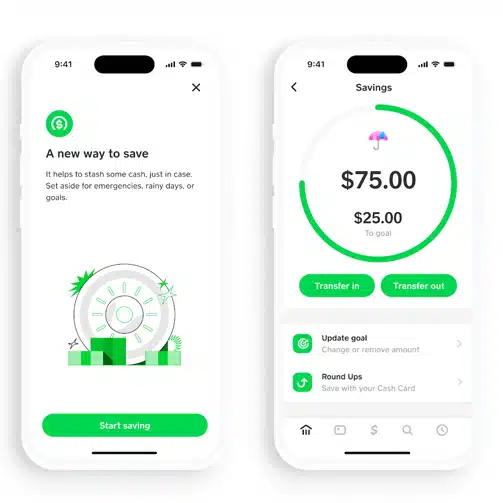
- Potential New Features: This could include more sophisticated savings tools, expanded investment options beyond stocks and Bitcoin (e.g., ETFs, other cryptocurrencies), budgeting tools, or even credit-building services tailored to its user base.
- Impact on Traditional Banking: As Cash App and similar platforms expand their offerings, they exert pressure on traditional banks to innovate, improve user experience, and reduce fees, ultimately benefiting consumers by fostering competition and driving efficiency across the financial sector.
The trajectory suggests a move towards even greater integration of financial services within a single, user-friendly mobile application, challenging the traditional siloed approach of financial institutions.
Embracing a Cashless Society
Cash App plays a pivotal role in accelerating the shift towards a cashless society:
- Role in Accelerating Digital Payment Adoption: By making digital transactions intuitive, secure, and accessible, Cash App encourages widespread adoption of electronic payments, reducing reliance on physical currency.
- Convenience vs. Privacy Considerations: While the convenience of a cashless society is undeniable, it also raises important considerations regarding financial privacy, data security, and ensuring that no demographic is left behind in the transition.
In conclusion, Cash App is far more than just an application for sending money. It is a robust, evolving financial tool that offers a comprehensive suite of services catering to modern monetary needs, from daily transactions and spending to direct deposits and even entry-level investing. For millions, it has become an indispensable part of their personal financial management, embodying the shift towards a more accessible, instant, and mobile-centric financial world. Its continued growth and innovation underscore its significant impact on how individuals interact with their money, firmly establishing it as a cornerstone of the digital financial landscape.
aViewFromTheCave is a participant in the Amazon Services LLC Associates Program, an affiliate advertising program designed to provide a means for sites to earn advertising fees by advertising and linking to Amazon.com. Amazon, the Amazon logo, AmazonSupply, and the AmazonSupply logo are trademarks of Amazon.com, Inc. or its affiliates. As an Amazon Associate we earn affiliate commissions from qualifying purchases.